When it comes to outfitting a basketball court, the type of flooring you choose can make a significant impact on both the performance and the aesthetic of the facility. Hardwood basketball flooring has long been the gold standard for professional sports arenas and schools alike. Known for its durability, aesthetics, and player-friendly qualities, hardwood is a choice that many facility owners consider when renovating or building a basketball court. But is it the right option for your facility?
In this article, we’ll dive into what hardwood basketball flooring is, explore its many advantages, and help you determine whether it’s the best fit for your needs. Whether you’re outfitting a school gym, a community center, or a high-performance arena, understanding the benefits and challenges of hardwood flooring will ensure that your investment serves your facility and athletes well for years to come.

Understanding Hardwood Basketball Flooring
What Is Hardwood Basketball Flooring?
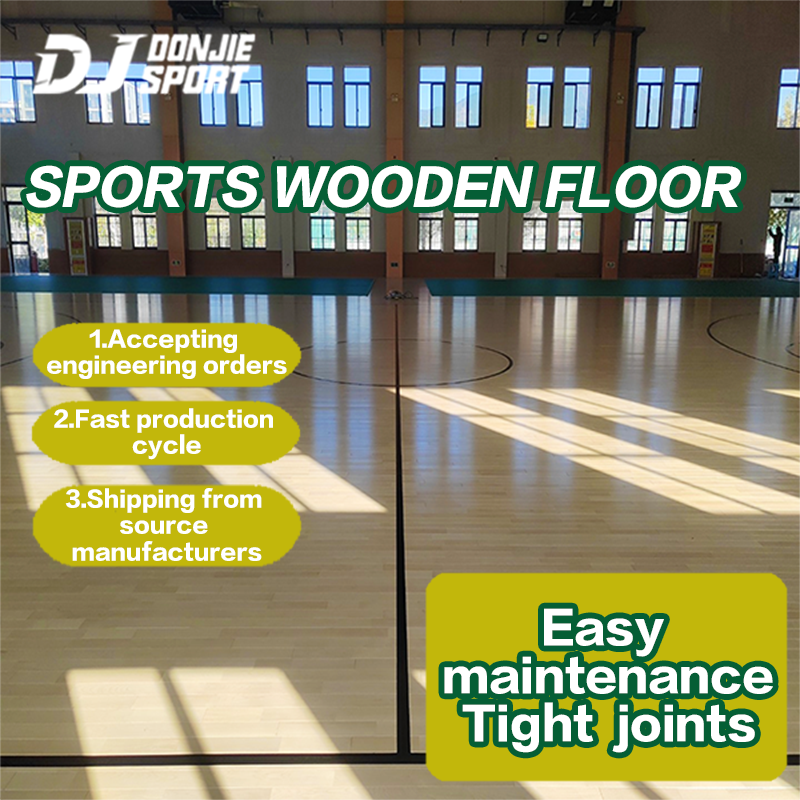
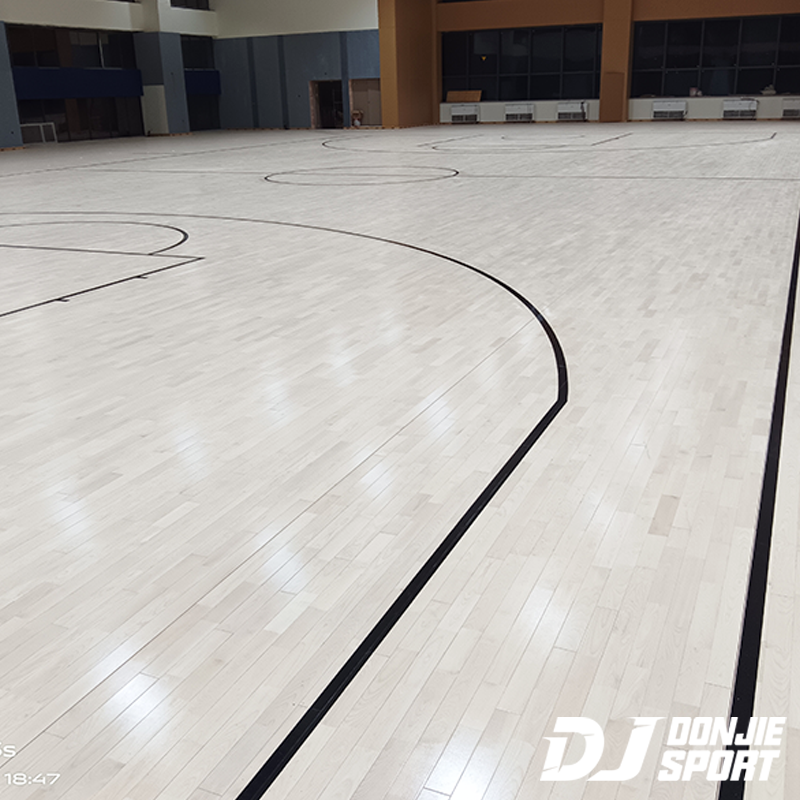
Hardwood basketball flooring is the top-tier choice for courts, particularly in competitive settings. Made from solid, natural hardwood, the most common material used is maple, prized for its uniformity, strength, and shock-absorbing qualities. Hardwood flooring is known for its smooth, sleek surface, which provides excellent ball bounce and allows athletes to make quick, precise movements without risking injury from an uneven surface.
In comparison to synthetic materials like rubber or vinyl, hardwood basketball floors are more durable and provide a higher level of comfort for players, making it a preferred choice for both professional and recreational basketball courts. The craftsmanship involved in hardwood flooring adds not only functionality but also visual appeal, enhancing the aesthetic of any gymnasium or court.
Common Types of Hardwood Used in Basketball Courts
While there are several types of hardwood, maple remains the gold standard for basketball flooring. It is commonly used because of its durability and smooth surface, which ensures uniformity in bounce and player movements. Oak and hickory are other options, but they are less common due to their increased weight and more aggressive grain patterns. Maple, however, offers a balance of strength and flexibility, providing a stable playing surface that can handle intense athletic activity.
Benefits of Hardwood Basketball Flooring
Durability and Longevity
One of the most significant advantages of hardwood basketball flooring is its unmatched durability. Hardwood floors can withstand years of heavy use, from daily practice sessions to high-stakes games. This longevity comes from the dense, resilient nature of the wood, which can handle the impacts of basketball shoes, falling players, and intense action without losing its integrity. When maintained correctly, hardwood floors can last decades, making them an excellent long-term investment for any facility.
Aesthetic Appeal
A hardwood court isn’t just about function; it’s also about creating an atmosphere that conveys professionalism and respect for the game. The natural wood finish enhances the court’s overall aesthetic, providing a rich, warm look that sets the tone for every game played. Hardwood courts are synonymous with top-tier basketball venues, and having this type of flooring can elevate the perceived value and prestige of your facility.
Performance and Player Comfort
For players, hardwood floors offer a balance of traction and comfort. The material provides just the right amount of bounce, which allows the ball to behave predictably during dribbling, passing, and shooting. Additionally, hardwood has natural shock-absorbing properties that protect players’ joints and reduce the risk of injuries like knee and ankle sprains. This makes hardwood an excellent choice for performance, allowing players to move freely and comfortably.
Maintenance and Care
Maintaining hardwood basketball flooring is a manageable task when done regularly. Hardwood floors require periodic refinishing to restore their smooth, polished surface. Keeping the wood clean by sweeping up dust and debris after each use can also help maintain its integrity. While it may require more attention than vinyl or rubber flooring, the ease of cleaning and maintaining hardwood flooring is still considered minimal for the long-term value it provides.
Factors to Consider Before Installing Hardwood Basketball Flooring
Cost Implications
While hardwood basketball flooring offers many advantages, it comes with a higher initial cost compared to alternative flooring options. The cost includes not only the material itself but also the installation and finishing process, which can be complex and time-consuming. However, it’s important to recognize that the long lifespan and performance benefits of hardwood make it a sound investment. Many facilities find that the long-term savings in maintenance and the enhancement to their venue’s image justify the higher upfront cost.
Climate Considerations
Wood is sensitive to changes in temperature and humidity, which can cause it to expand or contract. Facilities located in areas with high humidity or extreme temperature variations may experience issues with warping or buckling in the flooring. It is essential to ensure that the facility is equipped with climate control systems that can help regulate the environment and protect the hardwood flooring.
Facility Usage
Another consideration is the volume of activity your basketball court will experience. If your facility is frequently used for tournaments, professional games, or other high-intensity events, hardwood flooring is ideal because it can withstand such rigorous demands. For smaller, less frequently used courts, other types of flooring like rubber or vinyl might be more appropriate.
Maintenance Needs
Although hardwood floors are known for their durability, they do require consistent maintenance. Regular cleaning, refinishing every few years, and occasional repairs are necessary to maintain the floor’s quality and appearance. For those willing to commit to regular upkeep, hardwood offers tremendous value.
Alternatives to Hardwood Basketball Flooring
Rubber and Vinyl Flooring
While hardwood flooring is durable, rubber and vinyl floors offer alternative options at a lower price point. These synthetic materials are easier to install, require less maintenance, and can still provide adequate performance for less intensive use. However, they may not offer the same level of player comfort, aesthetics, or longevity as hardwood floors, particularly in high-traffic settings.
Sport Court Tiles
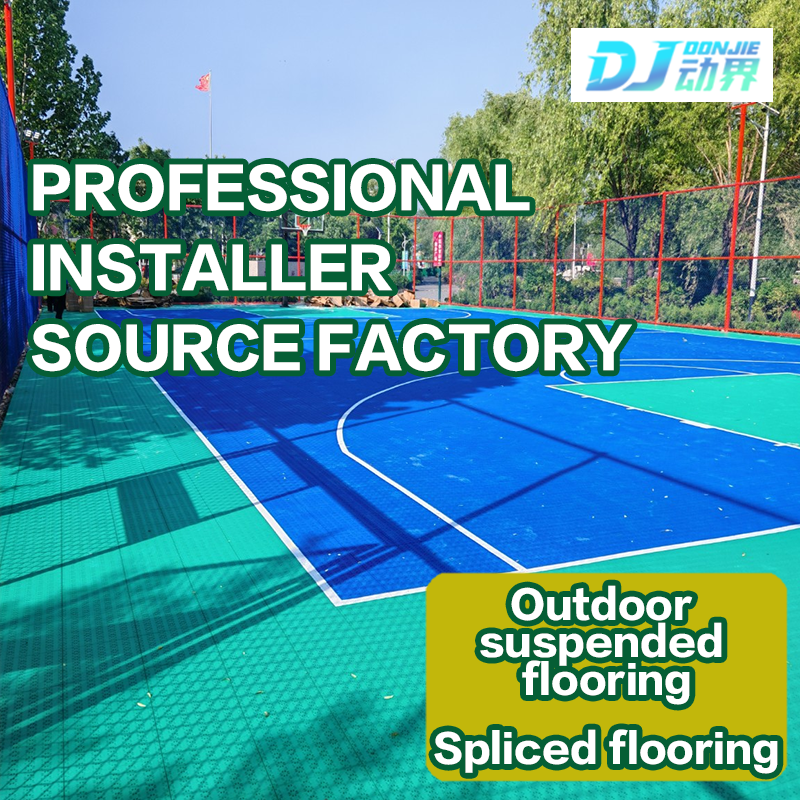
Sport court tiles are modular flooring systems that offer versatility and ease of installation. These tiles are made from durable materials and can be customized to suit a variety of sports, including basketball. While they’re a cost-effective option and offer easier repairs, they often lack the premium feel and performance characteristics of hardwood.
How to Decide if Hardwood Basketball Flooring is Right for You
Assessing Your Facility’s Needs
To determine whether hardwood basketball flooring is the best choice for your facility, ask yourself several important questions:
-
How often will the court be used?
-
What is the budget for flooring installation and maintenance?
-
What kind of environment is your facility in (temperature, humidity)?
-
Will you be hosting professional events or primarily school-level games?
Once you’ve evaluated these factors, you can better understand whether hardwood is the right fit for your needs.
Consulting with Experts
When making a decision, it’s crucial to consult with flooring professionals who can help assess your facility’s specific requirements. They can offer expert advice on the best type of hardwood for your area and provide insight into installation and maintenance needs.
Conclusion
Choosing the right basketball flooring is a significant decision that impacts not only the performance of the players but also the long-term maintenance costs of your facility. Hardwood basketball flooring stands out as a premium choice that offers unparalleled durability, aesthetics, and performance. While it comes with a higher initial cost and requires regular maintenance, the benefits it provides in terms of player comfort and overall value make it an excellent investment for high-performance courts.
In evaluating whether hardwood is right for your facility, consider the amount of use, your budget, and environmental factors. With careful consideration and proper maintenance, hardwood flooring can transform your basketball court into a top-tier facility that athletes will appreciate for years to come.