Choosing the right flooring for your gym or arena is crucial, not only for aesthetic reasons but also for the safety, durability, and performance of the facility. Sports flooring plays a pivotal role in ensuring that athletes perform at their best while minimizing the risk of injury. Among the many options available, hardwood sports flooring is often considered the gold standard for gyms and arenas. But is it the best option for your specific needs?
In this article, we’ll explore why hardwood sports flooring is a popular choice for sports venues, its advantages, and factors to consider when deciding if it’s the right flooring for your gym or arena. We’ll also compare it to other flooring options to help you make a well-informed decision.
What Is Hardwood Sports Flooring?
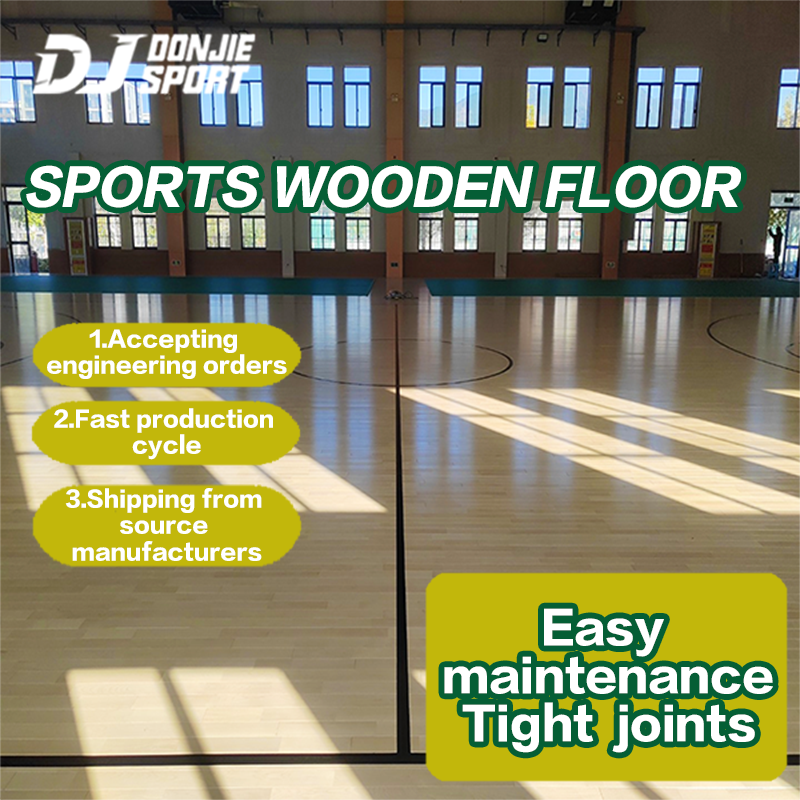
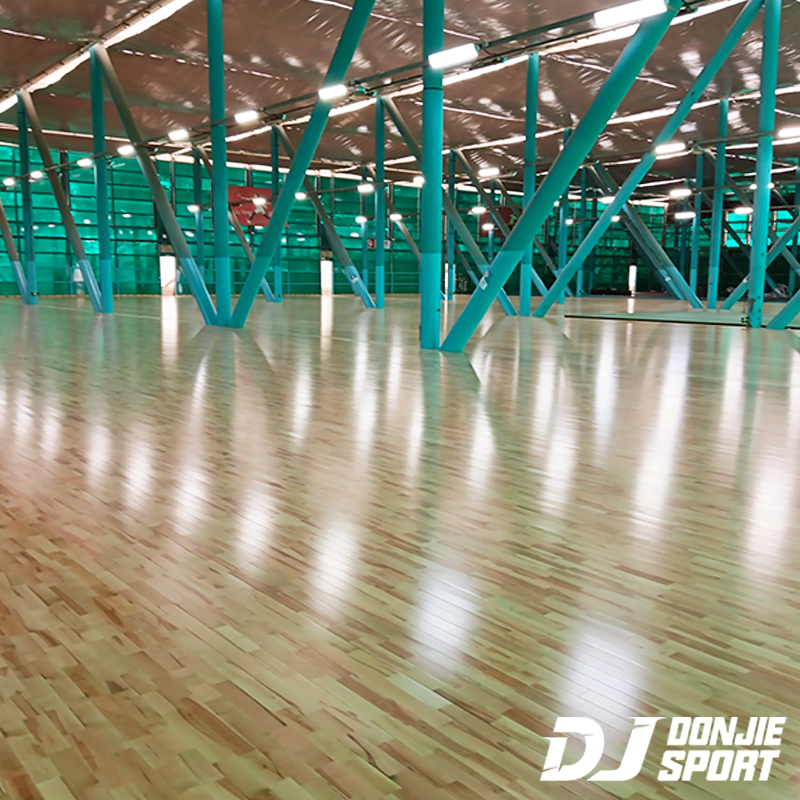
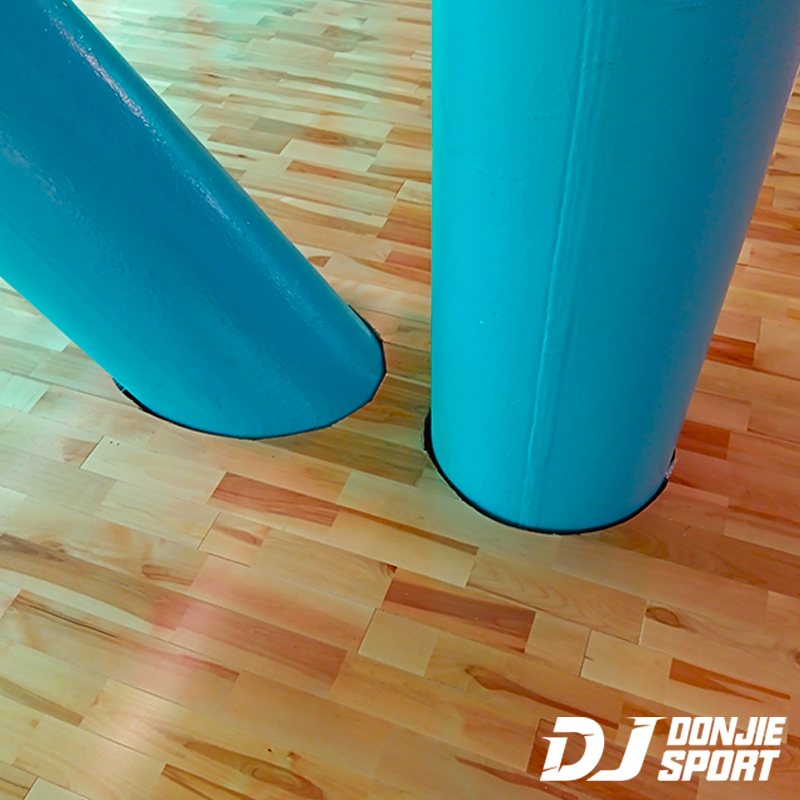
Hardwood sports flooring refers to flooring made from natural hardwood materials, typically maple, that are specially designed for use in sports venues such as gyms, basketball courts, and arenas. Unlike residential hardwood flooring, sports-specific hardwood floors are constructed with a high-performance finish that enhances durability, safety, and playability.
Types of Hardwood Flooring Used in Sports Facilities
-
Maple: The most common wood used for sports floors due to its durability, consistent grain, and resilience under heavy use.
-
Oak: Occasionally used, but not as popular as maple due to its harder, more dense nature, which can affect the performance of the ball bounce.
-
Birch: A more cost-effective alternative, though it doesn’t offer the same level of durability or aesthetics as maple.
Hardwood sports floors are constructed with multi-layered boards that provide stability and flexibility, which is essential for reducing the impact on athletes’ joints. The layers of the flooring are also designed to allow for expansion and contraction, making it suitable for a variety of environmental conditions.
The Advantages of Hardwood Sports Flooring
Durability and Longevity
One of the standout features of hardwood sports flooring is its exceptional durability. When properly maintained, it can withstand years of heavy foot traffic, intense games, and high-impact activities. Whether it’s for high school gyms, professional basketball courts, or multipurpose arenas, hardwood flooring can endure the wear and tear from years of use without compromising performance.
Aesthetic Appeal
The visual appeal of hardwood flooring is hard to match. Its sleek, polished finish adds a professional and timeless look to any sports venue. The natural wood grain not only complements the design of the space but also adds an element of warmth, making the facility more inviting and visually appealing to athletes and spectators alike.
Safety Features
In any sports facility, safety is a top priority. Hardwood sports flooring is designed with specific features to protect athletes during physical activity. The surface provides the right balance of grip and cushioning, reducing the risk of slips and falls while absorbing shock to protect joints and muscles during high-impact movements. This makes hardwood flooring a popular choice for high-intensity sports such as basketball and volleyball.
Easy Maintenance
Maintaining hardwood sports flooring is relatively simple. Routine cleaning typically involves sweeping or vacuuming to remove dust and debris, followed by mopping with a mild cleaning solution. Periodic refinishing may be required to keep the surface looking fresh, but the floor itself is designed to be easy to care for, making it a low-maintenance option compared to other types of flooring.
Factors to Consider Before Choosing Hardwood Sports Flooring
Cost vs. Value
While the initial investment in hardwood sports flooring is higher compared to other options, its long-term value often outweighs the cost. Hardwood floors are built to last and can provide many years of service with proper care. Additionally, the aesthetic value and safety benefits of hardwood can justify the upfront expense, particularly for high-end facilities or professional venues.
Climate and Environment
The environment in which your facility is located plays a significant role in the longevity and performance of hardwood flooring. Extreme fluctuations in temperature and humidity can cause the wood to expand or contract, which may lead to warping or gaps in the floor. It’s important to consider these factors and consult with flooring specialists to ensure proper installation and climate control measures are in place.
Installation Process
Installing hardwood sports flooring requires professional expertise. The process involves leveling the subfloor, preparing the surface, and ensuring that the wood is properly sealed and finished. While installation can be more complex than other flooring options, it ensures that the finished product meets the necessary standards for performance and safety.
Maintenance Requirements
Hardwood flooring requires regular maintenance to keep it in optimal condition. While routine cleaning is easy, periodic refinishing is necessary to maintain its smooth, durable surface. Additionally, regular inspections are recommended to identify any issues, such as loose boards or damage, that may require attention.
Alternative Flooring Options for Gyms and Arenas
Rubber Flooring
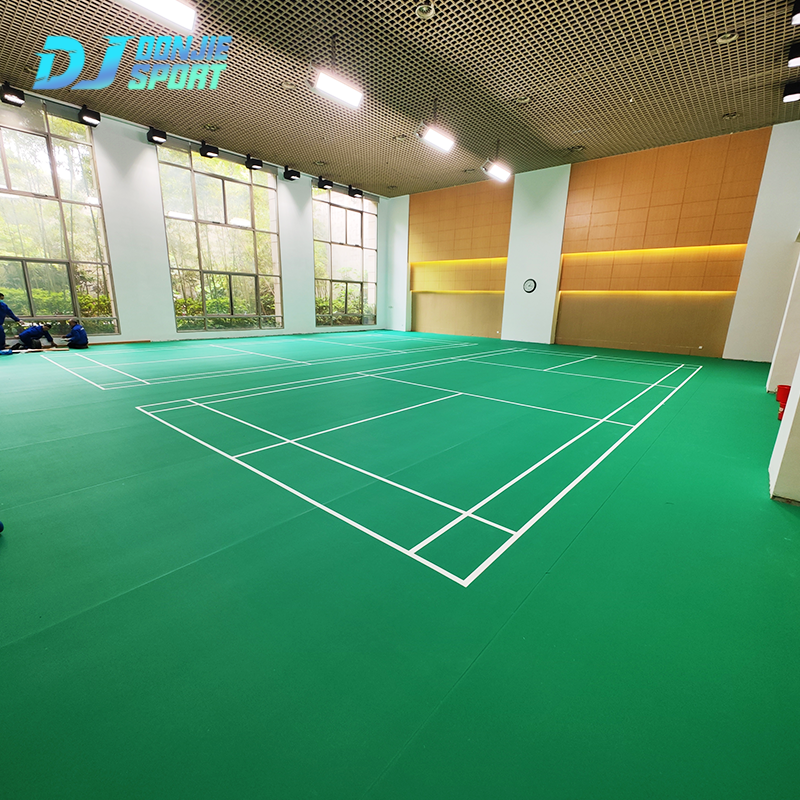
Rubber flooring is often used in gyms for its shock absorption qualities, making it a great option for areas where high-impact activities like weightlifting are common. However, it does not have the same aesthetic appeal as hardwood and can be less durable in high-traffic areas.
Vinyl Flooring
Vinyl sports flooring is a more affordable option and can be a good choice for facilities that need a budget-friendly solution. It is durable, easy to install, and comes in a variety of designs. However, it lacks the classic look and feel of hardwood and may not provide the same level of shock absorption or safety features.
Interlocking Tiles
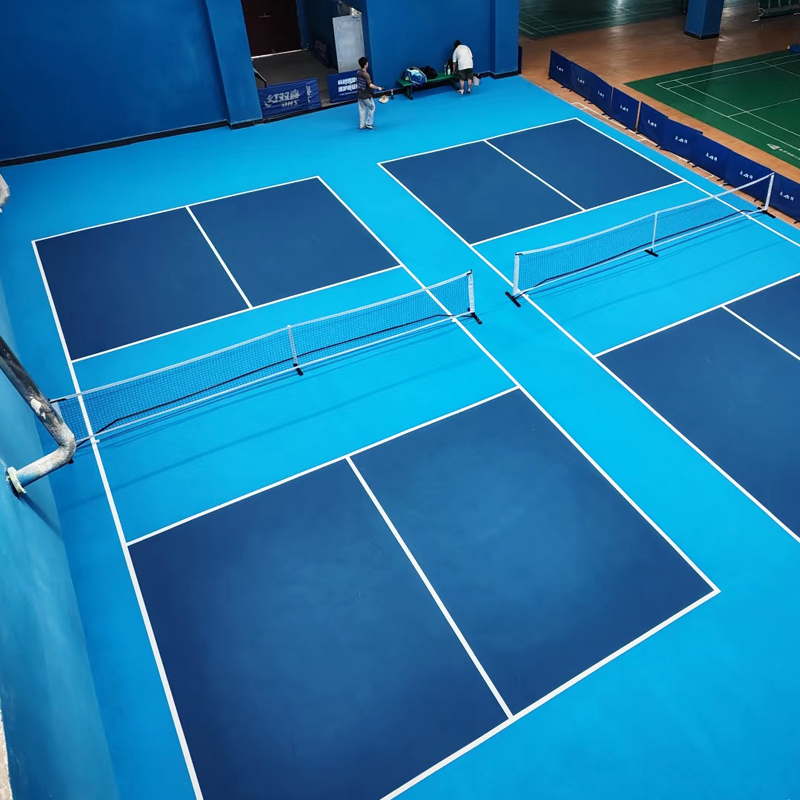
Interlocking tiles are a versatile and easy-to-install flooring option. They are particularly popular for temporary installations or smaller venues. However, interlocking tiles may not provide the same level of stability and durability as hardwood floors, especially for heavy-use facilities.
How Hardwood Sports Flooring Compares to Other Options
When compared to rubber, vinyl, and interlocking tiles, hardwood sports flooring consistently outperforms in terms of aesthetics, durability, and overall performance. While rubber and vinyl may offer more cost-effective solutions, they don’t provide the same level of safety and visual appeal as hardwood. Hardwood floors also have a longer lifespan, making them a better long-term investment for serious sports facilities.
Best Applications for Hardwood Sports Flooring
Hardwood sports flooring is particularly well-suited for basketball courts, volleyball courts, and multi-purpose sports halls. It’s ideal for high-impact, fast-paced sports due to its shock absorption properties and the consistent bounce it provides for balls. It also works well in arenas that host professional games, where the aesthetic value of the flooring adds to the prestige of the event.
Why It’s Especially Popular in Basketball and Volleyball Courts
Basketball and volleyball require a flooring surface that can support rapid movements, pivoting, and jumping. Hardwood flooring excels in these areas due to its consistent surface and shock-absorbing qualities, which minimize injury risks and enhance player performance.
Is Hardwood Sports Flooring Worth the Investment for Your Facility?
When considering whether hardwood sports flooring is the best choice for your gym or arena, it’s essential to weigh its long-term value against the upfront costs. Hardwood flooring is undoubtedly a more expensive option, but its durability, aesthetic appeal, and safety features make it a smart investment for serious sports venues. It offers a high-quality playing surface that can withstand heavy use while providing a professional look that will impress athletes and spectators alike.
Conclusion
In conclusion, hardwood sports flooring remains one of the best options for gyms and arenas, thanks to its unmatched durability, aesthetic value, and safety features. While the initial investment may be higher compared to other flooring options, its longevity and performance benefits make it a worthwhile investment for sports facilities that demand high standards. Whether you’re outfitting a gym for local teams or a professional arena, hardwood sports flooring is a choice that combines functionality with style.