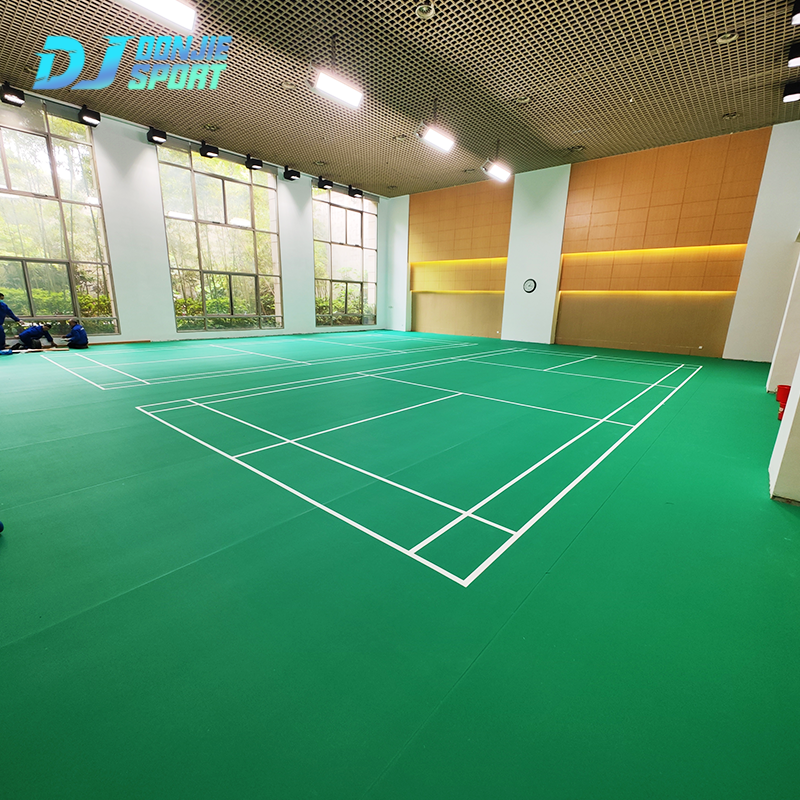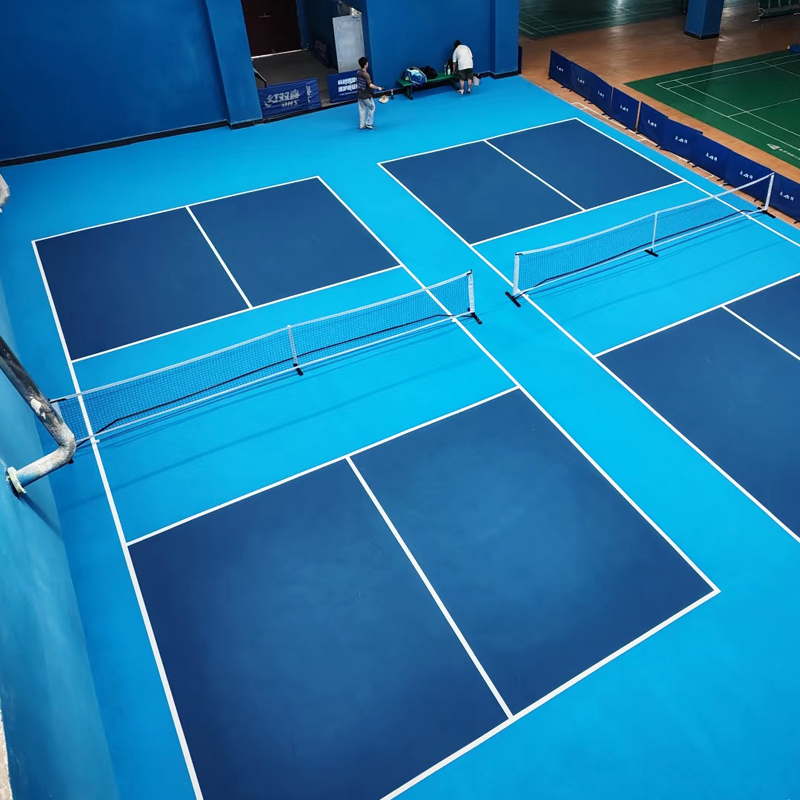
When designing or renovating a volleyball court, one of the most important decisions to make is the type of flooring. The right flooring not only affects the aesthetics of the court but also plays a crucial role in the players’ safety and performance. Among various options, Volleyball PVC flooring has been gaining popularity in sports facilities. Known for its durability and affordability, it’s become a preferred choice for many volleyball courts worldwide.
In this article, we will explore the benefits and challenges of PVC flooring for volleyball courts, helping you decide if it’s the best choice for your specific needs. From safety features to maintenance requirements, we’ll cover everything you need to know about this versatile flooring option.
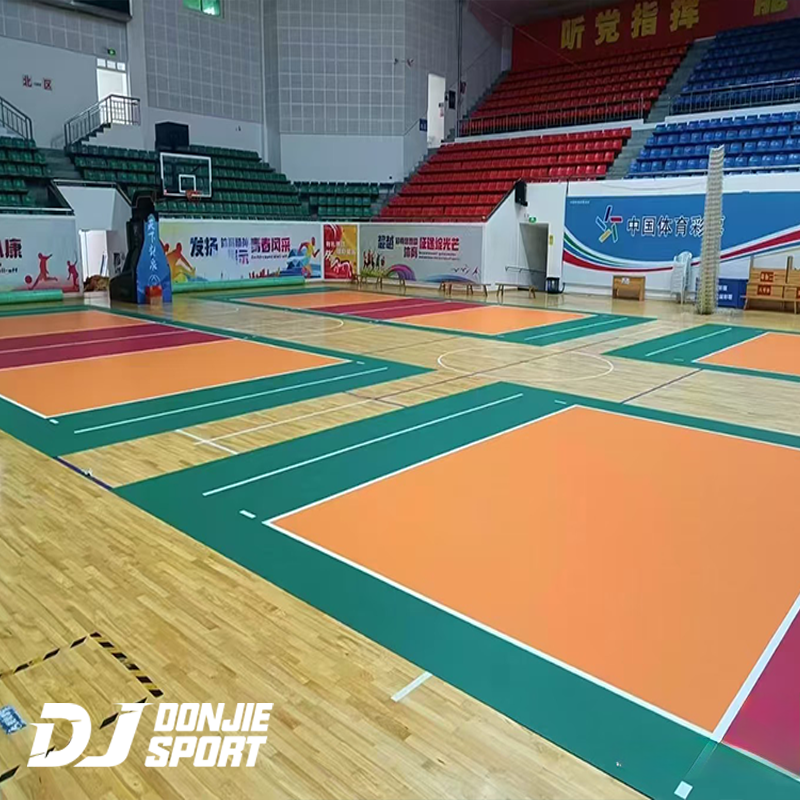
What is PVC Flooring?
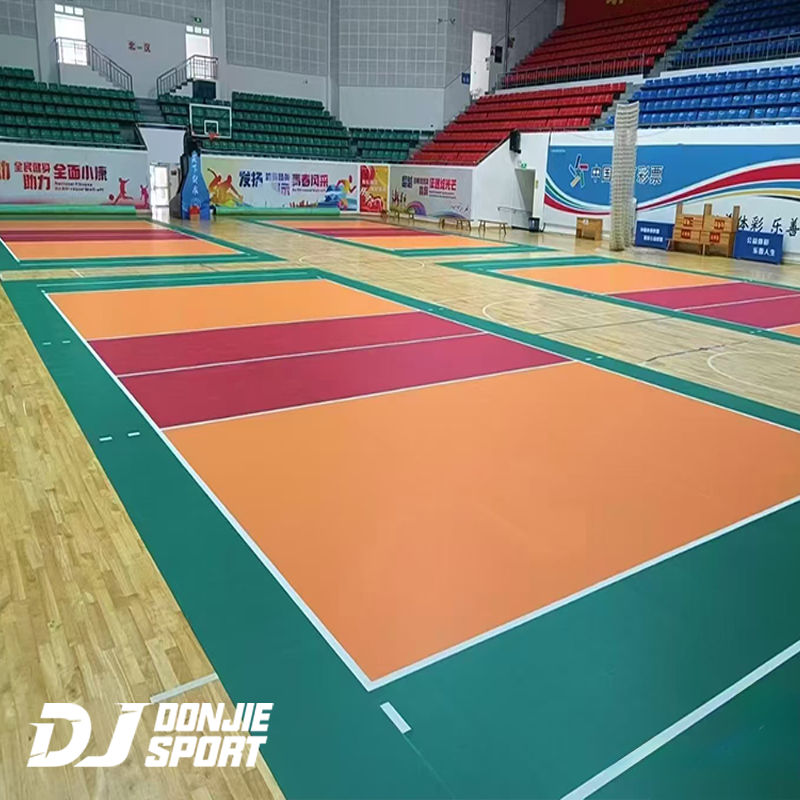
PVC (Polyvinyl Chloride) flooring is a synthetic plastic material known for its durability, flexibility, and resistance to wear and tear. It’s commonly used in a variety of settings, including homes, offices, and sports facilities. Volleyball PVC flooring specifically refers to this material tailored for use in sports environments. Unlike hardwood or synthetic wood surfaces, PVC floors are designed to handle the high-impact demands of fast-paced sports like volleyball.
Types of PVC Flooring for Volleyball Courts:
-
Sheet Vinyl: Large, continuous sheets of PVC material that provide a smooth surface, ideal for areas that experience heavy foot traffic.
-
PVC Tiles: Modular tiles that interlock to create a seamless court surface. These tiles are easier to install and replace if damaged.
-
Vinyl Composite Tiles (VCT): A blend of PVC and other materials, offering a balance of strength and flexibility, often used in multi-sport courts.
While PVC flooring is available in different formats, each type shares the core benefits of affordability, durability, and ease of installation.
Advantages of Volleyball PVC Flooring
1. Durability and Resistance to Wear and Tear:
Volleyball is a physically demanding sport, with players constantly running, jumping, and sliding across the court. PVC flooring is designed to withstand this level of activity. It’s highly resistant to scratches, scuffs, and abrasions, making it an excellent long-term investment. Unlike hardwood floors, which can show signs of wear and tear quickly, PVC flooring maintains its appearance for years, even under heavy use.
2. Shock Absorption and Player Safety:
One of the key benefits of PVC flooring is its shock-absorbing properties. The material is designed to reduce the impact on players’ joints, which helps prevent injuries like sprains and strains. The flooring’s ability to cushion hard landings is especially important in volleyball, where jumps and dives are frequent.
3. Easy Maintenance and Cleaning:
PVC flooring is low maintenance. It doesn’t require frequent waxing or polishing, unlike hardwood courts. Cleaning is straightforward—sweeping and occasional mopping with a damp cloth are typically enough to maintain the surface. This makes it an attractive option for schools and gyms where upkeep efficiency is a priority.
4. Cost-Effectiveness Over Time:
While the initial cost of PVC flooring for volleyball courts may be higher than some alternatives, its longevity and minimal maintenance needs make it a cost-effective solution in the long run. The absence of annual refinishing or resurfacing costs, as required by hardwood courts, can save significant money over time.
5. Versatility in Design and Color Options:
PVC flooring offers a wide range of design possibilities. Available in various colors, patterns, and textures, it allows for the customization of volleyball courts to match team colors or facility branding. The material can also be made to mimic more traditional court surfaces like wood or tile, offering a modern look with the same functionality.
Disadvantages of PVC Flooring for Volleyball Courts
1. Potential for Slipping:
While PVC flooring is generally safe, if not maintained properly, it can become slippery, especially if there is moisture or dust on the surface. Regular cleaning and the use of anti-slip coatings can mitigate this risk, but it’s something to be mindful of when selecting PVC flooring for your volleyball court.
2. Limited Aesthetic Appeal:
Although PVC flooring is available in a variety of designs, some may find it lacks the classic aesthetic appeal of hardwood courts. The look and feel of wood flooring are often preferred for their traditional and professional appearance, which PVC may not replicate entirely.
3. Impact of Temperature Fluctuations:
PVC can be sensitive to extreme temperature changes. In locations with high heat or cold, the flooring material may expand or contract. This could lead to warping or uneven surfaces, especially in outdoor environments. Ensuring proper installation and climate control in indoor facilities can help alleviate this issue.
4. Environmental Concerns:
PVC is a synthetic plastic, and its production and disposal can raise environmental concerns. While there are environmentally friendly versions of PVC flooring, it’s important to research the materials and manufacturers to ensure you’re selecting an eco-friendly option if sustainability is a priority for your facility.
How PVC Flooring Enhances Player Performance
One of the most critical factors in selecting a flooring material for any sport is how it affects the players. For volleyball, PVC flooring offers several advantages that directly impact performance.
The shock-absorbing nature of PVC flooring helps reduce the strain on players’ knees, ankles, and hips during fast movements and jumps. This is especially important in volleyball, where players often land after high jumps and need flooring that can cushion their impact. This reduces the risk of injuries and keeps players comfortable throughout the game.
Additionally, the grip of PVC flooring helps players maintain control while moving quickly. This traction is essential for preventing slips and ensuring that players can change direction smoothly. A well-maintained PVC court gives players confidence in their movement, enhancing overall gameplay and performance.
Is PVC Flooring the Right Choice for Your Volleyball Court?
When deciding if Volleyball PVC flooring is the right choice for your court, several factors should be considered:
-
Budget: PVC flooring is a cost-effective option compared to hardwood or other high-end materials. However, it may still come with higher upfront costs than cheaper alternatives like rubber or concrete.
-
Facility Usage: If your court will host multiple sports or is expected to have heavy foot traffic, PVC flooring is an excellent option due to its durability and resistance to damage.
-
Climate: For indoor courts, PVC flooring works well in most environments. However, for outdoor courts, the material might not perform as well in extreme temperatures, so extra care should be taken in installation.
-
Maintenance: If low maintenance is a key factor for your facility, PVC flooring is a great choice. With minimal upkeep, it remains a long-lasting, functional option for volleyball courts.
Conclusion
In conclusion, Volleyball PVC flooring offers a unique combination of benefits that make it a top contender for sports facilities. It provides excellent durability, shock absorption, easy maintenance, and cost-effectiveness, while offering a wide range of customization options. However, potential downsides, such as slipping risks and aesthetic limitations, should be considered.
Ultimately, whether PVC flooring is the best choice for your volleyball court depends on your specific needs, facility conditions, and long-term goals. By weighing the pros and cons, you can make an informed decision about the best flooring solution for your court.