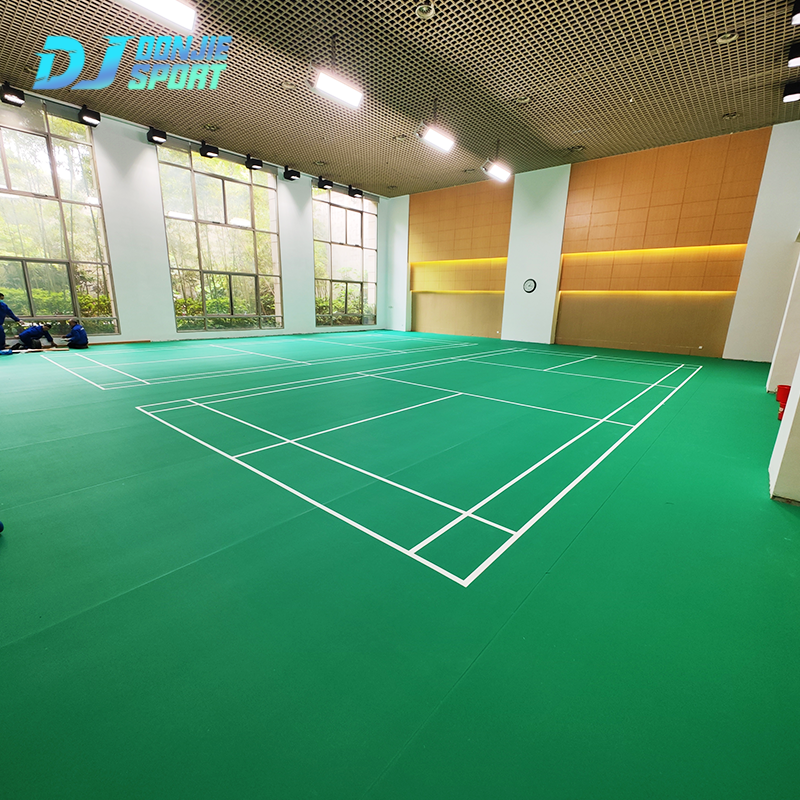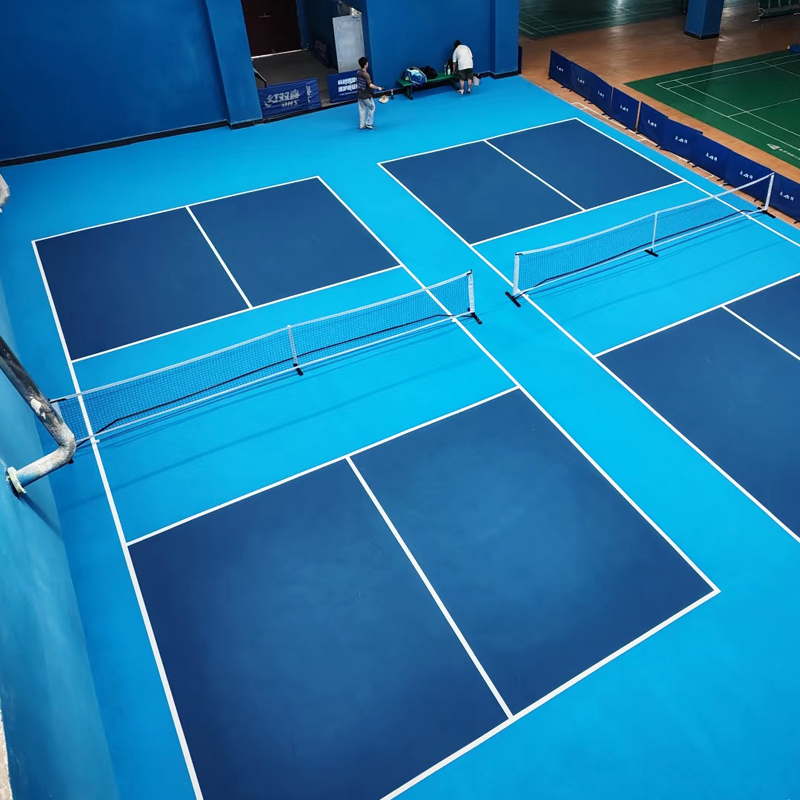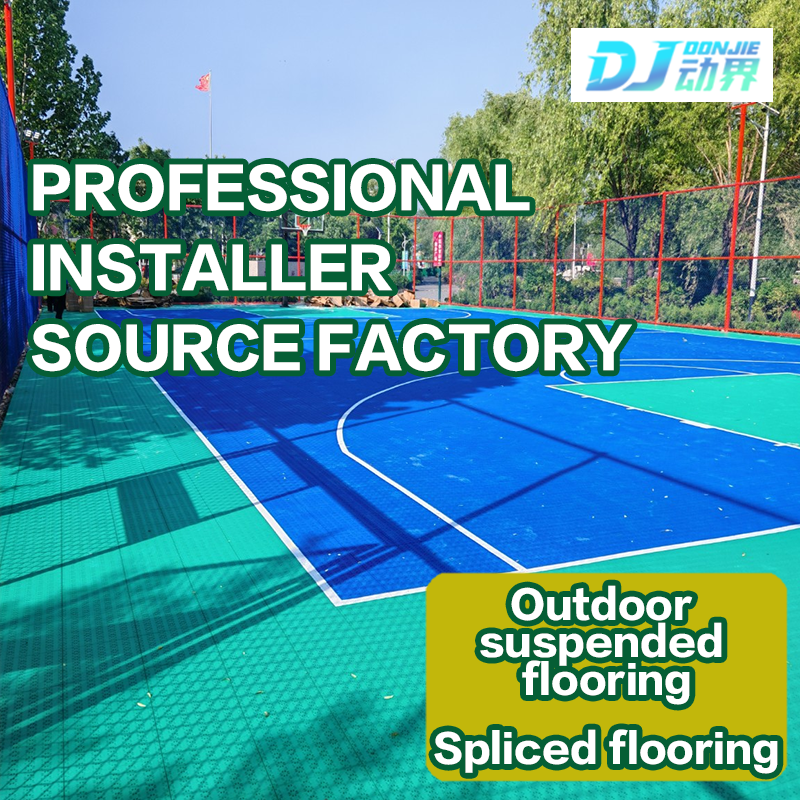
When it comes to creating a functional and durable outdoor badminton court, selecting the right flooring is crucial. The surface of the court impacts player performance, safety, and the overall lifespan of the court. Among the many options available, PVC flooring has gained popularity for its affordability, ease of installation, and resistance to the outdoor elements. In this article, we’ll explore whether PVC flooring is the best option for outdoor badminton courts, considering its benefits, drawbacks, and how it compares to other flooring materials.
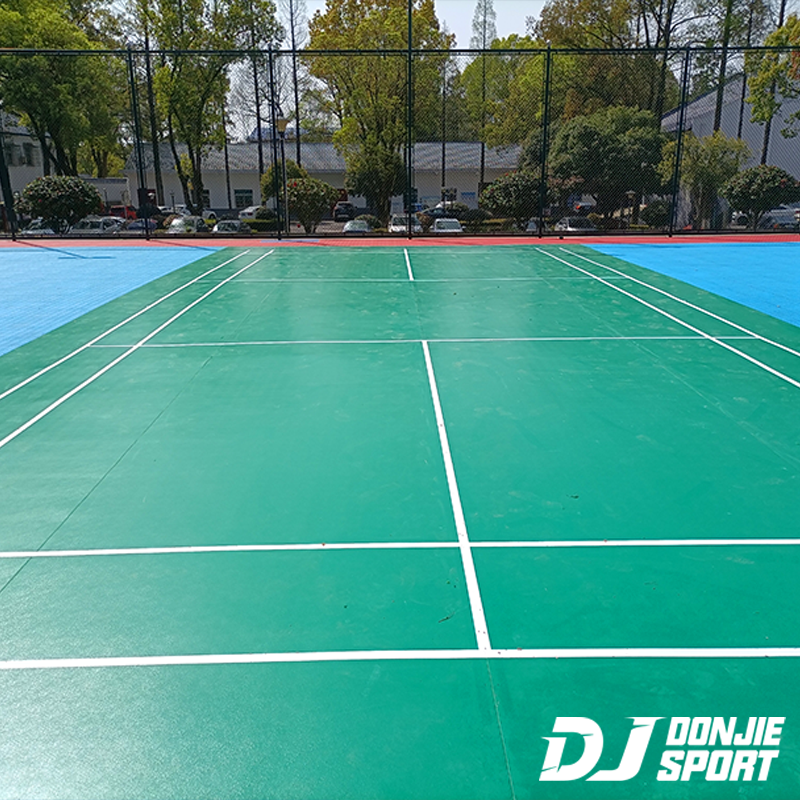
What is PVC Flooring for Outdoor Badminton Courts?
PVC flooring, short for polyvinyl chloride flooring, is a synthetic material commonly used for a wide range of flooring applications, from residential spaces to commercial and sports environments. When applied to outdoor badminton courts, PVC flooring typically comes in two main forms: interlocking tiles or continuous rolls. Both types offer a versatile and practical solution, but they come with distinct advantages depending on the layout of the court and the intended use.
-
Interlocking tiles: These tiles are designed to snap together easily, making them an excellent option for DIY installations. They can also be replaced individually if damaged, which adds to their convenience.
-
PVC rolls: These are large sheets of PVC material that can be laid down to cover the entire court surface. They offer a seamless appearance and can be installed over an existing surface for added protection.
PVC flooring is known for its versatility and can be tailored to match various design preferences, with a variety of color options available to suit aesthetic needs.
Benefits of PVC Flooring for Outdoor Badminton Courts
1. Durability and Resistance to Weather Conditions
Outdoor badminton courts are exposed to various weather conditions, from intense heat to rain and snow. PVC flooring excels in these environments, offering exceptional durability and weather resistance. The material can withstand UV exposure without fading, and it resists moisture, which prevents the growth of mold and mildew on the surface.
2. Low Maintenance and Ease of Cleaning
One of the biggest advantages of PVC flooring is its low maintenance requirements. Unlike wood or concrete, PVC does not need to be refinished or resurfaced regularly. Cleaning the court is simple; regular sweeping and occasional washing with water are typically all that’s needed to keep the surface in good condition.
3. Safety Features
Safety is a top priority in sports, and PVC flooring for outdoor badminton courts delivers in this area. PVC is often designed with anti-slip properties that help reduce the risk of injuries. The surface provides a good grip for players, even during intense movements. Additionally, PVC flooring is shock-absorbent, which can reduce the impact on players’ joints and minimize the risk of injury.
4. Aesthetic Appeal
PVC flooring is available in a wide range of colors and designs. Whether you want a traditional green court or a more customized design, PVC flooring allows for creative freedom. You can also incorporate markings and lines for the badminton court directly onto the PVC surface.
5. Cost-Effectiveness
Compared to other flooring options such as wooden or rubber courts, PVC is generally more affordable. While the initial cost of PVC flooring can vary depending on the quality and brand, it remains one of the most budget-friendly options for outdoor badminton courts. Additionally, the low maintenance costs contribute to long-term savings.
Key Considerations When Choosing PVC Flooring for Outdoor Badminton Courts
While PVC flooring offers numerous benefits, there are a few considerations to keep in mind when deciding if it’s the right option for your outdoor badminton court.
1. Climate and Weather Factors
The climate in which your court is located plays a significant role in determining the suitability of PVC flooring. Extremely hot or cold temperatures may affect the material’s flexibility and performance over time. However, high-quality PVC flooring is generally designed to be resistant to temperature fluctuations. Be sure to select PVC flooring specifically labeled for outdoor use to ensure longevity and performance.
2. Installation Challenges
Installing PVC flooring outdoors can be a straightforward process, but it requires proper preparation of the court surface. If you are installing over an existing concrete or asphalt base, make sure the surface is smooth and free of debris. Also, ensure that the area is properly leveled to avoid uneven flooring. For interlocking tiles, ensure that they are securely connected to prevent shifting over time.
3. Maintenance Needs
Although PVC flooring is low maintenance, it still requires occasional cleaning and upkeep. Ensure that the flooring is regularly swept to remove dirt and debris, and wash it periodically to remove stains and maintain its appearance. Over time, exposure to outdoor elements may cause slight wear and tear, but PVC is typically easy to repair or replace if necessary.
4. Longevity and Wear
While PVC flooring is highly durable, like any material, it will eventually show signs of wear. The surface can become scratched or dented from heavy equipment or repeated use. However, the advantage of PVC is that it is relatively easy to repair. Tiles can be replaced individually, and surface damage can often be minimized with proper care.
Comparing PVC Flooring with Other Outdoor Court Flooring Options
When considering the best option for an outdoor badminton court, it’s essential to compare PVC flooring with other materials like concrete, asphalt, and wood.
-
Concrete: Concrete is one of the most durable options but can be harsh on players’ joints. It requires extensive maintenance, including resealing and resurfacing over time, and can become slippery when wet.
-
Asphalt: Asphalt is cost-effective but also hard on players’ bodies and can crack over time due to weather conditions. It also requires regular maintenance.
-
Wooden Flooring: Wood offers excellent performance but isn’t ideal for outdoor use unless treated. It can warp or rot when exposed to moisture and requires considerable upkeep.
Compared to these options, PVC flooring stands out for its weather resistance, comfort, and ease of maintenance. It is also the most cost-effective for long-term use.
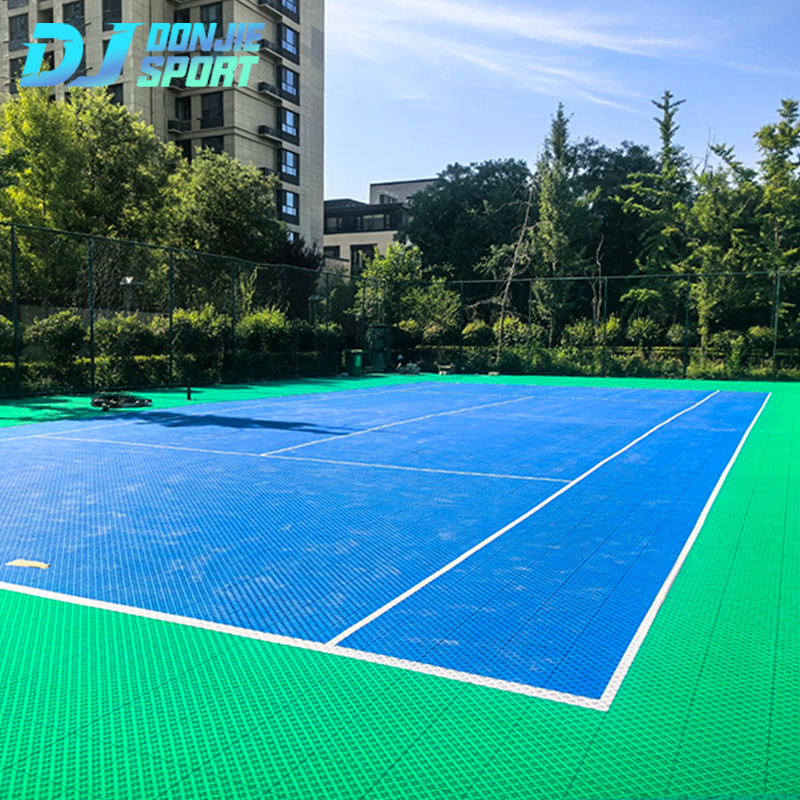
PVC Flooring Installation for Outdoor Badminton Courts
Installing PVC flooring for your outdoor badminton court is a relatively simple process, especially with interlocking tiles. Here’s a basic guide:
-
Prepare the Base: Ensure the court surface is clean, smooth, and level. If installing over an existing surface, check for any cracks or holes that need to be repaired.
-
Measure and Plan: Calculate the area to be covered and plan the layout of the tiles or rolls. Make sure to account for any adjustments needed for the edges.
-
Install the Flooring: Begin laying the tiles or rolling out the PVC material, starting from one corner of the court. Secure interlocking tiles by snapping them together, and for rolls, make sure they lie flat without any wrinkles.
-
Trim Edges: Use a utility knife to trim any excess material along the edges of the court.
Make sure to follow the manufacturer’s instructions for installation, as some PVC flooring may require additional steps or tools for optimal results.
Is PVC Flooring the Right Choice for Your Outdoor Badminton Court?
PVC flooring is an excellent choice for outdoor badminton courts in many situations. It excels in environments where weather resistance, ease of maintenance, and safety are top priorities. If you live in an area with mild to moderate weather, PVC is likely a great option. However, if you face extreme weather conditions, you may want to consider other options or consult with a flooring professional to determine the best solution.
For most recreational or even semi-professional courts, PVC flooring strikes the perfect balance between performance, safety, and affordability.
Conclusion
When selecting flooring for your outdoor badminton court, PVC flooring offers a durable, low-maintenance, and cost-effective solution. While it may not be the best option for every environment, its many benefits make it a strong contender for most outdoor courts. From its ability to withstand various weather conditions to its safety features and aesthetic appeal, PVC flooring is a reliable choice that won’t break the bank.