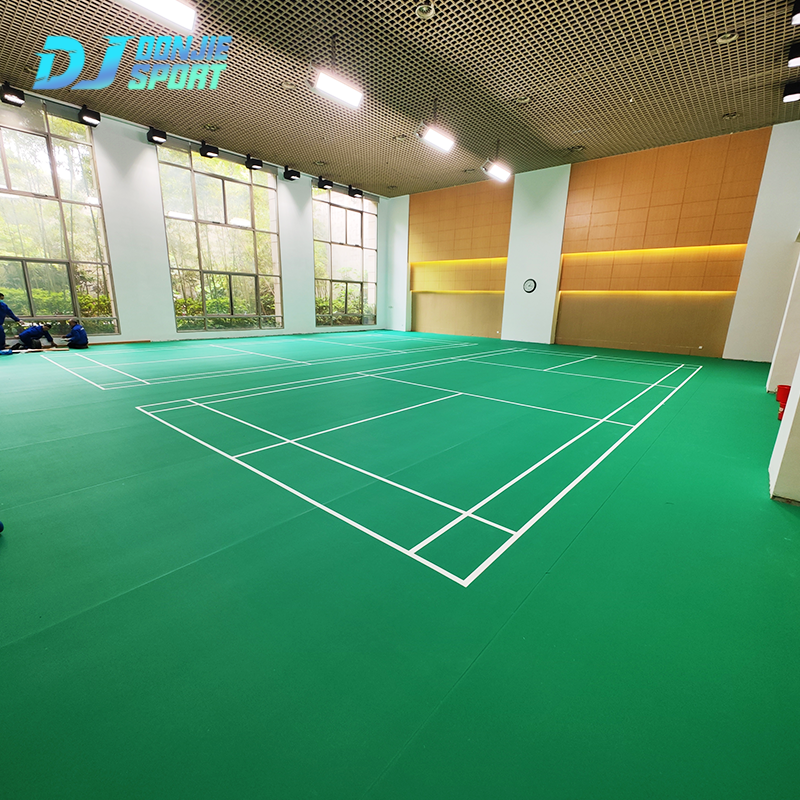
Badminton, a sport renowned for its fast-paced action and precision, requires a high-performance court surface that offers both safety and consistent play. For many years, traditional wooden and rubber surfaces have been the mainstays in badminton court design. However, as the demand for superior, long-lasting, and low-maintenance solutions increases, synthetic flooring has emerged as a modern alternative.
Synthetic flooring for badminton courts is rapidly gaining traction due to its durability, affordability, and performance-enhancing properties. Unlike traditional wood or rubber surfaces, which require frequent maintenance and can be prone to wear and tear, synthetic materials are built to withstand high levels of foot traffic, reducing the long-term costs of repairs. Additionally, synthetic flooring provides superior shock absorption, which significantly minimizes the risk of injury, making it an ideal choice for competitive athletes.
As the world of sports continues to evolve, the adoption of synthetic flooring for badminton courts appears to be a natural next step. This article will explore the reasons why synthetic flooring is becoming the future of badminton court surfaces, examining its benefits, comparisons with traditional materials, and future trends in the industry.
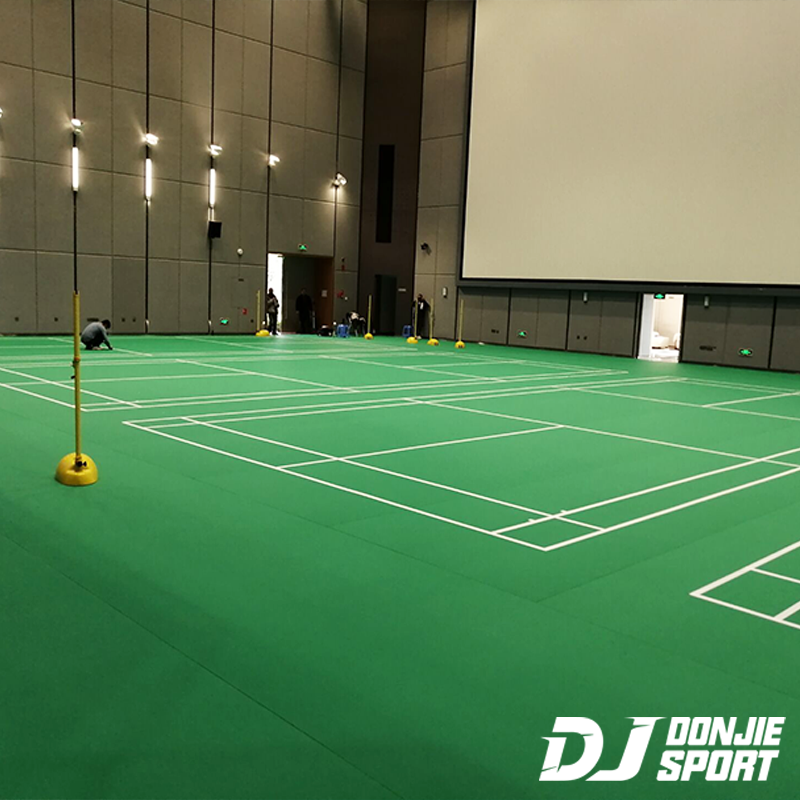
Why Synthetic Flooring is Gaining Popularity in Badminton
Synthetic flooring has become the go-to solution for badminton courts around the world, and for good reason. One of the most compelling reasons for its rise in popularity is the cost-effectiveness compared to traditional court materials. Traditional wood floors, while aesthetically pleasing, require significant investment not only in initial installation but also in ongoing maintenance. Wood surfaces need frequent sanding, refinishing, and sealing to preserve their quality, making them a costly option in the long run. On the other hand, synthetic flooring materials offer a much more affordable alternative with minimal upkeep.
Another key factor driving the popularity of synthetic flooring is its durability. Unlike wood or rubber, synthetic surfaces are resistant to wear and tear, ensuring a longer lifespan for the court. They can withstand the constant impact of fast-moving shuttlecocks and high foot traffic without losing their structural integrity. This longevity is crucial for venues that host frequent matches or events, as it reduces the need for repairs and replacements over time.
In addition to durability, synthetic flooring provides enhanced safety for players. Badminton is a high-intensity sport that requires quick movements, pivots, and sudden stops. Synthetic flooring materials are designed with shock-absorbing qualities, reducing the strain on players’ joints and minimizing the risk of injuries. The consistency of the surface allows for improved grip, ensuring that players can move swiftly without worrying about slipping. This focus on player safety is one of the primary reasons synthetic flooring has become a preferred option in professional badminton venues.
Advantages of Synthetic Flooring for Badminton Courts
One of the standout advantages of synthetic flooring is its ability to optimize performance. Unlike traditional wood surfaces that can often be unpredictable, synthetic flooring provides a consistent bounce and surface texture, which directly impacts the speed and accuracy of the game. Badminton players rely on rapid reflexes, precise footwork, and agility, all of which are enhanced by a flooring that offers stability and reliable traction.
Beyond performance, synthetic flooring also brings significant aesthetic advantages to badminton courts. Modern synthetic flooring options come in a wide range of colors, textures, and designs, allowing venues to customize their courts to match their branding or create visually appealing spaces for athletes and spectators alike. Whether it’s a vibrant court with custom logos or a more subdued design, synthetic materials offer versatility and style.
Additionally, the environmental benefits of synthetic flooring cannot be overlooked. Many synthetic flooring options are made from eco-friendly materials, such as recycled plastics or sustainable resins, making them a greener alternative to traditional wood or rubber surfaces. As sustainability becomes a key consideration in construction and sports venue design, synthetic flooring is well-positioned to meet both functional and environmental demands.
How Synthetic Flooring Compares to Traditional Wood or Rubber Court Surfaces
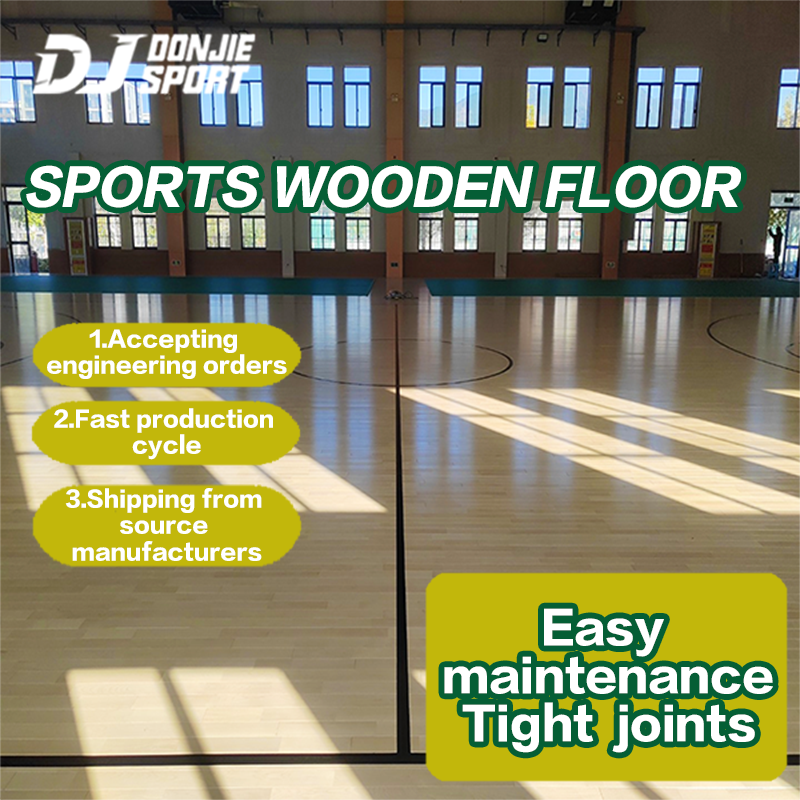
When comparing synthetic flooring to traditional wood or rubber surfaces, it’s clear that synthetic materials have distinct advantages in several areas. Durability is one of the most significant factors. Wooden floors, while luxurious, require a lot of maintenance to maintain their smoothness and stability. Exposure to moisture, temperature fluctuations, and constant wear from play can cause warping and damage. Synthetic flooring, on the other hand, is highly resistant to moisture and temperature changes, making it much more reliable in various conditions.
Maintenance costs also differ greatly. Wood floors need to be refinished regularly, which can be both time-consuming and expensive. Synthetic floors require far less upkeep—sweeping and occasional cleaning are typically sufficient to keep them in top condition. Rubber surfaces, while offering good cushioning, tend to wear out more quickly and may require more frequent replacements or repairs.
In terms of player experience, synthetic flooring provides a more consistent playing surface. It doesn’t warp or suffer from unevenness, which can sometimes be an issue with wooden floors. This consistency translates to a better overall experience for players, as the bounce of the shuttlecock and the grip of the court remain predictable throughout the game. For competitive athletes, this level of reliability can make all the difference.
Choosing the Right Synthetic Flooring for Your Badminton Court
Selecting the right synthetic flooring for a badminton court involves considering several factors, including durability, performance, cost, and aesthetics. When choosing a synthetic material, it’s important to look for options that offer optimal traction, shock absorption, and consistency in bounce. Flooring materials like PVC, polyurethane, or rubber-based options are popular choices for badminton courts, each offering different benefits depending on the venue’s needs.
For instance, PVC-based synthetic floors are known for their affordability, ease of maintenance, and excellent shock-absorbing qualities, making them ideal for both recreational and professional badminton courts. Polyurethane flooring, on the other hand, is more resilient and often chosen for high-traffic sports venues where durability is paramount. Rubber flooring is another popular option, offering superior grip and cushioning, though it may not be as long-lasting as some of the other synthetic materials.
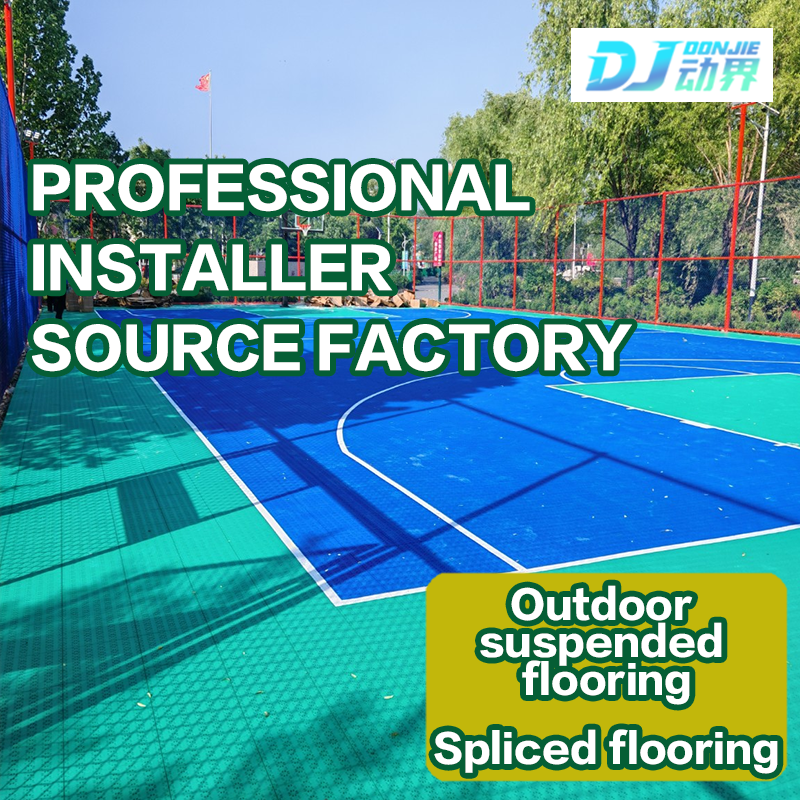
The installation process for synthetic flooring is relatively straightforward compared to traditional wooden floors. Many synthetic flooring options come in interlocking tiles or rolls, which can be easily laid down without the need for extensive labor. The ability to install synthetic floors with minimal disruption makes them a great choice for venues that want to minimize downtime.
Future Trends in Synthetic Flooring for Badminton Courts
As technology continues to advance, so too does the potential of synthetic flooring. One exciting trend is the integration of smart flooring systems, where sensors are embedded into the surface to track player movements and performance. These systems could provide valuable insights for coaches and athletes, allowing them to optimize their training routines and track their progress in real time.
Additionally, innovations in materials science are likely to lead to even more advanced synthetic flooring options in the future. New, more durable, and sustainable materials are being developed that could further improve the performance and environmental impact of synthetic court surfaces. These advancements will continue to shape the way badminton courts are designed and maintained, making synthetic flooring an even more attractive option for the future.
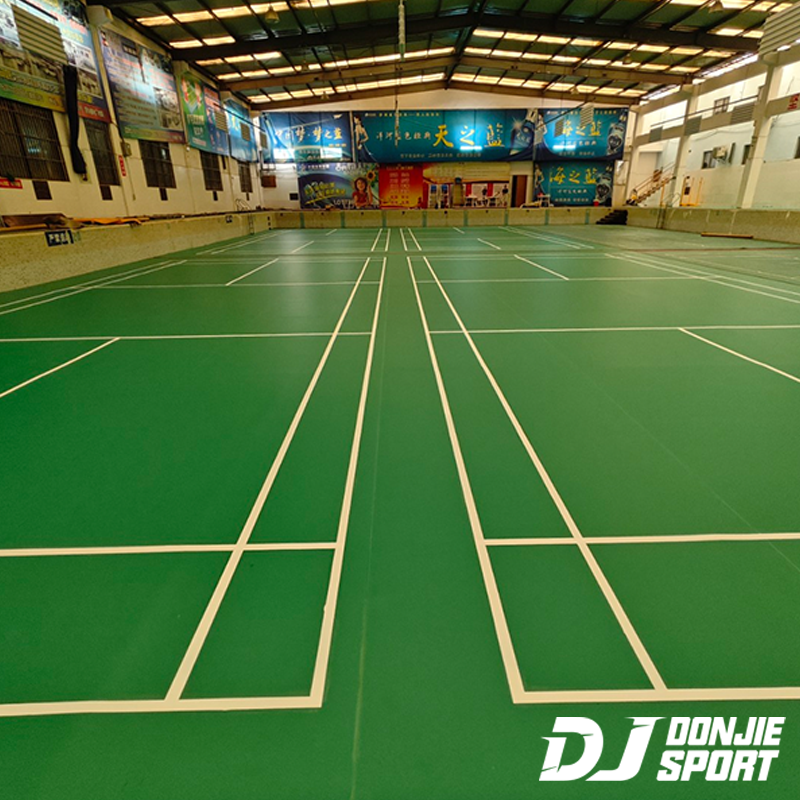
Why Synthetic Flooring is the Future of Badminton Court Surfaces
The future of badminton court surfaces is undeniably leaning towards synthetic flooring. With its impressive durability, performance benefits, low maintenance, and cost-effectiveness, synthetic flooring offers a solution that meets the needs of both athletes and venue owners. As the demand for sustainable, high-performance surfaces grows, synthetic flooring is poised to play an even more prominent role in the world of badminton.
By providing a safer, more reliable, and customizable playing environment, synthetic flooring is not only improving the overall player experience but also reshaping the way badminton courts are built and maintained for years to come.