When it comes to setting up a dance studio, choosing the right flooring is one of the most critical decisions. Ballet flooring plays a pivotal role in enhancing a dancer’s performance while also safeguarding their physical well-being. The right ballet flooring provides a stable surface, reduces injury risk, and offers the necessary grip and shock absorption for various movements.
This article will guide you through the essential considerations for installing ballet flooring in your dance studio, from selecting the best materials to understanding the installation process and maintenance requirements. Whether you are opening a new studio or upgrading your current space, making an informed choice about ballet flooring will set the foundation for the success of your dancers.

Understanding the Specific Needs of Ballet Flooring
Ballet is a physically demanding art form that requires precision, strength, and control. The flooring used in a ballet studio plays a vital role in supporting these needs. Unlike other dance styles, ballet involves intricate footwork, jumps, and movements that demand specific features from the flooring. The two main characteristics required are shock absorption and proper grip.
Shock Absorption
Ballet dancers are constantly jumping, turning, and landing on the floor, which can place significant stress on their joints, especially the knees, hips, and ankles. Flooring that provides sufficient shock absorption is crucial to prevent overuse injuries. A floor with appropriate cushioning helps to reduce the impact from jumps, offering a safer environment for dancers to practice and perform.
Grip
Ballet flooring must offer the right amount of grip to ensure that dancers can maintain balance and control without slipping. However, too much grip can hinder certain movements, such as pirouettes or fouetté turns, which require smooth, controlled sliding. The ideal ballet floor should provide a balance between grip and glide, ensuring that dancers can execute their movements with precision while avoiding unnecessary strain.
Types of Ballet Flooring Materials
There are several materials commonly used for ballet floors, each with its unique benefits and limitations. The right choice will depend on factors such as budget, studio size, and the specific needs of the dancers.
Hardwood Floors
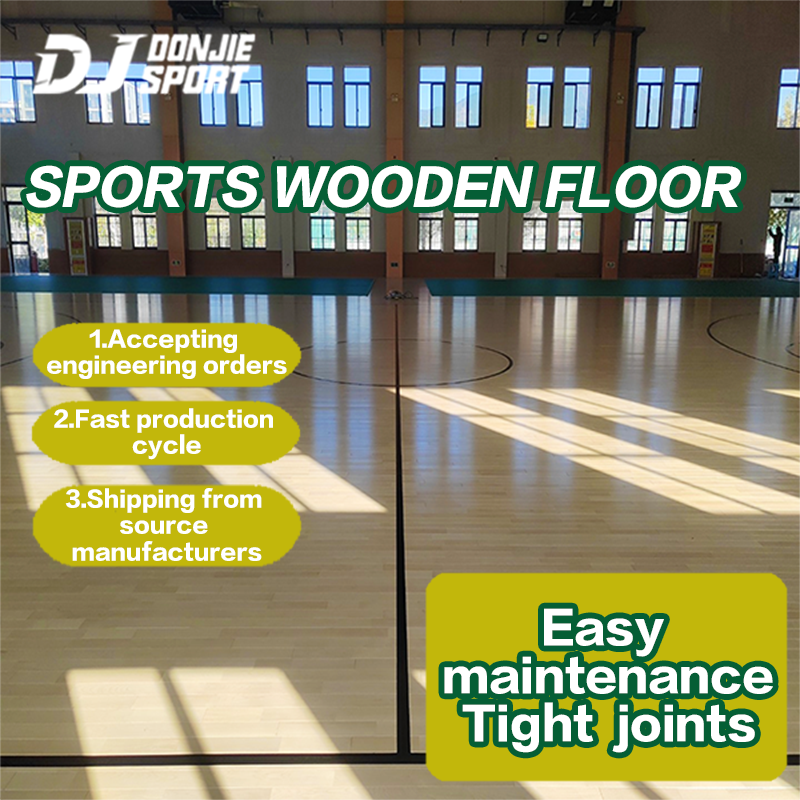
Hardwood floors, such as maple, are a classic choice for ballet studios due to their durability, aesthetic appeal, and traditional feel. They are also known for offering a reasonable amount of grip and cushioning when paired with a proper subfloor system. However, they require regular maintenance to prevent wear and tear from the demands of ballet practice.
Vinyl Floors
Vinyl is another popular option, particularly for those seeking an affordable yet functional solution. It provides a smooth surface for gliding and is easier to clean than hardwood. Many vinyl ballet floors are designed with cushioning properties, making them an excellent choice for reducing impact on joints. While vinyl is cost-effective, it may not offer the same level of traditional feel or aesthetic as hardwood.
Sprung Floors
A sprung floor is the ideal choice for professional ballet studios. This type of floor incorporates a system of wooden or foam layers beneath the surface to provide extra shock absorption. Sprung floors help reduce the risk of injury while offering superior comfort for dancers. While they tend to be more expensive, they are considered a long-term investment that enhances safety and performance.
The Role of a Sprung Subfloor System
One of the most crucial aspects of ballet flooring is the sprung subfloor system. A sprung floor consists of a layer of shock-absorbing material placed beneath the top layer of the flooring. This system ensures that the floor provides optimal cushioning, which helps to absorb the impact of repetitive jumping, landing, and pivoting. The sprung subfloor works in tandem with the top flooring material to protect the dancer’s joints and enhance overall performance.
Benefits of a Sprung Subfloor
-
Enhanced Shock Absorption: The sprung system helps reduce the impact on joints by providing cushioning during high-impact movements.
-
Stability: It helps prevent the floor from becoming too soft, maintaining the stability required for intricate ballet movements.
-
Longevity: A well-installed sprung subfloor system can extend the lifespan of both the top layer flooring and the studio’s overall integrity.
When installing ballet flooring, it’s essential to ensure that the subfloor system is properly designed and installed, as this can significantly impact dancer safety and performance.
Installation Process: Professional vs. DIY
The installation of ballet flooring is a technical process that should ideally be left to professionals. A proper installation ensures that the floor’s performance characteristics, such as shock absorption, grip, and durability, are optimized.
Professional Installation
Professional installers have the expertise to ensure that the flooring and subfloor systems are installed according to industry standards. They will also be able to account for factors such as the room’s acoustics, the studio’s traffic flow, and the correct spacing for the sprung floor system. Although professional installation may come at a higher cost, it ensures that your ballet flooring is set up correctly and will function as intended.
DIY Installation
While DIY installation may seem like a cost-saving option, it comes with its risks. Incorrect installation can lead to problems such as uneven surfaces, inadequate cushioning, or improper fitting of the subfloor system. Additionally, without proper training, it may be difficult to ensure the floor maintains the required levels of shock absorption and grip. For these reasons, it’s generally recommended to opt for professional installation to avoid compromising the safety and performance of your ballet flooring.
Maintenance and Longevity of Ballet Flooring
Once your ballet flooring is installed, maintaining it properly is essential for ensuring its longevity and performance. Regular care will prevent wear and tear, help preserve the cushioning effect, and keep the floor safe and functional for dancers.
Cleaning and Care
-
Daily Cleaning: Sweep or vacuum the floor daily to remove dirt, dust, and debris that could scratch or damage the surface.
-
Monthly Maintenance: Use a soft cloth and a mild floor cleaner to wipe down the surface. Avoid using harsh chemicals that can degrade the flooring material.
-
Periodical Inspection: Check for any signs of damage or wear, such as loose seams, chips, or discoloration. Promptly addressing these issues will prevent further damage and maintain the floor’s functionality.
Long-Term Care
Ballet flooring, particularly hardwood, will need periodic refinishing to maintain its aesthetic appeal and performance qualities. Vinyl floors should be resealed when needed, while sprung systems should be inspected to ensure that the cushioning layers are intact and functioning correctly.
Cost Considerations for Ballet Flooring Installation
When budgeting for ballet flooring, several factors come into play. The cost of installation depends on the material choice, studio size, and whether professional installation is chosen.
Material Costs
Hardwood flooring tends to be more expensive than vinyl, but it offers a traditional look and feel that many dancers prefer. Sprung floors are the most expensive option but are ideal for professional ballet studios due to their enhanced shock absorption and comfort.
Installation and Maintenance Costs
While professional installation adds to the upfront cost, it is a worthwhile investment for ensuring the flooring’s long-term durability and functionality. Ongoing maintenance costs will vary based on the type of flooring but are generally more manageable than the initial installation costs.
Conclusion
Choosing the right ballet flooring for your dance studio is a critical investment in both the safety and performance of your dancers. The right flooring provides optimal shock absorption, grip, and cushioning, while also enhancing the studio’s overall functionality. By considering the materials, installation options, and maintenance needs, you can ensure that your ballet flooring remains in top condition for years to come. With careful planning, you’ll create a safe, supportive, and aesthetically pleasing environment for dancers to thrive in.