
Selecting the ideal flooring for your dance studio is crucial to both the safety and success of your dancers. Dance studio flooring not only influences the overall aesthetic of the space but also plays a critical role in ensuring dancer safety, supporting performance, and minimizing injury risk. When investing in flooring for a dance studio, it is important to make a decision that supports the dancers’ movements while also considering the durability, comfort, and visual appeal of the space.
In this article, we will explore key factors to consider when choosing your dance studio flooring, from the types of materials available to the safety, performance, and maintenance needs of the floors. We’ll also discuss budgeting and how you can make the best choice for your specific studio needs. Let’s dive in and explore how to choose the right flooring for your dance studio!

Understanding the Types of Dance Studio Flooring:
When choosing the right flooring for your dance studio, it’s essential to understand the different types of flooring available. Each material offers its own advantages and is suited to specific dance styles and studio needs.
-
Hardwood Floors:
Hardwood flooring has long been a favorite for many dance studios, particularly for ballet and ballroom dancing. Its smooth surface provides excellent traction and a classic aesthetic. Hardwood floors also offer a natural look that can fit a variety of studio designs. However, they require regular maintenance, including refinishing and sealing, to maintain their condition. They may not offer the best shock absorption, so additional underlayment may be necessary to protect dancers’ joints. -
Vinyl and Linoleum:
Vinyl and linoleum floors are durable, easy to maintain, and cost-effective. These floors come in a wide variety of colors and designs, offering flexibility for studio aesthetics. Vinyl is particularly popular because it is slip-resistant, making it safer for dancers. Linoleum, while eco-friendly, may need additional padding underneath for shock absorption, but it is a great budget-friendly option that still provides good performance for many dance styles. -
Marley Floors:
Marley flooring is a type of vinyl dance floor specifically designed for professional dance use. It is widely preferred in studios for contemporary, jazz, hip-hop, and other modern styles of dance. Marley floors provide excellent slip resistance and allow for smooth gliding, making it easier for dancers to perform spins and slides. It’s important to choose the right kind of Marley floor based on the style of dance being performed. This flooring requires less maintenance than hardwood and is easier to install and replace. -
Foam and Rubber Flooring:
Foam and rubber floors are highly valued for their shock-absorbing properties. These are particularly beneficial for styles like hip-hop, breakdancing, and tap, where the impact on joints and the floor is greater. They provide excellent comfort and support but may not offer the same level of traction or aesthetics as other flooring options. Rubber flooring, in particular, is easy to clean and very durable, but it can be slippery for certain styles of dance, which may require additional treatment or coatings.
Safety Considerations for Dance Studio Flooring:
The safety of your dancers should be a top priority when selecting flooring for your studio. Here are some key safety factors to keep in mind:
-
Slip Resistance:
A good dance floor should provide enough grip to prevent slipping. A surface that is too slippery can increase the risk of falls, while one that is too sticky can restrict movement. Flooring options like vinyl and Marley floors are engineered to provide the right amount of slip resistance for most dance styles. Be sure to consider the type of dance that will be performed most frequently in your studio when choosing the level of slip resistance. -
Shock Absorption:
A floor with adequate shock absorption is essential for protecting dancers from the strain that comes from repetitive movements, especially in styles like ballet, modern, or tap. Floors like foam or rubber provide excellent cushioning, while hardwood may require additional underlayment for shock absorption. The goal is to reduce the impact on joints, thus minimizing the risk of injuries like stress fractures or sprains. -
Traction vs. Slide:
Finding the perfect balance between traction and slide is crucial. Dancers need enough traction to maintain control, but they also need the ability to slide smoothly when performing turns or jumps. Marley flooring is a great example of a surface that offers this balance, as it allows for smooth movements without sacrificing safety. It’s important to test the flooring to ensure it provides a supportive yet flexible surface for all types of movements.
Durability and Maintenance of Dance Studio Flooring:
Durability is another significant factor to consider when selecting dance studio flooring. Floors are subject to heavy foot traffic, rigorous dance movements, and environmental conditions. Here are some considerations:
-
Longevity of Flooring Materials:
Some flooring materials, such as hardwood, can last for decades with proper care and maintenance. However, materials like vinyl or rubber may need to be replaced more frequently depending on the level of use. Consider the expected lifespan of your flooring before making an investment, as choosing a low-quality floor could lead to higher long-term costs. -
Maintenance Needs:
Each flooring material comes with its own maintenance requirements. Hardwood floors, for instance, require periodic refinishing and may need to be cleaned with specific products to avoid damage. Vinyl and linoleum floors are generally low-maintenance but still require regular cleaning to avoid dirt buildup. Marley floors need to be kept clean to preserve their slip-resistance, and rubber floors should be swept or vacuumed frequently to prevent dirt from compromising their performance. -
Cost of Maintenance and Repair:
While the initial cost of flooring is essential, it’s equally important to consider the long-term maintenance and repair costs. Some floors, like vinyl or rubber, are easier and cheaper to maintain compared to hardwood, which may require periodic refinishing. Consider the type of dance styles practiced in your studio when estimating future repair costs.
Comfort and Performance Benefits:
The right flooring will not only protect your dancers but also enhance their performance. Dance is an art that relies on the connection between the dancer and the floor. Comfort and performance support should go hand-in-hand in creating an ideal environment for training and performances.
-
Impact on Dance Technique:
Different dance styles have varying flooring needs. Ballet, for instance, requires a smooth, firm surface that provides stability for pirouettes and jumps. In contrast, hip-hop dancers may prefer a cushioned surface that provides greater shock absorption for high-impact movements. Choosing a floor that supports each style’s specific needs is essential for optimal performance. -
Balancing Comfort and Performance:
While comfort is critical, it should not come at the expense of performance. Floors that are too soft may hinder fast movements or spins, while hard floors may not offer enough cushioning. It’s important to choose a flooring material that provides a good balance, like Marley flooring or vinyl, to support long training sessions while still allowing for agile, precise movements.
Budgeting for Dance Studio Flooring:
When planning your studio’s flooring, budget is a key consideration. There are many high-quality options available, but the cost can vary significantly based on the material and the installation process.
-
Cost of Materials:
Vinyl and linoleum floors are typically more affordable than hardwood or Marley floors, making them a good choice for studio owners on a budget. However, it’s important to balance initial cost with long-term performance and maintenance. While more expensive materials may have higher upfront costs, they may save you money in repairs and replacements over time. -
Long-Term Maintenance Costs:
When budgeting, consider not just the cost of installation but the long-term maintenance expenses as well. Some floors, like hardwood, may need to be refinished periodically, which can add to the cost. Others, like rubber or vinyl, may require less frequent maintenance, but they may have a shorter lifespan. -
Quality vs. Budget:
While it can be tempting to go with the cheapest option, investing in high-quality flooring is usually a better long-term decision. Floors that are designed specifically for dance will ensure greater dancer safety, better performance, and longer durability. Remember that your studio’s flooring is an investment in your dancers’ success.
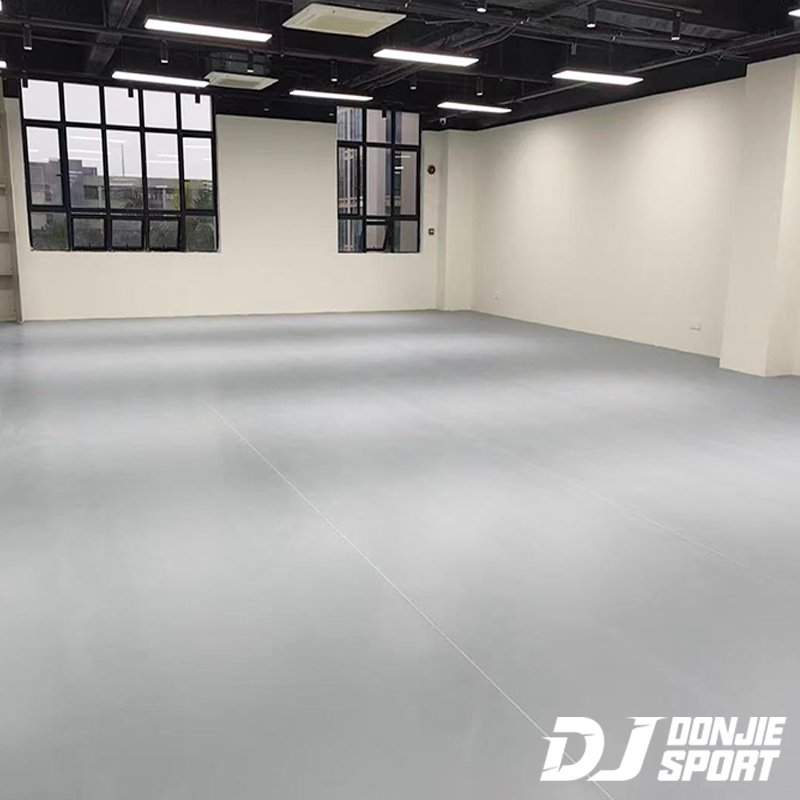
Aesthetic Appeal: Choosing the Right Look for Your Studio:
Flooring doesn’t just affect performance; it also plays a major role in the studio’s overall ambiance. Aesthetics are important, as a well-designed space can motivate dancers and create an inviting atmosphere for both students and instructors.
-
Color and Design Options:
Many flooring materials come in a range of colors and patterns. From classic wood finishes to more modern vinyl designs, the color and pattern you choose can influence the look and feel of your studio. Consider how your flooring will complement your studio’s walls, mirrors, and other elements. Choose a color that feels energizing and motivating for your dancers. -
Studio Ambiance:
The visual appeal of your studio can affect the energy in the space. A clean, well-designed floor can help create an inspiring environment, promoting a sense of professionalism and excellence.
Environmental Impact and Sustainability:
For those who are environmentally conscious, sustainability is becoming an increasingly important factor in flooring decisions. Many flooring companies now offer eco-friendly options made from renewable or recycled materials.
-
Eco-Friendly Options:
Materials such as cork, bamboo, and certain types of vinyl are considered more eco-friendly than traditional hardwood. Choosing sustainable flooring options helps reduce your carbon footprint and supports the health of the environment. -
Recyclable Materials:
Look for flooring materials that are recyclable or made from recycled content. This can reduce waste and ensure that your flooring doesn’t contribute to environmental degradation when it needs to be replaced.
Conclusion:
Choosing the right dance studio flooring involves more than just selecting a material that looks good—it requires careful consideration of the performance, safety, durability, and comfort needs of your dancers. From hardwood and vinyl to Marley and rubber floors, each flooring type offers unique advantages. By understanding the importance of these factors, you can make an informed decision that supports both your dancers’ well-being and the success of your studio.
Investing in the right flooring will create a safer, more comfortable, and aesthetically pleasing environment for your dancers, helping them to perform their best. Whether you’re building a new studio or upgrading an existing one, selecting the best flooring is key to creating the ideal space for growth and creativity.



