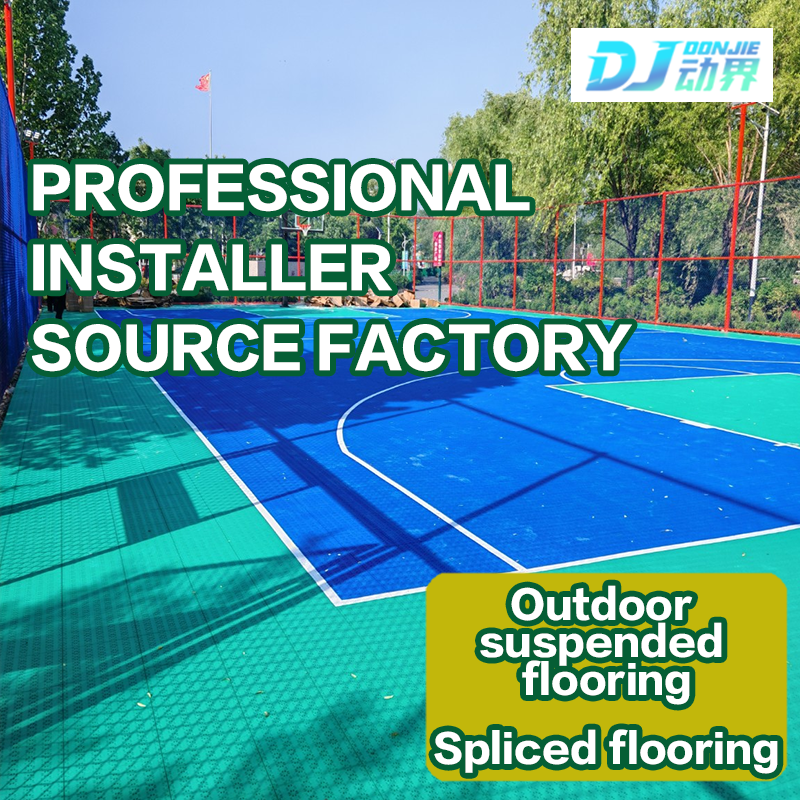
Outdoor basketball courts are exposed to the elements more than any indoor courts, which makes proper maintenance essential for their longevity. The right flooring can make a world of difference not only in the performance of the game but also in the lifespan of the court itself. Whether you’re managing a professional arena or setting up a home court, understanding how to maintain outdoor basketball court flooring is key. In this guide, we’ll explore the essential tips to keep your outdoor basketball court flooring in top condition, so it can withstand the test of time and continue to deliver an exceptional playing experience.

Selecting Durable Materials for Outdoor Basketball Court Flooring
When it comes to outdoor basketball court flooring, durability is key. The flooring material you choose will significantly impact its ability to endure harsh weather, heavy foot traffic, and daily wear and tear.
There are several options for outdoor basketball court flooring, each with its unique benefits:
-
PVC Flooring: Known for its durability and versatility, PVC flooring is a popular choice for both residential and commercial courts. It’s resistant to UV rays, moisture, and chemicals, making it an ideal option for outdoor environments. PVC is also relatively low-maintenance, which contributes to its long lifespan.
-
Rubber Flooring: Rubber is shock-absorbent and can reduce the impact on players’ joints, making it a preferred choice for courts designed for high-intensity play. It also provides good traction, which can prevent injuries. However, rubber floors can wear down faster if exposed to extreme weather conditions without proper maintenance.
-
Acrylic Flooring: Acrylic surfaces are often used for professional basketball courts due to their smooth and even texture. Acrylic is designed to withstand outdoor conditions and offers excellent performance. However, it does require regular maintenance and can be more vulnerable to fading due to UV exposure.
Choosing the right material depends on factors such as climate, frequency of use, and budget. Always prioritize materials that offer resistance to UV rays, moisture, and heavy impact to ensure your court stands the test of time.
Proper Installation for Longevity
Proper installation is the foundation of a long-lasting outdoor basketball court. Even the best flooring materials can degrade quickly if not installed correctly. One of the most crucial aspects of installation is ensuring that the court is level and properly drained.
-
Professional Installation: While DIY installation might seem appealing, professional installation ensures that the court is set up according to industry standards. Professionals can account for the terrain, layout, and any potential drainage issues, preventing problems that could arise later.
-
Proper Drainage: Proper drainage is critical to prevent water from pooling on the surface, which can lead to cracks, warping, and mold growth. Ensure that the ground beneath the flooring is properly graded so that water flows off the court, minimizing the risk of damage.
-
Correct Adhesion and Sealing: Flooring must be securely attached to prevent shifting, which could cause unevenness and wear. Sealing the surface can help protect it from moisture infiltration and the effects of the elements, contributing to its longevity.
Regular Maintenance Practices for Outdoor Basketball Court Flooring
Maintaining your outdoor basketball court flooring regularly is essential for preserving its quality and ensuring it remains safe to play on. Here are some routine practices that can help extend the life of your court:
-
Cleaning Routines: Dust, dirt, and debris can accumulate on the surface of your court, leading to grime buildup that can damage the flooring. Regular cleaning is necessary to prevent this. Use a broom or leaf blower to remove debris and rinse the court with a hose when needed. Be sure to avoid using harsh chemicals, as they can damage the flooring material.
-
Inspect for Damage: Frequent inspections are essential for identifying any signs of damage, such as cracks, loose tiles, or fading. Catching these issues early will allow for quick repairs and prevent further damage.
-
Sealing and Protective Coatings: Apply a protective coating or sealant periodically to shield the surface from UV rays, moisture, and dirt. This extra layer of protection can help prevent fading and deterioration, ensuring that your flooring stays vibrant and functional for years.
Protecting Your Outdoor Court from Weather Elements
One of the most significant challenges for outdoor basketball courts is exposure to the elements. Rain, snow, and intense sunlight can quickly cause flooring materials to degrade if not properly protected.
-
Effects of Rain and Snow: Water can seep into cracks and joints, leading to swelling, mold growth, or further damage. After heavy rain or snow, make sure to clear any standing water as soon as possible. Use a cover or tarp to protect the court during storms to minimize exposure to moisture.
-
UV Exposure: Over time, direct sunlight can cause the flooring to fade or weaken. UV-resistant coatings can help protect the surface from harmful rays, preserving its color and integrity.
-
Seasonal Care: During the offseason, consider using protective coverings to shield the court from the harsh elements. Also, cleaning off leaves and debris that accumulate during the fall can prevent long-term damage caused by decaying organic matter.
How Usage Impacts the Lifespan of Your Flooring
The frequency of use can have a significant impact on how long your outdoor basketball court flooring lasts. Courts that see heavy traffic, such as those in schools or sports facilities, are more prone to wear and tear. Here’s how usage affects your flooring:
-
Heavy Foot Traffic: Constant use can cause the surface to deteriorate faster, especially if players drag dirt and debris onto the court. Implementing a strict “no outdoor shoes” policy and encouraging players to clean their shoes before entering the court can help reduce this impact.
-
Intense Game Play: The more aggressive the play, the more strain it puts on the flooring. For high-intensity games, consider investing in additional shock-absorbing flooring or protective coatings that can absorb impacts and prevent premature wear.
-
Rest Periods: It’s essential to allow the court some downtime during periods of high usage. If the court is used every day, it’s worth considering an alternative space or limiting playtime to prevent continuous stress on the surface.
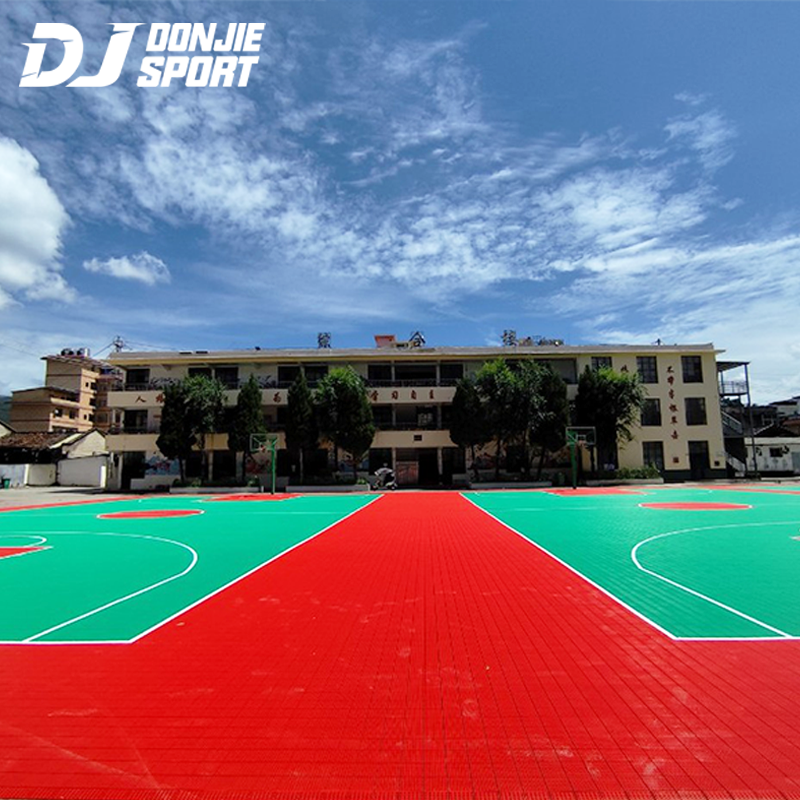
Replacing Flooring: When to Know It’s Time
Even with the best maintenance, there comes a time when replacing the flooring is necessary. Recognizing the signs early can save you from further damage and costly repairs down the line.
-
Visible Cracks and Warping: Cracks that cannot be sealed or warped flooring that cannot be leveled may indicate that the court is no longer safe to use. At this point, replacing sections of the flooring or the entire court may be necessary.
-
Faded or Discolored Surface: If the color has faded due to sun exposure or the court surface becomes slippery, it may be time for an upgrade. Even though it’s an aesthetic concern, fading can also indicate the degradation of the surface material.
-
Uneven Playing Surface: If the flooring becomes too uneven or damaged to provide a smooth playing experience, it will not only affect performance but could lead to injuries. Replacing damaged sections or resurfacing the court will ensure that players remain safe.
Conclusion
Maintaining outdoor basketball court flooring doesn’t have to be a daunting task. By selecting durable materials, ensuring proper installation, committing to regular maintenance, and protecting the court from weather elements, you can extend the life of your flooring and enjoy countless games for years to come. With these expert tips in mind, your outdoor basketball court will remain a high-performance space for all to enjoy.