When it comes to designing a top-tier volleyball court, the flooring material you choose plays a pivotal role in shaping the overall experience. Not only does it affect how the game is played, but it also directly influences player safety and performance. Whether you’re building a new court or renovating an existing one, understanding the different flooring options available is crucial to maximizing both functionality and safety. In this article, we will explore the key considerations when selecting the right volleyball court flooring material and how each choice impacts the game. From enhancing game speed to minimizing the risk of injuries, the flooring you select can make a world of difference.
Understanding Volleyball Court Flooring Needs
The selection of volleyball court flooring is not a one-size-fits-all decision. It requires a comprehensive understanding of several key factors that influence both performance and safety. Whether you’re designing a court for professional use or for recreational purposes, the flooring material will affect several aspects of the game. These factors include traction, bounce consistency, shock absorption, and player comfort, all of which contribute to enhancing the overall volleyball experience.
Choosing the right flooring is also essential for preventing injuries. Flooring that doesn’t provide adequate cushioning or stability can result in joint strain, slips, or even long-term damage for players. Moreover, a court with proper traction allows athletes to execute quick movements without worrying about slipping, enhancing their ability to perform at their best.
Key Factors to Consider When Selecting Flooring:
-
Player Performance: The right flooring supports agile movements and helps athletes reach their full potential.
-
Safety: Flooring should absorb shock effectively to reduce the risk of injuries.
-
Durability: High-quality flooring materials last longer, saving you money on replacements and repairs.
-
Maintenance: Consider how easy the flooring is to maintain to ensure consistent performance.
Types of Volleyball Court Flooring Materials
Choosing the right type of flooring material is crucial to achieving optimal court performance. Here’s a look at some of the most popular options:
Wood Flooring: Traditional Choice for Indoor Courts
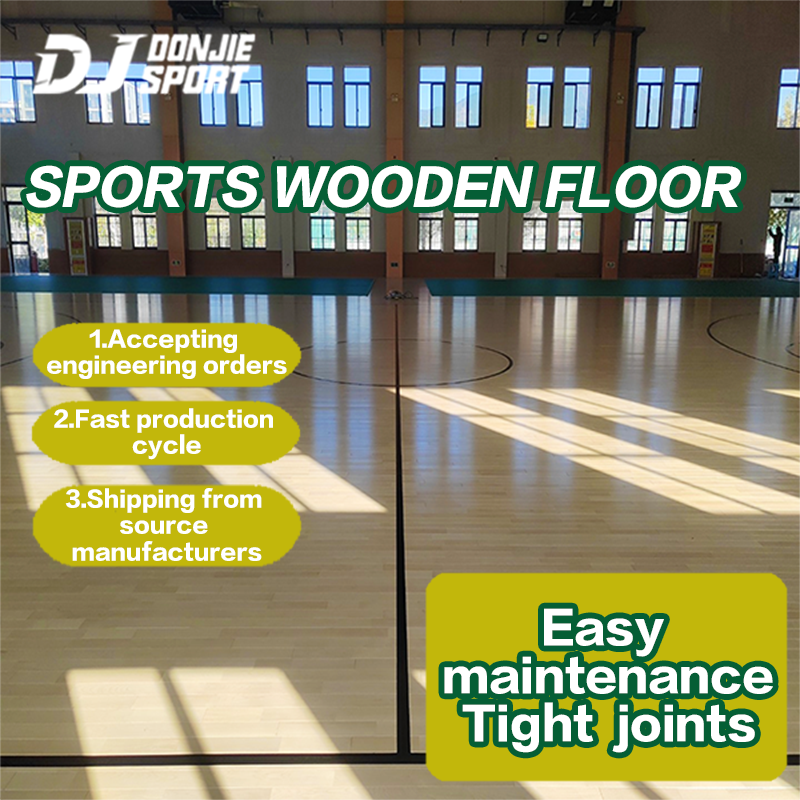
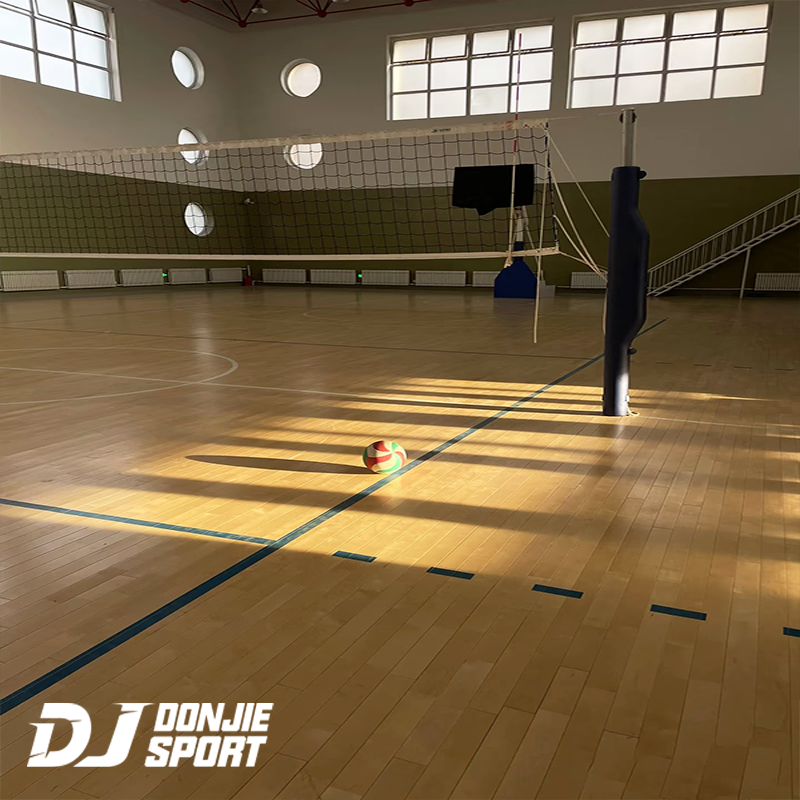
Wood has long been the go-to material for indoor volleyball courts, particularly in professional settings. Known for its aesthetic appeal and excellent performance, wood flooring is both durable and easy on players’ joints. Hardwood floors, typically made from maple, provide excellent shock absorption and a consistent bounce for the ball.
-
Pros: Classic look, excellent player traction, superior bounce, and durability.
-
Cons: Requires regular maintenance and can be costly to install.
Wood flooring is ideal for indoor courts, particularly those used for high-level competitive play, where consistent ball bounce and player comfort are a priority.
Synthetic Flooring: Durable and Modern Solution
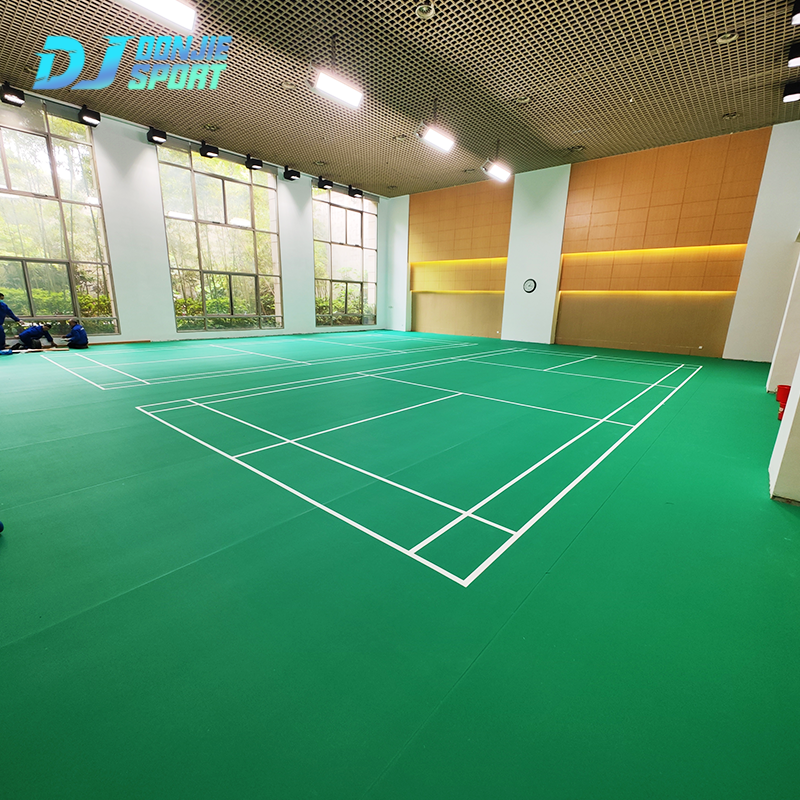
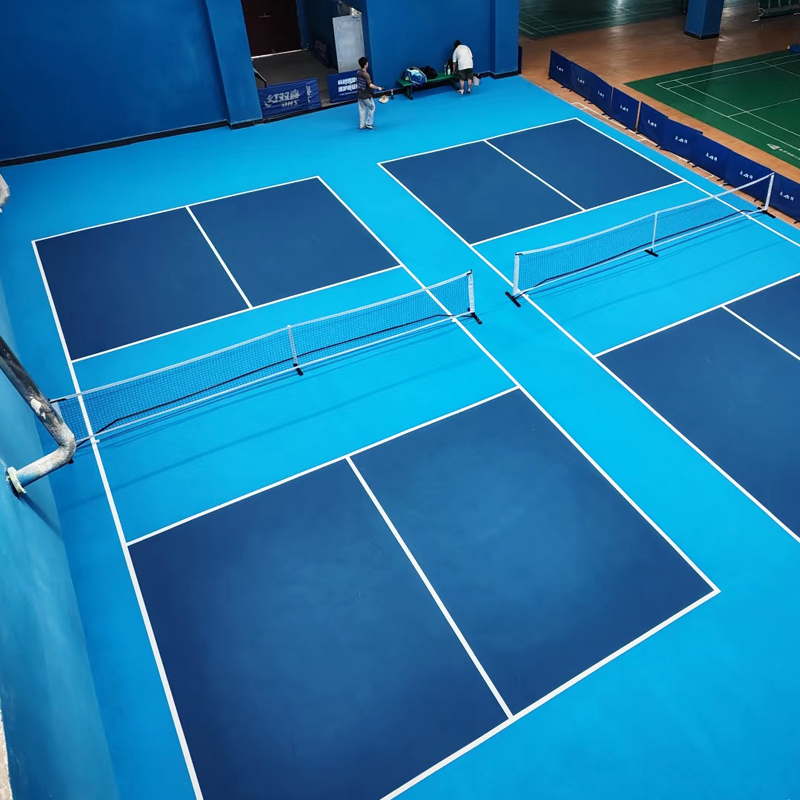
Synthetic flooring materials like vinyl, rubber, and polyurethane are becoming increasingly popular due to their ability to withstand heavy usage while providing excellent performance features. These materials are designed to be shock-absorbent, non-slip, and provide consistent ball bounce, making them a great option for both indoor and outdoor volleyball courts.
-
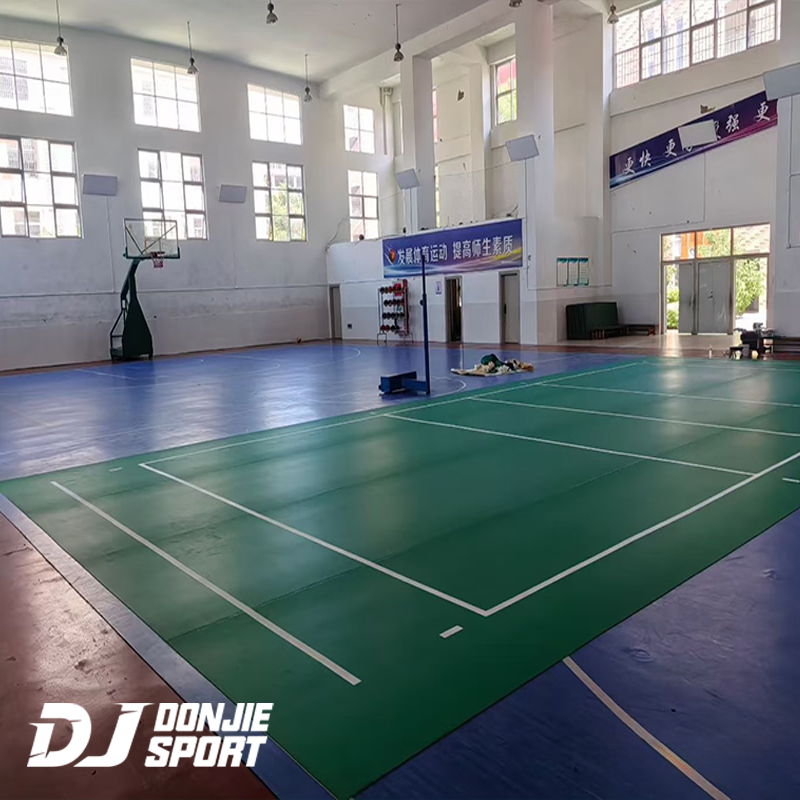
Vinyl: Easy to install, affordable, and offers good performance characteristics.
-
Rubber: Highly durable and offers excellent shock absorption, making it ideal for high-impact games.
-
Polyurethane: Known for its resilience and resistance to wear, it’s perfect for courts with heavy foot traffic.
These synthetic options are easier to maintain compared to wood, and they come in a variety of colors and finishes that can match the aesthetic needs of the venue.
Modular Flooring Tiles: Versatile and Easy to Install
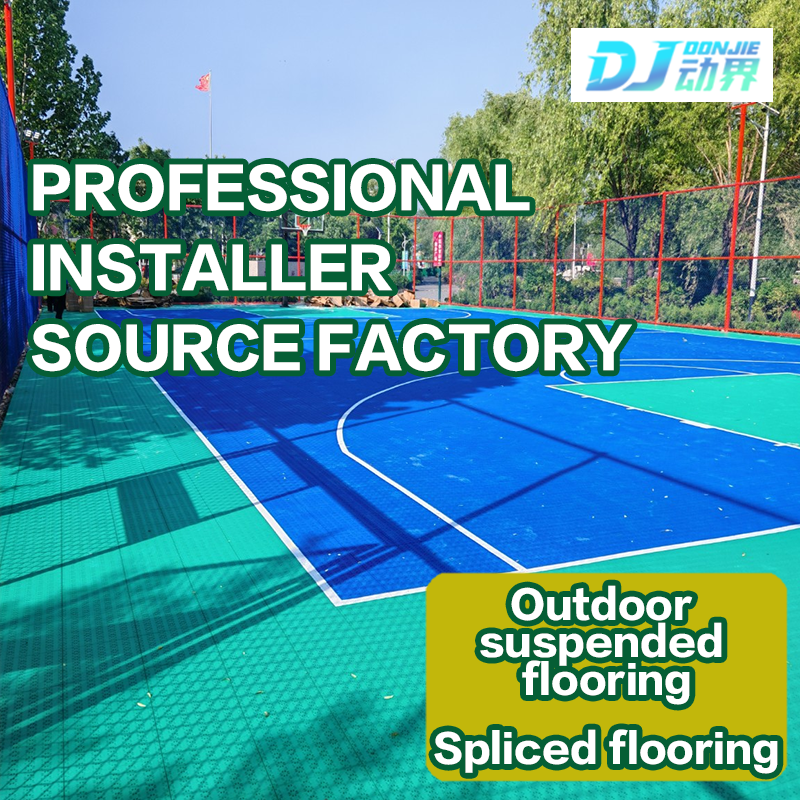
Modular tiles are a versatile flooring option suitable for both indoor and outdoor volleyball courts. Made from high-quality interlocking tiles, this flooring can be installed and removed with ease, making it a great option for temporary courts or multi-use spaces. Modular tiles provide excellent traction and comfort, and their modular nature means they can be replaced or repaired individually if damaged.
-
Pros: Quick installation, customizable, durable, and easy to replace.
-
Cons: May not offer the same consistent performance as wood or synthetic flooring.
Modular flooring is ideal for gyms and schools that require flexibility in their space or outdoor courts that may be subject to varying weather conditions.
How Flooring Material Affects Player Safety
One of the most critical factors in selecting the right flooring for your volleyball court is its ability to protect players from injuries. The impact of a fall on a hard, unforgiving surface can lead to serious injuries, ranging from sprains to joint damage. A quality volleyball court flooring provides essential shock absorption, reducing the risk of injury during high-impact movements, such as jumps, dives, and sudden stops.
-
Shock Absorption: Materials like rubber and synthetic options are designed to absorb shock, minimizing stress on players’ joints and reducing the likelihood of sprains or strains.
-
Traction and Stability: Flooring that provides sufficient grip allows players to pivot, stop, and move quickly without slipping. Proper traction is especially important for preventing ankle injuries.
-
Consistent Surface: A well-maintained surface ensures players don’t encounter unexpected irregularities that could cause a slip or fall.
Properly selected and maintained flooring enhances player confidence and safety, allowing them to perform at their best without fear of injury.
Performance-Enhancing Features of Quality Flooring
High-quality volleyball court flooring doesn’t just protect players—it enhances their performance. When selecting the right material, there are specific performance-related aspects to consider:
Ball Bounce and Speed:
The flooring you choose affects how the ball bounces on the court. A consistent and reliable bounce is essential for a fair game. Wood and synthetic flooring often provide the most consistent ball bounce, ensuring players can react to the ball’s movement predictably.
Friction and Resistance:
Friction between the player’s shoes and the flooring is crucial. Too much friction can slow players down, while too little can cause them to slide or lose their balance. Flooring materials like rubber and polyurethane offer a balanced level of resistance, giving players the stability they need while allowing for quick, fluid movements.
These features contribute to an overall superior playing experience, improving both the enjoyment of the game and the athletic performance of the players.
Choosing the Right Flooring for Different Types of Volleyball Courts
The type of volleyball court flooring you choose should match the specific needs of your environment. Here’s a quick guide to selecting the best flooring material based on the court type:
-
Indoor Courts: Wood flooring remains the gold standard for indoor courts, particularly in professional settings. It offers great bounce and traction, essential for competitive play.
-
Outdoor Courts: For outdoor courts, weather-resistant materials like rubber or synthetic tiles are often preferred. These materials can withstand the elements while maintaining their performance characteristics.
Consider how the flooring will interact with the environment in which it’s placed, as well as any specific requirements for versatility and durability.
The Long-Term Benefits of Investing in High-Quality Flooring
While high-quality volleyball court flooring may come with a higher initial cost, its long-term benefits make it a worthwhile investment. Premium materials last longer, withstand heavy usage, and require less maintenance over time. With proper care, your flooring can last for many years without losing its performance qualities.
-
Durability: Strong materials resist wear and tear, even in high-traffic environments, saving you money in the long run.
-
Cost-effectiveness: Investing in quality flooring eliminates the need for frequent replacements, making it more cost-effective in the long term.
-
Maintenance: Quality flooring requires less frequent repairs and easier upkeep, ensuring the court remains in top condition for longer.
How to Maintain Your Volleyball Court Flooring for Optimal Performance
Regardless of the material you choose, regular maintenance is key to ensuring your volleyball court flooring continues to perform well over time. Proper care helps maintain both safety and performance standards.
-
Wood Flooring: Requires periodic refinishing and cleaning to maintain its appearance and smoothness.
-
Synthetic Flooring: Easier to maintain with regular cleaning and occasional resealing.
-
Modular Tiles: Can be easily replaced if damaged, but should be cleaned regularly to avoid buildup of dirt or debris.
A consistent maintenance routine will help you preserve the integrity of your court and extend the life of your flooring material.
Conclusion:
Choosing the right volleyball court flooring is an essential step in enhancing both player performance and safety. Whether you opt for traditional wood, modern synthetic options, or flexible modular tiles, each material offers its own set of benefits designed to optimize your court’s functionality. By investing in high-quality flooring and maintaining it properly, you can ensure a durable, high-performing court that keeps players safe and enhances their game.