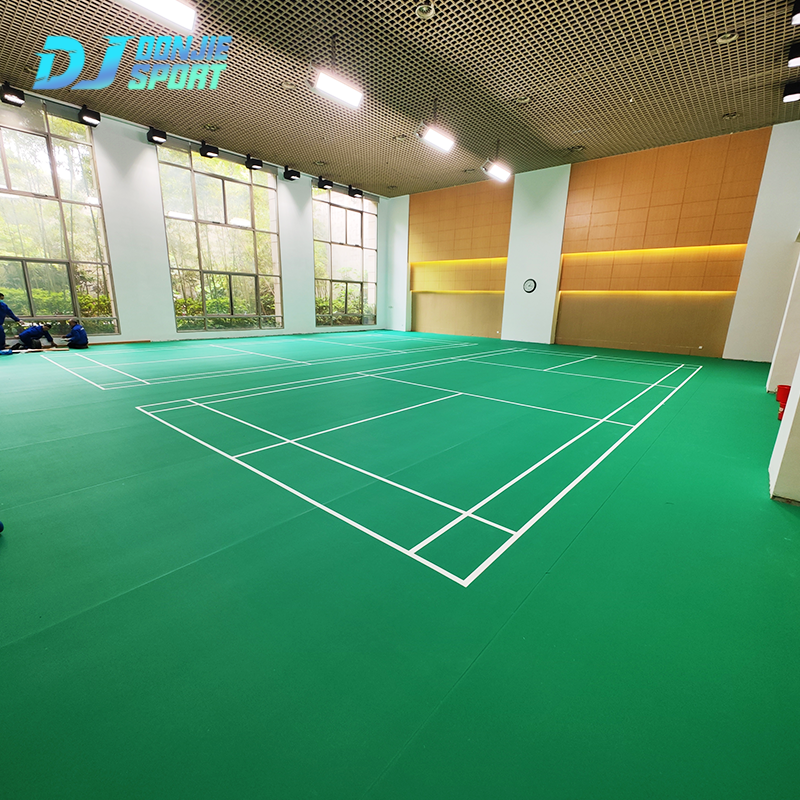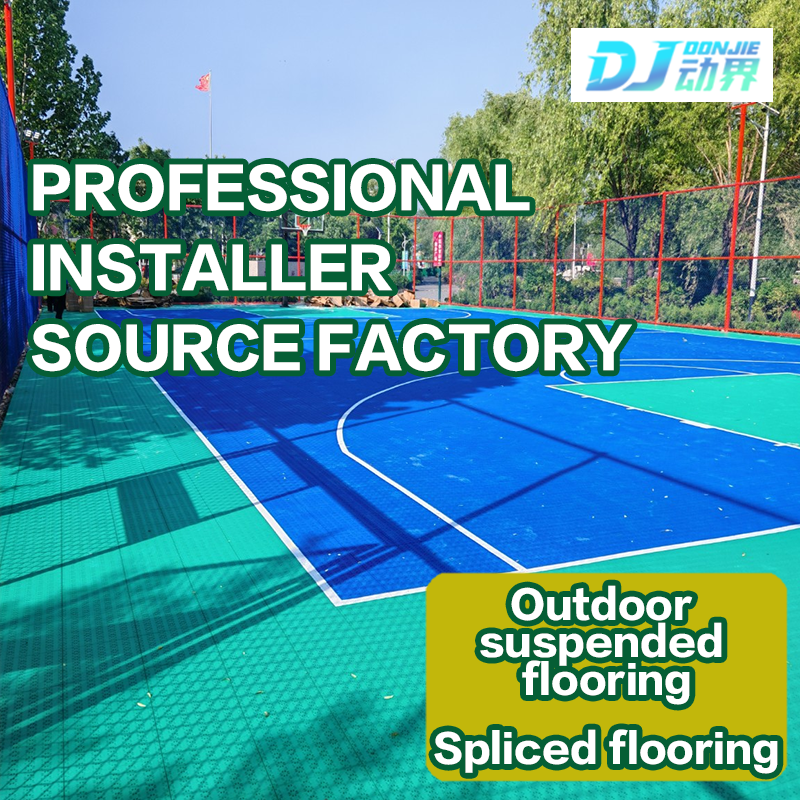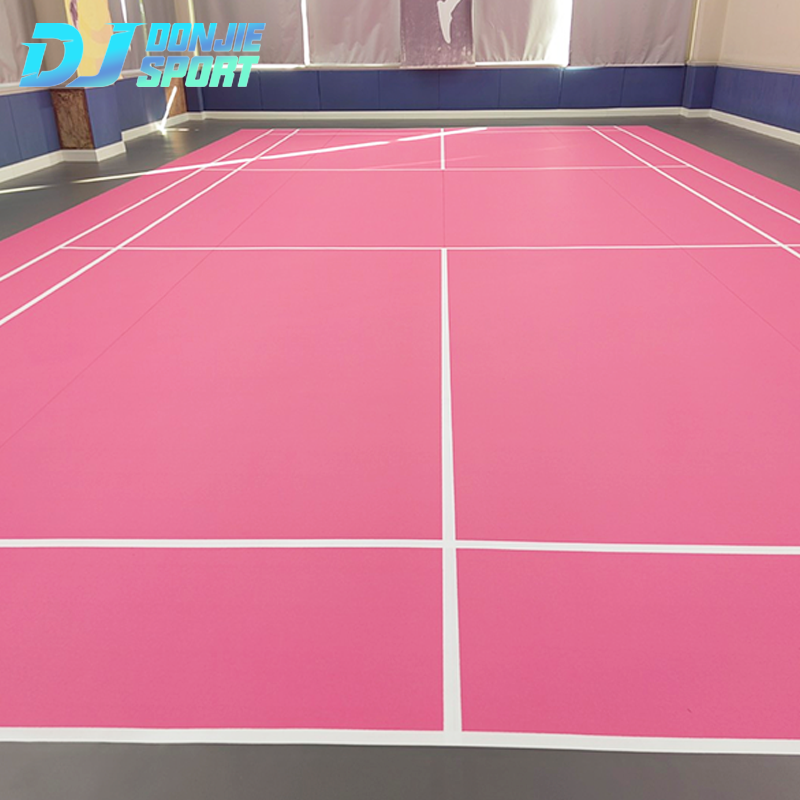
Outdoor badminton is gaining popularity in schools, community parks, residential complexes, and sports clubs that require flexible, weather-resistant playing surfaces. As demand grows, Outdoor Badminton Court Mats have emerged as a specialized solution designed to support consistent performance in open-air environments. While indoor mats have long been the standard for professional play, outdoor conditions introduce challenges that require very different design considerations.
What Are Outdoor Badminton Court Mats Designed For?
Outdoor Badminton Court Mats are engineered specifically for environments exposed to sunlight, rain, temperature fluctuations, and surface moisture. Unlike indoor mats that prioritize controlled conditions, outdoor mats must maintain grip, elasticity, and structural integrity despite constant environmental stress. Their primary goal is to deliver reliable playability while ensuring player safety on non-enclosed courts.
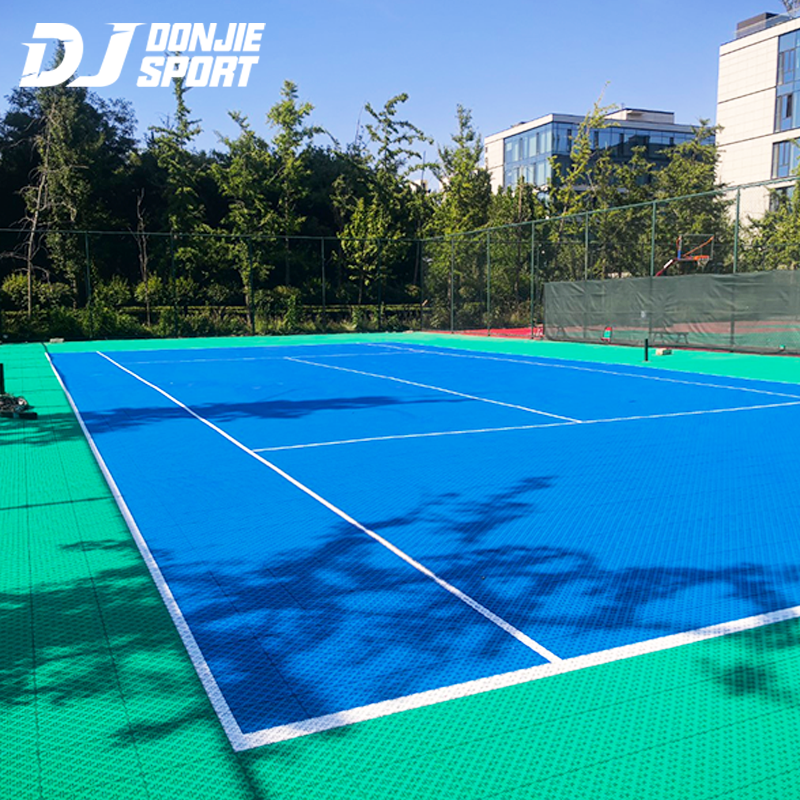
Core Differences Between Outdoor Badminton Court Mats and Indoor Mats
The most significant distinction between Outdoor Badminton Court Mats and indoor mats lies in their functional priorities. Outdoor mats emphasize durability, weather resistance, and drainage, while indoor mats focus on precision movement, shock absorption, and aesthetic uniformity. These differences affect everything from material formulation to surface texture and installation methods.
Material Composition of Outdoor Badminton Court Mats
Outdoor Badminton Court Mats are commonly made from reinforced PVC, polypropylene, or modular synthetic compounds that resist cracking and deformation. These materials are thicker and denser than indoor options, providing better resistance to wear caused by debris, moisture, and UV exposure. Indoor mats, by contrast, use softer PVC layers optimized for indoor climate control and controlled friction.
Weather Resistance and UV Protection in Outdoor Badminton Court Mats
One of the defining features of Outdoor Badminton Court Mats is their ability to withstand prolonged sun exposure. UV-stabilized coatings prevent fading, brittleness, and surface breakdown. Additionally, outdoor mats are designed to resist water absorption, reducing the risk of swelling or delamination during rainy conditions.
Surface Texture and Anti-Slip Performance for Outdoor Play
Outdoor Badminton Court Mats feature textured surfaces that enhance traction even when damp. Anti-slip embossing and micro-grip layers help players maintain balance during fast lateral movements. Indoor mats, while slip-resistant, are not designed to perform safely under wet or dusty outdoor conditions.
Shock Absorption and Player Safety in Outdoor Badminton Court Mats
Player safety remains a priority in Outdoor Badminton Court Mats, though the approach differs from indoor systems. Outdoor mats balance shock absorption with firmness to account for uneven base surfaces such as concrete or asphalt. This reduces joint strain while maintaining stability during high-impact movements.
Durability and Lifespan Expectations for Outdoor Badminton Court Mats
Due to constant environmental exposure, Outdoor Badminton Court Mats are built for extended durability. High-density wear layers and reinforced backing structures allow them to maintain performance over years of outdoor use. Indoor mats may degrade quickly if used outdoors, as they lack the protective layers required for harsh conditions.
Installation Considerations for Outdoor Badminton Court Mats
Installing Outdoor Badminton Court Mats requires careful surface preparation to ensure proper leveling and water runoff. Many outdoor systems use interlocking or loose-lay designs that allow for expansion and contraction caused by temperature changes. Indoor mats typically rely on adhesive or permanent installation methods unsuitable for outdoor use.
Drainage and Moisture Management in Outdoor Badminton Court Mats
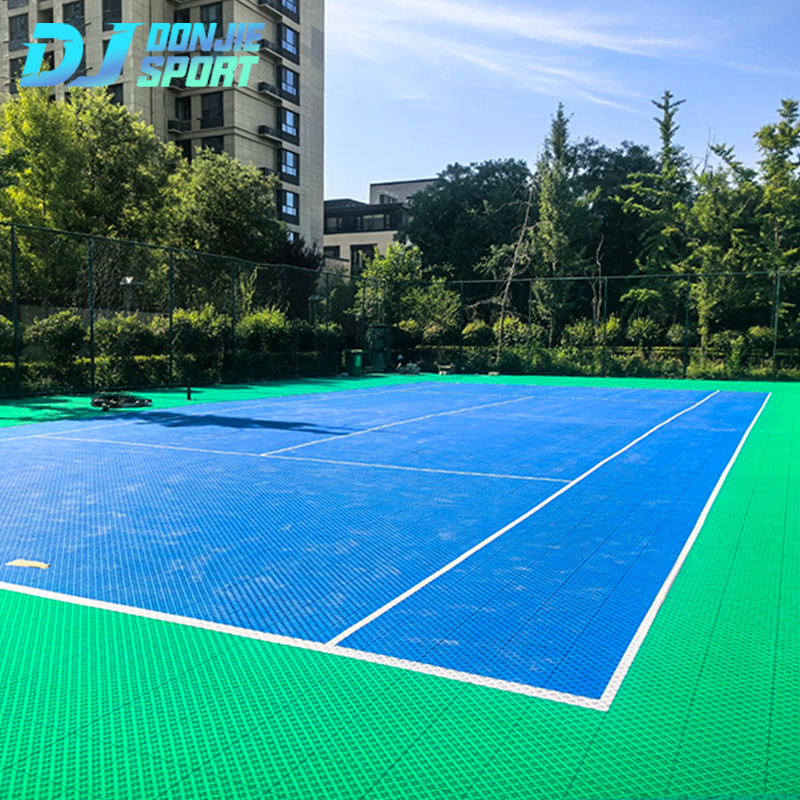
Effective drainage is essential for outdoor courts. Outdoor Badminton Court Mats often include perforated structures or raised base designs that allow water to flow underneath the surface. This prevents puddling and reduces downtime after rainfall, a feature rarely found in indoor mat systems.
Maintenance Requirements for Outdoor Badminton Court Mats
Outdoor Badminton Court Mats are designed for easy maintenance. Regular sweeping, occasional washing, and inspection for debris buildup are usually sufficient. Their stain-resistant surfaces prevent mold growth and discoloration, making them more practical for high-traffic outdoor facilities.
Can Indoor Mats Be Used as Outdoor Badminton Court Mats?
Using indoor mats outdoors is not recommended. Indoor mats lack UV protection, proper drainage, and weather-resistant backing, which leads to rapid deterioration and increased safety risks. Outdoor Badminton Court Mats are purpose-built to handle environmental challenges that indoor mats cannot withstand.
Performance Impact of Outdoor Badminton Court Mats on Gameplay
While indoor mats offer the most controlled playing experience, Outdoor Badminton Court Mats provide a stable and consistent surface that supports competitive and recreational play. Modern outdoor mats are engineered to minimize performance differences, ensuring predictable shuttle response and reliable footwork.
Cost Comparison Between Outdoor Badminton Court Mats and Indoor Mats
Outdoor Badminton Court Mats typically have a higher upfront cost due to specialized materials and construction. However, their longer lifespan and lower replacement frequency often make them more cost-effective in outdoor applications. Indoor mats may appear cheaper initially but incur higher long-term costs when used improperly outdoors.
Choosing the Right Outdoor Badminton Court Mats for Your Facility
Selecting the right Outdoor Badminton Court Mats depends on usage frequency, climate conditions, and player level. Facilities should prioritize UV resistance, drainage capability, anti-slip performance, and manufacturer certifications to ensure safety and durability over time.
Common Mistakes to Avoid When Buying Outdoor Badminton Court Mats
Common purchasing mistakes include choosing mats without UV stabilization, ignoring drainage design, or selecting indoor-grade products for outdoor use. Focusing solely on price rather than performance often leads to higher maintenance costs and reduced player satisfaction.
Future Trends in Outdoor Badminton Court Mats Technology
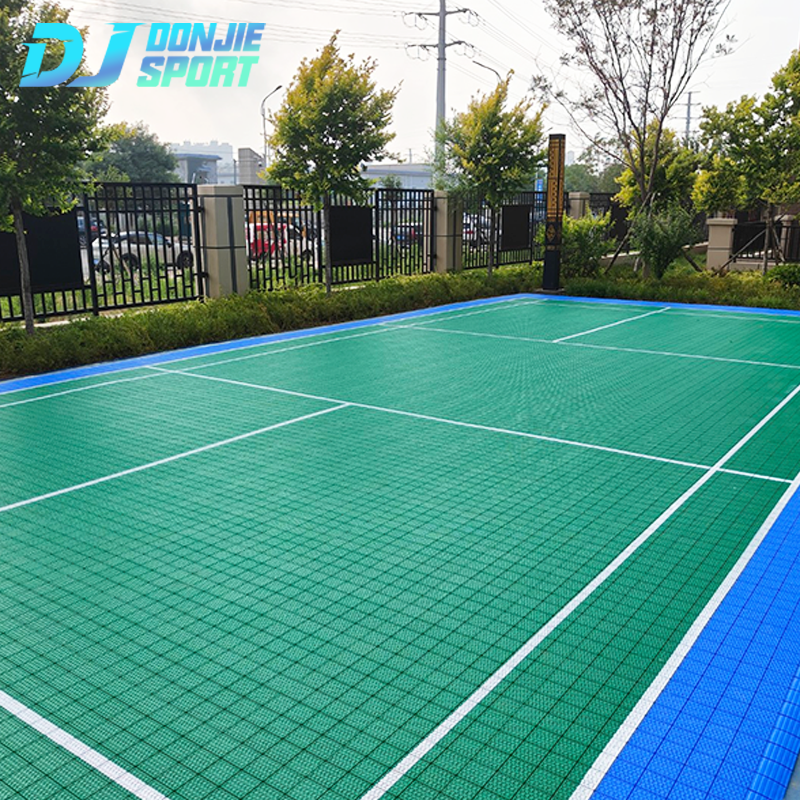
Innovations in Outdoor Badminton Court Mats include eco-friendly materials, enhanced shock absorption layers, and advanced surface textures that adapt to changing weather conditions. As outdoor badminton continues to grow, manufacturers are investing in technologies that further narrow the gap between indoor and outdoor play quality.
Final Thoughts on Outdoor Badminton Court Mats vs Indoor Mats
Outdoor Badminton Court Mats are fundamentally different from indoor mats in design, materials, and performance goals. They are engineered to deliver safe, durable, and reliable play in challenging outdoor environments, making them an essential investment for any outdoor badminton facility.