When it comes to building or upgrading an outdoor basketball court, selecting the right flooring is crucial to both the performance of the players and the longevity of the surface. Whether you’re constructing a court for a school, a community center, or a professional facility, the surface you choose will directly impact the safety, playability, and maintenance costs of the court. With a variety of options available, including asphalt, concrete, rubber, modular sports tiles, and even outdoor-grade wooden flooring, it can be overwhelming to make the best choice for your needs. This guide will walk you through the different outdoor basketball court flooring options, so you can make an informed decision based on your specific requirements.

Understanding Outdoor Basketball Court Flooring
Outdoor basketball court flooring differs from indoor court surfaces primarily because it must withstand the elements. Unlike indoor courts, outdoor surfaces face direct exposure to weather conditions such as rain, sun, and extreme temperatures. Therefore, durability, maintenance, and safety are critical considerations when selecting outdoor flooring. Additionally, factors like the level of play, the climate in your region, and budget will all influence the decision-making process. Let’s dive into the most common flooring options and explore what makes them unique.
Types of Outdoor Basketball Court Flooring
Asphalt Flooring
Asphalt is one of the most traditional choices for outdoor basketball courts. It’s a durable surface that holds up well under constant foot traffic and various weather conditions. Asphalt is relatively inexpensive compared to other options, making it an attractive choice for schools and public recreational areas.
-
Pros:
-
Cost-effective
-
Durable in various weather conditions
-
Easy to repair
-
-
Cons:
-
Can become slippery when wet
-
Requires periodic resealing
-
Hard surface can be uncomfortable for players
-
While asphalt courts are great for casual games and community courts, they can be rough on players’ joints due to the lack of cushioning. Regular maintenance, including sealing, is essential to keep the surface in good condition.
Concrete Flooring
Concrete is another widely used outdoor flooring material, favored for its strength and long-lasting performance. Concrete courts are ideal for areas with heavy traffic, as they can support constant use without showing significant wear and tear.
-
Pros:
-
Extremely durable and low-maintenance
-
Smooth surface ideal for fast-paced games
-
Can be designed with custom markings and lines
-
-
Cons:
-
Harder surface, which can lead to joint strain
-
Can crack over time due to temperature fluctuations
-
Prone to staining if not sealed properly
-
Concrete courts are best suited for environments where durability and minimal upkeep are a priority. However, just like asphalt, they can be tough on the body, which may lead players to prefer a softer, more cushioned surface for long periods of play.
Rubber Flooring
Rubber flooring is a popular choice for those seeking a more cushioned, shock-absorbent surface. This type of flooring can be found in both tile and roll formats, making it a versatile option for custom installations. It provides excellent grip and is known for reducing the risk of injuries like sprains and fractures.
-
Pros:
-
Shock absorbent, reducing joint strain
-
Excellent traction, even in wet conditions
-
Available in a variety of colors and designs
-
-
Cons:
-
Higher upfront costs
-
Can be prone to fading over time
-
Requires proper drainage to prevent water buildup
-
Rubber flooring is ideal for courts that see a lot of multi-sport action, such as basketball, volleyball, or tennis. It’s especially beneficial in areas with more frequent rain or high humidity since it’s slip-resistant and helps prevent puddling.
Synthetic Sports Tiles (Modular Flooring)
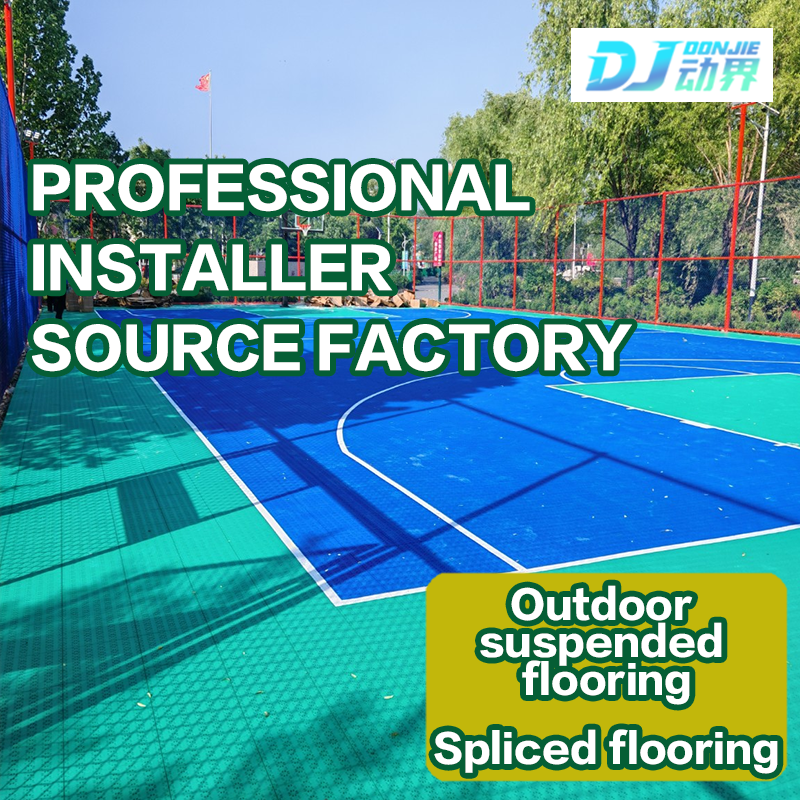
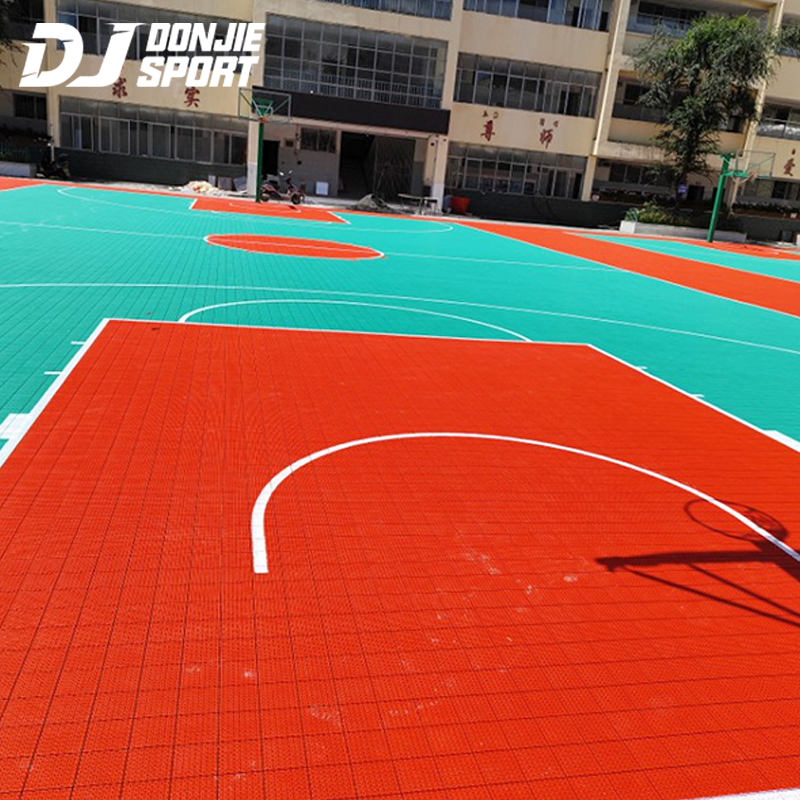
Synthetic sports tiles, or modular flooring, are designed to interlock, creating a durable, customizable surface for outdoor basketball courts. These tiles are often made from high-density polypropylene, making them lightweight, weather-resistant, and easy to install.
-
Pros:
-
Interlocking tiles for easy DIY installation
-
Weather-resistant and UV-protected
-
Available in various colors and designs
-
Low maintenance
-
-
Cons:
-
Higher cost than traditional surfaces like asphalt
-
Can shift if not installed properly
-
May need periodic re-leveling in high-traffic areas
-
Modular flooring is perfect for those looking for a court surface that can be installed quickly without professional help. Additionally, it provides a great balance between durability and comfort, making it an excellent choice for both recreational and competitive play.
Wooden Flooring (Outdoor-Grade)
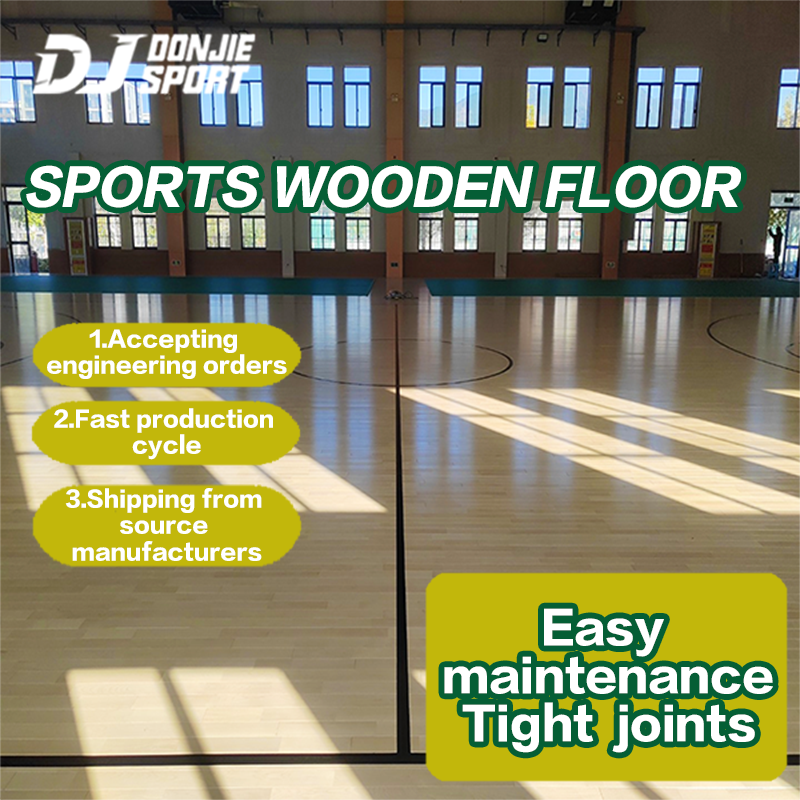
Outdoor-grade wooden flooring is a unique choice for basketball courts that emphasizes aesthetics and performance. This type of flooring is designed to withstand the outdoor elements and is often treated to ensure it holds up against the sun, rain, and snow.
-
Pros:
-
Aesthetically pleasing, offering a professional look
-
Comfortable surface for players
-
Excellent ball bounce quality
-
-
Cons:
-
Requires high maintenance (staining and sealing)
-
Prone to weather damage if not properly maintained
-
Higher upfront costs and installation fees
-
Wooden flooring is best for facilities that host professional-level play and want a court that combines form and function. However, the maintenance required to protect the wood from outdoor exposure may make it less practical for areas with unpredictable climates.
Key Considerations When Choosing Outdoor Basketball Court Flooring
When selecting outdoor basketball court flooring, it’s important to evaluate the following factors:
-
Climate Compatibility: Different surfaces handle various climates in different ways. Asphalt and concrete, for instance, are excellent in warmer climates, but can crack under freezing temperatures. Rubber and modular tiles are better at handling changes in temperature without significant wear.
-
Safety and Comfort: Player safety is paramount. Floors that are cushioned, like rubber and modular tiles, help reduce injury risk by offering better shock absorption and traction. Concrete and asphalt are harder, which may lead to discomfort and potential injuries over time.
-
Maintenance Needs: Some surfaces require regular maintenance to stay in good condition. Asphalt and concrete need to be sealed regularly, while modular tiles and rubber flooring generally require less upkeep.
-
Installation and Setup: If you’re installing the court yourself, modular tiles offer the easiest installation process, while other materials, such as concrete or asphalt, require professional help.
Cost Comparison of Outdoor Basketball Court Flooring Options
The cost of flooring varies depending on the material and the complexity of installation. Here’s a quick comparison:
-
Asphalt: $2 – $4 per square foot (installation and material)
-
Concrete: $3 – $5 per square foot
-
Rubber Flooring: $4 – $6 per square foot
-
Synthetic Sports Tiles: $5 – $8 per square foot
-
Wooden Flooring: $8 – $12 per square foot
While asphalt and concrete are more affordable options, rubber and modular flooring tend to offer greater comfort and safety but come at a higher price point. Wooden flooring, though visually appealing, carries the highest initial cost and long-term maintenance expenses.
Making the Right Choice for Your Facility
Choosing the right flooring comes down to your specific needs. If you’re building a budget-friendly, low-maintenance court, asphalt or concrete may be the way to go. For multi-sport use or high levels of play, rubber or modular tiles provide enhanced comfort and safety. For a professional, aesthetically-driven facility, outdoor-grade wooden flooring could be the ideal choice. Consider your local climate, how frequently the court will be used, and the level of play to make the most informed decision.
Conclusion
In conclusion, selecting the right outdoor basketball court flooring requires a careful balance between budget, durability, safety, and player performance. Asphalt and concrete are budget-friendly options but may require more maintenance and are less comfortable than rubber or synthetic tiles. Wooden flooring offers aesthetics and performance but comes at a higher cost and requires more upkeep. By understanding the unique features of each flooring type, you can choose the best surface for your outdoor basketball court that meets both your practical needs and aesthetic preferences.