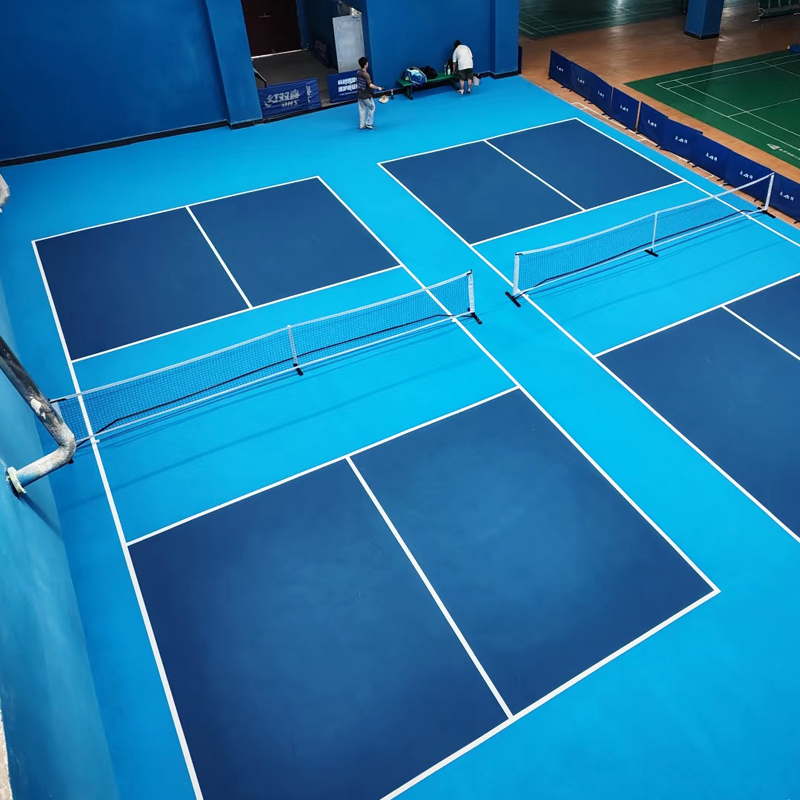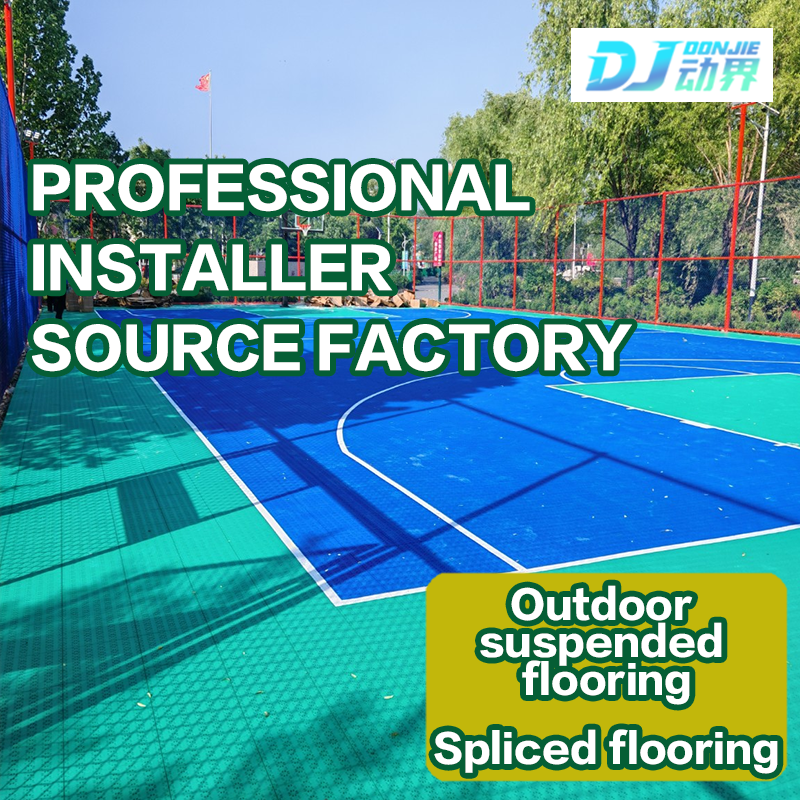
When building or upgrading an outdoor basketball court, the choice of flooring plays a crucial role in the overall performance, safety, and durability of the space. Outdoor basketball court flooring must withstand a variety of environmental conditions, heavy foot traffic, and intense gameplay. Choosing the right material not only ensures the court’s longevity but also enhances the player experience. In this article, we’ll explore the essential features that matter when selecting outdoor basketball court flooring and how these factors can make a significant difference in performance, safety, and maintenance.
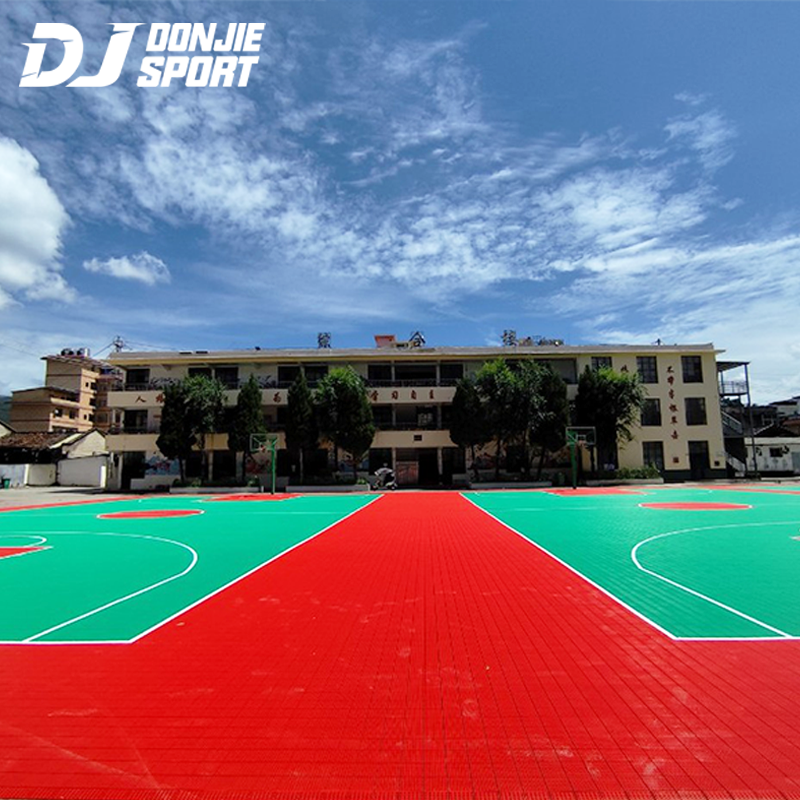
Durability: The Cornerstone of Outdoor Basketball Court Flooring
The durability of outdoor basketball court flooring is paramount. Unlike indoor courts, outdoor courts are exposed to a range of weather conditions, from intense sunlight to heavy rain and freezing temperatures. For this reason, selecting a flooring material that is resistant to weathering is critical.
Weather-Resistant Materials
Outdoor basketball courts require flooring that can endure the elements. Materials such as PVC sports flooring, rubber, and acrylic are designed to be UV resistant, preventing fading or cracking due to prolonged exposure to sunlight. Additionally, these materials are water-resistant, allowing them to dry quickly after rain, preventing slippery surfaces.
Impact Resistance
An outdoor basketball court is subjected to intense activity, including high-impact dribbles, jumps, and slams. Durable flooring options are designed to withstand the stress of these actions without showing signs of wear. Flooring that absorbs and disperses impact prevents surface damage and helps maintain its integrity over time, reducing the need for frequent repairs or replacements.
Longevity and Cost-Effectiveness
Investing in high-quality flooring ensures that your court will last for years, even with regular use. While the initial installation cost may be higher, durable flooring materials provide long-term savings by minimizing maintenance costs and extending the life of the court.
Safety Features: Enhancing Player Performance and Minimizing Risk
Safety is a top priority for any sports facility, especially for outdoor basketball courts where players are exposed to natural elements. Choosing flooring that prioritizes safety helps protect athletes from injuries and ensures optimal performance during play.
Slip Resistance
One of the most important safety features of outdoor basketball court flooring is slip resistance. The surface needs to offer adequate grip to prevent players from slipping, particularly during fast-paced movements such as quick pivots and sharp cuts. Flooring materials with textured surfaces or special coatings are designed to enhance traction, providing players with a secure footing and reducing the risk of falls.
Shock Absorption
Another critical safety feature is shock absorption. Outdoor basketball court flooring that absorbs shock helps reduce the strain on players’ joints, particularly the knees and ankles. Materials like rubber or high-quality PVC offer excellent shock-absorbing properties, making the game more comfortable while minimizing the risk of injury from repeated high-impact actions.
Surface Consistency
A smooth, uniform surface is essential to ensure that players can move freely and safely. Uneven surfaces can cause tripping hazards or result in unpredictable ball bounces, affecting the quality of the game. Flooring systems that maintain consistent texture and smoothness enhance the safety and playability of the court.
Material Options: Understanding the Best Flooring Choices
When selecting outdoor basketball court flooring, it’s essential to consider the various materials available and how they stack up in terms of durability, performance, and maintenance. Here are some of the best options:
Rubber Flooring
Rubber flooring is a popular choice for outdoor basketball courts due to its excellent shock absorption and durability. It can withstand heavy use and extreme weather conditions. However, it may require more frequent cleaning and may not offer as much aesthetic flexibility compared to other materials.
PVC Sports Flooring
PVC sports flooring is known for its durability, water resistance, and ease of maintenance. This material is designed to handle the rigors of outdoor basketball games while providing a cushioned surface that helps reduce the risk of injury. Additionally, PVC can be easily customized with different colors and patterns to create a visually appealing court.
Modular Interlocking Tiles
Modular interlocking tiles are a great option for those looking for easy installation and maintenance. These tiles can be quickly assembled and replaced if necessary. They are typically made of high-density polypropylene, which is durable and weather-resistant. These tiles also provide excellent drainage, preventing water accumulation after rain.
Acrylic Court Surface
Acrylic flooring is often used for high-performance courts. It provides a smooth, fast surface ideal for basketball. While it is durable, it may require more upkeep compared to rubber or PVC flooring, especially in outdoor environments where weather exposure can cause wear and tear over time.
Aesthetic Appeal: Designing a Visually Impactful Court
Beyond functionality, the appearance of an outdoor basketball court plays a role in its overall appeal. Aesthetics contribute to the atmosphere of the court and can even enhance player experience and motivation.
Customizable Colors and Designs
Many outdoor basketball court flooring options, such as PVC and interlocking tiles, offer a wide range of colors and customization possibilities. Courts can be designed with vibrant color schemes, incorporating team logos, court lines, or even unique patterns that reflect the identity of the facility or community.
Brand Logo Integration
For facilities that host professional events, integrating brand logos or sponsor logos into the court design can enhance visibility and create a professional atmosphere. Many flooring materials, such as modular tiles or acrylic surfaces, allow for easy customization of logos and designs.
Aesthetic Impact on the Court Experience
A well-designed court can make a significant impact on players’ experience. An aesthetically pleasing environment can boost morale, encourage teamwork, and inspire players to perform at their best.
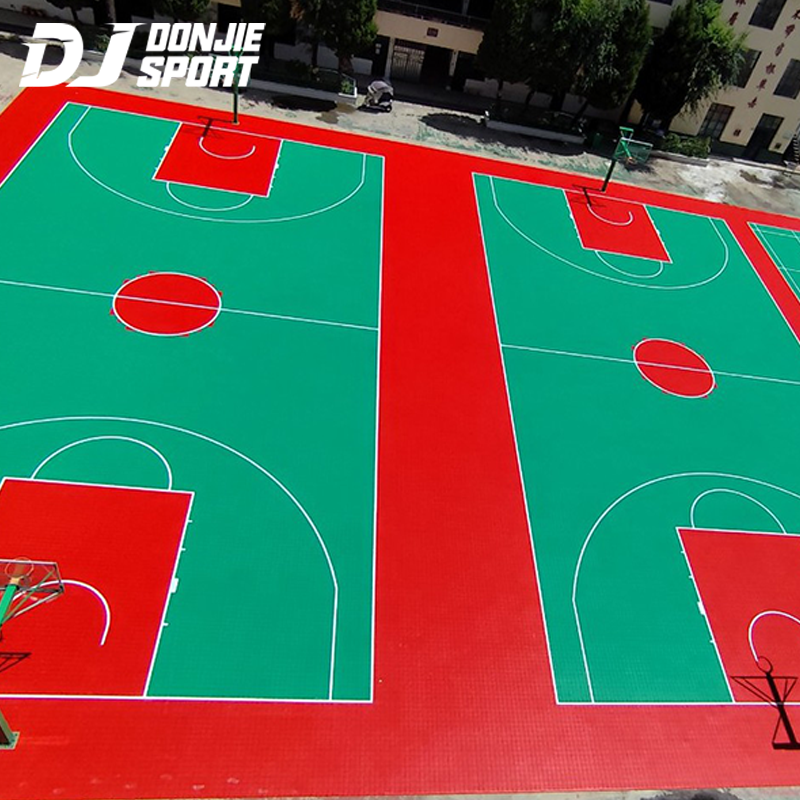
Installation Process: What to Expect When Setting Up Your Court
The installation process of outdoor basketball court flooring varies depending on the material chosen. Here’s what to expect when setting up your court.
Preparation
Before installation, it’s essential to ensure that the subgrade is level and stable. Any existing cracks or irregularities in the ground must be addressed to create a smooth, solid foundation. Proper drainage is also critical to prevent water from pooling on the surface.
DIY vs Professional Installation
While some flooring options, like modular tiles, are suitable for DIY installation, others, such as acrylic or rubber surfaces, may require professional installation. Professional installers can ensure that the court is properly laid down, ensuring durability and minimizing long-term maintenance issues.
Time and Costs Involved
The time and cost of installation depend on the type of flooring and the size of the court. Modular tile systems can be installed relatively quickly, while PVC or acrylic surfaces may require more time and expertise.
Maintenance and Care: Ensuring the Longevity of Your Court Flooring
Proper maintenance is essential to prolong the life of outdoor basketball court flooring. By following a regular care routine, you can keep the court in excellent condition for years.
Cleaning Routines and Equipment
Regular cleaning helps maintain the surface quality and prevent dirt or debris buildup. Sweep the court regularly and use non-abrasive cleaning solutions to avoid damaging the flooring material. Power washing may be required for more stubborn dirt and stains.
Seasonal Care
During the winter months, it’s important to protect the court from freezing temperatures. Consider using protective covers or applying non-slip mats to prevent ice accumulation on the court surface.
Periodic Inspections and Repairs
Check for any signs of wear, such as cracks or dents, and address them promptly. Regular maintenance inspections can help catch small issues before they turn into more significant problems, saving on costly repairs in the long run.
Cost Considerations: Balancing Quality and Budget
When selecting outdoor basketball court flooring, cost is a significant factor. However, it’s essential to balance quality with budget considerations.
Price Ranges for Flooring Types
The cost of outdoor basketball court flooring can vary widely depending on the material. Rubber flooring may be more affordable but may require more frequent maintenance. PVC and acrylic flooring offer a good balance of cost, durability, and performance, while modular tiles may have a higher upfront cost but offer convenience and ease of maintenance.
Long-Term Savings
While high-quality flooring materials may have a higher initial cost, they often provide significant long-term savings due to their durability and low maintenance requirements. Choosing a durable material can reduce the need for frequent repairs and replacements, ultimately saving you money over time.
Budgeting for Installation and Upkeep
In addition to the cost of the flooring, consider the installation and maintenance expenses. Professional installation services may incur additional costs, but they can help ensure the flooring is correctly laid out, maximizing its lifespan.
Conclusion
Choosing the right outdoor basketball court flooring is essential for ensuring that your court remains durable, safe, and aesthetically pleasing for years to come. By understanding the key features, such as durability, safety, material options, and maintenance needs, you can make an informed decision that meets both your performance and budget requirements. Whether you’re upgrading an existing court or building a new one, investing in the right flooring will enhance the player experience and keep your court looking great.