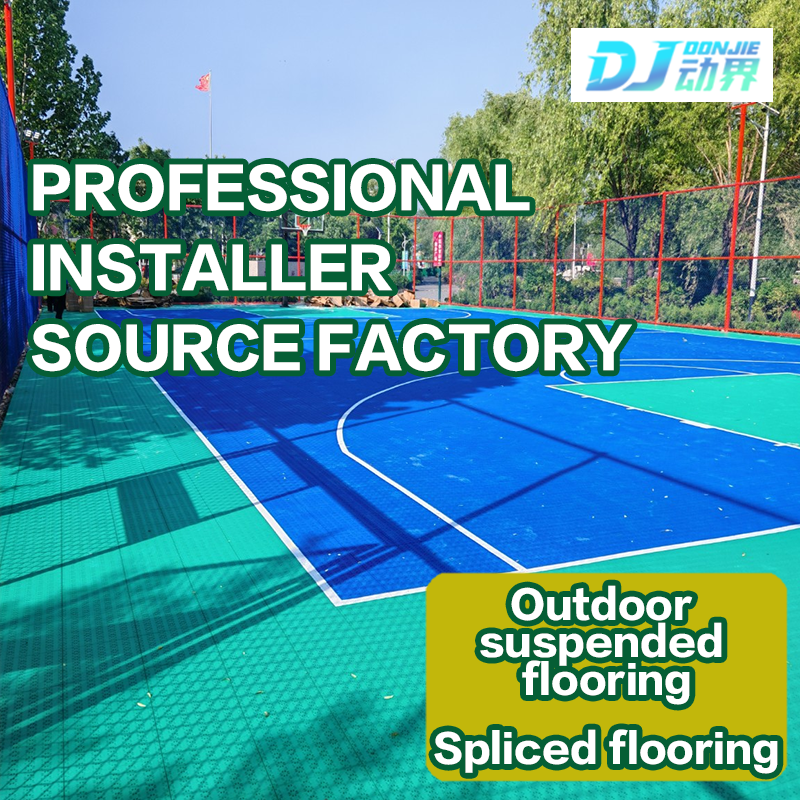
Outdoor basketball courts are a staple in many communities, schools, and recreational facilities. The flooring used on these courts plays a pivotal role in ensuring both safety and performance. With a range of options available, choosing the right material for your outdoor basketball flooring can be challenging. This comprehensive guide will explore the key factors to consider, the most popular flooring types, and how to select the best flooring to meet your needs. Whether you’re building a new court or upgrading an existing one, this article will provide you with all the information you need.

Key Factors to Consider When Choosing Outdoor Basketball Flooring
Durability
When it comes to outdoor basketball flooring, durability is paramount. The flooring must withstand regular exposure to the elements—rain, snow, intense sunlight, and fluctuating temperatures. High-quality outdoor flooring can handle these environmental stresses without cracking, fading, or losing its grip.
Weather Resistance
Outdoor flooring should be resistant to water, UV rays, and extreme temperatures. Flooring materials that are designed to resist moisture are crucial to preventing issues such as warping or mold growth. UV-resistant surfaces ensure that the color and texture of the court remain intact even after prolonged exposure to sunlight.
Safety and Performance
Safety is critical in any sports facility. Outdoor basketball flooring should provide excellent traction, reducing the risk of slips and falls during high-speed movements. A well-designed court surface will also absorb shocks, reducing the strain on athletes’ joints and muscles.
Maintenance
While all outdoor courts require some level of upkeep, certain flooring materials are easier to maintain than others. Low-maintenance materials will save you time and money in the long run, as they won’t need frequent repairs or treatments.
Popular Outdoor Basketball Flooring Options
Rubber Flooring
Rubber flooring is a popular choice for outdoor basketball courts because of its shock-absorbing qualities and durability. It’s resistant to moisture, making it ideal for regions with heavy rainfall. Rubber flooring also offers a comfortable playing experience by reducing impact on players’ joints. The downside, however, is that it can be more expensive and may require professional installation.
PVC Flooring
PVC (polyvinyl chloride) flooring is known for its versatility, durability, and ease of maintenance. This type of flooring is often used for both indoor and outdoor basketball courts. PVC flooring provides a good level of traction and can handle extreme weather conditions without deteriorating. It’s also relatively affordable and easy to install, which makes it a great option for many basketball facilities.
Polyurethane Flooring
Polyurethane is another excellent choice for outdoor basketball courts. It provides a smooth, even surface that enhances player performance, making it a great choice for competitive environments. Polyurethane floors are also highly durable and resistant to UV rays and water. The downside is that it can be more expensive than other options, and installation may require specialized expertise.
Asphalt and Concrete Flooring
Asphalt and concrete are the most traditional flooring options for outdoor basketball courts. While they are cost-effective and durable, they tend to be harder on players’ joints due to their lack of shock absorption. Asphalt and concrete courts are also more vulnerable to cracking from extreme weather conditions, so they may require periodic maintenance. To mitigate these issues, courts can be coated with a layer of protective sealant.
Comparing the Pros and Cons of Each Flooring Option
Here’s a quick comparison of the most common outdoor basketball flooring options:
| Flooring Type | Pros | Cons |
|---|---|---|
| Rubber Flooring | Shock absorption, moisture-resistant, durable | Expensive, may require professional installation |
| PVC Flooring | Affordable, easy to install, weather-resistant | Can wear down over time if not maintained properly |
| Polyurethane Flooring | Smooth surface, enhances performance, UV and water-resistant | Expensive, may require professional installation |
| Asphalt/Concrete | Cost-effective, widely available, durable | Hard on joints, prone to cracking, requires maintenance |
Installation of Outdoor Basketball Flooring
Installing outdoor basketball flooring depends on the material you choose. Here’s a brief overview of the installation process for some common types of flooring:
Rubber Flooring
Rubber flooring installation generally involves laying down interlocking tiles or rolls that snap into place. Professional installers often provide this service, but some DIY kits are available for smaller projects.
PVC Flooring
PVC flooring can be installed in rolls or tiles, and it typically requires a flat, smooth surface for proper adhesion. PVC flooring is often installed over an existing concrete or asphalt base to improve its stability.
Polyurethane Flooring
Polyurethane flooring installation involves pouring the liquid resin onto the court’s surface, where it hardens to form a seamless, durable layer. This process is usually performed by professionals, as it requires specific tools and expertise.
Asphalt/Concrete
For asphalt or concrete courts, the installation process begins with grading the surface and pouring the base material. After it has cured, a final layer of paint or protective sealant is applied to create the finished court.
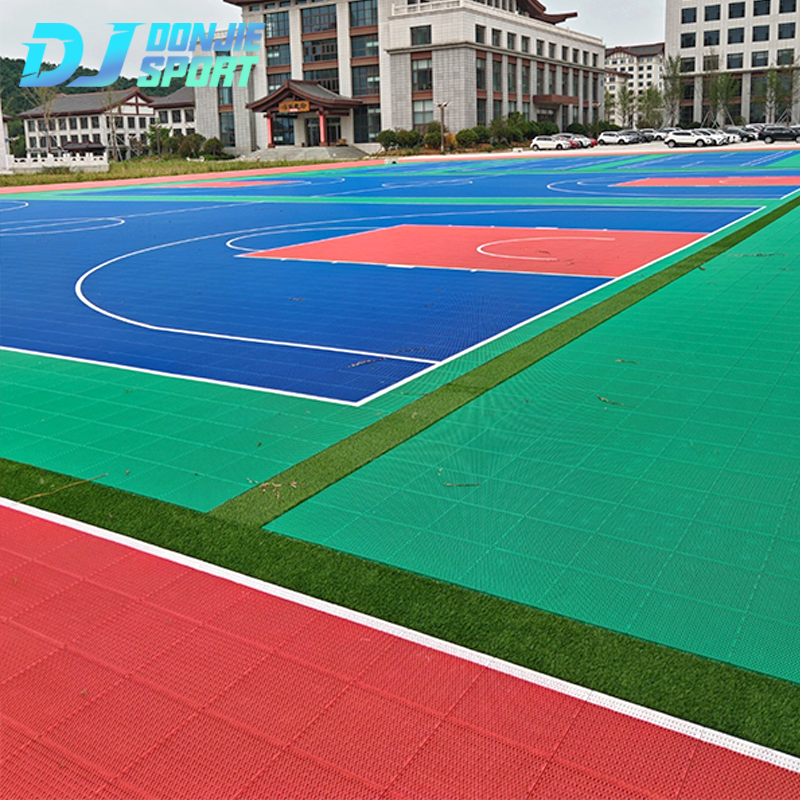
Maintaining Your Outdoor Basketball Court Flooring
Regular maintenance is essential for extending the life of your outdoor basketball flooring. Below are some general tips for maintaining different types of flooring:
Rubber Flooring
Rubber floors should be cleaned regularly with mild detergent and water. If you notice any loose tiles, they should be re-secured. Since rubber is moisture-resistant, it generally requires minimal care beyond cleaning.
PVC Flooring
PVC flooring is easy to clean and maintain. Sweep the surface to remove debris and use a non-abrasive cleaner to keep it looking new. Inspect the flooring regularly for any signs of wear and tear, especially at the seams.
Polyurethane Flooring
Polyurethane floors require periodic resealing to maintain their durability. Regular sweeping and spot cleaning will help preserve the surface. In high-traffic areas, consider using mats or protective coatings to minimize damage.
Asphalt/Concrete
Asphalt and concrete courts should be sealed every few years to protect the surface from the elements. Cracks should be repaired promptly to prevent water from seeping in and causing further damage.
Conclusion
When selecting outdoor basketball flooring, it’s crucial to consider factors such as durability, weather resistance, safety, and maintenance. Whether you opt for rubber, PVC, polyurethane, or asphalt, each flooring type has its own set of advantages and drawbacks. Understanding these pros and cons will help you make an informed decision that suits your needs and budget. For those looking for long-term performance, investing in high-quality flooring can significantly enhance both player safety and game experience.