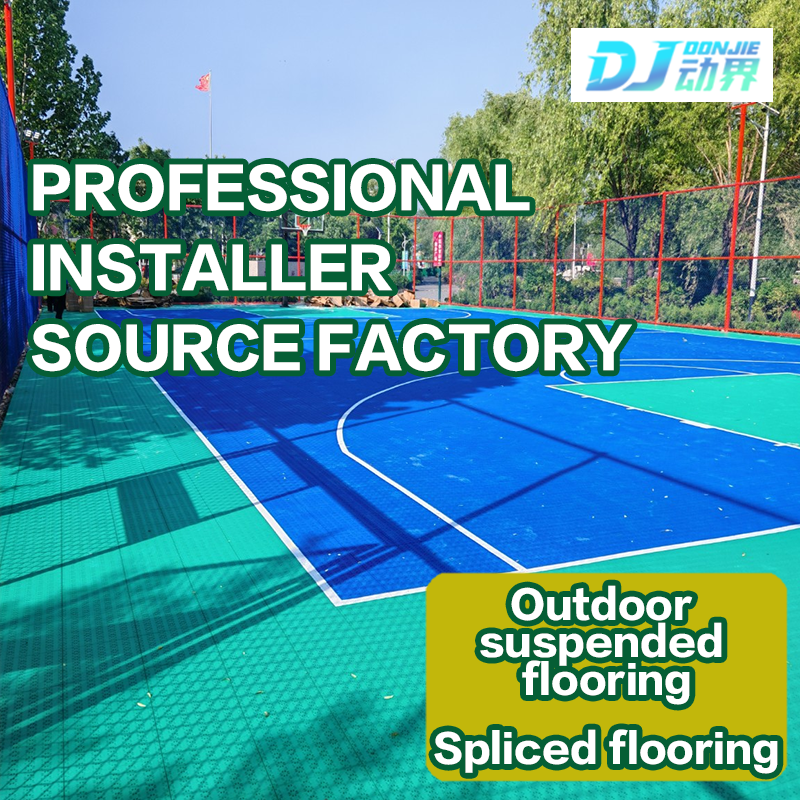
Outdoor basketball courts are becoming an essential feature in many schools across the world. Whether it’s for physical education classes, after-school programs, or competitive sports, a quality basketball court provides a safe and engaging environment for students to develop their skills. However, one crucial aspect that often gets overlooked is the flooring. Choosing the right outdoor basketball flooring is pivotal for ensuring a safe, durable, and comfortable surface for students to play on.
The right flooring does more than just provide a playing surface—it impacts the overall experience for athletes. Proper outdoor basketball flooring enhances performance, reduces the risk of injuries, and stands the test of time, no matter the weather conditions. In this article, we will explore everything you need to know about outdoor basketball flooring for schools: from the types of materials to the installation process, and the factors you should consider when making your choice.
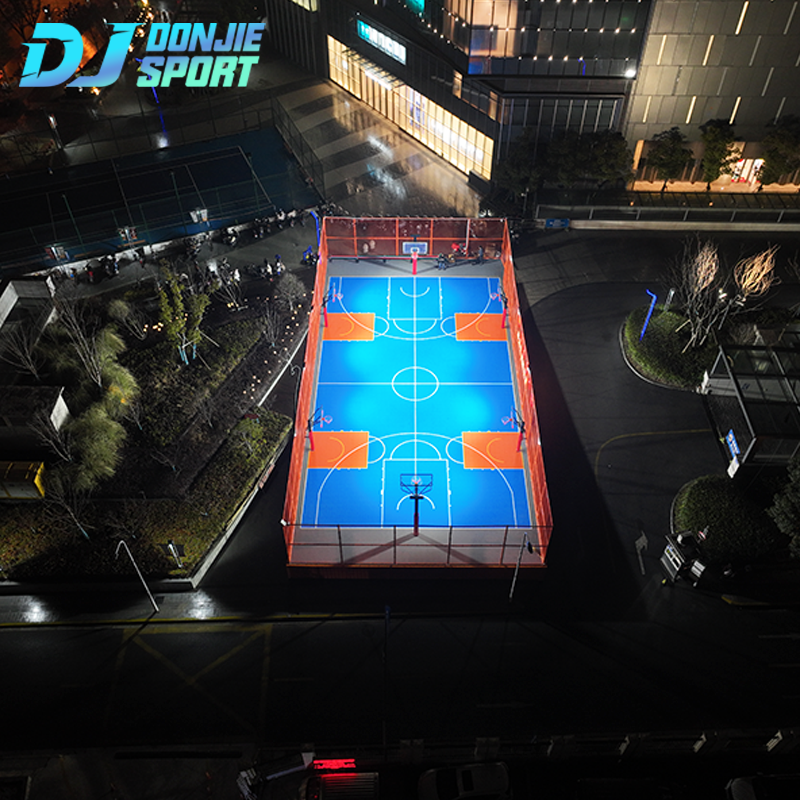
Why Outdoor Basketball Flooring is Essential for Schools
Outdoor basketball courts are not just recreational spaces—they play a vital role in fostering physical activity, teamwork, and sportsmanship among students. For schools, having a dedicated basketball court allows students to engage in physical education classes, practice their skills, and participate in after-school sports programs. But simply having a court isn’t enough. The flooring choice directly impacts safety, performance, and the long-term usability of the court.
Choosing the right outdoor basketball flooring provides several key advantages:
-
Safety: High-quality outdoor flooring ensures that players are less likely to suffer from injuries caused by slips or falls. The right surface has the appropriate amount of grip and shock absorption to prevent sprains, fractures, and other common injuries.
-
Durability: School basketball courts often experience heavy traffic, from physical education classes to after-school sports leagues. A durable surface is essential to withstand constant use and different weather conditions without deteriorating quickly.
-
Long-Term Value: Investing in the right flooring can save schools money in the long run by minimizing maintenance and replacement costs. Durable outdoor flooring reduces the need for frequent repairs or resurfacing, making it a cost-effective investment.
Key Features of Outdoor Basketball Flooring
When it comes to choosing the best outdoor basketball flooring for schools, there are several features that matter. These include durability, weather resistance, safety, and comfort. Let’s explore these key features in more detail:
Durability and Weather Resistance
Outdoor basketball courts are constantly exposed to the elements, including rain, sunlight, and temperature fluctuations. Flooring that can stand up to harsh weather conditions is a must. Materials like rubber, polyurethane, and PVC are known for their resistance to wear and tear caused by exposure to the outdoors.
-
Rubber flooring: This type of flooring is durable and resists fading, cracking, and weather-related damage.
-
Polyurethane and PVC flooring: Both materials are resistant to water damage and UV rays, making them ideal for outdoor use. These materials also maintain their performance over time despite exposure to rain and sun.
Safety and Comfort
The safety of the players is paramount. Outdoor basketball flooring should offer excellent traction to prevent slipping while also providing cushioning to absorb impact. This is especially important for preventing joint injuries during jumps, landings, or quick direction changes.
-
Traction: A textured surface with sufficient grip prevents slipping during play, even in wet conditions.
-
Cushioning: Flooring with proper shock absorption reduces stress on the knees, ankles, and joints, ensuring comfort for players over long sessions.
Types of Outdoor Basketball Flooring Materials
The choice of flooring material greatly influences the performance and longevity of your basketball court. Below are the most commonly used materials for outdoor basketball courts in schools:
Rubber Flooring
Rubber flooring is one of the most popular choices for outdoor basketball courts. It is known for its durability, slip resistance, and comfort. Rubber surfaces also provide a high level of shock absorption, which makes them ideal for reducing the impact on players’ joints.
-
Advantages: Highly durable, slip-resistant, easy to maintain, provides excellent shock absorption.
-
Ideal for: Schools that need a versatile flooring option that can withstand heavy use and varying weather conditions.
Polyurethane Flooring
Polyurethane is another excellent option for outdoor basketball courts. It is a flexible material that resists wear and tear while offering smooth traction and comfort. Polyurethane floors are also resistant to UV damage and weather-related degradation, ensuring that your basketball court remains in top condition for years.
-
Advantages: Weather-resistant, durable, provides consistent traction, and can be customized with colors or markings.
-
Ideal for: Schools that want a high-performance, low-maintenance surface.
PVC Flooring
PVC flooring combines strength and flexibility, making it a great option for outdoor courts. It is highly resistant to UV rays and water damage, making it a durable choice for schools in climates with frequent rain or intense sun.
-
Advantages: Cost-effective, easy to install, UV-resistant, and provides good cushioning.
-
Ideal for: Schools with a limited budget that still require high-quality flooring for outdoor courts.
Factors to Consider When Choosing Outdoor Basketball Flooring for Schools
Selecting the right outdoor basketball flooring involves more than just choosing the most durable or affordable material. Here are several key factors that should influence your decision:
Budget Considerations
Schools often have tight budgets, so finding a flooring option that balances quality with cost is essential. While materials like rubber and polyurethane may be higher in price, they offer long-term durability, meaning you won’t have to replace them as frequently.
-
Long-term investment: Choosing higher-end flooring materials may cost more initially but will save money over time through reduced maintenance and replacement costs.
Maintenance and Durability
Maintenance requirements should also play a role in your decision. Some flooring options require frequent cleaning and resealing, while others are low-maintenance. Be sure to consider how much time and money your school can dedicate to court upkeep.
-
Low-maintenance options: Rubber and PVC flooring are relatively low-maintenance compared to other options. Regular cleaning and occasional inspections are usually enough to keep them in great condition.
Aesthetic and Customization
Customization options allow you to create a basketball court that reflects your school’s branding or team spirit. Many outdoor flooring materials come in a range of colors, and you can add logos, team colors, or unique court markings.
-
Branding opportunities: PVC and polyurethane flooring can be easily customized with your school’s logo, colors, and specific court markings.
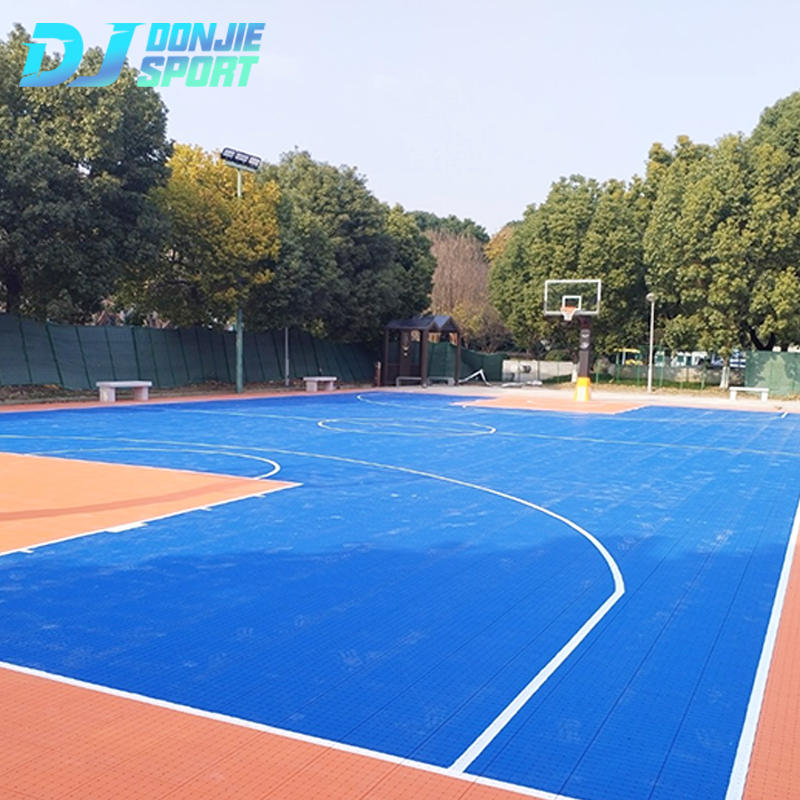
Installation Process for Outdoor Basketball Flooring
Installing outdoor basketball flooring involves several key steps. Depending on the material chosen, the installation process may vary, but here are the general steps:
-
Prepare the surface: Ensure that the ground is level and free of debris. This may require some initial groundwork.
-
Install a base layer: A base layer of gravel or concrete ensures a stable foundation for the flooring.
-
Lay the flooring: Whether you’re using tiles or a continuous roll of material, the flooring is carefully laid down and secured in place.
-
Finishing touches: Once the flooring is installed, it’s time to add the court markings, apply a protective sealant, and let it cure before use.
Maintaining Outdoor Basketball Flooring for Longevity
To keep your outdoor basketball court in great condition, it’s important to maintain the flooring regularly. Here are some tips:
-
Regular cleaning: Sweep or wash the court to remove dirt and debris, which can cause wear over time.
-
Inspect for damage: Check for cracks, tears, or other damage regularly, especially after extreme weather conditions.
-
Resealing: If necessary, reseal the surface periodically to protect it from UV damage and weathering.
Conclusion
Choosing the right outdoor basketball flooring is an important decision for schools looking to create a safe, durable, and high-performance court. With the right flooring material, schools can ensure that their courts will stand up to the test of time, provide a safe playing environment, and deliver a superior experience for students. By considering factors such as budget, durability, and maintenance needs, schools can make an informed choice that aligns with their goals and resources.