When it comes to outdoor pickleball courts, the flooring plays a pivotal role in the game’s quality and safety. The unpredictable nature of the weather means that outdoor court surfaces need to be more than just aesthetically pleasing—they must also be durable enough to withstand harsh elements. Whether it’s the scorching sun, heavy rainfall, or freezing temperatures, weather-resistant flooring ensures that players can enjoy consistent and safe play, no matter the conditions.
In this guide, we will explore the different flooring options for outdoor pickleball courts and how to choose the best surface that stands up to the elements. From the basics of weather resistance to the advantages of various materials, this article will provide you with the essential insights to make an informed decision.
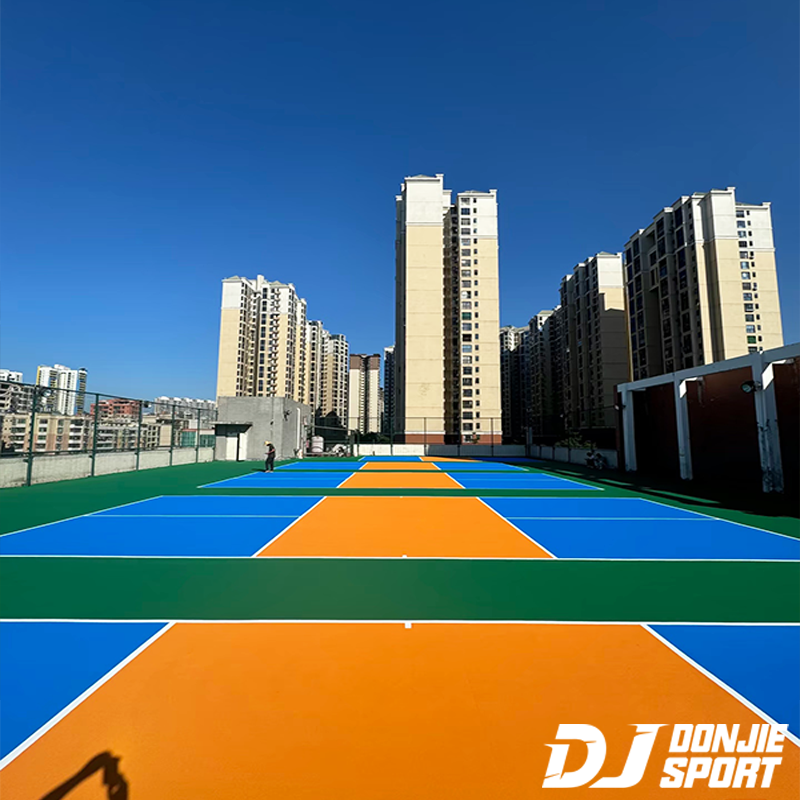
Understanding the Weather Impact on Pickleball Courts
Outdoor pickleball courts are constantly exposed to the elements, and weather conditions significantly affect the court’s longevity and playability. Extreme weather, like high temperatures, humidity, or frequent rainfall, can cause surfaces to crack, fade, or become slippery, making them unsafe for players.
For instance, asphalt and concrete courts can become damaged due to extreme weather conditions. During hot temperatures, these surfaces may expand and crack, leading to costly repairs. In addition, wet conditions can make some surfaces slippery, increasing the risk of accidents.
To ensure your court stays in great condition for years, selecting a surface that can withstand these weather challenges is crucial. Whether you live in an area with high humidity or extreme cold, having the right flooring for weather resistance is a key factor in maintaining a high-performance playing surface.
Types of Outdoor Pickleball Court Flooring
Each type of outdoor pickleball court flooring has its own set of advantages and disadvantages when it comes to weather resistance. Let’s look at the most popular options:
Concrete Surfaces
Concrete courts are one of the most common choices for outdoor pickleball courts. They provide a stable and durable surface, which is crucial for high-level play. However, concrete is highly susceptible to cracking when exposed to extreme temperature fluctuations. The surface can also become slick when wet, which is a significant safety concern.
Asphalt Surfaces
Asphalt is another budget-friendly option for outdoor courts. While it is relatively easy to install and cost-effective, it suffers from the same problem as concrete: it’s prone to weather-related damage. Hot summer temperatures can soften the asphalt, leading to warping, while freezing conditions can cause cracks. Moreover, asphalt requires more frequent maintenance, making it a less ideal long-term solution.
Interlocking Tiles
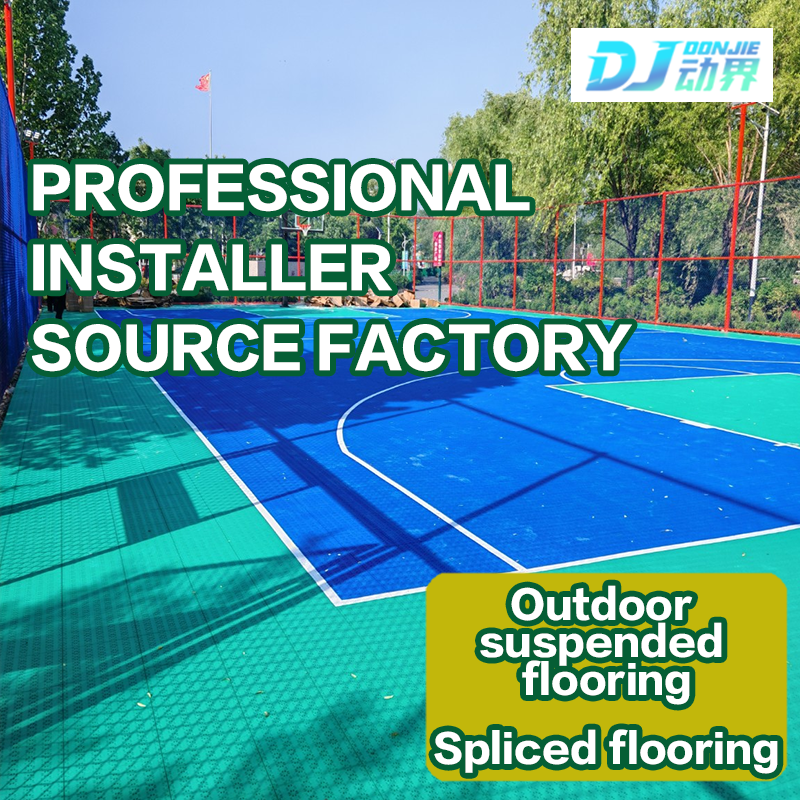
Interlocking tiles made of durable materials like rubber or PVC are quickly becoming a popular choice for outdoor pickleball courts. These tiles are weather-resistant, highly customizable, and easy to install. They also offer a non-slip surface, which is perfect for maintaining player safety during wet weather. However, they can wear down over time, especially if not properly maintained or if exposed to extreme weather conditions regularly.
Artificial Grass
Artificial grass is an attractive option that mimics the look of a traditional lawn while providing a softer, more comfortable playing surface. It is weather-resistant to a degree but still requires proper maintenance to keep it in optimal condition. Artificial grass is also more vulnerable to heavy rain and humidity, which can cause mold and mildew growth if not maintained regularly.
Why PVC Flooring is the Ideal Choice for Outdoor Pickleball Courts
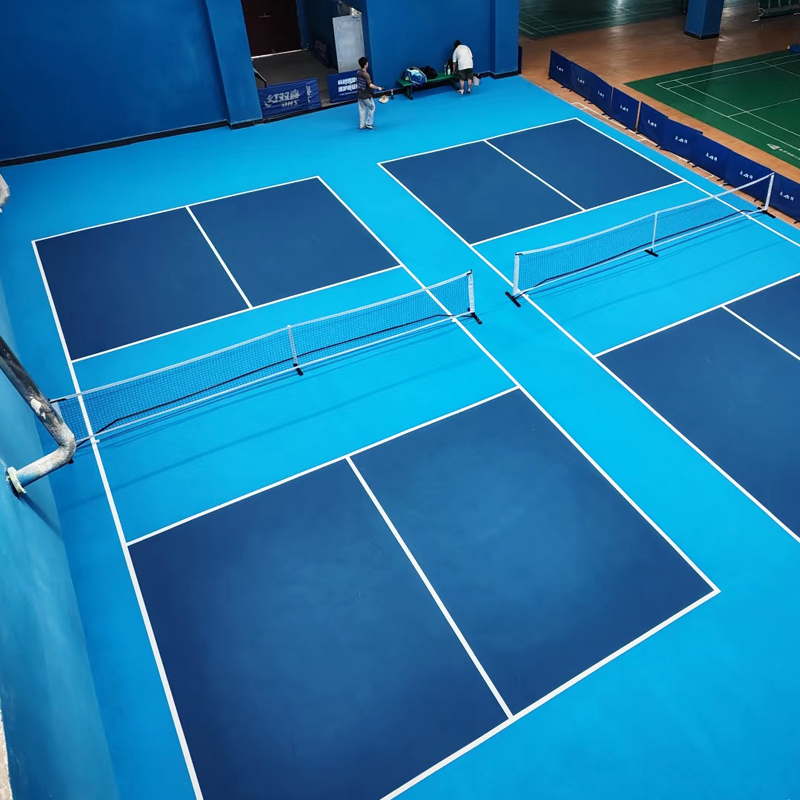
Among the various flooring options available for outdoor pickleball courts, PVC flooring stands out as an ideal choice for weather resistance. PVC, or polyvinyl chloride, is a synthetic material known for its durability, moisture resistance, and versatility, making it perfect for outdoor environments. Here’s why PVC flooring is an excellent option for your pickleball court:
-
Durability in Extreme Temperatures: PVC flooring can withstand extreme temperature fluctuations without cracking or warping. Whether it’s the intense heat of summer or the chill of winter, PVC flooring maintains its integrity, offering consistent performance year-round.
-
Resistance to UV Degradation: Unlike concrete or asphalt, PVC flooring is resistant to UV rays, which can cause fading and surface degradation. This makes PVC an ideal choice for areas with a lot of sun exposure, as the flooring retains its vibrant color and structural integrity even after extended exposure to sunlight.
-
Moisture Resistance: One of the key features of PVC flooring is its resistance to moisture. It does not absorb water, which is crucial for outdoor pickleball courts that are frequently exposed to rain. PVC flooring prevents issues like mold and mildew growth that can plague other surfaces like artificial grass or asphalt.
-
Non-Slip Surface: Safety is a top priority for any sports court. PVC flooring offers a textured surface that provides excellent grip, reducing the risk of slips and falls, especially when the court is wet from rain or humidity. This non-slip property ensures that players can maintain traction, even during challenging weather conditions.
-
Low Maintenance and Long Lifespan: PVC flooring is relatively low maintenance compared to other flooring types. It does not require frequent sealing or repairs, making it a cost-effective option in the long run. With proper care, PVC flooring can last for many years, making it a great investment for outdoor pickleball courts.
How to Choose the Best Flooring for Your Outdoor Pickleball Court
Selecting the best flooring for your outdoor pickleball court involves several factors beyond just weather resistance. Consider the following elements when making your decision:
-
Climate Considerations: The local climate plays a significant role in determining the best flooring for your court. If you live in an area with high humidity, PVC flooring’s moisture resistance will protect the surface from mold and water damage. In regions with extreme temperatures, PVC flooring’s ability to withstand heat and cold makes it a reliable choice.
-
Budget vs. Long-Term Investment: While some flooring options, like asphalt or concrete, may be more affordable upfront, they require more maintenance and have a shorter lifespan compared to PVC flooring. Investing in high-quality PVC flooring can save you money in the long run due to its durability and low maintenance needs.
-
Installation and Maintenance: Consider whether you want to tackle the installation process yourself or hire professionals. Some materials, like interlocking tiles or PVC, offer easier installation compared to more rigid surfaces like concrete. Additionally, PVC flooring requires minimal maintenance, which is a significant advantage for busy pickleball courts.
-
Player Preferences and Safety: The type of flooring you choose will also affect the overall playing experience. PVC flooring offers a consistent bounce and smooth surface, ensuring a quality game. Player safety should also be a priority, and PVC’s non-slip surface ensures reduced risk of injury, especially in wet conditions.
Installation Tips for Outdoor Pickleball Court Flooring
Once you’ve selected the ideal flooring material, proper installation is key to ensuring its longevity and performance. Here are some tips to ensure a smooth and long-lasting installation process:
-
Prepare the Ground: Ensure that the ground is level and free from debris. A solid foundation is essential for avoiding uneven surfaces or shifting tiles. If installing PVC tiles, make sure the base is firm and smooth to prevent gaps or warping.
-
DIY vs. Professional Installation: PVC flooring tiles are generally easy to install for those who are handy with tools, but for larger courts, it may be worthwhile to hire professionals. They can ensure that the installation is done correctly, especially when working with larger tiles or rolls of PVC flooring.
-
Ensure Proper Drainage: Outdoor pickleball courts must have proper drainage to prevent water from pooling on the surface. Before installing your flooring, check that the area has a slight slope to direct water away from the court. This will help maintain the integrity of your flooring and ensure a dry playing surface after rain.
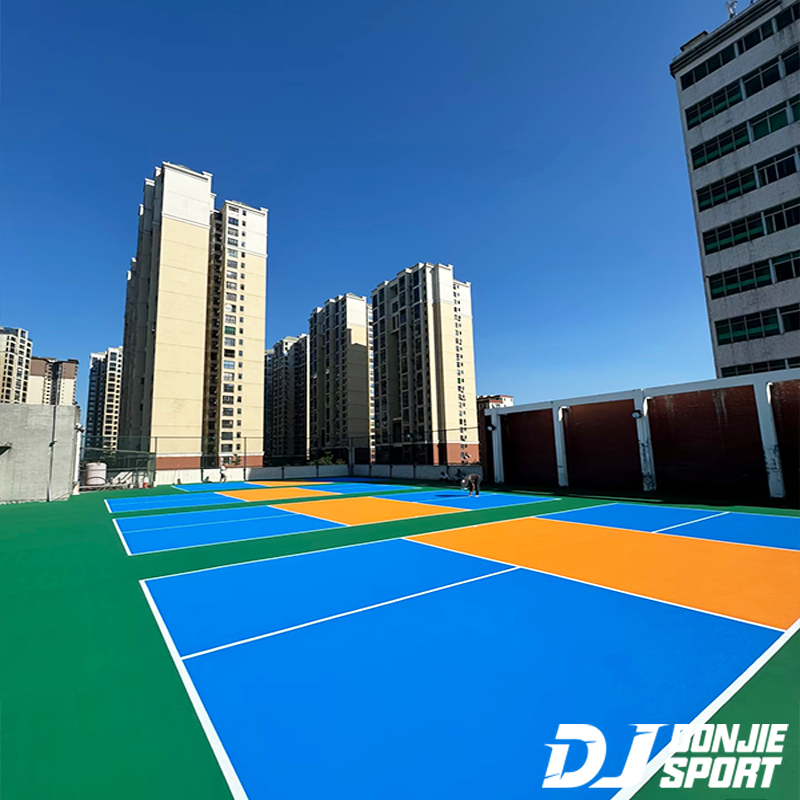
Maintaining Your Outdoor Pickleball Court Flooring
To extend the life of your outdoor pickleball court flooring, regular maintenance is essential. Here are some general tips for maintaining various types of flooring:
-
Cleaning and Upkeep: For PVC flooring, use a mild detergent and water to clean the surface. Avoid harsh chemicals that could degrade the material over time. For interlocking tiles, check for loose or damaged pieces and replace them as needed.
-
Prevent Weather-Related Damage: Regularly inspect your court for signs of wear and tear, such as cracks or fading. If your area experiences harsh winter conditions, consider covering the court during the off-season to protect the flooring from snow and ice.
-
Seasonal Care: In colder climates, it’s important to remove snow or ice from the court promptly to prevent any potential damage to the flooring. In hot climates, ensure that the court is regularly cleaned to prevent dust or debris buildup, which can affect the surface’s performance.
Conclusion
Choosing the right flooring for your outdoor pickleball court is essential to ensure a safe, durable, and high-performance surface that stands up to the elements. PVC flooring offers superior weather resistance, durability, and low maintenance, making it an excellent choice for outdoor pickleball courts. By considering your local climate, budget, and maintenance preferences, you can select the flooring that best meets your needs and keeps your court in optimal condition for years to come.