Choosing the right flooring for a volleyball court is essential for ensuring both player safety and optimal performance. Whether you are setting up a court indoors or outdoors, the type of flooring you select will significantly impact the playing experience. Understanding the key differences between outdoor and indoor volleyball flooring will help you make an informed decision that suits your needs, whether for recreational play or competitive sports.
Understanding Volleyball Flooring Types
Before diving into the specific benefits of indoor and outdoor volleyball flooring, it’s essential to understand the different types of flooring commonly used for volleyball courts. Volleyball flooring serves two main purposes: providing an even and stable surface for players, and ensuring their safety during intense physical activity.
-
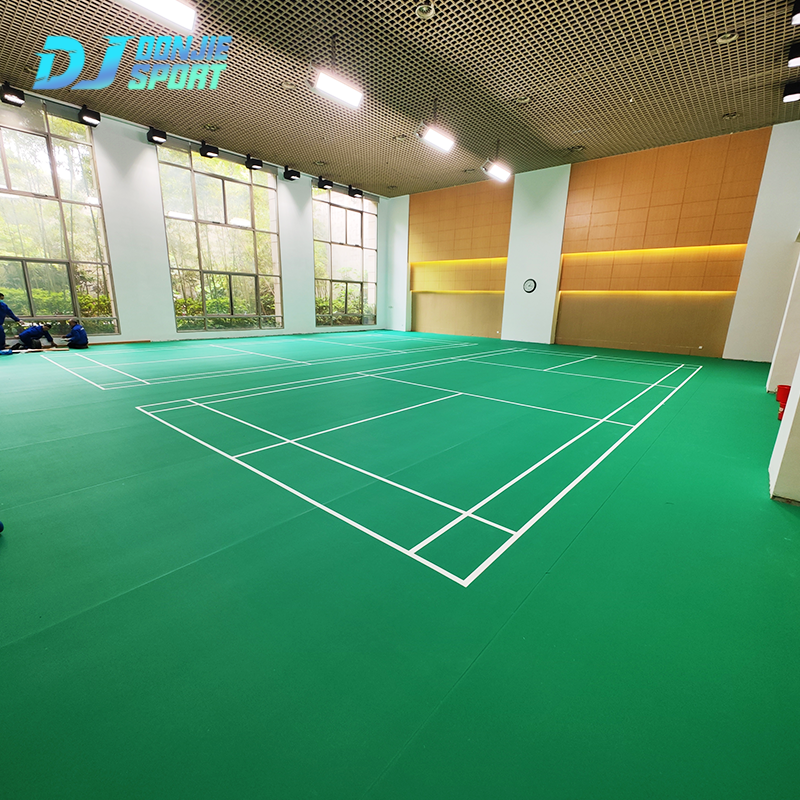
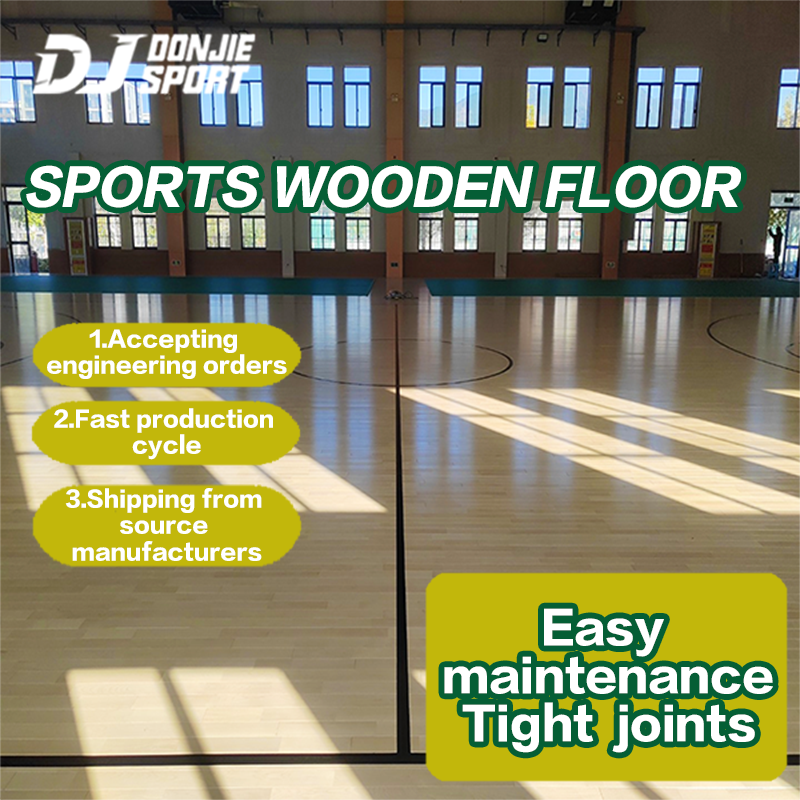
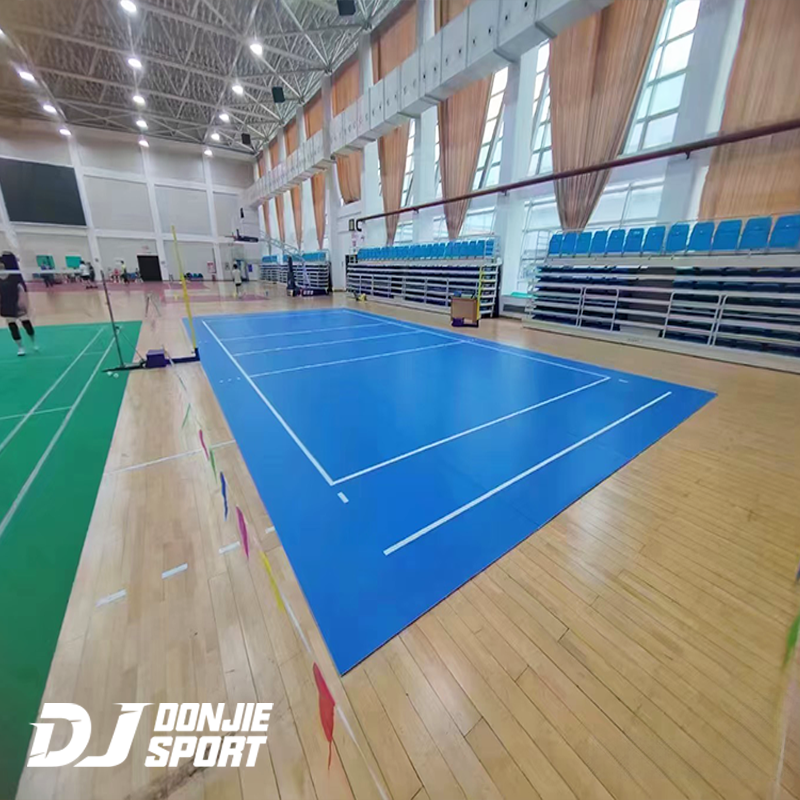
Indoor Volleyball Flooring: Typically, indoor volleyball courts are made with high-performance wood, such as maple, or synthetic materials like PVC or vinyl. These surfaces are engineered for comfort, performance, and durability in a controlled environment.
-
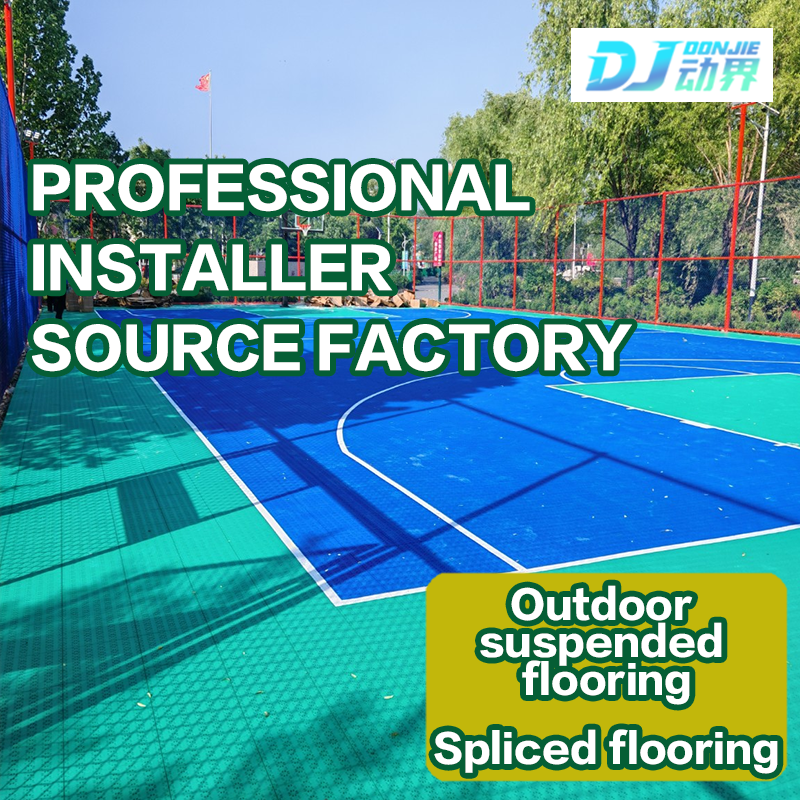
Outdoor Volleyball Flooring: Outdoor courts require flooring that can withstand the elements. Common materials include synthetic rubber tiles, plastic interlocking tiles, or polyurethane. These materials are built to endure harsh weather conditions, including UV exposure and moisture, while offering excellent grip and support for players.
Key Differences Between Outdoor and Indoor Volleyball Flooring
Material Differences: Synthetic vs. Wood
The material composition is one of the most significant differences between indoor and outdoor volleyball flooring.
-
Indoor Flooring: Wood floors, especially hardwood like maple, are the gold standard for indoor volleyball courts. They offer a smooth, consistent playing surface that enhances player comfort and performance. Synthetic options, like PVC or vinyl, are also available and are typically chosen for their cost-effectiveness and ease of maintenance.
-
Outdoor Flooring: Outdoor flooring needs to be more durable and resistant to environmental stress. Materials like rubber, interlocking plastic tiles, and polyurethane are commonly used because they are weather-resistant and can handle exposure to rain, sun, and temperature fluctuations without degrading. These surfaces are designed to provide better traction on uneven outdoor grounds.
Durability Considerations for Indoor and Outdoor Courts
-
Indoor Courts: Indoor courts generally have a longer lifespan as they are protected from the elements. The maintenance for indoor volleyball floors is simpler since they are not exposed to dirt, rain, or UV rays. However, they do need regular care, such as cleaning, refinishing, and sometimes re-coating to maintain optimal performance.
-
Outdoor Courts: Flooring for outdoor volleyball courts faces more significant wear and tear. UV rays, moisture, and temperature changes can degrade the material over time. Outdoor surfaces need to be more durable, with some options requiring more frequent maintenance to ensure safety and longevity. However, outdoor flooring typically comes with warranties that cover environmental exposure.
Aesthetic Choices and Color Variations
-
Indoor Flooring: Indoor volleyball courts can often be customized with various designs, including color patterns, logos, and branding. The aesthetic appeal of a well-maintained indoor court can be impressive, especially for professional or school sports events.
-
Outdoor Flooring: Outdoor flooring also comes in a range of colors and styles, although options may be somewhat limited compared to indoor courts. The color choice can often influence the overall look of the court, although outdoor flooring’s primary function is durability over appearance.
Advantages of Indoor Volleyball Flooring
Superior Cushioning and Shock Absorption
Indoor volleyball flooring often features shock-absorbing properties that help reduce the impact on players’ joints during intense games. Wood floors or advanced synthetic materials provide a level of cushioning that minimizes the risk of injury. This is particularly important for athletes who spend long hours training and playing.
Consistent Playing Surface
Indoor courts are protected from external weather conditions, ensuring a stable and consistent surface. This consistency is crucial for professional-level games where performance and fairness are paramount.
Longevity and Low Maintenance
Indoor volleyball courts, particularly those with wood flooring, tend to last much longer if properly maintained. With low exposure to the elements, these courts require less frequent repairs and can last for decades. Routine maintenance, such as sanding and refinishing, keeps the surface in prime condition for years.
Safety Features for Players
Indoor volleyball floors are designed to provide a safe playing surface that reduces the risk of injuries like sprains and fractures. Features like slip resistance and superior shock absorption contribute to the safety of players, making indoor flooring the preferred choice for competitive play.
Advantages of Outdoor Volleyball Flooring
Weather Resistance and UV Protection
Outdoor volleyball flooring is built to withstand exposure to the elements. Most outdoor court materials, such as interlocking tiles or rubber, are resistant to UV rays, rain, and fluctuating temperatures. This durability ensures that the flooring retains its integrity and performance, regardless of environmental conditions.
Adaptability to Various Weather Conditions
Unlike indoor courts, outdoor flooring is designed to function in various weather conditions. Whether it’s hot and sunny, rainy, or cold, outdoor flooring can endure without significant deterioration. Some materials even provide traction, ensuring players can still perform well in wet conditions.
Cost-Effectiveness and Ease of Installation
Outdoor volleyball courts often cost less to install than their indoor counterparts. Many outdoor flooring options are modular, which makes installation easier and faster. Interlocking tiles, for example, are DIY-friendly and don’t require professional installation, making them a cost-effective choice for schools, recreational centers, and private property owners.
Versatility for Multi-Purpose Use
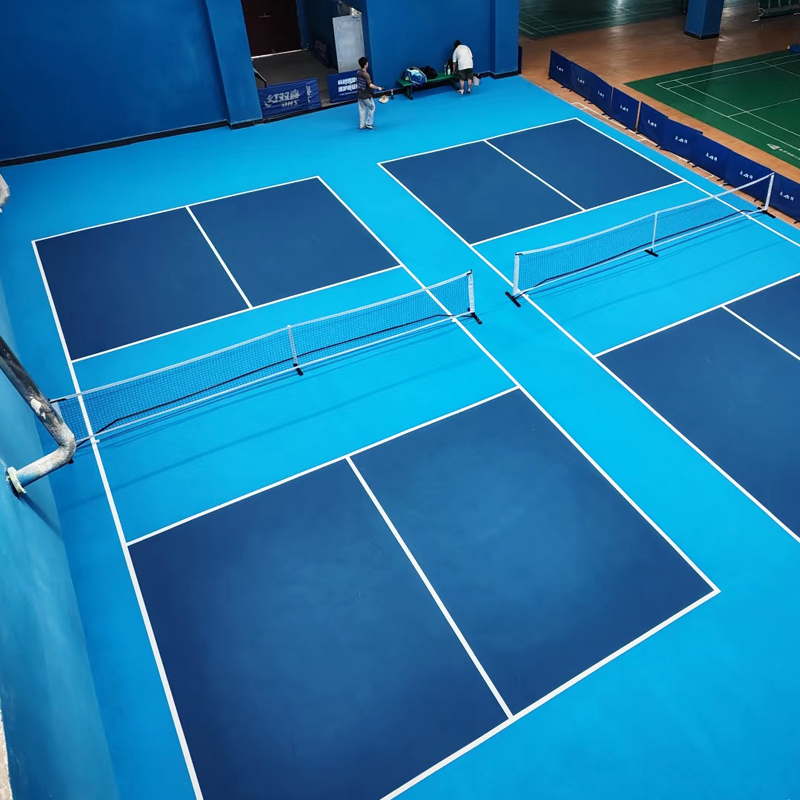
Outdoor volleyball courts are versatile spaces that can accommodate other activities like badminton, futsal, or general recreational play. The flexible nature of the flooring allows for different sports to be played without compromising the quality of the court’s surface.
Factors to Consider When Choosing Between Outdoor and Indoor Volleyball Flooring
When choosing the right flooring for your volleyball court, there are several factors you should keep in mind.
Budget Considerations
Indoor courts tend to be more expensive to install due to the cost of materials like wood and professional installation. However, they offer a longer lifespan and require less frequent maintenance. Outdoor courts may have a lower initial cost, but their maintenance needs can add up over time, especially in areas with harsh weather conditions.
Space Availability and Court Size
The available space for your volleyball court may influence your flooring choice. Indoor courts are generally restricted by the size of the building, whereas outdoor courts have more flexibility in terms of size and layout.
Local Climate and Weather Conditions
The climate where the court is located plays a significant role in your decision. If the region experiences extreme weather, outdoor flooring should be more durable and resistant to environmental wear. In contrast, indoor courts provide more control over temperature and humidity, offering a stable environment for year-round play.
Frequency of Use and Player Requirements
If you plan to use the volleyball court regularly for professional or competitive play, investing in high-quality indoor flooring is beneficial. However, for occasional or recreational use, outdoor flooring may be sufficient, especially if the court is used for multiple sports.

How to Choose the Right Volleyball Flooring for Your Court
Choosing the right volleyball flooring involves balancing multiple factors, including cost, durability, performance, and usage. Here are some questions to help guide your decision:
-
What is your budget for installation and maintenance?
-
Will the court be used for professional or casual play?
-
Do you live in a region with extreme weather conditions?
-
How often will the court be used?
Once you’ve answered these questions, you’ll be in a better position to choose between outdoor and indoor volleyball flooring based on your needs.
Conclusion
When deciding between indoor and outdoor volleyball flooring, both options offer distinct advantages. Indoor volleyball flooring provides superior performance, safety, and longevity, making it ideal for professional and high-traffic environments. On the other hand, outdoor volleyball flooring offers flexibility, weather resistance, and cost-effectiveness, making it perfect for casual play or multi-purpose courts.
Ultimately, the right choice will depend on your specific requirements, including budget, frequency of use, and environmental factors. By weighing these considerations carefully, you can ensure that your volleyball court remains a safe, durable, and enjoyable space for players.