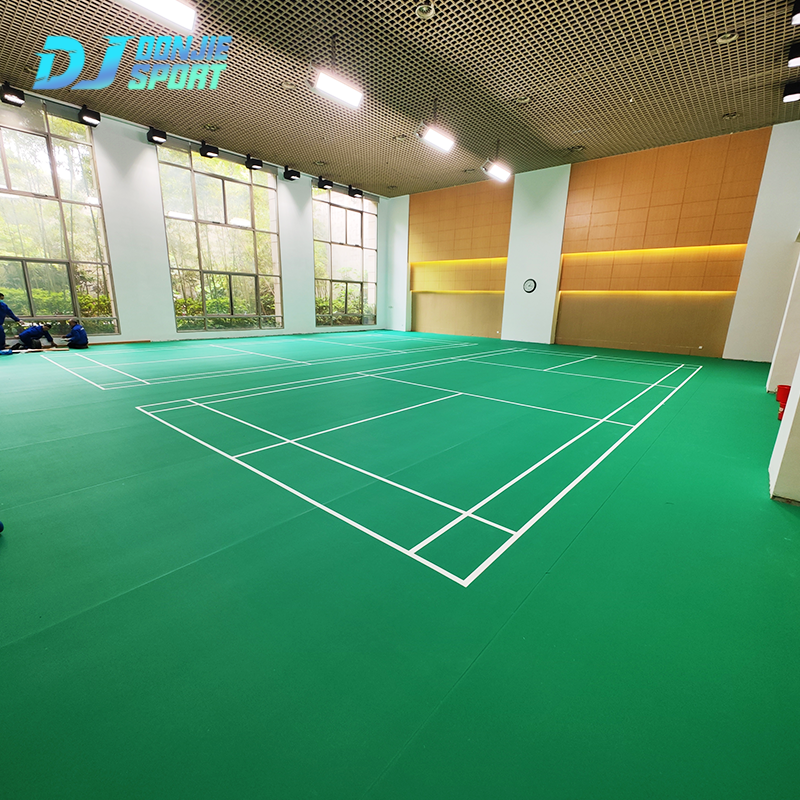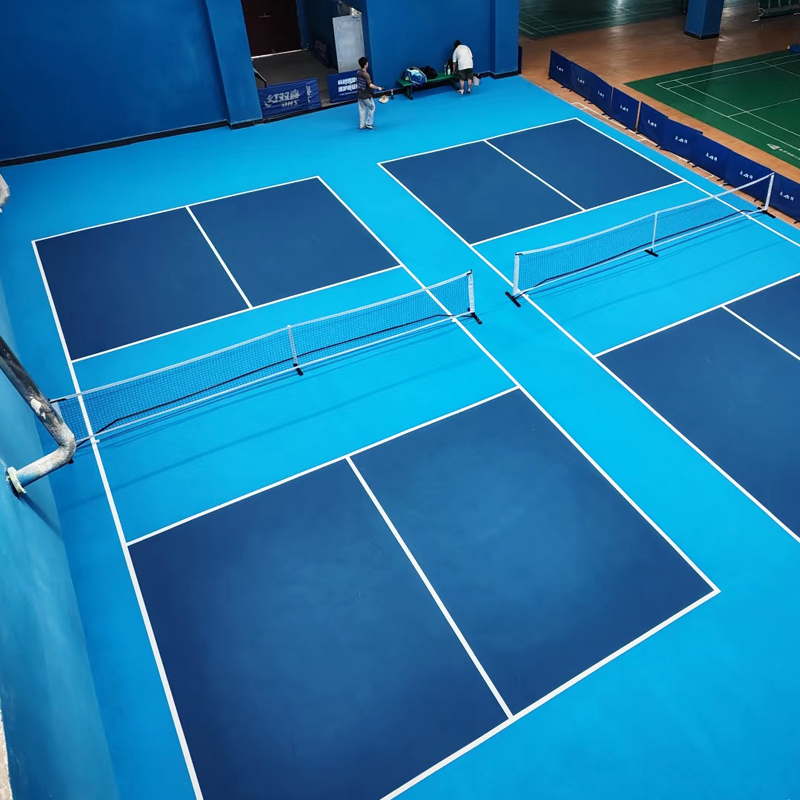
As pickleball continues to grow in popularity, ensuring that your court is equipped with the best flooring is crucial for both player safety and performance. Whether you’re building a new pickleball court or upgrading an existing one, the right choice of floor mats can significantly impact the overall experience. For outdoor courts, the flooring must be durable enough to handle the elements while providing a surface that enhances gameplay.
In this article, we will guide you through the process of selecting the right material for your pickleball court floor mats. We will cover key factors such as durability, shock absorption, traction, and maintenance, while highlighting popular materials like PVC, rubber, and interlocking tiles. Understanding these options will help you make an informed decision and ensure your court lasts for years, with optimal performance for players.
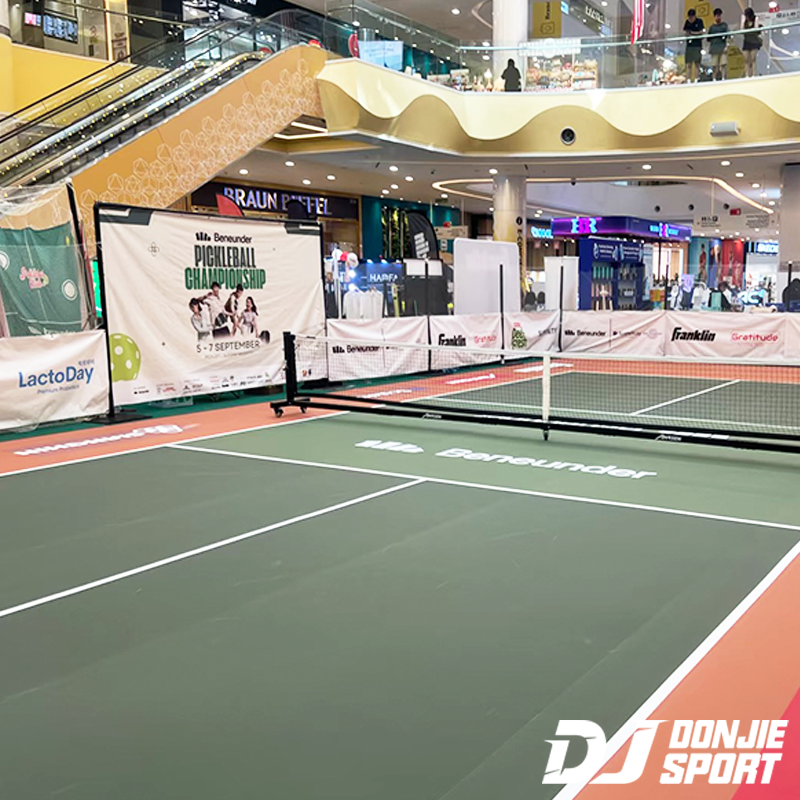
Understanding Pickleball Court Flooring
When designing or upgrading a pickleball court, it’s essential to understand the unique characteristics that make pickleball court mats distinct from other types of sports flooring. Unlike general-purpose flooring, pickleball mats must be engineered to withstand the high-impact nature of the sport, particularly on outdoor surfaces that are exposed to the elements. A good floor mat should balance several key features: comfort, durability, traction, and resilience.
Floor mats for pickleball courts serve not only as a surface for play but also as a protective layer for the players. For outdoor courts, it’s crucial that these mats are designed to resist UV rays, moisture, and fluctuating temperatures, all of which can cause wear and tear if the materials aren’t carefully selected. The material choice will directly impact the players’ performance and their safety during play.
Unlike indoor courts where temperature and humidity are controlled, outdoor pickleball flooring needs to endure environmental changes, and thus, the choice of material becomes even more important.
Key Factors to Consider When Choosing Pickleball Court Mats
Durability and Weather Resistance
Outdoor pickleball courts face constant exposure to sunlight, rain, wind, and temperature extremes. It’s essential to choose a flooring material that can withstand these harsh conditions without deteriorating quickly. PVC (polyvinyl chloride) flooring, for instance, is known for its excellent resistance to UV rays and water, making it an ideal material for outdoor environments. Additionally, rubber mats are also weather-resistant, with high resilience to both heat and cold.
One of the most critical aspects to consider is how the material holds up in extreme weather conditions, particularly intense sun or heavy rain. Materials that can resist warping, cracking, and fading will ensure that your court stays in good shape over time.
Shock Absorption and Comfort
Pickleball is a fast-paced, high-impact sport that requires a flooring material that can absorb the shocks of rapid footwork and sudden movements. In outdoor settings, the wrong flooring material could cause joint pain or increase the risk of injury over time. Shock-absorbing mats are necessary to reduce the stress on players’ joints and improve their comfort during long sessions.
Rubber flooring is one of the best materials when it comes to shock absorption. Its thick, cushioned surface provides a comfortable experience for players, helping to minimize the impact on their knees, ankles, and hips. PVC flooring also offers a degree of shock absorption, although it tends to be firmer than rubber. For those looking for a softer surface, polyurethane or foam mats might be an option, though these are generally better suited for indoor courts or lighter recreational use.
Traction and Grip
Traction is vital for any sports flooring, especially in pickleball, where quick lateral movements are frequent. Without proper grip, players could slip, leading to potential injuries. A non-slip surface that provides adequate traction ensures that players can move confidently without worrying about losing their footing during play.
PVC flooring typically offers good traction, especially when textured. The textured surface helps players maintain control while playing, even when the court is damp from rain. Rubber mats are also excellent in terms of grip, providing a surface that keeps players stable during intense rallies. When choosing a material, consider whether the surface needs to be extra grippy or if a slightly smoother surface would suffice for your specific court requirements.
Maintenance and Longevity
Maintaining outdoor pickleball courts can be challenging, as dirt, debris, and weather conditions can all affect the condition of the floor mats. Choosing a flooring material that is easy to clean and durable will save you time and money on repairs and upkeep. PVC and rubber flooring are relatively low-maintenance, as they can be cleaned with a hose or a mild cleaning solution.
Some materials, like foam or polyurethane mats, may require more frequent cleaning and special care to ensure they remain in good condition. These materials might be more prone to damage from the elements, so it’s important to assess your location’s climate before choosing such options.
A well-maintained court will extend the lifespan of the flooring, making it a better long-term investment for any pickleball venue.
Popular Materials for Outdoor Pickleball Court Mats
PVC Flooring
PVC flooring is a popular choice for outdoor pickleball courts due to its durability, versatility, and affordability. It is highly resistant to weather conditions, making it ideal for outdoor environments. PVC mats are also relatively easy to install, and they provide a firm, supportive surface that is gentle on the joints while still offering excellent traction.
For outdoor pickleball courts, PVC is a strong contender, as it can withstand prolonged exposure to UV rays, moisture, and extreme temperatures. Its ability to maintain its integrity in changing weather conditions makes it a top choice for long-lasting outdoor flooring.
Rubber Flooring
Rubber flooring is another excellent material for outdoor pickleball courts. Known for its shock absorption and long-lasting durability, rubber is a popular choice for courts that see a lot of traffic. Its non-slip surface ensures that players maintain good grip, even in wet conditions. The cushioning effect of rubber flooring helps minimize impact injuries, making it ideal for players who spend hours on the court.
Rubber mats can withstand harsh weather conditions, and their resilience makes them suitable for outdoor courts where weather can vary drastically. While they may be slightly more expensive than PVC flooring, the long-term benefits of rubber flooring, particularly in terms of player safety and comfort, can make it worth the investment.
Polyurethane and Foam Mats
Polyurethane and foam mats are soft and cushioned, making them a good choice for recreational courts where comfort is a priority. These materials can provide a softer landing and are easier on the joints, but they may not be as durable as PVC or rubber, particularly in extreme outdoor conditions. They are better suited for indoor or temporary courts but can be used outdoors in more controlled environments.
These types of mats are ideal for players who prioritize comfort over durability, especially in lower-intensity play.
Interlocking Tiles
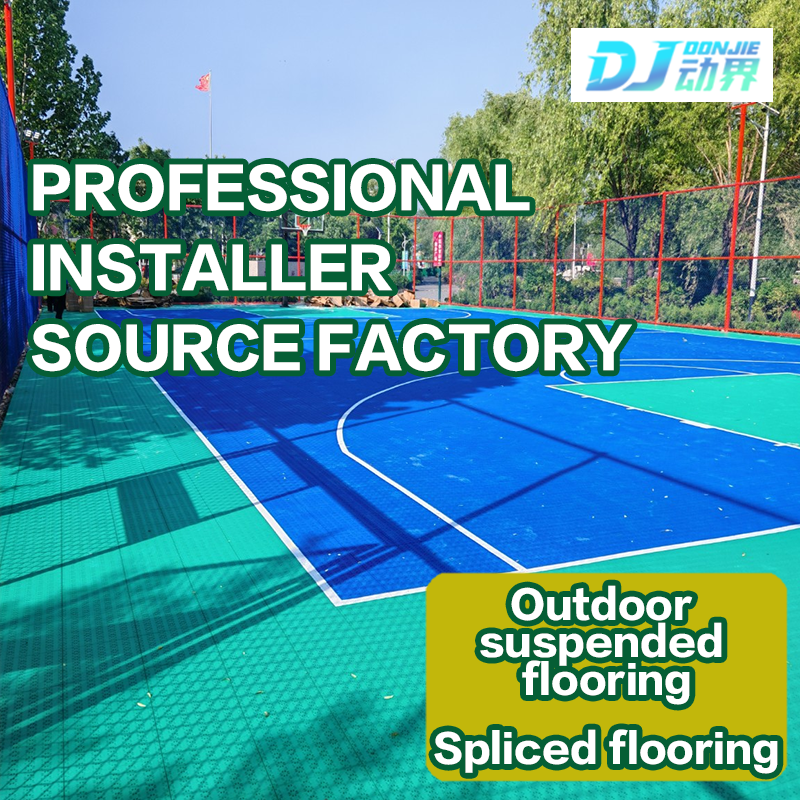
Interlocking tiles offer a versatile and easy-to-install solution for outdoor pickleball courts. These tiles are often made from PVC or rubber and lock together without the need for glue or nails. The ability to replace individual tiles if they get damaged is a key advantage, and the interlocking design allows for easy customization of court size and shape.
Interlocking tiles are highly durable, resistant to weather, and can be easily cleaned. They are a good choice for those who need a modular, customizable court surface or a temporary court.
How to Choose the Best Material Based on Your Court’s Needs
When deciding on the best material for your outdoor pickleball court, it’s essential to factor in your location’s climate, the intensity of usage, and your budget.
Climate Considerations
Consider your location’s weather patterns. If you live in an area with high temperatures and strong sunlight, UV-resistant materials like PVC are ideal. If rain is frequent, rubber mats provide excellent water resistance and will keep your court in good condition longer.
Usage Intensity
For professional-level play, choose materials like rubber or high-quality PVC that provide the necessary durability and performance. For recreational courts, you might opt for softer materials like foam or interlocking tiles, which offer comfort but may not withstand the same level of intense play.
Budget and Cost Efficiency
While rubber and PVC flooring may come with a higher initial cost, they offer better long-term value due to their durability. If you’re working within a strict budget, interlocking tiles or foam mats might be more affordable, but keep in mind their potential maintenance costs and longevity.
Conclusion
Choosing the right material for your outdoor pickleball court floor mats is a crucial decision that impacts not only the longevity of your court but also the safety and comfort of the players. From durable PVC and rubber flooring to cushioned foam mats, each material offers its own set of advantages, making it important to consider your specific needs. Whether you are building a professional court or a recreational space, the right floor mats will ensure a better playing experience, providing the ideal balance of comfort, performance, and weather resistance.