Pickleball, one of the fastest-growing sports in the world, is taking over both recreational and competitive courts. As the game gains momentum, more facilities are investing in top-notch courts to provide the best experience for players. One of the most important decisions when building or renovating a pickleball court is choosing the right flooring. The flooring not only affects the aesthetics of the space but also plays a crucial role in player performance, safety, and overall game enjoyment.
In this article, we’ll dive into the various flooring options available for pickleball courts, from rubber to PVC to wood, and explore their benefits and drawbacks. Whether you’re setting up an indoor or outdoor court, understanding the differences between these materials will help you make the best choice for your facility.
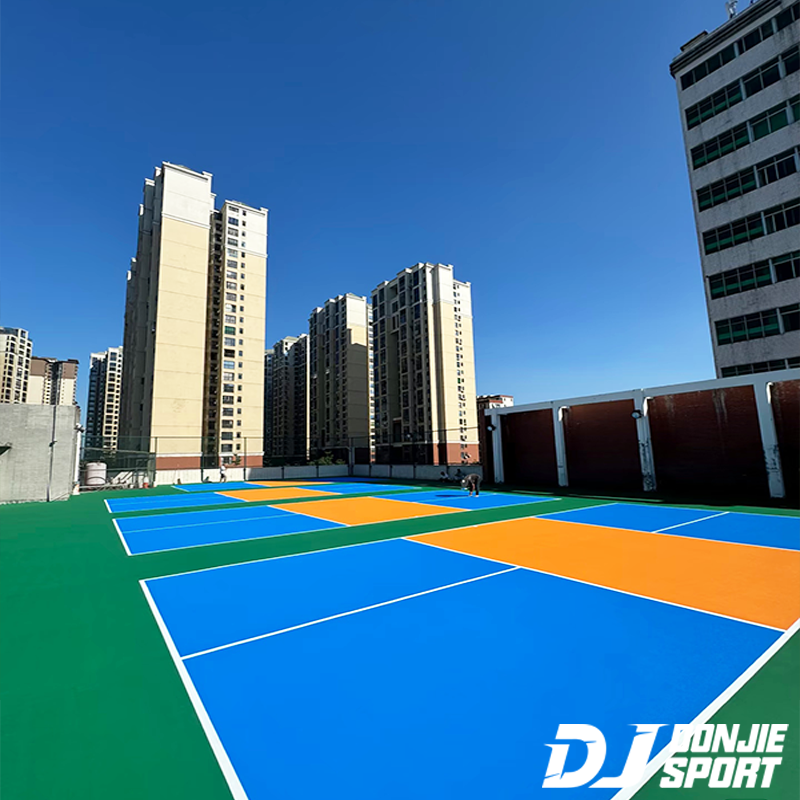
Why Flooring Matters for Pickleball Courts
The right flooring can make all the difference when it comes to the performance of your pickleball court. From enhancing player comfort to preventing injuries, choosing the correct surface is essential. Let’s explore the key factors that make flooring so important for pickleball courts:
Performance: The Impact on Speed and Bounce
Pickleball is a dynamic sport that requires quick reflexes and fast movements. The floor type directly influences how the ball bounces and how fast the players can move. A floor that provides a consistent bounce is essential for maintaining the flow of the game. For example, flooring with uneven surfaces can cause unpredictable bounces, which may disrupt play.
Safety: Preventing Injuries
Injuries are an unfortunate reality in any sport, and pickleball is no exception. The right flooring helps reduce the risk of injuries by providing cushioning and a non-slip surface. A hard, unforgiving surface can lead to joint pain, while a slippery floor may cause players to fall, leading to injuries. Investing in flooring with good shock absorption and traction can make the difference between a safe game and one that leads to frequent injuries.
Durability: Long-lasting Performance
Pickleball courts, especially those used in high-traffic areas, face a lot of wear and tear. Whether indoor or outdoor, the flooring you choose must stand up to the demands of constant play. Some materials are more durable than others, making them ideal for high-use courts, while others may be better suited for less frequent use or temporary setups.
Key Considerations When Choosing Pickleball Court Flooring
When deciding on the ideal flooring for your pickleball court, several factors must be taken into account. These factors will help you choose the best material to suit your needs, whether you’re creating a brand-new court or upgrading an existing one.
Indoor vs. Outdoor Courts: Why the Location Matters
The environment where your pickleball court will be located plays a major role in determining the best flooring choice. Indoor courts generally benefit from flooring that provides good shock absorption and durability under dry conditions, while outdoor courts must withstand the elements, including rain, sunlight, and temperature fluctuations.
For example, outdoor courts require flooring that is weather-resistant and can handle prolonged exposure to UV rays, while indoor courts focus more on providing comfort and bounce consistency.
Budget: Factors to Consider When Determining Flooring Cost
Your budget is a key element in selecting pickleball court flooring. Some materials, like wood, are often more expensive, while others, like rubber or PVC tiles, offer more affordable solutions. Keep in mind not only the initial cost of the flooring but also long-term maintenance costs. Some floors may require more frequent repairs or cleaning, which can add up over time.
Maintenance: Upkeep of Different Flooring Types
Certain types of flooring require more maintenance than others. For example, wooden floors may need periodic refinishing, while PVC or rubber floors tend to be easier to clean and maintain. If you expect high traffic on your court, you’ll want a flooring option that is both easy to maintain and capable of withstanding heavy use.
Popular Pickleball Court Flooring Options
Each flooring type has its own strengths and weaknesses, so it’s essential to understand which one works best for your specific needs. Let’s break down the most popular flooring materials for pickleball courts:
Rubber Flooring
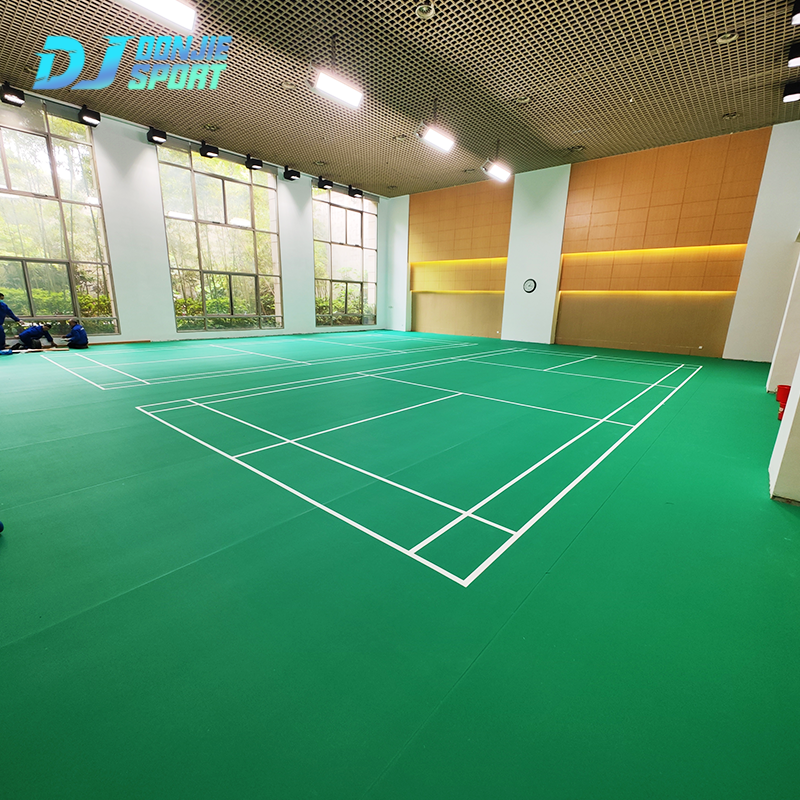
Rubber flooring is one of the most commonly used surfaces for indoor pickleball courts. This type of flooring is popular because it provides excellent shock absorption, making it a good option for reducing the strain on players’ joints.
Benefits:
-
Excellent cushioning for player comfort.
-
Non-slip surface for added safety.
-
Durable and long-lasting, even with heavy foot traffic.
Ideal For:
-
Indoor courts.
-
Multi-purpose sports halls.
Pros and Cons:
-
Pros: Rubber flooring is affordable, easy to install, and offers significant comfort. It’s also relatively low maintenance.
-
Cons: While durable, it may not be as resistant to outdoor weather conditions as other materials.
PVC Flooring
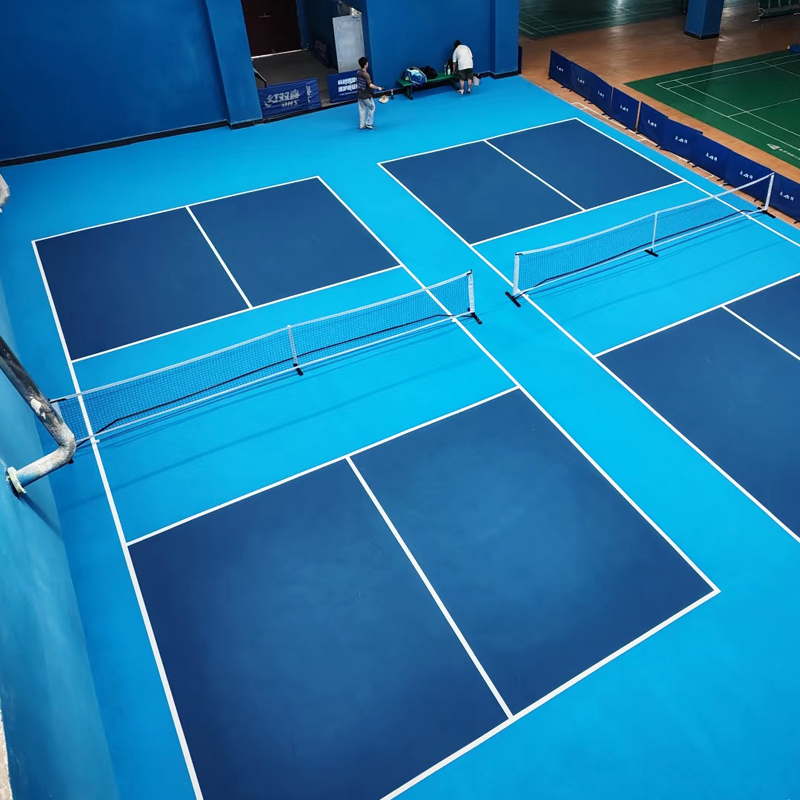
PVC flooring is a versatile option that is ideal for both indoor and outdoor courts. Known for its durability and ease of maintenance, PVC flooring is a great choice for facilities looking for long-lasting, easy-to-care-for surfaces.
Benefits:
-
Resistant to moisture and UV rays.
-
Easy to clean and maintain.
-
Offers consistent bounce and comfort.
Ideal For:
-
Both indoor and outdoor courts.
Pros and Cons:
-
Pros: PVC flooring is highly durable and comes in various colors and textures. It’s also resistant to water and temperature changes, making it suitable for all climates.
-
Cons: While highly durable, it can sometimes be more expensive than other flooring options, especially if installed professionally.
Wooden Flooring
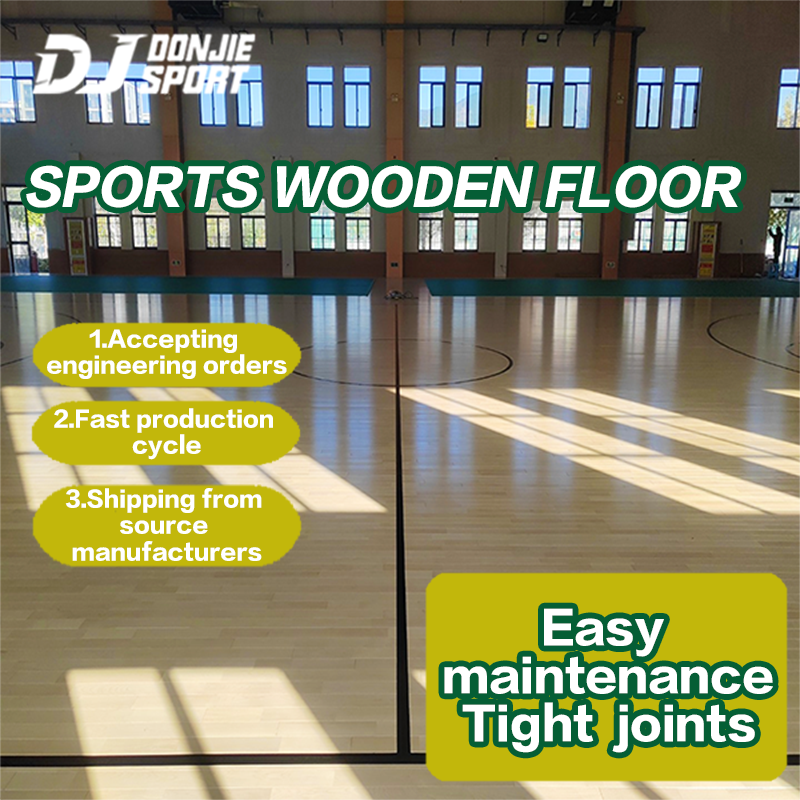
Wooden flooring offers a classic and aesthetic look, commonly found in high-end or professional indoor pickleball courts. Wood provides a consistent bounce, making it a popular choice for competitive play.
Benefits:
-
Provides ideal ball bounce.
-
Aesthetic and professional appearance.
-
Suitable for high-end, permanent installations.
Ideal For:
-
Indoor courts, especially professional and tournament venues.
Pros and Cons:
-
Pros: Wood is durable, attractive, and provides the best bounce for competitive play.
-
Cons: Wood flooring requires high maintenance, such as refinishing and sealing. It is also costly and can warp when exposed to moisture, making it unsuitable for outdoor courts.
Interlocking Tiles
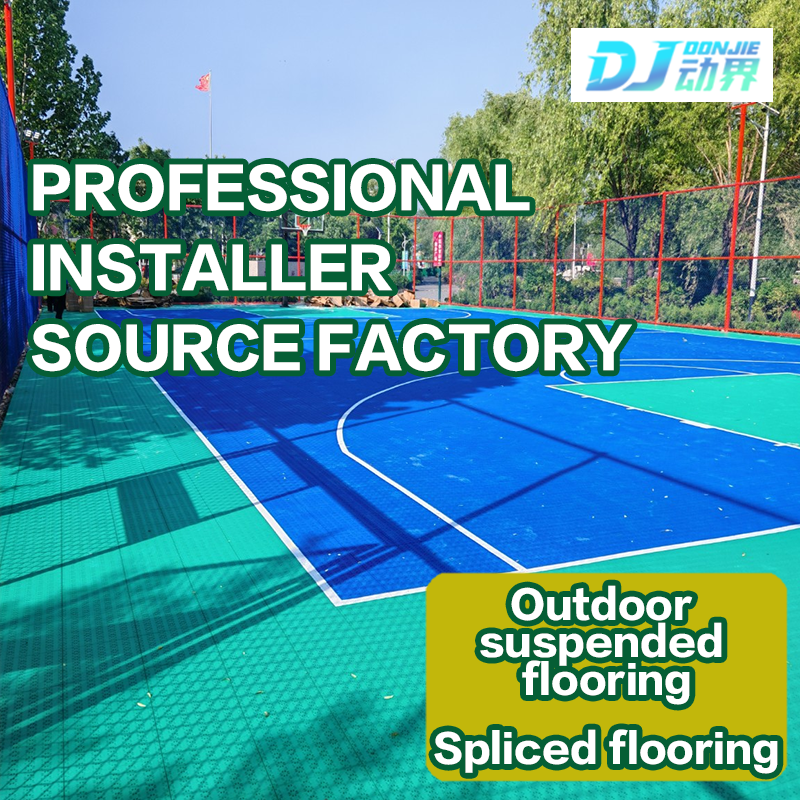
Interlocking tiles are a versatile and cost-effective flooring option for both temporary and permanent pickleball courts. They are easy to install and replace, making them a great choice for facilities that need flexible setups.
Benefits:
-
Quick installation and easy replacement.
-
Modular design allows for customized court sizes.
-
Durable and weather-resistant for outdoor use.
Ideal For:
-
Portable courts.
-
Outdoor courts in community centers or schools.
Pros and Cons:
-
Pros: Interlocking tiles are highly convenient, cost-effective, and easy to transport or store.
-
Cons: They may not offer the same level of performance or durability as permanent flooring options like wood or PVC.
Artificial Turf
Artificial turf offers the look and feel of a traditional grass court with less maintenance. This flooring type is ideal for outdoor courts, especially in dry climates.
Benefits:
-
Low maintenance.
-
Similar playing experience to grass courts.
-
Weather-resistant and durable.
Ideal For:
-
Outdoor courts in areas with mild to dry climates.
Pros and Cons:
-
Pros: Artificial turf provides a comfortable playing surface and requires less upkeep compared to natural grass.
-
Cons: It may not offer the same level of consistency in ball bounce as other materials.
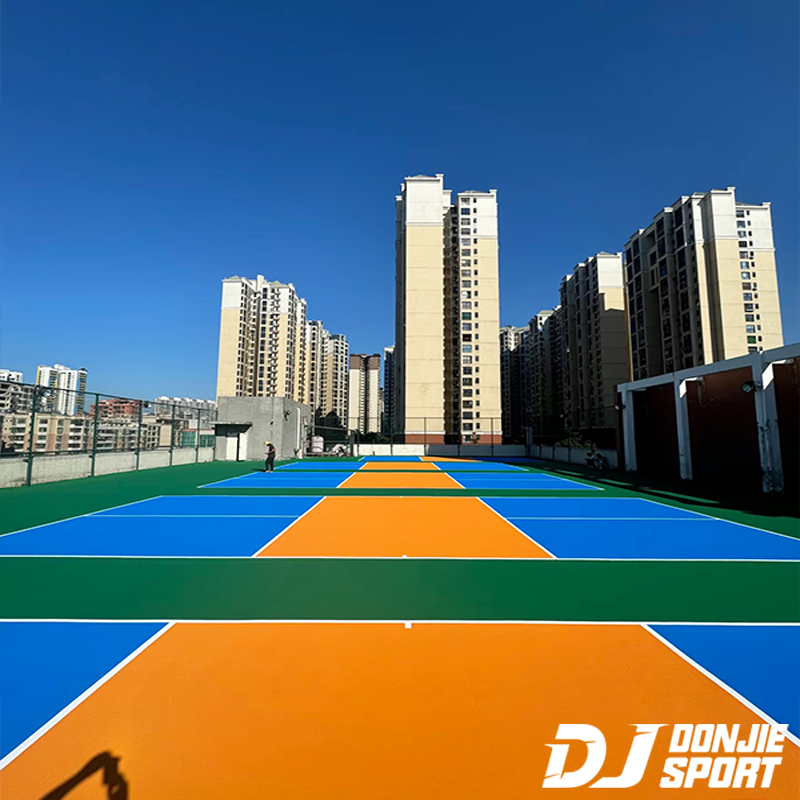
Factors Affecting Court Performance and Player Experience
When choosing your flooring, it’s important to consider how it will impact the overall playing experience. Here are some key factors to keep in mind:
Bounce Consistency
A good pickleball court flooring should offer consistent ball bounce. This ensures that players can rely on predictable ball behavior during a match. Floors that absorb or deflect the ball too much can lead to erratic bounces, disrupting the flow of the game.
Traction and Comfort
Traction is vital for preventing slips and falls. Flooring should offer enough grip to prevent accidents while also providing a comfortable playing surface. Comfort plays a role in reducing fatigue during extended matches, particularly for players who play regularly.
Noise Level
While not always considered, the noise produced by a ball bouncing on the floor can affect the experience. Some floors, such as rubber or PVC, tend to produce less noise, which can create a quieter and more enjoyable environment.
Aesthetics
The look of the court may not affect gameplay directly, but the visual appeal is important for players and spectators alike. Flooring options like PVC and wood come in various colors and designs, allowing you to match the court with the surrounding facility’s aesthetic.
Choosing the Right Flooring for Your Pickleball Court Facility
Now that you know the key flooring options, how do you determine which is best for your facility?
-
Assess the Court’s Location and Purpose: Are you building a professional, indoor court or a recreational, outdoor facility? The flooring should suit the climate and the level of play expected.
-
Consider Your Budget: Higher-end options like wood may provide the best performance but come at a higher price. Determine your budget and weigh it against the needs of your facility.
-
Factor in Long-Term Maintenance: Flooring that requires less upkeep, like PVC or rubber, might be a better option for high-traffic facilities. Wooden floors will need more attention to maintain their appearance and performance.
Conclusion
Choosing the right flooring for your pickleball court is essential for providing an enjoyable and safe playing experience. Whether you choose rubber, PVC, wood, interlocking tiles, or artificial turf, each material offers unique benefits that suit different court types and budgets. By considering factors such as location, budget, and maintenance, you can find the perfect surface that meets both player needs and facility demands.