Pickleball has surged in popularity over the past decade, becoming a favorite sport in both recreational and competitive settings. Whether you’re a professional player or just someone enjoying the game with friends, the quality of your playing surface can make a huge difference in your experience. One of the key elements that can enhance your court is the choice of flooring mats.
Pickleball flooring mats are essential for providing the right combination of comfort, performance, and safety. They help protect players from injuries, improve traction, and ensure that your court remains durable over time. In this guide, we’ll take you through everything you need to know about choosing the perfect pickleball flooring mats, ensuring that your court offers the best possible experience.
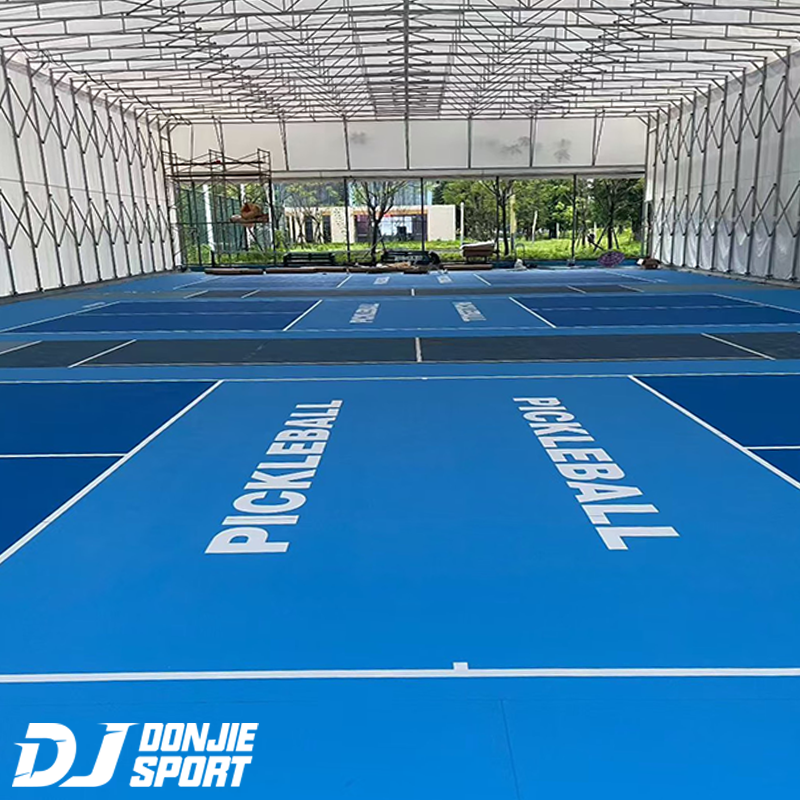
Understanding Pickleball Flooring Mats
What Are Pickleball Flooring Mats?
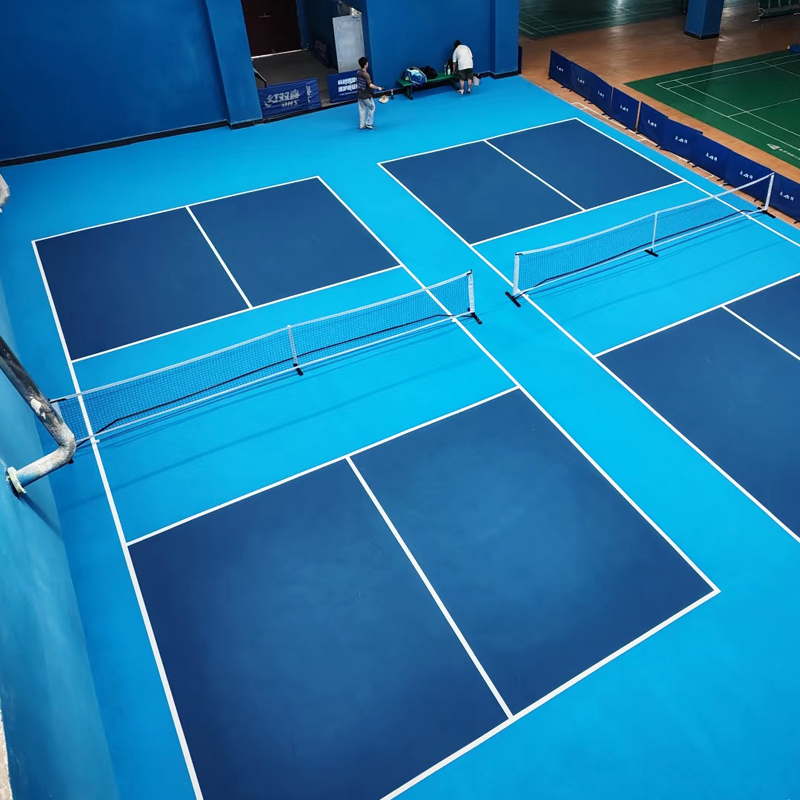
Pickleball flooring mats are specialized mats designed specifically for use on pickleball courts. Unlike traditional flooring, these mats are made to handle the specific demands of pickleball gameplay, offering a balance of durability, comfort, and safety. They are typically installed over a subfloor or existing flooring and can be used both indoors and outdoors.
These mats come in various materials, such as rubber, PVC, and foam, and are designed to provide cushioning for players while also ensuring excellent traction. Their primary purpose is to offer a non-slip surface that can withstand repeated foot traffic and the impact of the ball without deteriorating quickly.
Why Pickleball Flooring Mats Matter
Pickleball flooring mats contribute to player safety by providing shock absorption, which helps prevent joint injuries. They also enhance performance by offering a consistent and smooth surface for quick movements, allowing players to play at their best. Additionally, these mats contribute to the longevity of your court by minimizing wear and tear, especially in high-traffic areas. Whether you’re setting up a court for recreational use or for a competitive environment, the right flooring mats are essential to maintaining the integrity of the court and ensuring player satisfaction.
Factors to Consider When Choosing Pickleball Flooring Mats
Material Choices
When selecting pickleball flooring mats, the material is one of the most crucial factors to consider. Different materials offer varying benefits and performance features.
-
Rubber Mats: Rubber is a popular choice for both indoor and outdoor pickleball courts. It’s known for its durability, shock absorption, and resistance to wear and tear. Rubber mats are ideal for outdoor courts as they offer excellent grip and are resistant to moisture, making them suitable for all weather conditions.
-
PVC Mats: PVC mats are lightweight, easy to install, and offer great traction, making them suitable for indoor courts. They are also relatively low-maintenance and easy to clean, but they might not offer as much cushioning as rubber mats.
-
Foam Mats: Foam mats provide additional cushioning, which can be beneficial for indoor courts where players might be prone to impact injuries. While they offer superior comfort, foam mats might not be as durable as rubber or PVC for long-term outdoor use.
Durability and Wear Resistance
Durability is essential when selecting flooring mats, especially for outdoor courts where exposure to the elements can accelerate wear and tear. Rubber mats tend to be the most durable, handling constant play and weather conditions like UV rays, rain, and humidity without deteriorating quickly. PVC mats are also durable but may require additional care when exposed to the sun for extended periods.
For indoor courts, durability remains important as well, but the risk of external factors like weather is lower. In this case, you may focus more on cushioning and ease of maintenance. However, all mats should be able to withstand the constant foot traffic from players and occasional ball impacts without significant damage.
Thickness and Cushioning
The thickness of your pickleball flooring mat plays a crucial role in both comfort and injury prevention. Thicker mats provide more cushioning, which is beneficial for protecting joints and minimizing fatigue during long games. Typically, mats should be at least 3-5 mm thick for good comfort and shock absorption.
For indoor courts, a medium thickness may be sufficient, as the mat doesn’t need to withstand the same extreme conditions as outdoor mats. On outdoor courts, a thicker mat will not only offer better cushioning but also better protection against harsh weather elements.
Size and Fit
When choosing a flooring mat, getting the right size is essential to ensure a proper fit on your court. Most pickleball court mats are available in standard sizes, but custom-sized mats are available if you want a perfect fit. Measure your court’s dimensions carefully and consider any potential gaps that might appear during installation. Mats that are too small or too large may lead to uneven surfaces, affecting the gameplay experience.
Custom mats are an excellent option for a seamless look, but they can be pricier. If you’re working within a budget, standard mats can be installed to fit the area properly, but you may need to make adjustments for the best fit.
Indoor vs. Outdoor Pickleball Flooring Mats
Choosing Mats for Indoor Courts
Indoor courts typically require mats that offer high traction, comfort, and noise reduction. When choosing flooring mats for an indoor pickleball court, consider the following features:
-
Noise Reduction: Some rubber mats can reduce noise levels, which is important in enclosed spaces. This is especially relevant in gymnasiums or community centers where excessive noise could disrupt other activities.
-
Traction: Look for mats that offer strong grip without being too abrasive. This prevents players from slipping during rapid movements, while still offering ease of movement.
-
Comfort: If you plan on using the court for long practice sessions or games, ensure that the mat provides ample cushioning for player comfort and injury prevention.
Choosing Mats for Outdoor Courts
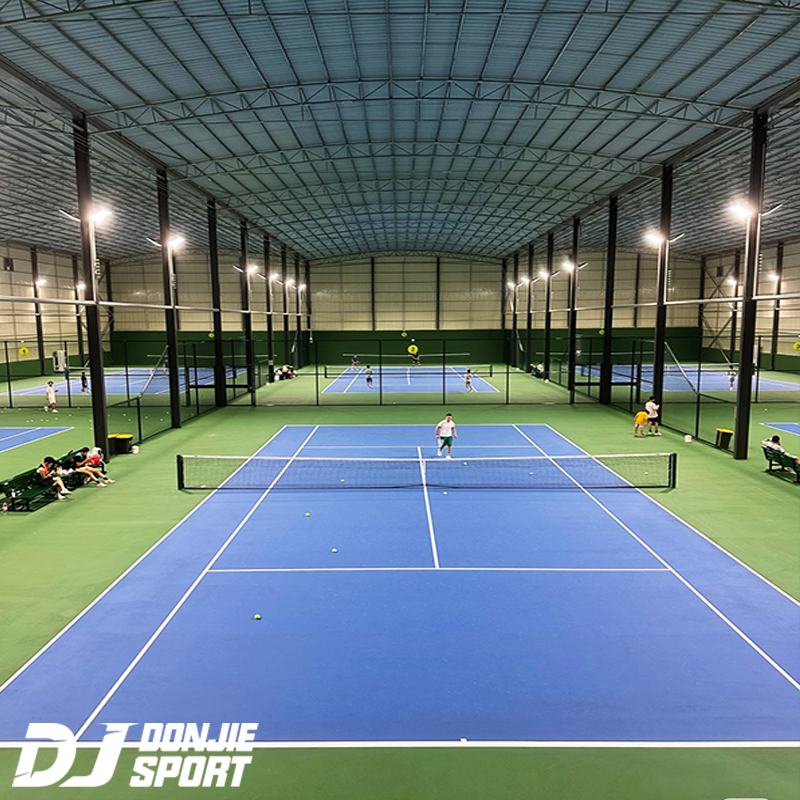
For outdoor pickleball courts, weather resistance is the key consideration. Mats should be designed to withstand sun exposure, rain, and other elements without degrading. UV-resistant mats prevent fading and cracking due to prolonged sun exposure, and water-resistant mats ensure that rain won’t seep into the mat and compromise its integrity.
Rubber mats are typically the best choice for outdoor courts due to their robust resistance to weather conditions, and their durability will extend the life of your court.
Cost Considerations
Budgeting for Pickleball Flooring Mats
When selecting pickleball flooring mats, your budget will play a significant role in your decision-making process. Prices vary depending on the material, size, and thickness of the mat. Rubber mats tend to be more expensive than PVC or foam, but they offer superior durability and long-term performance, making them a worthwhile investment.
While it may be tempting to go for cheaper options, remember that quality flooring mats are an investment that will save you money in the long run by reducing maintenance costs and enhancing the court’s longevity. Consider not only the upfront cost but also the potential long-term benefits and durability.
Installation Tips for Pickleball Flooring Mats
How to Install Mats on Your Court
Installing pickleball flooring mats is a straightforward process, but it requires precision to ensure that the mats fit perfectly and are installed securely. Most mats are designed to interlock or snap together, making them easy to assemble.
-
Start by cleaning and preparing the surface of your court.
-
Lay the mats down in the designated area, ensuring they align properly.
-
If you’re using interlocking mats, press them together firmly.
-
For adhesive mats, apply the adhesive to the surface of the court and carefully lay the mats down, pressing them into place.
Professional Installation vs. DIY
While installing mats is often a DIY-friendly task, you may choose to hire professionals if you prefer a flawless finish or if the installation process feels overwhelming. Professionals can ensure that mats are installed correctly, minimizing the risk of gaps or uneven surfaces.
Maintenance and Care for Pickleball Flooring Mats
Cleaning Your Mats
To maintain the cleanliness and functionality of your pickleball flooring mats, it’s essential to clean them regularly. Depending on the material, use appropriate cleaning solutions to remove dirt, stains, and debris. Rubber mats can be cleaned with soap and water, while PVC mats may require a mild detergent solution. Avoid harsh chemicals that could damage the mats’ surface.
Maintaining the Mats for Longevity
Inspect your mats periodically for signs of wear, such as cracks, tears, or fading. Proper storage during off-seasons (for outdoor mats) and occasional re-sealing (for rubber mats) can help extend their lifespan. Performing regular maintenance will ensure that your pickleball court continues to provide a safe and high-performance playing surface for years to come.
Conclusion
Choosing the right pickleball flooring mats is crucial for creating a safe, durable, and high-performance court. By considering factors such as material, durability, cushioning, and fit, you can find the perfect mats for your needs. Whether you’re setting up an indoor or outdoor court, the right flooring mats will enhance player comfort, performance, and safety, making every game an enjoyable experience.