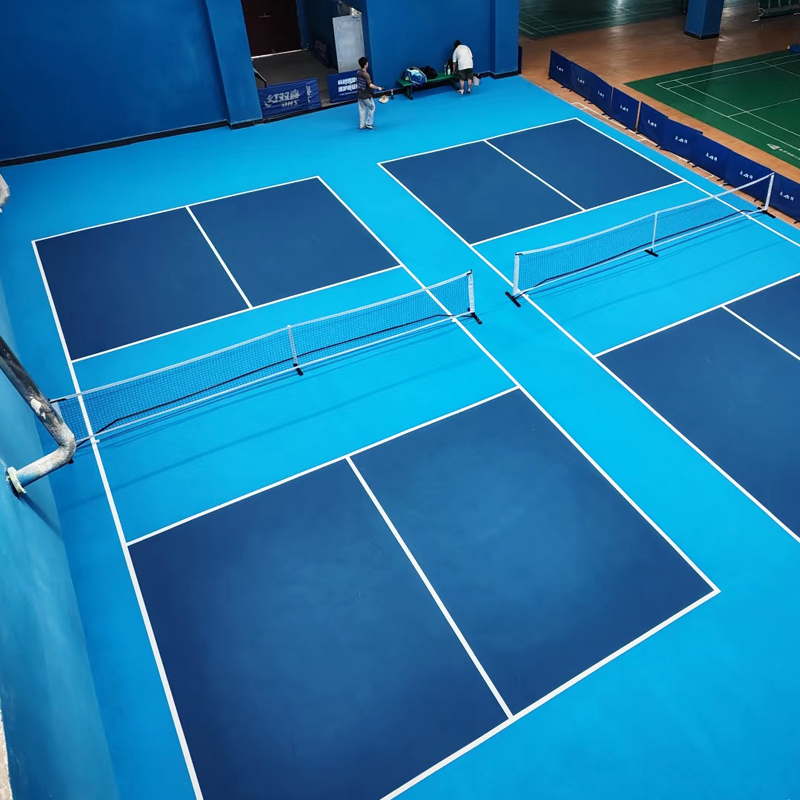
Pickleball is quickly becoming one of the most popular racquet sports in the world, offering a combination of fun and competitive play. With its growing popularity, the demand for high-quality pickleball courts has surged. One crucial aspect of any court is the flooring, as it directly impacts player performance, safety, and overall experience.
Choosing the right flooring is essential not only for enhancing play but also for ensuring the court’s longevity and ease of maintenance. Among the various materials available, rubber, PVC, and other specialized flooring options stand out as the best choices. In this article, we’ll explore the key features of rubber and PVC pickleball flooring, as well as other options, helping you make an informed decision for your pickleball court.
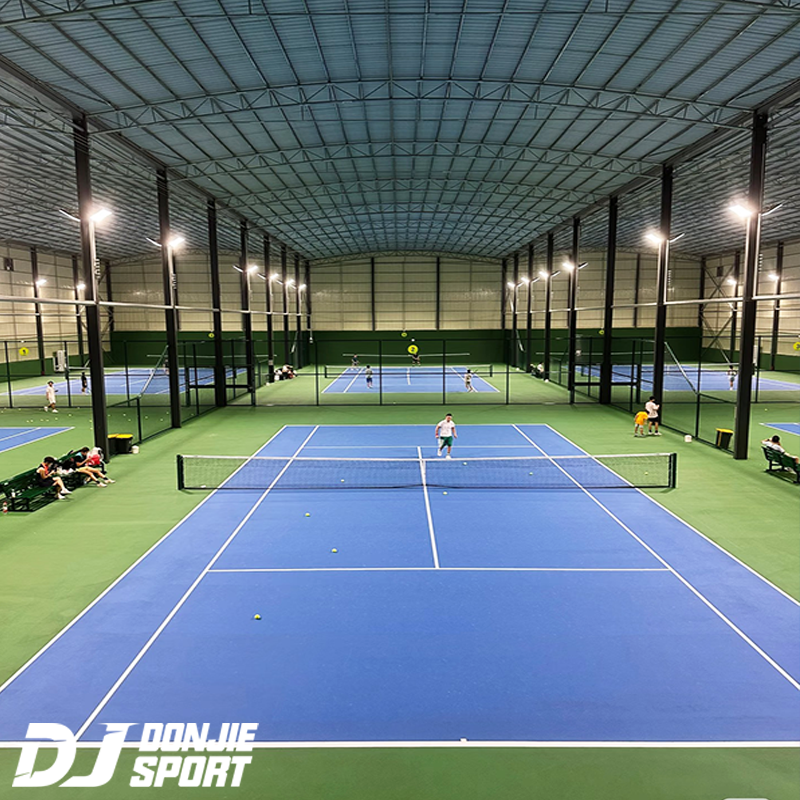
Key Features of Rubber Pickleball Flooring
Rubber flooring is one of the most popular choices for indoor pickleball courts due to its exceptional durability and shock-absorbing properties. This material is especially beneficial for players who are looking for a cushioned surface that reduces the impact on joints.
-
Durability and Resistance to Wear and Tear: Rubber is highly resistant to heavy use, making it an ideal choice for pickleball courts with frequent activity. It can withstand the pressure of fast-paced movements, ball bounces, and heavy foot traffic without losing its structural integrity.
-
Comfort and Shock Absorption: Rubber flooring provides excellent shock absorption, which helps protect players’ knees, ankles, and joints during long matches. This makes it a great option for recreational courts or areas where players may spend extended periods playing.
-
Maintenance and Cleaning Requirements: One of the benefits of rubber flooring is that it is easy to maintain. Regular sweeping and occasional mopping are typically enough to keep it clean. Additionally, rubber flooring is resistant to stains and odors, ensuring that it remains hygienic with minimal effort.
-
Cost Comparison with Other Flooring Options: While rubber flooring may be slightly more expensive than other options like vinyl or wood, its durability and long lifespan make it a cost-effective choice in the long run.
Advantages of PVC Flooring for Pickleball Courts
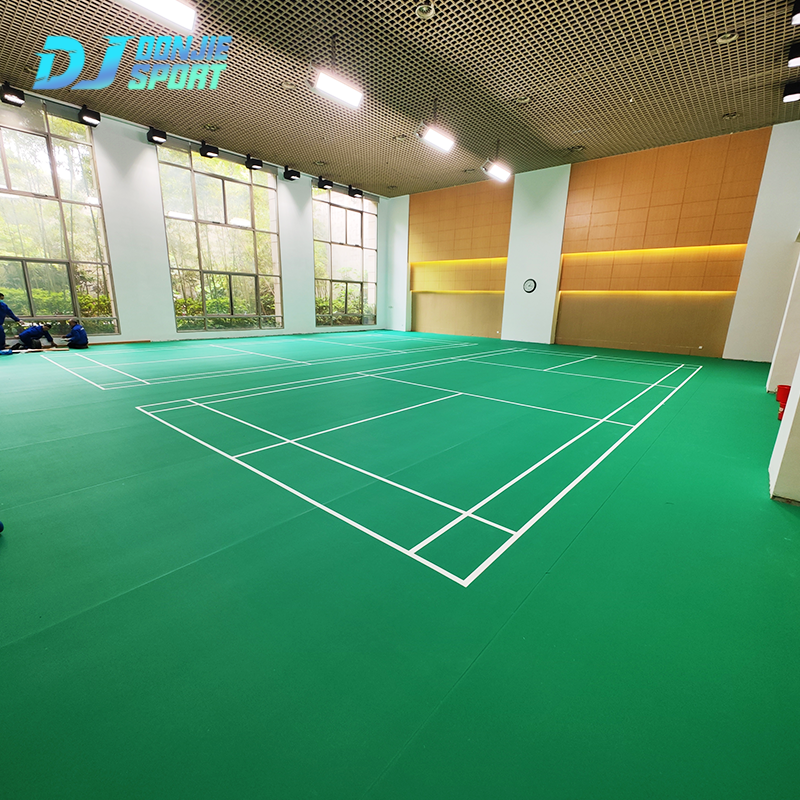
PVC flooring is another excellent option for pickleball courts, particularly for indoor setups. This material is known for its versatility, high performance, and sleek appearance.
-
High Performance and Ideal for Indoor Courts: PVC flooring is designed to offer consistent ball bounce and excellent traction, providing a reliable playing surface for indoor pickleball courts. Its smooth surface allows for easy movement and quick reactions, enhancing the overall game experience.
-
Durability and Longevity: PVC is highly durable and resistant to fading, making it a great choice for long-term investment. It holds up well under both casual and competitive play, maintaining its quality over time despite frequent use.
-
Customization Options and Design Flexibility: One of the key benefits of PVC flooring is its ability to be customized. Available in a variety of colors, textures, and patterns, PVC allows you to create a visually appealing court that suits your aesthetic preferences.
-
How PVC Flooring Enhances Player Performance: PVC’s smooth yet slightly textured surface provides the right amount of grip without being too sticky, allowing players to make quick stops and sharp turns without risking slips. This ensures safety while supporting optimal player performance.
Other Flooring Options for Pickleball Courts
While rubber and PVC flooring are two of the most popular choices, there are several other materials that may suit specific needs or preferences.
-
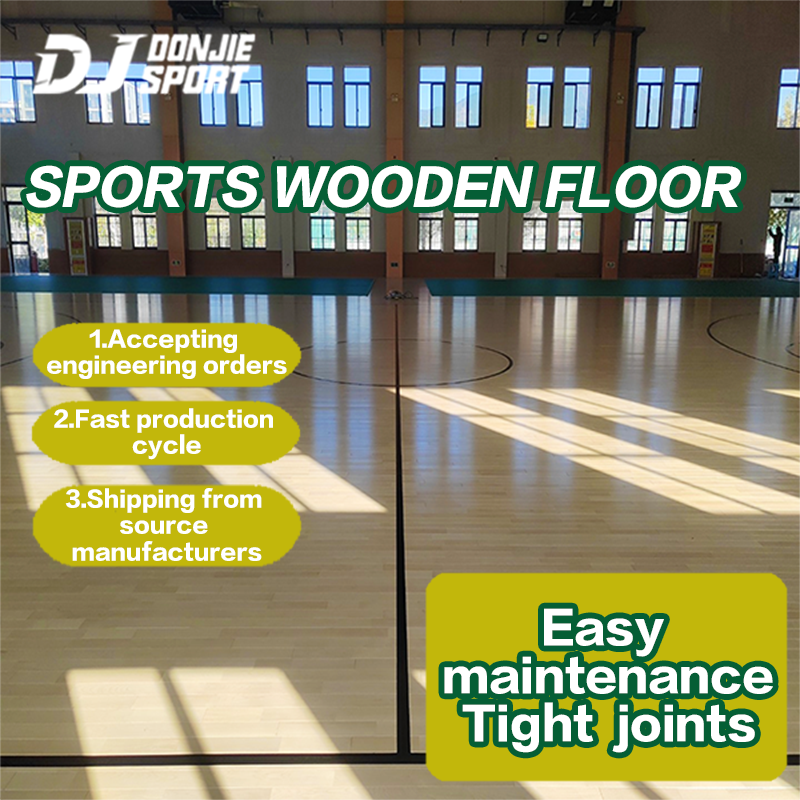
Wood Flooring: Traditional wood flooring is another option for pickleball courts, particularly in multi-use facilities. However, wood requires a more extensive maintenance routine to preserve its condition and prevent warping, especially in high-humidity environments. It also tends to be less durable compared to rubber or PVC.
-
Tile Flooring: Interlocking tile systems provide flexibility and easy installation, making them a convenient option for portable courts. These tiles are available in various materials such as PVC and rubber, offering a balance between durability and portability.
-
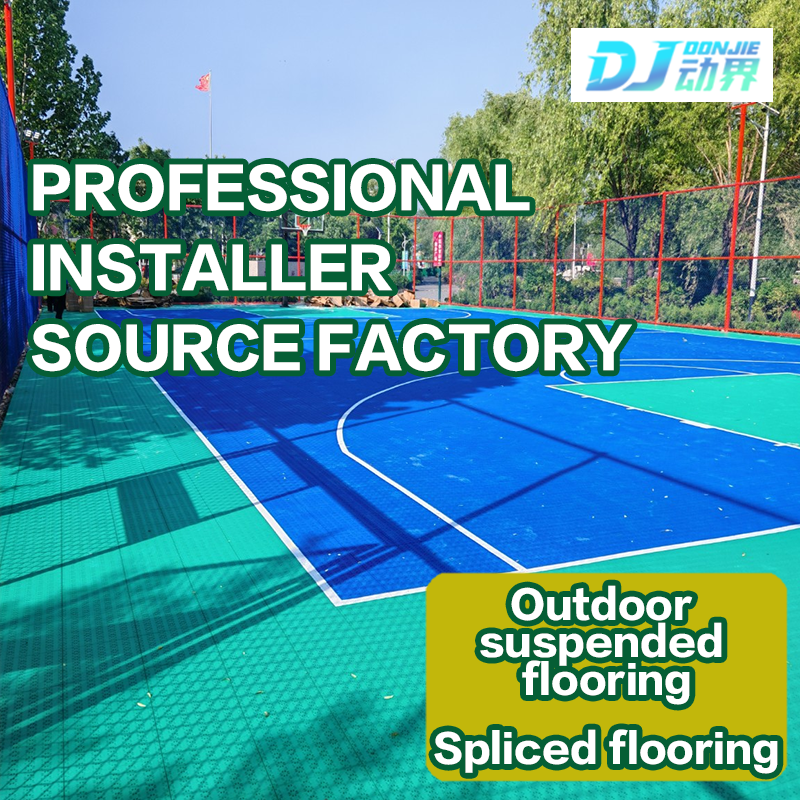
Outdoor vs. Indoor Flooring Considerations: Outdoor courts require flooring that can withstand exposure to weather conditions such as UV rays, rain, and temperature fluctuations. PVC and rubber flooring designed specifically for outdoor use are treated to resist the elements, ensuring longevity and performance despite harsh conditions.
Choosing the Best Pickleball Flooring for Your Court
When selecting the right flooring for your pickleball court, several factors come into play, including the location of the court, budget, and the needs of the players.
-
Factors to Consider: Indoor courts generally benefit from PVC or rubber flooring due to their performance features and durability. Outdoor courts, on the other hand, may require weather-resistant materials like specialized PVC or outdoor-rated rubber. The intensity of play, whether casual or professional, should also influence your decision.
-
How to Select Based on Your Facility’s Usage and Traffic: High-traffic areas, such as public pickleball courts, may benefit from more durable and low-maintenance materials like rubber or PVC. Conversely, for a recreational or home court, a cost-effective material with good comfort and aesthetic appeal may be preferred.
-
Balancing Performance, Comfort, and Maintenance: The best flooring option will offer a balance of performance and comfort while being easy to maintain. Both PVC and rubber flooring provide this balance, ensuring a safe, comfortable playing experience with minimal upkeep.

Installation and Maintenance Tips for Pickleball Flooring
Installing your pickleball flooring is straightforward, especially with interlocking tiles or modular systems. Here’s a step-by-step guide to installing the most common flooring types:
-
Prepare the Court Surface: Ensure that the underlying surface is smooth and free of debris. For PVC or rubber flooring, make sure the area is level for an even installation.
-
Install the Flooring: For rubber or PVC tiles, simply interlock the pieces or roll out the mats, ensuring that the seams are secure.
-
Maintain Regularly: Sweep regularly to remove dirt and dust, and mop occasionally with a gentle cleaner to keep the surface clean. For rubber floors, avoid harsh chemicals that could damage the material.
Finding the Right Flooring for Your Pickleball Court
Selecting the right flooring for your pickleball court is crucial for ensuring a high-quality playing experience. Rubber and PVC flooring offer unmatched performance, comfort, and durability, while other options like wood and tile may serve specific needs. By understanding the key features of each flooring type, you can make an informed decision based on your court’s usage, location, and maintenance requirements.