
Badminton court flooring is not just a simple surface to play on; it's a critical element that impacts player performance, safety, and the overall longevity of the court.
Showing all 26 resultsSorted by latest
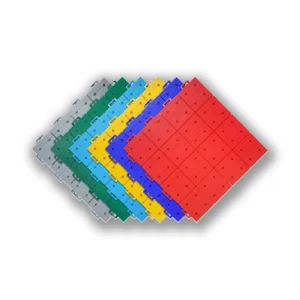
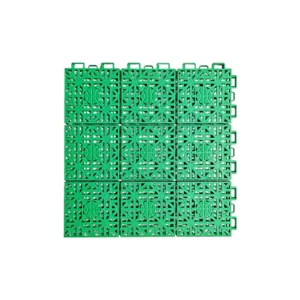
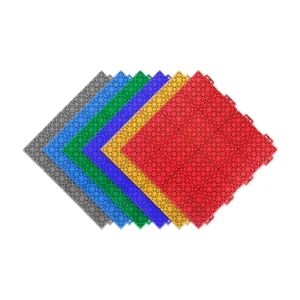
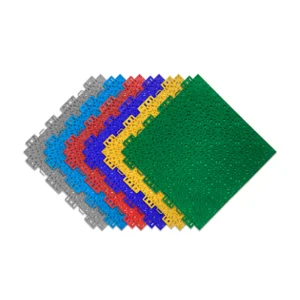
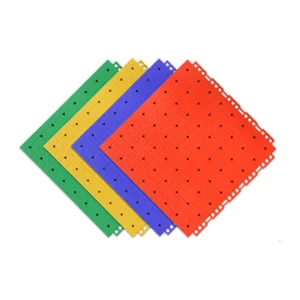
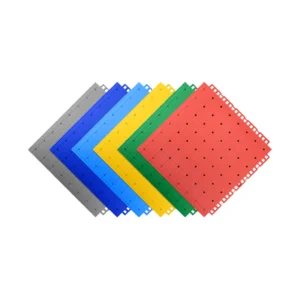
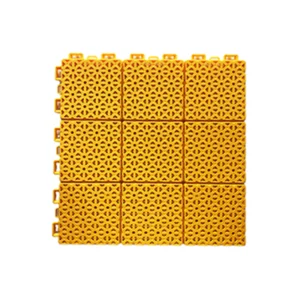
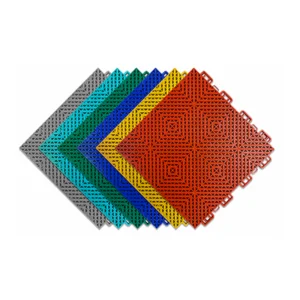


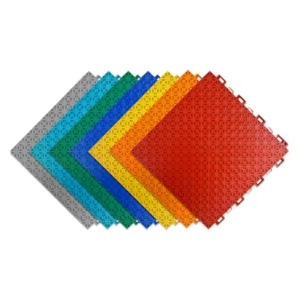
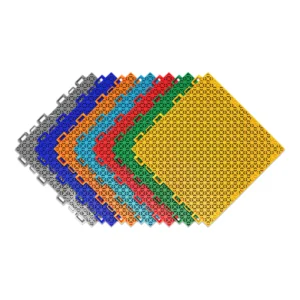
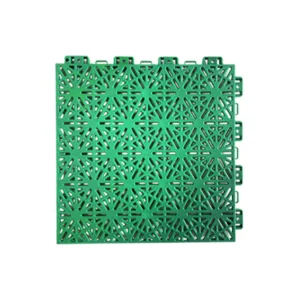

What is Badminton Court Flooring?
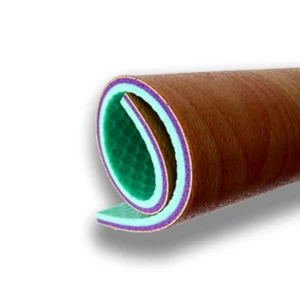
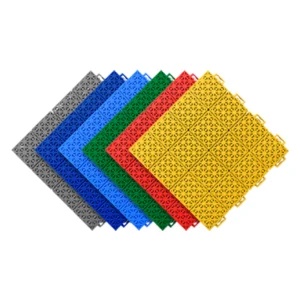
Badminton court flooring, also known as badminton flooring or synthetic flooring for badminton court, is a specialized surface designed specifically for the sport of badminton. It provides the necessary support, traction, and shock absorption required for players to perform at their best while minimizing the risk of injuries.
This type of flooring is engineered with high - quality materials, such as synthetic polymers or rubber - based compounds. These materials are chosen for their ability to withstand the rigorous movements in badminton, including quick stops, starts, jumps, and lateral movements. The surface texture is carefully crafted to offer just the right amount of grip. Too much grip can restrict movement and cause strain on joints, while too little grip can lead to slips and falls.
Badminton court flooring plays a vital role in enhancing the overall playing experience. It allows players to move freely and confidently, execute precise footwork, and make sudden changes in direction. Additionally, the shock - absorbing properties of the flooring help to reduce the impact on players' knees, ankles, and other joints, making it possible to play for longer periods without excessive fatigue or injury.
Types of Badminton Court Flooring
Synthetic Flooring for Badminton Court
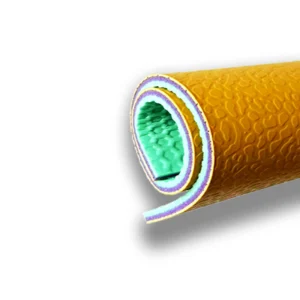
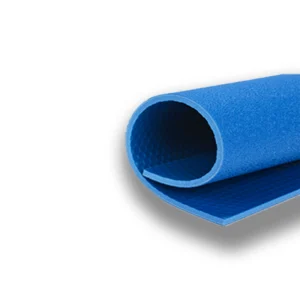
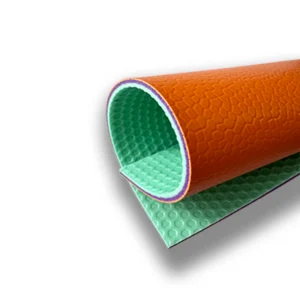
Synthetic flooring, such as PVC (Polyvinyl Chloride) and polyurethane - based surfaces, has become increasingly popular for badminton courts.
PVC badminton court flooring is known for its versatility. It comes in a wide range of thicknesses and textures. Thicker PVC floors offer enhanced shock absorption, which is crucial for players making quick jumps and landings.
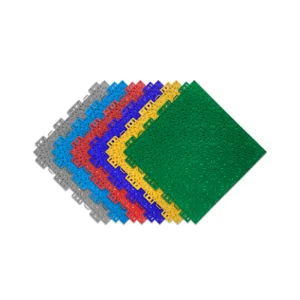
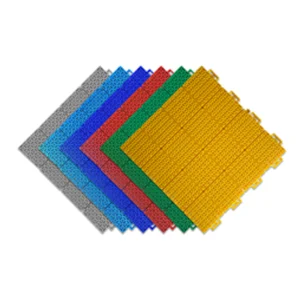
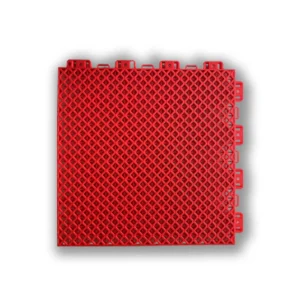
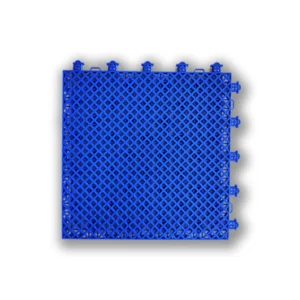
The surface texture can be designed to provide excellent slip - resistance, even when players are sweating heavily during intense rallies. This type of flooring is also relatively easy to install. It can be laid in tiles or sheets, and the seams can be welded together to create a seamless playing surface, reducing the risk of tripping.
Polyurethane synthetic badminton court flooring is highly durable. It can withstand the constant abrasion from players' shoes and the impact of shuttlecocks. It also has good elasticity, which helps players with their quick movements and provides a comfortable feel underfoot. This material is resistant to chemicals and UV rays, making it suitable for both indoor and outdoor use (although outdoor applications may require additional protective coatings).
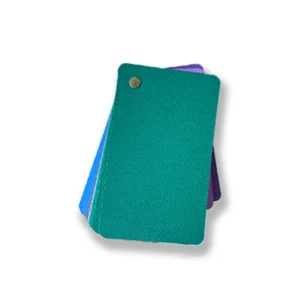
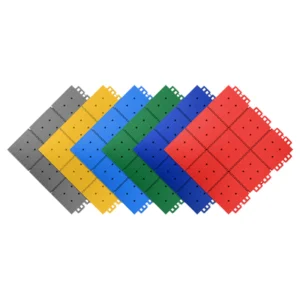
Both PVC and polyurethane synthetic floors can be customized in terms of color and marking. They can be designed with the standard badminton court lines and boundaries, and additional features like logo imprints are also possible, which is great for club - branded courts or tournament - specific designs.
Wooden Badminton Court Flooring
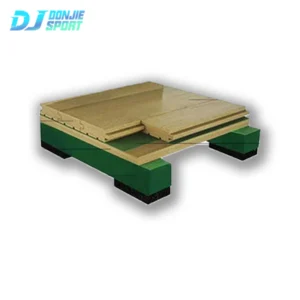
Wooden badminton court flooring has a classic and elegant look. Hardwood species like maple or oak are commonly used. Maple, in particular, is a favorite due to its light color, which provides good visibility during play and reduces eye strain.
One of the major advantages of wooden floors is their natural feel. The texture of the wood gives players a unique and comfortable foot - feel, allowing for better balance and control. The natural shock - absorbing properties of wood also help to reduce the impact on players' joints, similar to high - quality synthetic floors.
However, wooden badminton court flooring requires more maintenance compared to synthetic options. It needs to be regularly polished and refinished to maintain its smooth surface and prevent splinters. Humidity control is also crucial.
Extreme humidity can cause the wood to warp or expand, which not only affects the playing surface but also shortens the lifespan of the floor. Specialized cleaning products designed for wood floors should be used to avoid damage to the wood. Additionally, mats should be placed at the entrances of the court to prevent dirt and debris from scratching the surface.
Advantages of High - Quality Badminton Court Flooring
Player Performance Enhancement
High - quality badminton court flooring offers optimal friction levels. This is crucial for players as it enables them to accelerate rapidly during a serve or when chasing a shuttlecock. For instance, a smooth - yet - grippy surface allows players to push off the floor with maximum force, propelling them forward quickly. When making sudden stops, the right amount of friction ensures that players don't slide uncontrollably, maintaining their balance and position on the court.
Moreover, the surface's responsiveness contributes to better footwork. Players can execute sharp turns and lateral movements with precision. A high - end synthetic badminton court flooring, like some advanced PVC - based ones, can provide immediate feedback to the player's feet, helping them to feel more connected to the court. This connection gives players the confidence to perform complex and rapid footwork patterns, which are essential for winning rallies in a fast - paced badminton match.
Injury Prevention
One of the most significant advantages of high - quality badminton court flooring is its role in injury prevention. Good - quality floors have excellent shock - absorbing properties.
When players jump and land, the impact on their joints, especially the knees, ankles, and hips, is substantial. A floor with proper cushioning, such as a polyurethane - based synthetic floor or a well - constructed wooden floor, can reduce this impact significantly.
For example, the cushioning material in the flooring compresses upon landing, spreading the force of the impact over a larger area and time. This reduces the stress on the joints, minimizing the risk of injuries like sprains, strains, and even long - term joint problems.
Additionally, the anti - slip properties of high - quality flooring prevent players from slipping and falling, which can lead to bruises, fractures, or more severe head and spinal injuries. By providing a stable and secure surface, players can focus on their game without constantly worrying about their footing.
Durability and Long - Term Cost - effectiveness
Although high - quality badminton court flooring may have a higher upfront cost compared to lower - quality alternatives, it offers long - term cost - effectiveness.
Durable flooring materials, such as high - density PVC or solid hardwood, can withstand the constant wear and tear of badminton play. They resist abrasion from players' shoes, the impact of shuttlecocks, and the rigors of regular cleaning and maintenance.
A high - quality floor can last for many years, sometimes even decades with proper care. In contrast, cheaper flooring may need to be replaced more frequently due to damage, wear, or loss of performance - enhancing qualities. The cost of replacing flooring not only includes the material cost but also the labor cost for removal and installation.
Over time, these repeated replacement costs can far exceed the initial investment in high - quality badminton court flooring. Additionally, a durable floor means less disruption to the regular use of the court for repairs or replacements, ensuring that players can enjoy uninterrupted play.
FAQ about Badminton Court Flooring
How to Choose the Right Badminton Court Flooring?
When choosing badminton court flooring, several factors need to be considered. First, think about the frequency of use. If the court is in a high - traffic area like a professional training center or a busy community sports club, a more durable option such as high - density synthetic flooring (like thick - gauge PVC) or solid hardwood would be ideal. It can withstand the constant wear and tear from daily play.
Your budget also plays a significant role. High - quality flooring materials generally come with a higher price tag. However, if you consider the long - term cost - effectiveness, investing in better - quality flooring might be a wiser choice. Cheaper options may require more frequent replacements, which can add up over time.
The level of the players using the court is another aspect. Professional players often require a surface with precise shock - absorption and optimal friction for their high - intensity movements. For amateur players or casual use, a slightly less - advanced but still well - performing flooring can be sufficient. Additionally, consider the installation requirements. Some flooring types are easier to install, which can save on installation costs if you are on a tight budget.
What is the Maintenance Requirement for Badminton Court Flooring?
Maintenance requirements vary depending on the type of badminton court flooring. For synthetic PVC flooring, regular cleaning is essential. Sweep the floor daily to remove dust, debris, and any small particles that could scratch the surface. Mopping with a mild, non - abrasive cleaner is recommended at least once a week. Avoid using harsh chemicals as they can damage the surface finish and reduce its lifespan.
For polyurethane - based synthetic floors, in addition to regular cleaning, it's important to check for any signs of wear and tear periodically. Minor scratches or scuffs can often be buffed out. However, if there are deeper damages, they may need to be repaired using specialized polyurethane repair kits.
Wooden badminton court flooring has more intensive maintenance needs. As mentioned before, it should be polished and refinished regularly, perhaps every few months to a year depending on the frequency of use. Humidity control is crucial. Use a dehumidifier or humidifier in the room to keep the humidity level between 40 - 60%. Mats should be placed at all entrances to prevent dirt and moisture from being tracked onto the floor.
Can I Install Badminton Court Flooring by Myself?
Installing badminton court flooring by yourself can be a challenging task, especially for larger courts. Some types of synthetic flooring, like tile - based PVC, may seem relatively straightforward. However, achieving a seamless and properly - aligned installation that meets the performance standards for a badminton court requires certain skills and tools.
For example, when installing PVC tiles, you need to ensure that the seams are welded correctly to prevent tripping hazards and to maintain a uniform surface texture. If not done properly, it can affect the playing experience and even cause injuries. Wooden flooring installation is even more complex. It involves precise measurements, proper sub - floor preparation, and the use of specialized equipment for nailing or gluing the boards.
Unless you have prior experience in flooring installation and are confident in your skills, it's highly recommended to hire professional installers. Professional installers have the expertise, tools, and experience to ensure that the flooring is installed correctly, which can save you time, money, and potential headaches in the long run. They can also ensure that the floor meets all the safety and performance requirements for a badminton court.