
A PVC sports floor, short for Polyvinyl Chloride sports floor, is a specialized flooring solution designed primarily for sports and fitness venues.
Showing all 11 resultsSorted by latest
What is PVC Sports Floor?
A PVC sports floor, short for Polyvinyl Chloride sports floor, is a specialized flooring solution designed primarily for sports and fitness venues. The base material, PVC, is a widely - used polymer known for its versatility. PVC is produced through the polymerization of vinyl chloride monomers. It has an amorphous structure in its pure form, typically appearing as a white powder.
PVC sports floors inherit several remarkable properties from the base PVC material. Firstly, they are highly durable. PVC's inherent strength allows the sports floor to withstand heavy foot traffic, frequent impacts from sports equipment, and the wear - and - tear associated with various sports activities. For example, in a basketball court, players are constantly jumping, running, and making quick stops, and a high - quality PVC sports floor can endure these actions without significant damage over a long period.
Secondly, PVC sports floors are waterproof. This property makes them suitable for areas that may be exposed to moisture, such as indoor swimming poolside sports areas or areas where the floor might get wet during cleaning. The waterproof nature also prevents the growth of mold and mildew, ensuring a hygienic environment for sports enthusiasts.
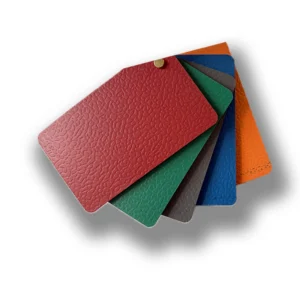
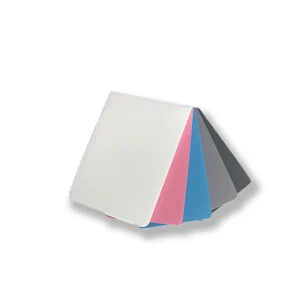
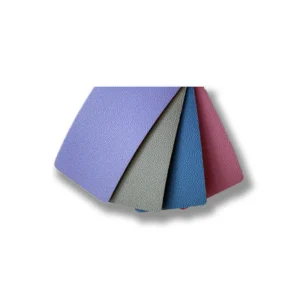
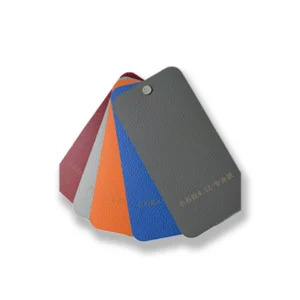
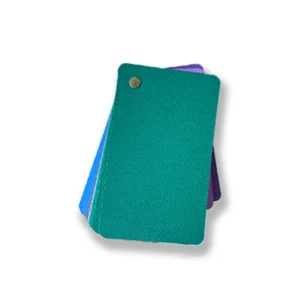
Moreover, PVC can be easily customized. Through the addition of different pigments, PVC sports floors can be produced in a wide range of colors, which is beneficial for creating visually appealing sports fields with distinct markings for different sports. For instance, a multi - purpose sports hall can have different colored areas for badminton, volleyball, and table tennis, clearly demarcating each playing zone.
In addition, PVC sports floors offer excellent slip - resistance. This is crucial in sports, as athletes need to have a firm grip on the floor to perform their best and avoid injuries. The surface texture of PVC sports floors can be engineered to provide just the right amount of friction, allowing for quick movements while maintaining stability.
Due to these outstanding characteristics, PVC sports floors have become a popular choice for a variety of sports facilities, including gymnasiums, indoor stadiums, fitness centers, and even some outdoor sports courts with proper protection. They provide a safe, comfortable, and long - lasting surface for athletes of all levels to engage in their favorite sports.
What Makes PVC Sports Flooring Ideal for Athletic Facilities?
PVC sports flooring is engineered to meet the rigorous demands of sports environments, combining durability, shock absorption, and slip resistance. Unlike traditional flooring materials, it offers optimal cushioning to reduce impact on athletes’ joints, a critical feature for high-intensity sports like basketball, volleyball, and badminton. Its waterproof properties (a key advantage of waterproof PVC flooring) ensure resistance to spills, sweat, and moisture, making it suitable for indoor and semi-outdoor sports venues. Additionally, its smooth surface allows consistent ball bounce and predictable traction, enhancing performance and safety.
Key Features of PVC Sports Floor
1. Exceptional Durability
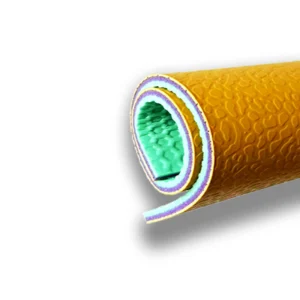
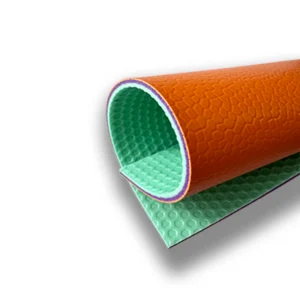
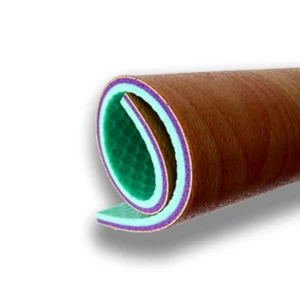
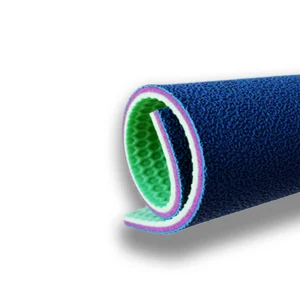
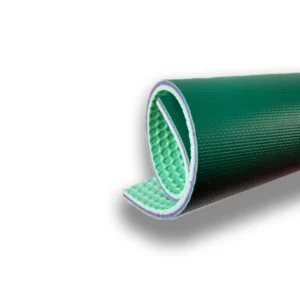
PVC sports floors are engineered to last. The multi - layer structure of PVC sports floors contributes significantly to their durability. Typically, they consist of a wear - resistant top layer, a printing film layer for color and design, a glass fiber reinforcement layer for dimensional stability, and a base layer for support. The wear - resistant top layer, often made of high - density PVC material, can withstand a large number of footfalls, the dragging of sports equipment, and the friction generated during intense sports activities. For example, compared to wooden sports floors, PVC sports floors do not splinter or warp easily. In a busy basketball gym with hundreds of players using the court every day, a well - maintained PVC sports floor can maintain its integrity for years, while a wooden floor might require frequent sanding and refinishing to keep its surface smooth and playable. The glass fiber layer in PVC sports floors helps prevent expansion and contraction due to temperature and humidity changes, ensuring long - term stability.
2. Superior Shock Absorption
Shock absorption is crucial in sports as it helps protect athletes from injuries. When athletes jump, land, or make quick movements, the force exerted on their joints can be substantial. PVC sports floors are designed with shock - absorbing properties to mitigate this force. The soft and elastic nature of PVC material allows it to compress slightly when a force is applied, effectively absorbing the shock. For instance, in a volleyball court, players are constantly jumping and diving. The shock - absorbing feature of the PVC sports floor reduces the impact on their knees, ankles, and other joints, reducing the risk of sprains, strains, and long - term joint damage. This not only improves the safety of the athletes but also enhances their performance by allowing them to focus more on the game without worrying about excessive joint stress.
3. Excellent Traction
Good traction is essential for sports to ensure athletes can move quickly, change directions, and stop safely. PVC sports floors are designed to provide an optimal level of friction. The surface texture of PVC sports floors is carefully engineered. Some have a slightly textured pattern, similar to the grip pattern on a basketball or tennis shoe sole. This texture increases the contact area between the shoe and the floor, enhancing the frictional force. In a badminton court, players need to make sudden stops and sharp turns. The excellent traction of the PVC sports floor enables them to do so without slipping, while still allowing for smooth movement during rallies. Moreover, the traction performance of PVC sports floors remains consistent even in different environmental conditions, whether the floor is slightly damp from sweat or during cleaning.
4. Waterproof Property
The waterproof property of PVC sports floors is a significant advantage. PVC is a synthetic polymer that does not absorb water. This is because the molecular structure of PVC is tightly packed, leaving no space for water molecules to penetrate. In sports facilities such as swimming pool - side fitness areas or indoor sports courts that may be exposed to water during cleaning or in case of accidental spills, the waterproof nature of PVC sports floors ensures their stability. Water - absorption in other flooring materials can lead to swelling, warping, and the growth of mold and mildew. For example, a wooden floor in a swimming pool - side gym would quickly deteriorate if exposed to water, but a PVC sports floor can maintain its shape, color, and performance even when frequently wet. This not only extends the lifespan of the floor but also keeps the sports environment hygienic and safe.
How to Choose the Right PVC Sports Flooring?
Selecting the right PVC sports flooring depends on factors like sport type, foot traffic, and installation environment. For high-impact sports, prioritize options with high shock absorption ratings. For multi-purpose facilities, opt for versatile designs compatible with various activities. When sourcing, consider partnering with reputable PVC sports flooring manufacturers—preferably those offering customizable solutions (e.g., thickness, color, texture). Requesting PVC sports flooring quotes from multiple suppliers, including wholesale PVC sports flooring providers, can help balance quality and cost.
Installation & Maintenance: Key Considerations
Proper installation is vital for maximizing the lifespan of PVC sports flooring. Most systems require a clean, level subfloor and high-quality PVC flooring adhesive or glue to ensure stability and prevent shifting. Water-based adhesives are often preferred for their low VOC emissions and quick curing time. For maintenance, regular sweeping and damp mopping with pH-neutral cleaners suffice—avoid harsh chemicals that may damage the surface. This routine preserves the floor’s finish and slip resistance over time.
Application Scenarios
1. Basketball Courts
PVC sports floors are highly suitable for basketball courts. Firstly, they provide excellent elasticity. When players jump, the elastic PVC surface can reduce the impact force on their joints, similar to how a shock - absorbing cushion works. This allows players to make repeated high - intensity jumps without excessive stress on their knees and ankles. For example, compared to a concrete floor, which offers almost no shock absorption and can cause significant joint damage over time, a PVC sports floor provides a much more comfortable and safe playing environment. Secondly, PVC sports floors offer good ball - bounce performance. The surface texture and material properties of PVC ensure that the basketball rebounds in a consistent and predictable manner, which is crucial for players to control the ball during dribbling, passing, and shooting. Whether it's a fast - paced dribbling drive or a long - distance shot, the ball's behavior on a PVC sports floor is reliable, enabling players to focus on their skills and strategies.
2. Badminton Courts
In badminton courts, PVC sports floors have several advantages. The surface friction of PVC sports floors is carefully designed to be just right for badminton players. It provides enough grip for players to make quick starts, sudden stops, and sharp turns, which are essential movements in badminton. At the same time, it doesn't offer excessive friction that could slow down the players' movements or cause unnecessary fatigue. For instance, players can quickly slide their feet to reach the shuttlecock without the worry of slipping. Moreover, the shock - absorbing feature of PVC sports floors is also beneficial in badminton. Badminton players often jump and land with great force during rallies. The shock - absorbing property of the PVC floor reduces the impact on their feet and legs, minimizing the risk of injuries such as sprains and fractures. This helps players maintain their performance throughout a long match and reduces the recovery time between games.
3. Other Sports Venues
PVC sports floors are also widely used in other sports venues. In volleyball courts, their shock - absorption and non - slip properties are equally important. Volleyball players are constantly jumping, diving, and making quick lateral movements. The PVC sports floor can withstand these intense physical activities while providing a stable and safe surface. In table tennis halls, the smoothness and flatness of PVC sports floors ensure that the table tennis balls roll evenly, and the low - friction surface allows players to make quick returns. Additionally, PVC sports floors are highly versatile and customizable. They can be used in multi - purpose sports halls, where different sports events are held. The floors can be colored and marked according to the specific requirements of each sport, such as creating different - colored zones for basketball, badminton, and volleyball. Some outdoor sports areas, like tennis courts in areas with less harsh weather conditions, can also benefit from PVC sports floors. With proper protection against UV rays and weather elements, PVC sports floors can provide a durable and cost - effective alternative to traditional tennis court surfaces.
Why Choose China PVC Sports Flooring?
China has emerged as a leading hub for PVC sports flooring production, with manufacturers leveraging advanced technology to deliver high-performance products at competitive prices. Chinese suppliers often offer bulk wholesale options, making them ideal for large-scale projects like gymnasiums, schools, and sports complexes. Many also provide certifications (e.g., CE, SGS) to ensure compliance with international standards for safety and durability, solidifying China PVC sports flooring as a reliable choice for global buyers.
Longevity & Cost-Effectiveness of PVC Sport Flooring
PVC sport flooring is a cost-effective investment due to its long lifespan (10–15 years with proper care) and low maintenance requirements. Compared to hardwood or rubber flooring, it offers lower upfront costs and reduced replacement frequency, especially in high-traffic areas. Its resistance to wear and tear, coupled with the availability of affordable PVC flooring glue for repairs, further minimizes long-term expenses, making it a smart choice for budget-conscious facility managers.