
A wood sport floor, also known as indoor wooden sports flooring or hardwood sports flooring, is a specialized type of flooring designed specifically for sports activities.
Showing all 4 resultsSorted by latest
What is Wood Sport Floor?
A wood sport floor, also known as indoor wooden sports flooring or hardwood sports flooring, is a specialized type of flooring designed specifically for sports activities. It is mainly made from high - quality hardwoods such as maple, oak, or beech. These hardwoods are chosen for their durability, shock - absorption capabilities, and good coefficient of friction.
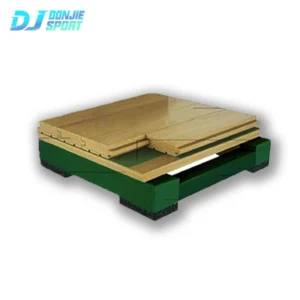
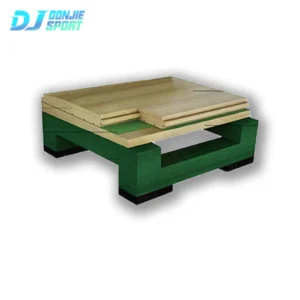
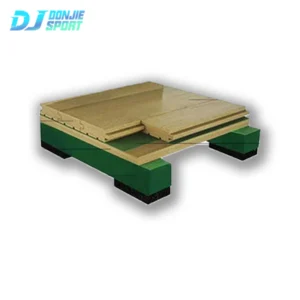
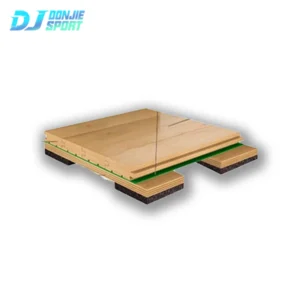
In terms of structural features, a typical wood sport floor often consists of multiple layers. The top layer is the wear - resistant surface layer, which is directly in contact with athletes and sports equipment. Beneath it, there may be a sub - floor layer that provides support and helps with shock absorption. Some advanced wood sport floors also have a cushioning layer in between to further enhance shock - absorbing performance and protect athletes from injuries caused by hard landings.
Compared with ordinary wood floors, wood sport floors have several distinct differences. Ordinary wood floors are mainly designed for daily living use, emphasizing aesthetics and general durability. Wood sport floors, on the other hand, are engineered to meet the high - intensity requirements of sports. They have better shock - absorption properties to reduce the impact on athletes' joints during jumps and landings.
The surface friction of wood sport floors is also carefully adjusted to ensure that athletes can move freely while maintaining good traction, preventing slips and falls. For example, in a basketball game, players need to be able to make quick stops, starts, and turns, and a proper wood sport floor like basketball wooden flooring can meet these needs.
Key Features of Wood Sport Floor
Superior Shock Absorption
Wood sport floors are engineered to provide excellent shock - absorption capabilities. During high - intensity sports activities such as basketball or volleyball, athletes often make quick jumps and forceful landings. A good wood sport floor, like hardwood sports flooring, can effectively absorb the impact energy generated during these actions. This is mainly due to its multi - layer structure and the properties of the wood itself.
The sub - floor and cushioning layers work together to cushion the shock, reducing the stress on athletes' joints, especially the knees, ankles, and hips. By minimizing the impact on these joints, the risk of injuries such as sprains, strains, and joint damage is significantly decreased, allowing athletes to perform at their best for longer periods without the fear of excessive wear and tear on their bodies.
Excellent Ball Bounce
For sports involving balls, such as basketball and volleyball, the ball - bounce property of the floor is crucial. Wood sport floors are designed to offer an optimal ball - bounce response. The density and elasticity of the high - quality hardwoods used in these floors ensure that when a ball hits the surface, it rebounds with the right amount of force and at the appropriate angle. In a basketball game, for example, players rely on a consistent ball bounce to dribble, pass, and shoot accurately.
A wood sport floor like basketball wooden flooring provides a predictable bounce, which is similar to the bounce standards set by international sports organizations. This consistency helps players maintain control of the ball during fast - paced games and enhances the overall quality of the sports experience.
Optimal Friction Coefficient
The friction coefficient of a wood sport floor is carefully calibrated. It needs to strike a balance between providing enough traction for athletes to move safely and allowing for smooth, unrestricted movement. A floor with too high a friction coefficient would make it difficult for athletes to make quick turns, slides, and sprints, as their shoes would stick to the surface, increasing the risk of muscle strains.
On the other hand, a floor with too low a friction coefficient would be slippery, leading to a high risk of falls and injuries. Wood sport floors are treated and finished in a way that ensures they have an optimal friction coefficient. This allows athletes to have firm footing during sudden stops and starts, while still being able to perform rapid lateral movements typical in sports like badminton or tennis on a proper wooden sports flooring surface.
Durability and Longevity
Wood sport floors are known for their durability. The choice of hardwood species, such as maple, which is commonly used in high - end sports floors, contributes significantly to their long - lasting nature. Maple is dense, hard, and resistant to wear and tear. Additionally, advanced manufacturing and finishing processes are applied to further enhance the floor's durability.
These processes may include special coatings that protect the wood from scratches, moisture, and UV damage. With proper maintenance, which includes regular cleaning, refinishing when necessary, and appropriate use, a high - quality wood sport floor can last for decades. This long lifespan makes it a cost - effective choice for sports facilities, as it reduces the need for frequent replacements and the associated costs of downtime during renovations.
Types of Wood Sport Floors
Hardwood Sports Flooring
Hardwood sports flooring is highly popular in sports facilities. The common hardwood species used for these floors include maple and oak. Maple is a top - choice material for high - end sports floors, especially in professional sports arenas like basketball courts. It has a relatively high density, with an average density of about 0.65 - 0.75g/cm³. This density contributes to its excellent durability and resistance to wear and tear.
Its fine - grained texture gives it a smooth and aesthetically pleasing appearance. The advantages of maple hardwood sports flooring are numerous. It offers outstanding shock - absorption capabilities, which can effectively protect athletes' joints during intense sports activities. Its ball - bounce performance is consistent and meets international sports standards, making it ideal for ball - related sports.
Oak, on the other hand, is known for its hardness and strength. With a density of around 0.7 - 0.8g/cm³, oak is even denser than maple in some cases. It has a more prominent and rustic grain pattern. One of the main advantages of oak hardwood sports flooring is its high resistance to moisture and decay, which makes it suitable for areas with higher humidity levels.
However, compared to maple, oak may have a slightly lower shock - absorption ability, and its ball - bounce performance may not be as consistent in some cases. But overall, both maple and oak hardwood sports floors are excellent choices for high - performance sports facilities, each with its own unique characteristics that can meet different needs.
Indoor Wooden Sports Flooring
Indoor wooden sports flooring is designed specifically to adapt to the indoor environment. One of the key design features is its focus on moisture - resistance. Since indoor environments can have varying humidity levels, especially in areas with poor ventilation or in facilities with activities that generate a lot of moisture (such as swimming pool - adjacent sports areas), indoor wooden sports floors are often treated with special coatings or finishes.
These treatments can prevent the wood from absorbing excessive moisture, which could lead to warping, swelling, or mold growth. For example, some floors are coated with a waterproof polyurethane layer that not only repels water but also enhances the floor's durability.
In addition to moisture - resistance, indoor wooden sports flooring also often undergoes anti - insect treatment. Insects can be a problem in indoor spaces, especially in older buildings or areas with access to the outdoors. To protect the floor from termites and other wood - boring insects, chemicals are sometimes added during the manufacturing process or applied as a treatment after installation.
This ensures that the integrity of the floor is maintained over time. The surface of indoor wooden sports flooring is also carefully designed to meet the needs of different sports. It may have a special texture or finish that provides the right balance of friction and smoothness for athletes to perform their best.
Basketball Wooden Flooring
Basketball wooden flooring has several special design features tailored to the demands of basketball games. Elasticity is a crucial aspect. Basketball players make frequent jumps, landings, and quick changes in direction. A good basketball wooden floor should have an appropriate level of elasticity to absorb the impact of these actions. This is usually achieved through a combination of the wood's natural properties and the floor's structure.
For example, a multi - layer construction with a shock - absorbing sub - floor and cushioning layer can enhance the overall elasticity of the floor. The standard for the shock - absorption of a high - quality basketball wooden floor is often set to absorb a significant percentage (usually around 50 - 60%) of the impact energy when a player lands, which helps to reduce the stress on the player's joints.
Another important feature is its anti - slip property. The surface of basketball wooden flooring is treated to ensure a proper coefficient of friction. It needs to be neither too slippery nor too rough. A coefficient of friction in the range of 0.4 - 0.6 is generally considered ideal for basketball floors.
This allows players to have firm footing when making quick stops, starts, and sharp turns, while also ensuring that they can move freely without the risk of getting stuck due to excessive friction. Additionally, basketball wooden flooring is designed to have a consistent ball - bounce. The ball should rebound at a predictable height and angle across the entire surface of the floor, which is essential for players to accurately dribble, pass, and shoot during the game.
Maintenance of Wood Sport Floors
Proper maintenance can significantly extend the lifespan of a wood sport floor and keep it in optimal condition. Here are some maintenance tips:
Daily Cleaning: Use a soft - bristle broom or a vacuum cleaner with a soft - brush attachment to remove dust, dirt, and debris from the floor surface daily. This helps to prevent scratches caused by abrasive particles. Avoid using hard - bristled brooms or metal - tipped cleaning tools as they can scratch the floor finish. For example, in a busy sports arena, daily cleaning can ensure that the floor remains clean and safe for athletes.
Moisture Management: Keep the indoor humidity level within the recommended range, usually between 40% - 60%. High humidity can cause the wood to absorb moisture, leading to warping, swelling, or mold growth, while low humidity can make the wood dry out and crack. A dehumidifier can be used in humid environments, and a humidifier can be used in dry environments. Also, wipe up any spills immediately to prevent moisture from seeping into the floor. If there is a water - based drink spilled on the floor during a sports event, it should be cleaned up right away with a dry cloth.
Regular Deep Cleaning: Periodically, usually once a month or according to the frequency of use, perform a deep cleaning. Use a damp mop with a mild, pH - balanced wood floor cleaner. Avoid using excessive water as it can damage the floor. After mopping, dry the floor thoroughly. For example, in a sports club that is used frequently, monthly deep cleaning can help maintain the floor's cleanliness and appearance.
Inspection and Repair: Regularly inspect the floor for any signs of damage, such as scratches, dents, or loose planks. Small scratches can be repaired by sanding and refinishing the affected area. For larger damages or loose planks, professional repair services may be required. For instance, if a sports equipment accidentally hits the floor and causes a dent, it should be inspected and repaired in a timely manner to prevent further damage.
Avoiding Harmful Substances: Do not use wax, oil - based products, or strong chemical cleaners on the wood sport floor, as they can damage the finish and affect the floor's performance, especially its friction coefficient. Also, prevent sharp objects, high - heeled shoes, or heavy objects from being dragged on the floor, as they can scratch or dent the surface. In a sports venue, it is important to ensure that athletes and spectators follow these rules to protect the floor.
FAQs about Wood Sport Floor
Q1: How to choose the right wood sport floor for my venue?
When choosing a wood sport floor for your venue, several factors need to be considered. First, think about the type of venue. For a high - traffic professional sports arena like a basketball stadium, you'll need a high - quality hardwood sports flooring, such as maple, which can withstand heavy use. If it's a small community gymnasium with less frequent use, a more cost - effective option like oak - based wood sport floor might be suitable.
Secondly, consider the specific sports activities that will take place. For ball - sports such as basketball and volleyball, a floor with excellent ball - bounce properties, like basketball wooden flooring, is crucial. For sports that require quick lateral movements, such as badminton or tennis, a floor with an optimal friction coefficient on a proper wooden sports flooring surface should be prioritized.
Budget is also an important factor. High - end wood sport floors made of premium hardwoods and with advanced features will be more expensive. However, they often come with longer warranties and better performance. If your budget is limited, you can explore options like engineered wood sport floors, which are more affordable while still offering good performance. Additionally, don't forget to factor in the cost of installation and long - term maintenance when making your decision.
Q2: Is wood sport floor suitable for outdoor use?
Generally, wood sport floors are not highly recommended for outdoor use without special treatment. Wood is a natural material that is sensitive to environmental factors. Outdoor, it is exposed to sunlight, rain, high humidity, and temperature fluctuations. Sunlight can cause the wood to fade and dry out, leading to cracking. Rain and high humidity can make the wood absorb moisture, which may result in warping, swelling, and mold growth. Temperature changes can also cause the wood to expand and contract, further damaging the floor structure.
However, if you still want to use a wood sport floor outdoors, it can be treated to enhance its resistance to these elements. Special waterproof coatings can be applied to prevent water absorption. UV - resistant finishes can protect the wood from sun damage. Additionally, the wood can be pressure - treated with chemicals to increase its durability and resistance to rot and insects. But even with these treatments, the lifespan of an outdoor - used wood sport floor will likely be shorter compared to its indoor use, and it will require more frequent maintenance.
Q3: How often should I maintain my wood sport floor?
The maintenance frequency of a wood sport floor depends on its usage frequency. For high - traffic areas like professional sports arenas where games or training sessions are held frequently, daily maintenance is essential. This includes sweeping or vacuuming to remove dust, dirt, and debris that could scratch the floor surface.
On a weekly basis, a more thorough cleaning should be done. Use a damp mop with a mild, pH - balanced wood floor cleaner to remove any stubborn stains. Avoid using excessive water as it can damage the floor.
Monthly maintenance may involve a more in - depth inspection of the floor for any signs of wear, such as scratches, dents, or loose planks. Small scratches can be repaired by sanding and refinishing the affected area.
For less frequently used venues, the maintenance frequency can be adjusted accordingly. For example, a community sports hall that is used only on weekends may require cleaning every few days, a more detailed cleaning once every two weeks, and a monthly inspection. Additionally, it's advisable to perform a deep - cleaning and refinishing of the entire floor every 1 - 2 years, depending on the wear and tear, to keep the floor in optimal condition and extend its lifespan.