Choosing the right flooring for indoor sports courts is crucial not only for enhancing the aesthetics of the space but also for ensuring optimal player performance and safety. Flooring can significantly impact the way sports are played, the maintenance required, and the overall longevity of the facility. Among the most popular choices for indoor sports courts are PVC flooring and wood flooring—each offering unique advantages and drawbacks depending on the specific needs of the court.
This article will explore the pros and cons of both PVC flooring and wood flooring for indoor sports courts. We will dive into the key factors such as durability, maintenance, cost-effectiveness, and safety to help you make an informed decision based on your specific needs. Whether you’re outfitting a basketball court, badminton hall, or multi-sport facility, understanding these differences will guide you to the right choice for your sports venue.
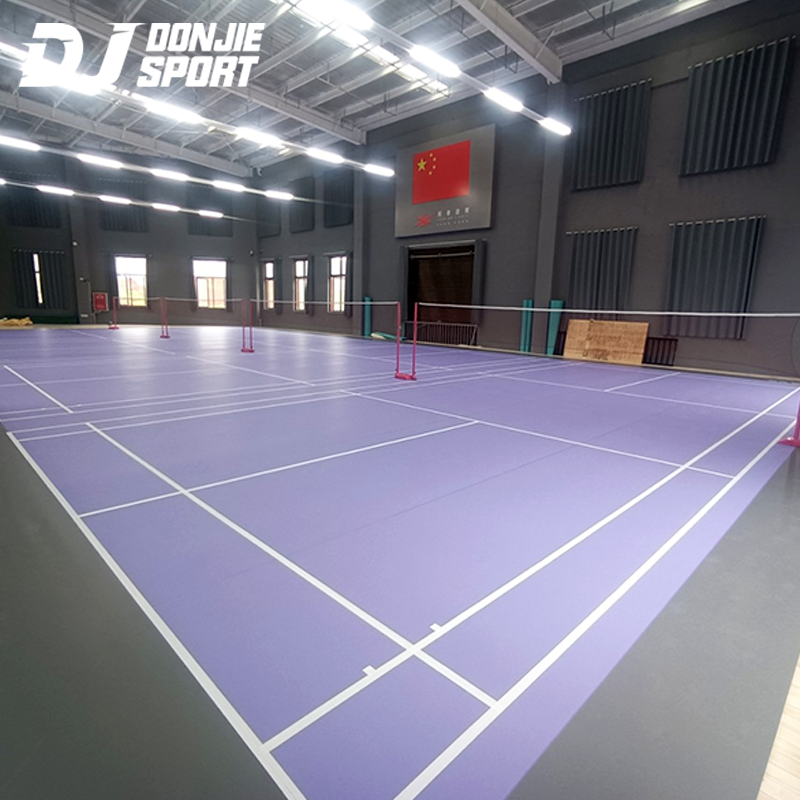
What Makes PVC Flooring a Top Choice for Indoor Sports Courts?
Durability and Longevity
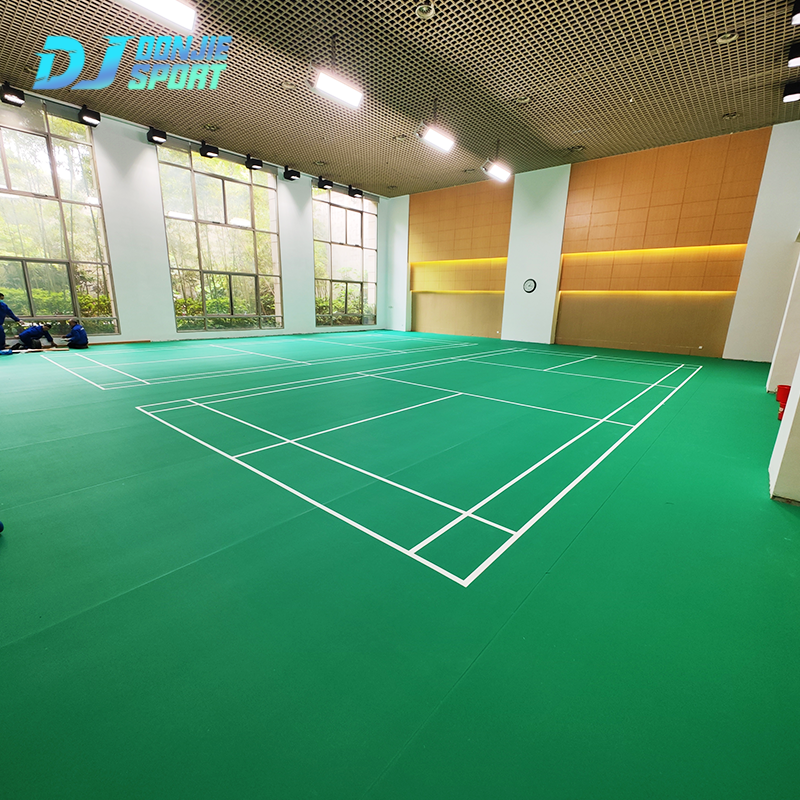
When it comes to durability, PVC flooring stands out as a highly resilient material, particularly suited for high-traffic indoor environments. Unlike wood, which can suffer from scratches, dents, and wear over time, PVC is designed to withstand the rigorous demands of sports courts. It resists moisture, which is essential in high-humidity environments, and its surface can handle constant impact without degrading. This makes PVC flooring an excellent long-term investment for facilities that experience heavy foot traffic and frequent use.
Furthermore, PVC’s inherent resistance to UV light means it won’t fade or discolor over time, ensuring that the court maintains its aesthetic appeal for many years. This is particularly important for indoor courts exposed to consistent lighting conditions, as PVC retains its color and texture much longer than wood.
Ease of Maintenance
One of the significant advantages of PVC flooring is its low maintenance requirements. Unlike wood floors, which need to be refinished, sanded, or resealed periodically, PVC surfaces are incredibly easy to clean. A simple sweep and mop are typically sufficient to keep the surface in top condition. This makes PVC ideal for facilities that need to minimize downtime for maintenance and focus on providing a safe, functional environment for sports activities.
Wood flooring, on the other hand, requires regular upkeep to maintain its pristine appearance, including waxing, polishing, and treating any scratches or wear marks. Additionally, wood floors are susceptible to water damage and can warp if exposed to excessive moisture, making them a less ideal option for sports courts that may experience high humidity levels.
Cost-Effectiveness
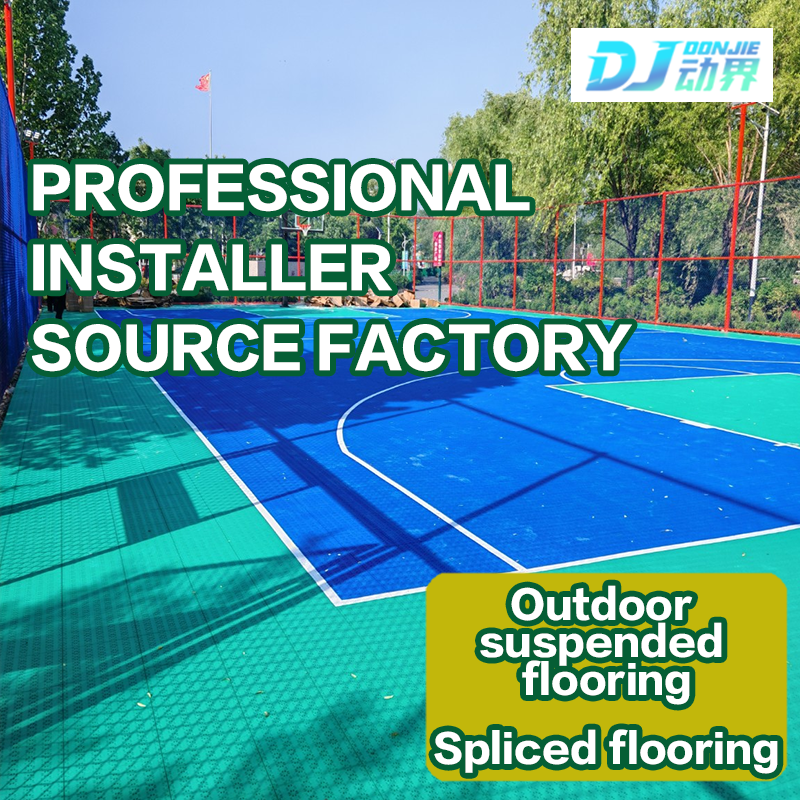
PVC flooring is often more affordable upfront than wood flooring, making it an attractive option for budget-conscious facility owners. The cost of installation is typically lower as well, particularly when considering the ease of installation of interlocking PVC tiles.
When compared to wood flooring, which can be significantly more expensive both in terms of materials and installation, PVC offers a more cost-effective solution without sacrificing performance. Moreover, the longevity and minimal maintenance needs of PVC flooring translate into savings over the years, as facility owners can avoid the recurring costs of refinishing and repair.
Safety Features
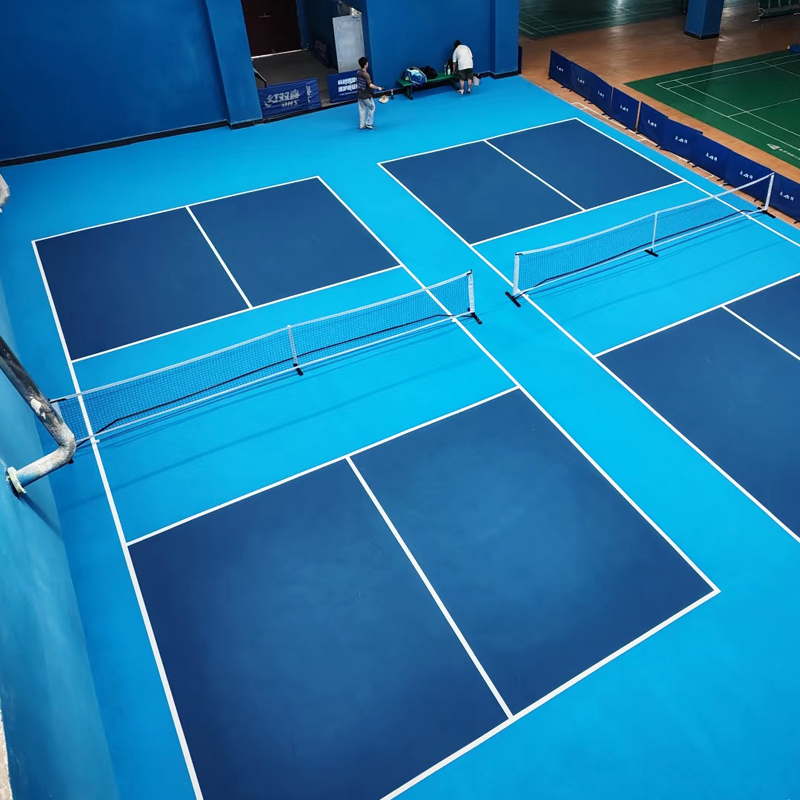
Safety is a top priority in sports courts, and PVC flooring excels in this regard. It offers a non-slip surface that significantly reduces the risk of slips and falls during play. This is crucial for high-impact sports where quick lateral movements are common, such as basketball or volleyball. Additionally, PVC flooring provides excellent shock absorption, which helps in reducing the risk of joint injuries by cushioning the impact when athletes land.
In contrast, wood flooring can become slippery when wet, and while it provides some shock absorption, it is not as effective as PVC in this regard. Over time, wood can also become uneven, increasing the risk of tripping or falling.
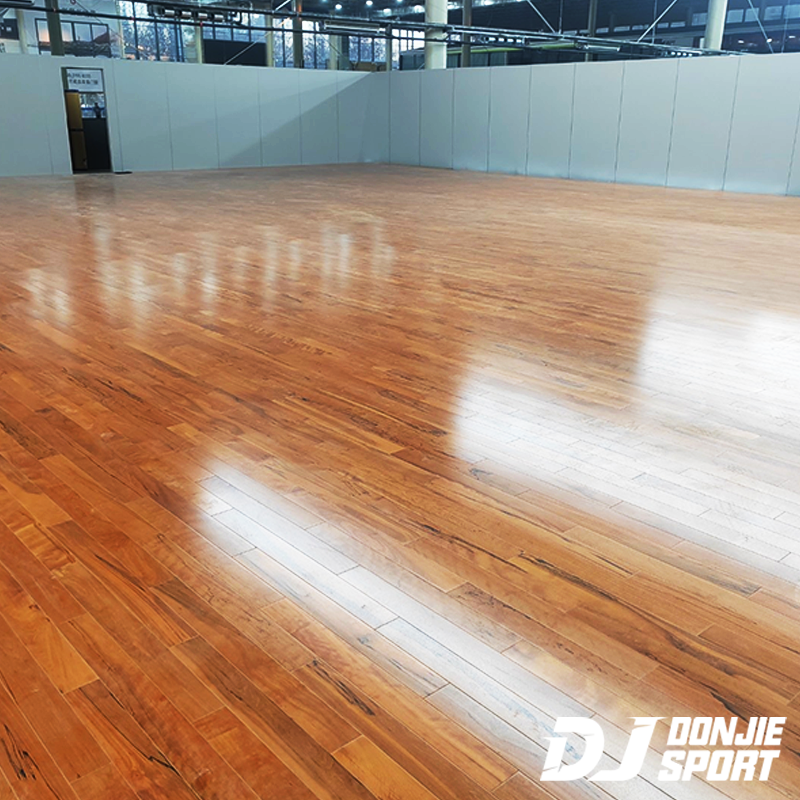
Why Wood Flooring is Still a Popular Choice for Sports Courts
Aesthetic Appeal
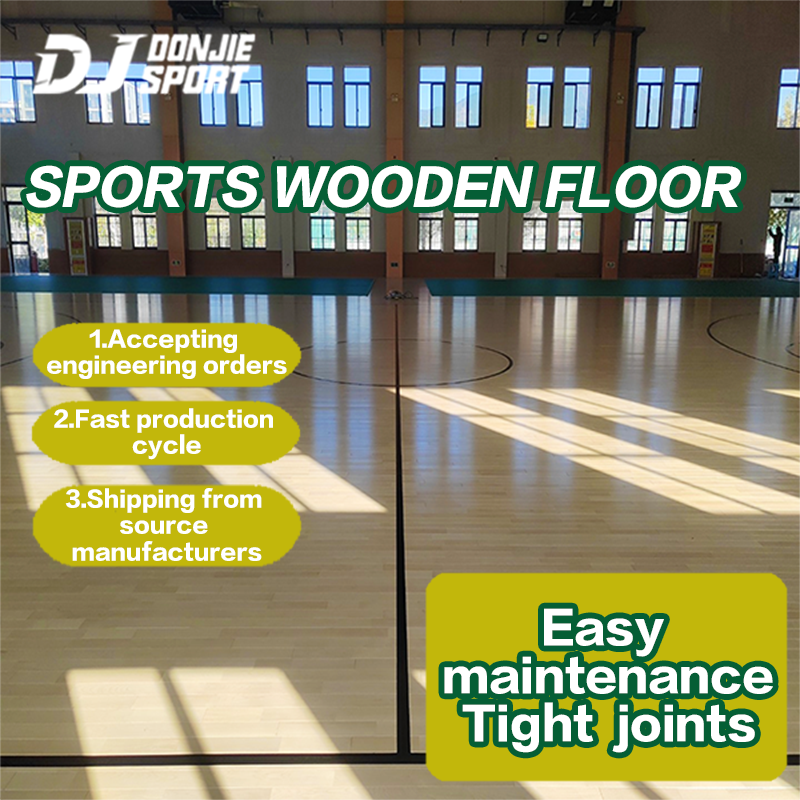
One of the main reasons that wood flooring remains a popular choice for indoor sports courts is its timeless aesthetic appeal. The natural, polished look of wood adds a touch of elegance to any sports facility. For many sports enthusiasts, nothing beats the classic appearance of a hardwood court, especially in basketball arenas, where wood has become the traditional choice.
The aesthetic value of wood is undeniable—it conveys a sense of professionalism and high quality, making it an attractive option for premium sports venues. The richness of wood tones also enhances the visual atmosphere of the court, offering a warm, welcoming environment for athletes and spectators alike.
Natural Feel and Performance
Wood flooring is often preferred by athletes because it provides a natural feel and consistent bounce. It’s well-known for offering a superior level of performance, especially in sports like basketball, where the responsiveness of the floor can significantly impact gameplay. The combination of a hard surface with just the right amount of give offers excellent ball bounce and player control.
For athletes, the performance benefits of wood flooring can be a major factor in their comfort and performance on the court. However, while PVC flooring provides adequate bounce, it may not match the “feel” and feedback that some athletes are used to with wood. This is why many traditional sports facilities still opt for wood despite the emerging popularity of alternative materials like PVC.
Resale Value
An often-overlooked benefit of wood flooring is its potential to increase the resale value of a sports facility. As wood is considered a high-end material, having it in place can elevate the perceived value of the venue. This can be particularly beneficial for sports clubs or schools that plan to sell or lease their property in the future. Potential buyers or renters are likely to view wood flooring as a sign of a well-maintained and premium facility.
While PVC flooring has a more utilitarian appeal, it does not necessarily carry the same luxury connotations as wood. This is something to consider for facilities that may eventually need to market the venue to new owners or tenants.
PVC Flooring vs. Wood Flooring: A Comparative Analysis
Installation Process
When it comes to installation, PVC flooring is generally quicker and easier to install than wood flooring. Many PVC flooring options come in interlocking tiles, which can be laid without the need for glue or nails. This makes installation a faster and less disruptive process, which is especially useful for sports venues that cannot afford prolonged downtime.
In contrast, wood flooring typically requires professional installation, which involves laying individual planks and securing them to a subfloor. This process can take much longer, and any mistakes made during installation could lead to long-term issues with the floor’s performance. While wood floors may need to be refinished or sanded periodically, PVC floors remain in good condition with minimal effort.
Comfort and Player Experience
While both PVC and wood flooring are designed to perform well in high-traffic areas, the comfort they offer to players differs. PVC flooring provides a softer, more forgiving surface, offering excellent shock absorption and reducing the risk of joint injuries during play. However, some athletes may feel that wood flooring offers better rebound and overall “feel,” particularly in sports like basketball, where the ball bounce and foot impact are crucial to performance.
Ultimately, the choice between PVC and wood flooring may come down to the type of sport being played and personal preference. For example, basketball players may prefer the feel of wood, while volleyball or badminton players may enjoy the shock-absorbing qualities of PVC flooring.
Environmental Impact
Both PVC flooring and wood flooring have their environmental considerations. Wood flooring, when sourced responsibly, is a renewable resource, but deforestation concerns make it important to choose certified wood products. On the other hand, PVC flooring is made from synthetic materials and can take a toll on the environment during its production process, although many PVC products are recyclable and designed to have a long lifespan.
When considering the environmental impact, it’s important to choose materials that align with your values, whether that’s opting for responsibly sourced wood or choosing eco-friendly PVC flooring with low-VOC emissions.
The Verdict: Which is the Best Option for Your Indoor Sports Court?
Choosing the Right Flooring for Your Budget
If budget is a primary concern, PVC flooring offers a more affordable option compared to wood flooring. With lower installation costs and minimal maintenance, PVC can provide excellent value over time. However, if you’re working with a higher budget and want to create a premium sports venue, wood flooring can offer a timeless aesthetic and increased property value.
Performance and Specific Sports Considerations
The decision between PVC flooring and wood flooring should ultimately depend on the type of sport played in the facility. If the court is used primarily for basketball or volleyball, wood flooring may provide the optimal performance due to its natural feel and responsiveness. For multi-purpose courts or those used for lighter sports, PVC flooring may be the better choice due to its durability, comfort, and ease of maintenance.
Personal Preferences and Facility Requirements
Lastly, the decision should also reflect personal preferences and the unique needs of the facility. Whether you prioritize aesthetics, long-term savings, or performance, there is a flooring option that suits every indoor sports court.
Making the Informed Choice for Your Court’s Flooring
Choosing between PVC flooring and wood flooring ultimately comes down to balancing the needs of the facility with the available budget. PVC flooring offers durability, cost-effectiveness, and low maintenance, making it an ideal choice for high-traffic, multi-sport environments. On the other hand, wood flooring excels in aesthetics and player performance, making it the preferred choice for sports where a natural surface is essential. By understanding the unique advantages and disadvantages of both materials, sports venue owners can make an informed decision that best suits their specific needs.