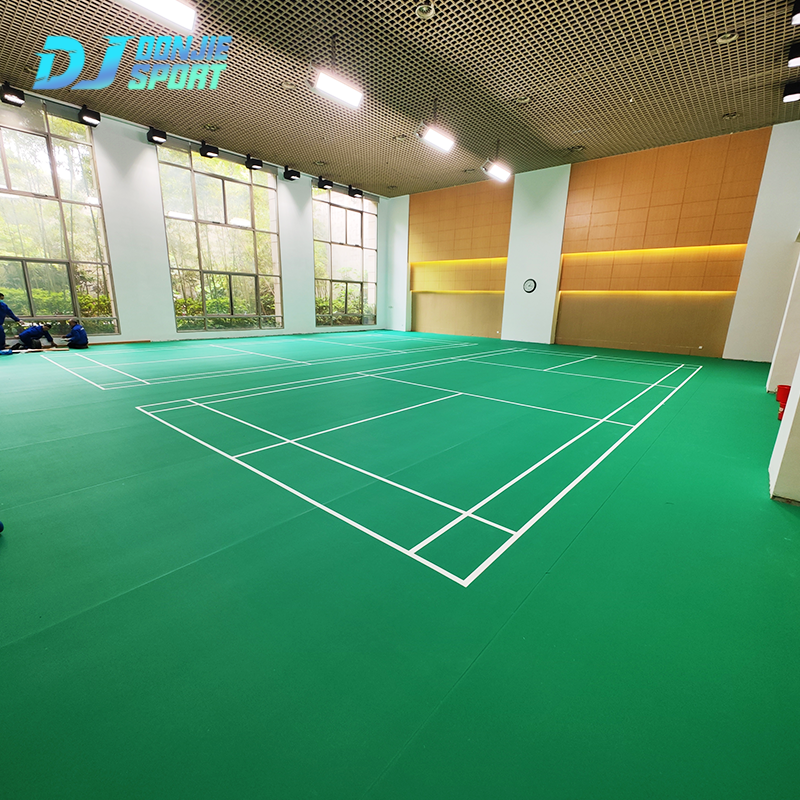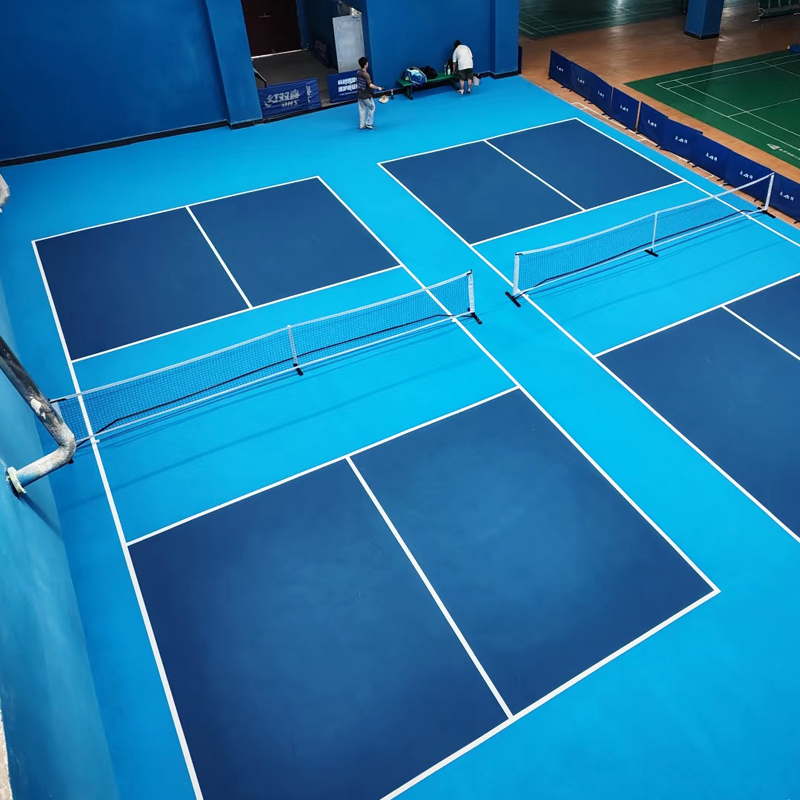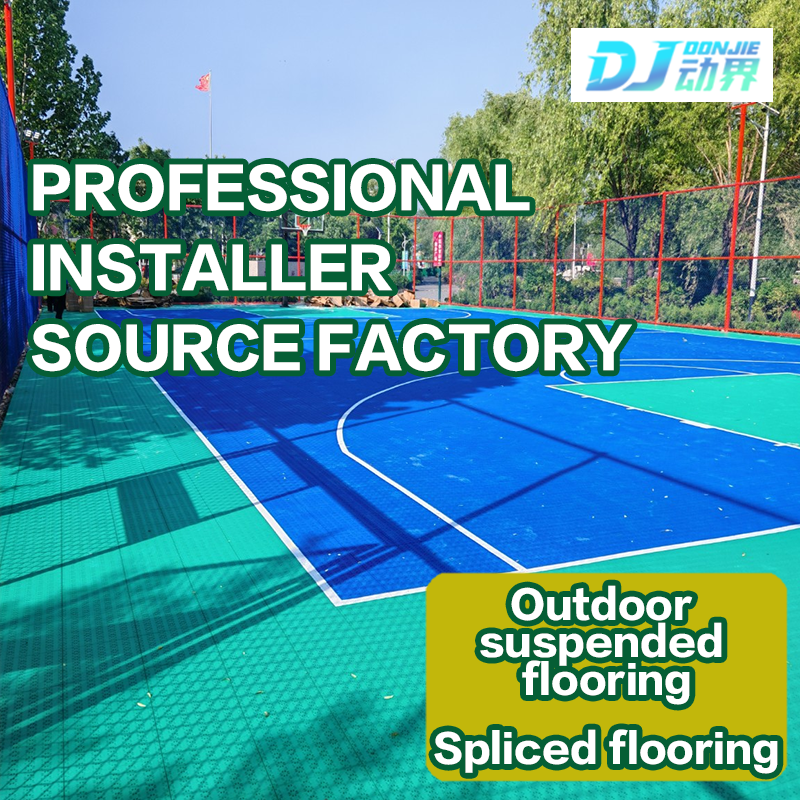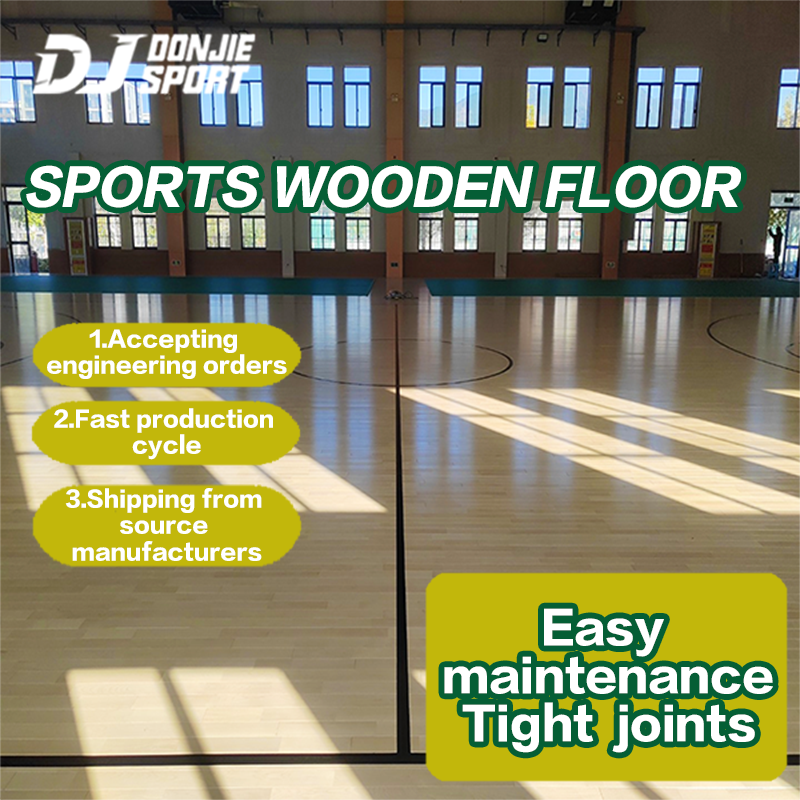
Proper installation of PVC sports flooring is essential for creating safe, durable, and high-performance sports surfaces. Whether in an indoor sports hall, basketball court, badminton court, pickleball court, or dance studio, improper installation can compromise both safety and the lifespan of your flooring. Many facility managers underestimate the complexity of installation, leading to issues such as uneven surfaces, flooring warping, or safety hazards. This guide highlights the most common PVC sports flooring installation mistakes and provides tips to avoid them, ensuring your sports venue meets professional standards.
Skipping Proper Subfloor Preparation
One of the most critical steps in PVC sports flooring installation is preparing the subfloor. A clean, level, and dry subfloor ensures that the flooring adheres properly and maintains long-term performance. Common mistakes include ignoring cracks, uneven surfaces, or moisture problems. In sports venues like basketball courts or indoor sports halls, even minor subfloor imperfections can affect ball bounce, athlete safety, and overall aesthetics. Take the time to inspect, repair, and level the subfloor before laying your PVC sports flooring to prevent premature wear and potential hazards.
Incorrect Acclimation of PVC Flooring
PVC flooring requires time to acclimate to the indoor environment before installation. Installing flooring immediately after delivery without allowing it to adjust to temperature and humidity variations is a frequent error. Improper acclimation can cause expansion, contraction, or visible gaps after installation. This is particularly critical in venues like dance studios or badminton courts, where surface consistency impacts performance and comfort. Always follow the manufacturer’s recommended acclimation period for best results.
Using Wrong Adhesives or Fasteners
Using the incorrect adhesives or fasteners can compromise the stability of your PVC sports flooring. Some installers mistakenly use generic glue or skip the appropriate connectors for interlocking tiles. This can result in lifting edges, separation of flooring sections, or poor adhesion. For facilities like pickleball courts or multi-use indoor sports halls, improper adhesive application can lead to uneven surfaces that reduce player safety. Always use PVC-compatible adhesives and ensure interlocking connections are properly secured.
Ignoring Manufacturer’s Installation Guidelines
Every PVC sports flooring product comes with manufacturer-specific installation guidelines. Ignoring these instructions—such as recommended roll direction, seam placement, or thickness requirements—is a common mistake. Improvising the layout or skipping alignment checks can lead to uneven surfaces, aesthetic issues, and safety hazards. In basketball courts and dance studios, following precise installation instructions ensures the floor performs as intended and lasts for years.
Improper Seaming and Joint Treatment
Seams and joints are critical areas in PVC sports flooring installation. Mistakes such as leaving gaps, misaligning seams, or improper welding can allow moisture penetration, create unstable surfaces, and reduce durability. For venues like indoor sports halls or badminton courts, proper seam treatment maintains smooth ball movement and consistent surface performance. Always ensure joints are sealed correctly and aligned perfectly during installation.
Neglecting Expansion Gaps
Expansion gaps allow PVC sports flooring to naturally expand and contract with temperature changes. Skipping these gaps is a frequent installation error, particularly near walls. Flooring pressed too tightly against the wall can buckle or curl at the edges, shortening the lifespan of your sports floor. Expansion gaps are essential for basketball courts, indoor sports halls, and dance studios where temperature fluctuations and heavy use are common.
Poor Maintenance Planning Post-Installation
Maintenance is a key factor in the longevity of PVC sports flooring. Many installers neglect to provide guidance for immediate post-installation care, resulting in surface damage or premature wear. Sports venues like badminton courts and dance studios require gentle cleaning and proper rolling techniques right after installation. Establishing a maintenance plan ensures that your flooring remains safe, clean, and durable over time.
Rushing the Installation Process
Rushing installation may save time initially but can compromise quality. Common errors include incomplete adhesive curing, skipped inspections, or insufficient rolling. In sports venues such as pickleball courts and indoor sports halls, these shortcuts can lead to uneven surfaces and reduced player safety. Allow adequate time for each installation step, and verify the flooring before opening the facility to athletes.
Not Considering Venue-Specific Requirements
Different sports venues have unique flooring needs. Installing PVC sports flooring without considering the specific requirements of basketball courts, dance studios, or indoor sports halls is a frequent mistake. Using the same installation method or padding thickness for all venues can negatively affect performance and user experience. Tailoring the installation to the type of activity ensures optimal traction, shock absorption, and longevity.
Conclusion
Avoiding common PVC sports flooring installation mistakes is essential for creating safe, high-performance, and long-lasting sports surfaces. Key takeaways include proper subfloor preparation, correct acclimation, using manufacturer-recommended adhesives, precise seam treatment, and allowing expansion gaps. Facility managers should also plan maintenance and follow venue-specific guidelines to maximize the benefits of their PVC sports flooring. By investing in correct installation practices, basketball courts, indoor sports halls, badminton courts, pickleball courts, and dance studios can offer safe, comfortable, and professional-quality playing surfaces.