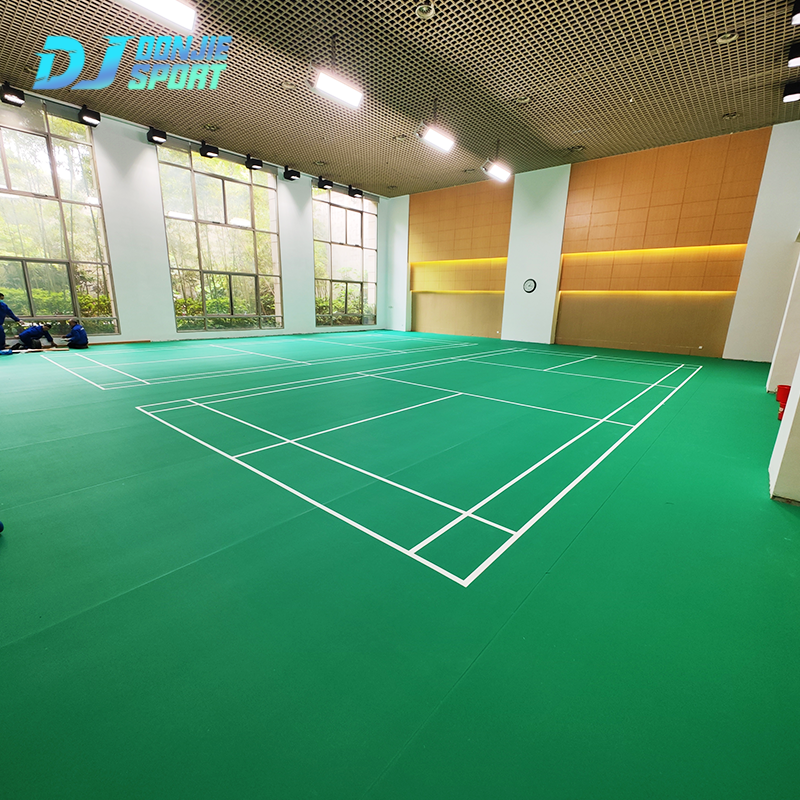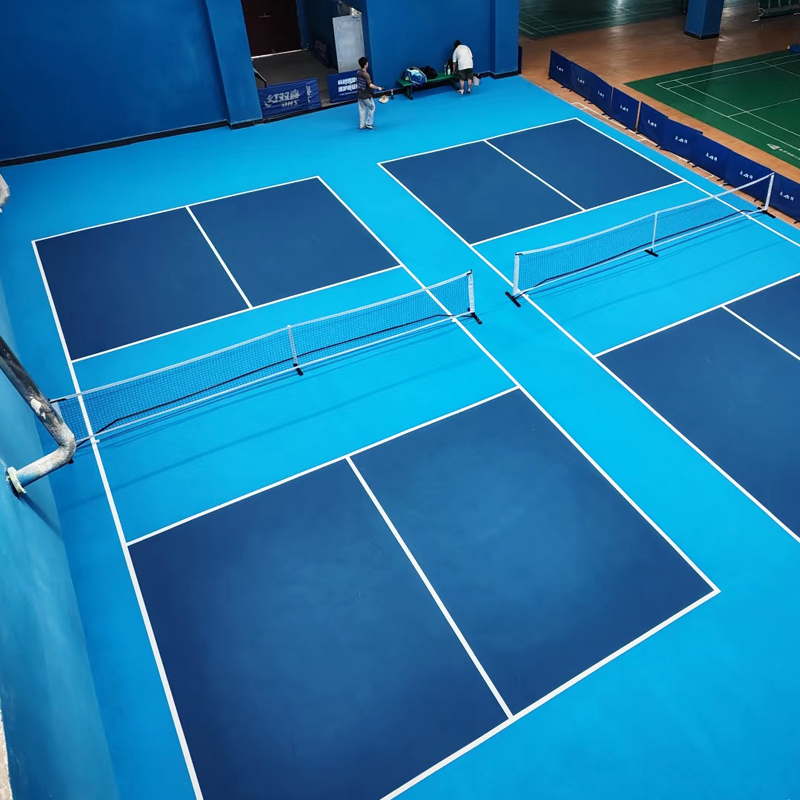
When it comes to selecting the best flooring for school sports facilities, durability and safety are the top priorities. Students engage in a wide variety of physical activities throughout the day, and having a reliable and safe flooring solution is crucial for their well-being and the longevity of the facility. In particular, pickleball courts, which are gaining popularity in schools, require a specific type of flooring that can withstand heavy use while ensuring safety for the players. In this article, we will explore the key factors that influence the selection of school sports flooring, with a particular focus on pickleball court flooring.
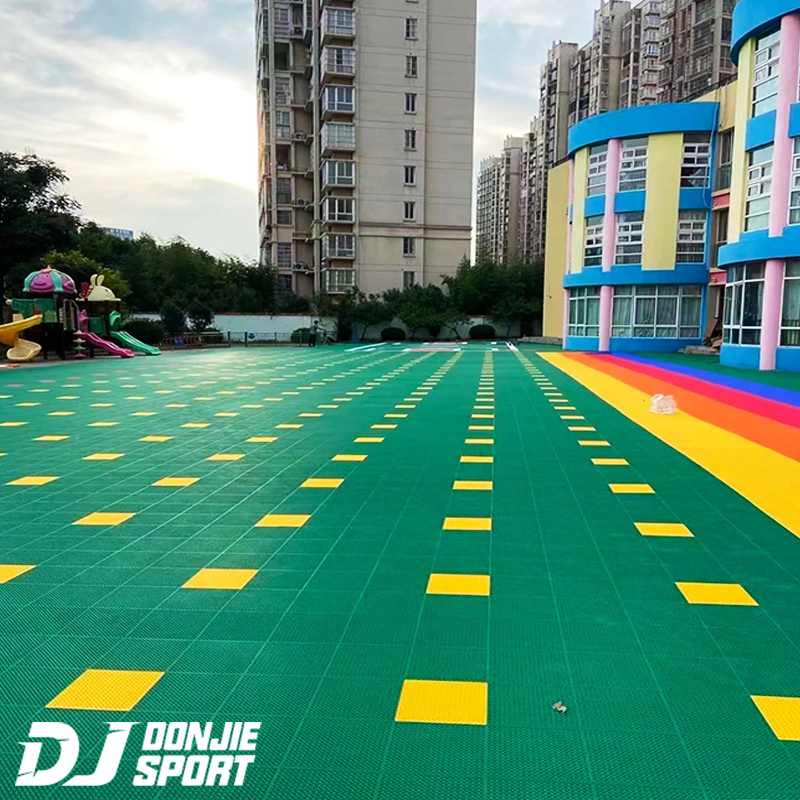
The Importance of Durability in School Sports Flooring
Durability is one of the most important factors when choosing school sports flooring, especially in environments with heavy foot traffic, such as gymnasiums and sports courts. The flooring must be able to withstand the demands of daily use, from basketball games to fitness classes and, of course, pickleball matches.
For pickleball courts, durability is even more critical. The game involves quick lateral movements, sudden stops, and hard impacts. Flooring that isn’t durable enough can degrade quickly, leading to surface damage, fading, and unevenness. For pickleball, this means the flooring should not only last for years but also maintain its performance under high-impact conditions.
Materials such as high-quality PVC sports flooring are ideal for pickleball courts because they offer a balance of durability and resilience, ensuring that the surface remains smooth, flat, and reliable over time.
Safety Features of School Sports Flooring
Safety is the second essential factor when selecting flooring for school sports facilities. Students engaging in sports activities, especially high-intensity games like pickleball, are at risk for injuries if the flooring doesn’t provide sufficient safety features. The right flooring can play a significant role in minimizing the risk of accidents and protecting players during play.
-
Anti-Slip Properties: One of the primary safety features of school sports flooring is its anti-slip properties. A safe sports floor, particularly for pickleball, must prevent players from slipping during rapid movements. Floors with a textured surface or special coatings provide additional traction, helping players maintain their balance and reducing the risk of falls.
-
Shock Absorption: Flooring that provides adequate shock absorption can significantly reduce the impact on joints, especially during quick stops or jumps. This is particularly important for pickleball players, as the fast-paced game often involves sudden direction changes. A well-designed sports floor absorbs some of the shock from each movement, which can help reduce fatigue and prevent injuries, particularly to the knees, hips, and lower back.
-
Consistent Surface Quality: A smooth, even surface is essential for safe play. Any defects or unevenness in the floor can result in ankle twists or other injuries. Properly maintained school sports flooring, such as PVC flooring designed for pickleball, ensures a consistent, reliable surface that minimizes injury risk during every game.
Key Flooring Materials for School Sports Facilities
There are various materials available for school sports flooring, but not all are created equal. The choice of material directly impacts both the durability and safety of the sports facility. For pickleball courts, it is essential to choose flooring materials that offer a combination of strength, flexibility, and safety features.
-
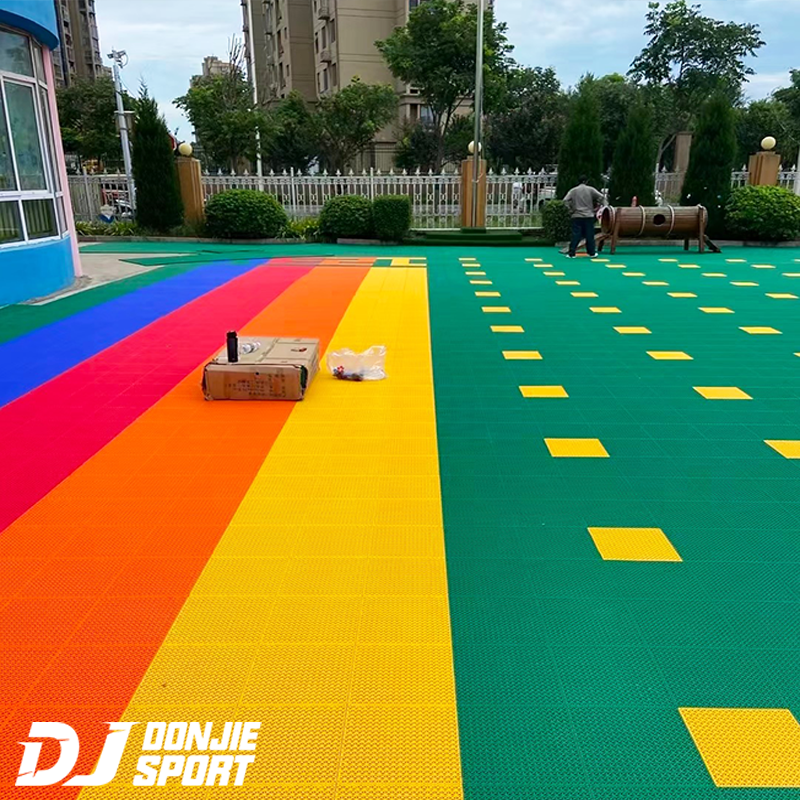
PVC Flooring: Polyvinyl chloride (PVC) flooring is one of the most popular choices for school sports facilities, including pickleball courts. It is durable, resistant to wear and tear, and offers excellent shock absorption. PVC floors are available in interlocking tiles or sheets, making them easy to install and maintain. Additionally, they are low-maintenance, resistant to stains, and can be cleaned quickly.
-
Rubber Flooring: Rubber sports flooring is also a viable option for some school sports facilities. It offers a high level of shock absorption and is slip-resistant, making it a good choice for areas with high foot traffic. However, it can be more expensive and may require more maintenance over time.
-
Wood Flooring: Hardwood flooring is a traditional option for indoor sports courts, offering a professional aesthetic and natural feel. While it can provide a suitable surface for pickleball courts, it requires more frequent maintenance and may not offer the same level of durability and safety features as PVC or rubber flooring.
Each material has its advantages and drawbacks, but for pickleball courts, PVC sports flooring is often the best option due to its balance of performance, safety, and affordability.
Maintenance Considerations for School Sports Flooring
Proper maintenance is crucial to prolonging the life of sports flooring and ensuring that it continues to provide a safe and durable playing surface. For school sports facilities, maintaining flooring can be a cost-effective way to avoid the need for frequent replacements.
-
Routine Cleaning: Regular cleaning is essential for keeping the flooring in top condition. For pickleball courts, this involves sweeping or vacuuming the surface to remove dust and debris that could affect performance. Additionally, periodic mopping with a gentle, non-abrasive cleaning solution helps maintain the floor’s appearance and functionality.
-
Inspection and Repair: Inspections should be performed regularly to check for signs of wear, such as cracks, dents, or peeling. Early detection of any damage allows for timely repairs, preventing the issue from becoming a safety hazard. For example, PVC sports flooring typically has a longer lifespan if kept clean and free from debris.
-
Surface Re-coating: Depending on the flooring material, you may need to apply a protective coating or sealant to restore the floor’s appearance and ensure its longevity. This is especially true for PVC flooring, which may require a re-coating every few years to maintain its slip resistance and protect it from fading.
Cost vs. Quality: Balancing Budget and Performance
One of the most challenging aspects of selecting sports flooring is balancing cost with quality. Schools often work with limited budgets, but it’s important to consider the long-term benefits of investing in high-quality flooring. While cheaper options may seem appealing initially, they can end up being costly in the long run due to frequent replacements and higher maintenance costs.
Investing in durable and safe flooring for pickleball courts ensures that the facility will continue to perform well for years to come. It also minimizes the risk of injuries, reducing potential healthcare costs and improving the overall experience for students. High-quality PVC flooring offers an excellent balance of cost and performance, providing long-lasting value without breaking the budget.
Conclusion
Selecting the right sports flooring for school facilities is an investment in both durability and safety. When considering flooring for pickleball courts, it’s essential to choose materials that can withstand the demands of frequent use while providing a safe playing surface for students. PVC sports flooring stands out as the ideal choice due to its durability, shock absorption, and slip-resistant properties. By investing in quality flooring and maintaining it properly, schools can provide a safe and enjoyable environment for pickleball players and other athletes.