When planning a sports hall, the floor is one of the most critical elements to consider. Whether you’re building a facility for multi-sport use or focusing on a specific game like pickleball, the floor plays a pivotal role in the performance, safety, and overall experience of the players. A well-constructed sports hall floor not only enhances gameplay but also ensures durability, ease of maintenance, and comfort. In sports like pickleball, where fast-paced movements and sudden direction changes are common, the quality and design of the floor can significantly influence the outcome of a game and reduce the risk of injury. Let’s dive deeper into the key aspects of sports hall floor construction, especially when preparing a facility to accommodate pickleball courts.
Choosing the Right Material for Your Sports Hall Floor
Selecting the appropriate material for your sports hall floor is vital to ensure both performance and safety. The type of material you choose can affect the overall comfort, grip, and durability of the flooring, particularly for dynamic sports like pickleball. Here’s a breakdown of the most common materials used in sports hall flooring:
-
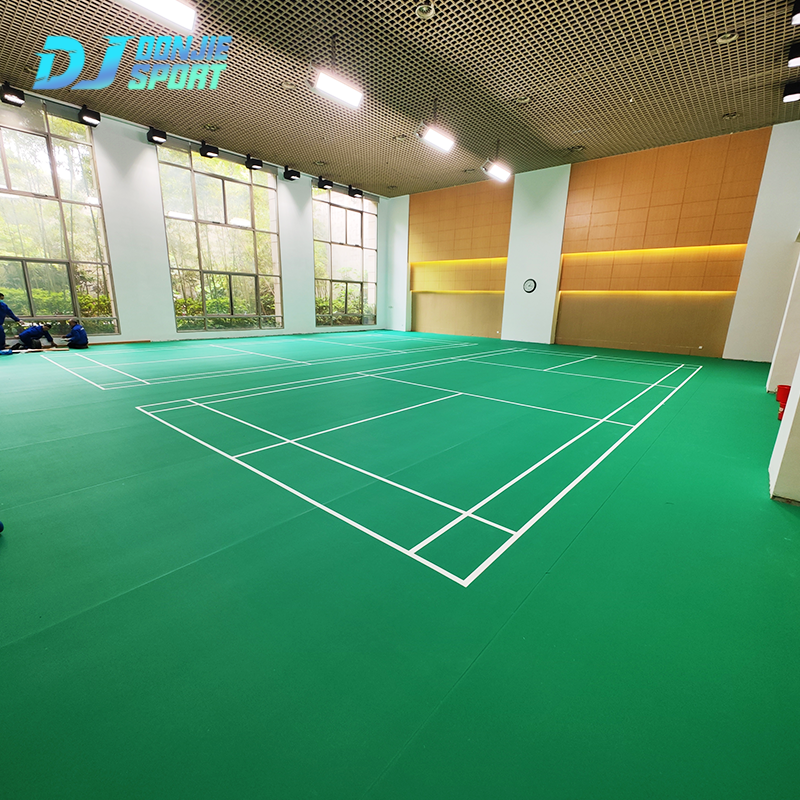
PVC Flooring: PVC (polyvinyl chloride) flooring has become increasingly popular for sports halls, especially for indoor sports like pickleball. Known for its slip-resistance, durability, and shock absorption, PVC flooring offers the ideal balance of performance and safety. It is also easy to maintain and can withstand heavy foot traffic, making it a top choice for facilities that host frequent pickleball games.
-
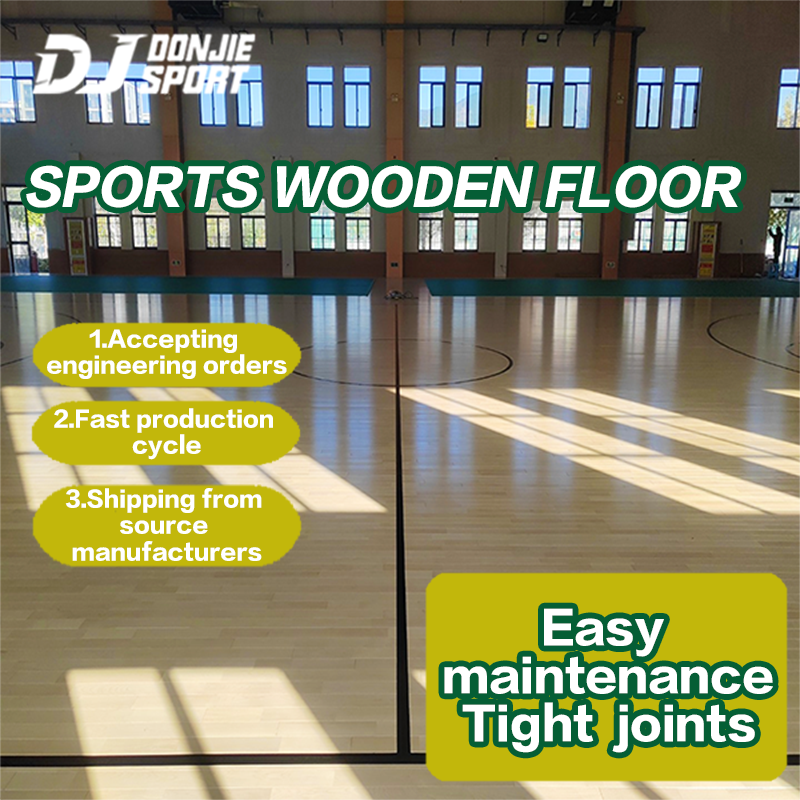
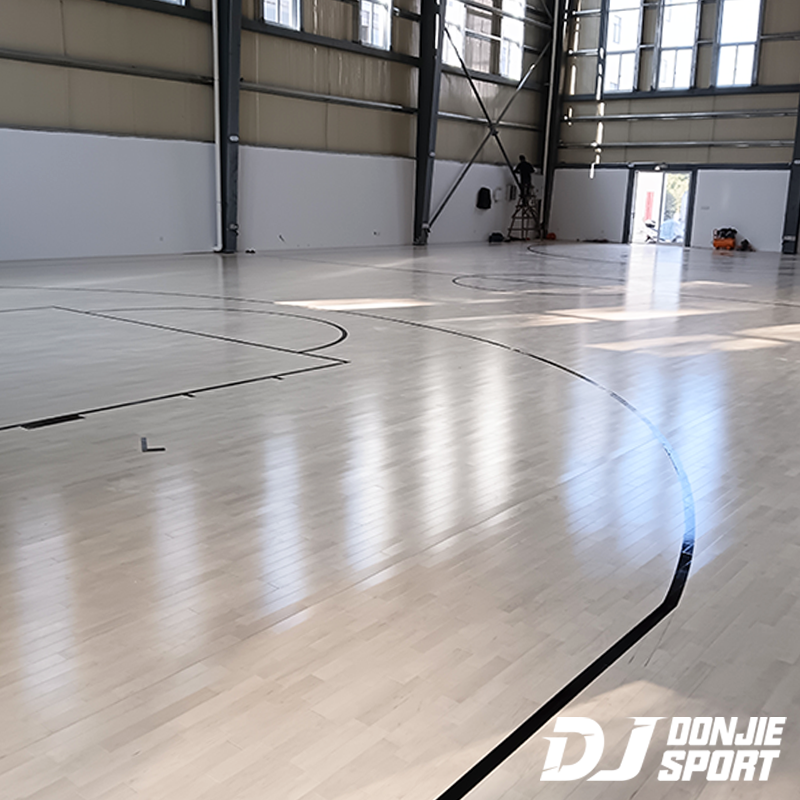
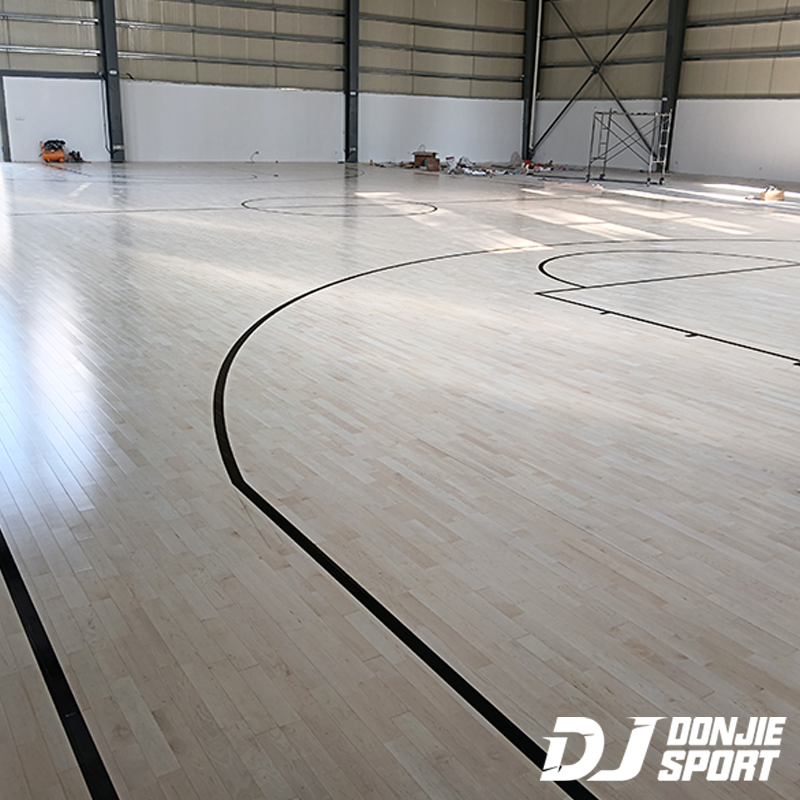
Wooden Flooring: While traditional wooden floors are commonly associated with basketball courts, they can also be used for pickleball courts. Wood provides excellent shock absorption and a comfortable playing surface. However, it requires more maintenance compared to PVC and may not be as durable in the long run, especially in high-traffic areas.
-
Rubber Flooring: Rubber flooring is another viable option, known for its resilience and comfort. It offers excellent shock absorption, reducing the risk of injuries. Rubber is particularly suitable for multi-use sports halls but may not offer the same level of performance or aesthetic appeal as PVC flooring for pickleball.
For pickleball, PVC flooring is the preferred material due to its combination of durability, slip resistance, and low-maintenance qualities. It provides players with a consistent and comfortable surface, allowing for optimal gameplay.
Design Considerations for Sports Hall Flooring
The design of your sports hall floor can have a significant impact on both performance and safety. For pickleball courts, several key design considerations should be factored in:
-
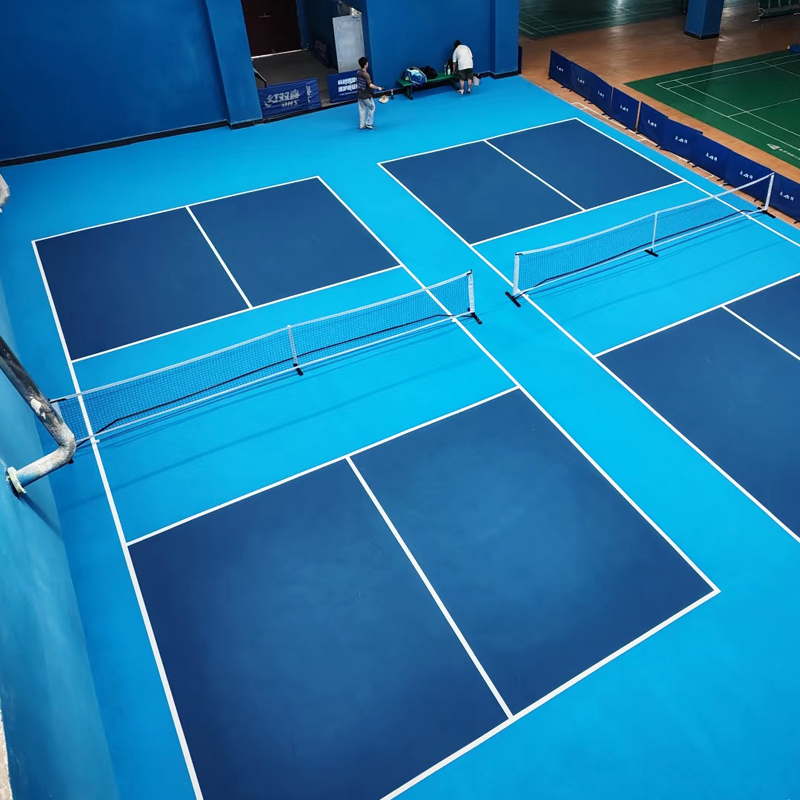
Court Dimensions and Layout: Pickleball courts have specific dimensions outlined by governing bodies. A typical pickleball court is 20 feet wide by 44 feet long. Ensuring that these measurements are accurate and that there is enough surrounding space for players to move safely is essential when designing the floor layout in a sports hall.
-
Court Markings: Proper court markings are crucial for guiding gameplay. These lines need to be clear, durable, and easily visible. When constructing a sports hall floor, ensure that the court markings are applied using durable, non-slip paint that will not fade or wear away with heavy use.
-
Flow and Multi-Use Considerations: Many sports halls are multi-purpose facilities. When designing the flooring, it’s important to consider how different activities, such as pickleball, basketball, or volleyball, will interact within the same space. The ability to easily switch between courts and activities is one of the main challenges in sports hall design. However, it is essential to prioritize safety and comfort for every sport.
In pickleball, maintaining a well-defined court layout with clear markings ensures smooth gameplay and minimizes errors during matches. The floor design should facilitate quick movement without hindering players’ ability to pivot or change direction swiftly.
Step-by-Step Guide to Sports Hall Floor Construction
Building a sports hall floor, particularly one designed to accommodate pickleball courts, involves several key stages. Each step needs careful attention to ensure that the floor is not only functional but also safe for players.
-
Planning and Preparation: Start by assessing the space and determining the specific requirements for your sports hall floor. The floor should be designed with proper ventilation, drainage, and insulation to avoid moisture buildup, which can damage the flooring over time.
-
Installing the Subfloor and Underlayment: The subfloor is the foundation for the sports hall floor. It needs to be level, stable, and moisture-resistant. The underlayment is often added for additional shock absorption and soundproofing. This is especially important for pickleball courts, where quick, explosive movements can generate noise.
-
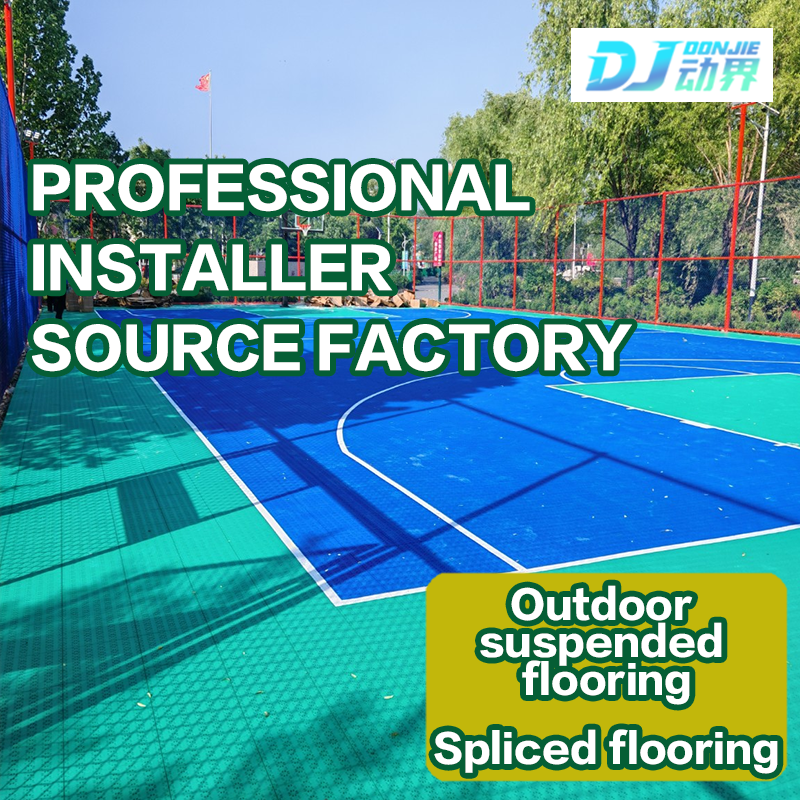
Laying the Final Floor Layer: Whether you’re using PVC, rubber, or wood, the final floor layer should be installed with precision. In the case of PVC flooring, the interlocking tiles or sheets should be securely fixed to avoid gaps or lifting. Be sure to follow the manufacturer’s installation guidelines to guarantee a seamless and durable finish.
-
Marking the Court: Once the flooring is installed, the court markings can be applied. For pickleball, this includes the boundary lines, non-volley zone, and service areas. High-quality, non-slip paint should be used to ensure visibility and durability.
-
Final Inspection and Testing: After the installation, a thorough inspection should be conducted to ensure that the flooring meets the required standards. Testing for shock absorption, slip resistance, and court markings will help ensure that the floor is ready for use.
Maintenance and Durability of Sports Hall Floors
To maintain the quality and longevity of your sports hall floor, especially for pickleball courts, proper maintenance is essential. Here are some maintenance tips:
-
Routine Cleaning: Regular cleaning helps to prevent dirt and debris from building up on the surface. For PVC flooring, a simple mop and mild detergent are usually enough to keep it clean. Avoid harsh chemicals that may damage the floor’s finish.
-
Protecting the Surface: Use floor protectors for furniture or equipment to prevent scratches and scuffs. For pickleball courts, avoid dragging heavy equipment across the floor.
-
Repairs and Touch-Ups: If you notice any damage, such as tears or indentations, it’s important to address it immediately. PVC floors are typically easy to repair by replacing damaged tiles or sheets. Court markings may need to be refreshed after heavy use.
With proper care, a sports hall floor can last many years, even with frequent pickleball matches.
Cost Factors in Sports Hall Floor Construction
The cost of constructing a sports hall floor depends on several factors:
-
Material Choice: PVC flooring is generally more affordable than wood, but the overall cost will depend on the quality and brand of material you choose. While PVC may cost less upfront, it offers long-term durability and minimal maintenance costs.
-
Installation Costs: Professional installation ensures that the floor is laid correctly and meets safety standards. The complexity of the installation (e.g., interlocking tiles versus sheets) can affect labor costs.
-
Maintenance: Over time, PVC flooring typically requires less maintenance than wood, which can save money in the long run.
-
Court Markings and Features: Adding specific markings for pickleball, such as non-volley zones and service lines, can increase the overall cost. Custom features, like shock-absorbent underlayment, may also impact the price.
When budgeting, it’s important to weigh these costs against the long-term benefits of having a high-quality, durable sports hall floor that can withstand heavy use.
Choosing the Right Contractor for Sports Hall Floor Installation
Selecting a reliable contractor is crucial for ensuring a successful sports hall floor installation. Here are some key factors to consider:
-
Experience: Choose a contractor with experience in installing sports floors, especially for pickleball courts. Look for a company that specializes in sports flooring to ensure they understand the unique needs of athletic spaces.
-
Reputation: Check reviews and ask for references to gauge the contractor’s reliability and quality of work.
-
Warranty and Support: A good contractor should offer a warranty on both the installation and the materials used. Additionally, ongoing support for maintenance or repairs can be a sign of a reputable contractor.
-
Installation Timeline: Make sure the contractor can meet your project deadlines without compromising quality.
Building the Perfect Sports Hall Floor for Pickleball
When constructing a sports hall floor, it’s essential to keep in mind both the needs of the players and the long-term durability of the floor. Whether you’re designing a multi-purpose sports hall or a dedicated pickleball court, choosing the right materials, layout, and professional contractor is crucial for ensuring a safe, functional, and long-lasting floor. With careful planning, attention to detail, and regular maintenance, your sports hall floor will provide a top-notch playing surface for years to come.