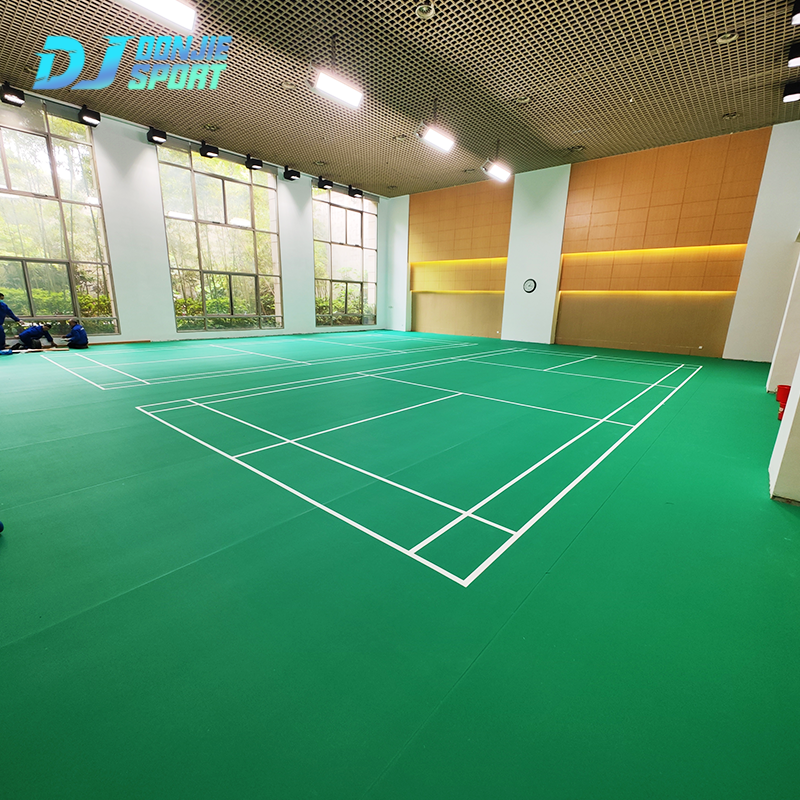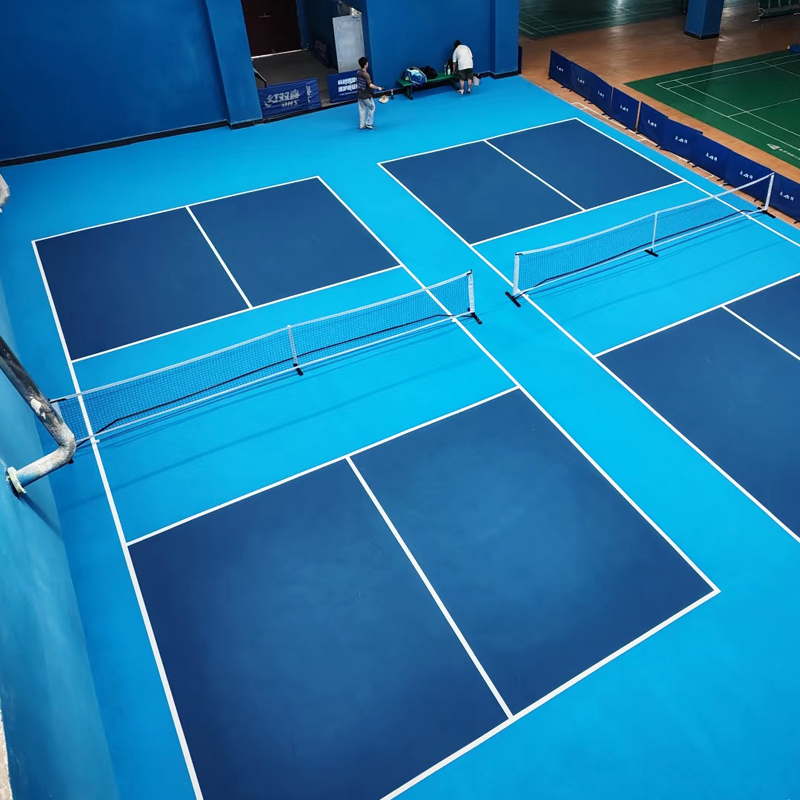
When it comes to building or renovating badminton facilities, synthetic flooring for badminton courts has become the go-to choice for both professional and recreational venues. Unlike traditional wooden floors, synthetic options are engineered to provide consistent performance, superior durability, and minimal maintenance, making them highly appealing for sports centers worldwide. Choosing the right flooring is not just a matter of aesthetics—it directly affects player safety, game quality, and long-term investment costs.
Modern synthetic materials are designed to enhance agility, reduce the risk of injuries, and offer an even playing surface that supports high-speed rallies and quick directional changes. For facility managers and athletes alike, understanding the advantages and unique qualities of synthetic flooring can help in making an informed decision that maximizes both performance and longevity.
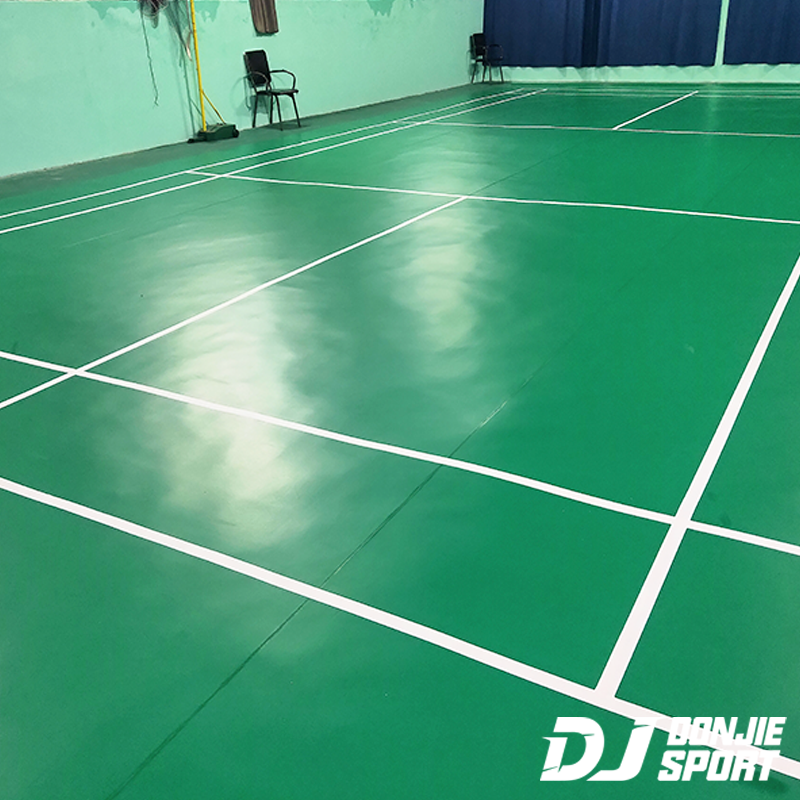
Advantages of Synthetic Flooring for Badminton Courts
Enhanced Player Safety and Injury Prevention
One of the primary reasons sports facilities prefer synthetic flooring for badminton courts is its superior ability to reduce injuries. Synthetic materials are engineered with shock-absorbing properties that minimize stress on joints, knees, and ankles during fast-paced movements. This is especially important for badminton, where players frequently perform sudden lunges, jumps, and rapid directional changes. Unlike hard wooden floors that may become slippery over time, high-quality synthetic surfaces provide consistent traction, reducing the risk of slips and falls.
Consistent Bounce and Optimal Shuttlecock Performance
Synthetic flooring ensures a uniform playing surface that contributes to predictable shuttlecock behavior. Whether it’s a casual game or a professional match, players can rely on consistent bounce and rebound, enhancing gameplay quality. In contrast, older wooden floors may warp or develop uneven spots, affecting shuttlecock trajectory and making it harder for players to perform at their best.
Durability and Long-Term Cost Efficiency
Although synthetic flooring might have a higher initial cost than some temporary options, its durability offers significant long-term savings. Materials like PVC and PU are resistant to scratches, dents, and wear caused by heavy foot traffic. This means that synthetic flooring for badminton courts often outlasts wooden alternatives, requiring fewer repairs or replacements over time.
Low Maintenance Requirements Compared to Other Materials
Maintaining synthetic flooring is straightforward. Regular cleaning and periodic inspections are usually sufficient to keep the surface in excellent condition. There’s no need for waxing, sanding, or refinishing as with wooden floors, which reduces labor costs and downtime. Facility managers often find this convenience one of the most compelling reasons to choose synthetic surfaces.
Resistance to Environmental Factors and Indoor Conditions
Synthetic materials are less sensitive to humidity, temperature fluctuations, and moisture, ensuring consistent performance year-round. This makes them ideal for indoor courts where air conditioning or heating may otherwise affect wooden surfaces, leading to warping or shrinkage.
Types of Synthetic Flooring for Badminton Courts
PVC Flooring: Affordable and Easy to Install
PVC flooring is one of the most popular options for badminton courts due to its affordability and ease of installation. It provides good traction, moderate cushioning, and requires minimal maintenance, making it suitable for schools, recreational centers, and semi-professional venues.
PU (Polyurethane) Flooring: Comfort and Shock Absorption
PU flooring is engineered for comfort, offering superior shock absorption and energy return. It reduces player fatigue during long matches and supports professional-level performance. Its smooth surface is also ideal for fast-paced rallies, providing predictable shuttlecock bounce.
Modular Interlocking Tiles: Flexibility and Quick Replacement
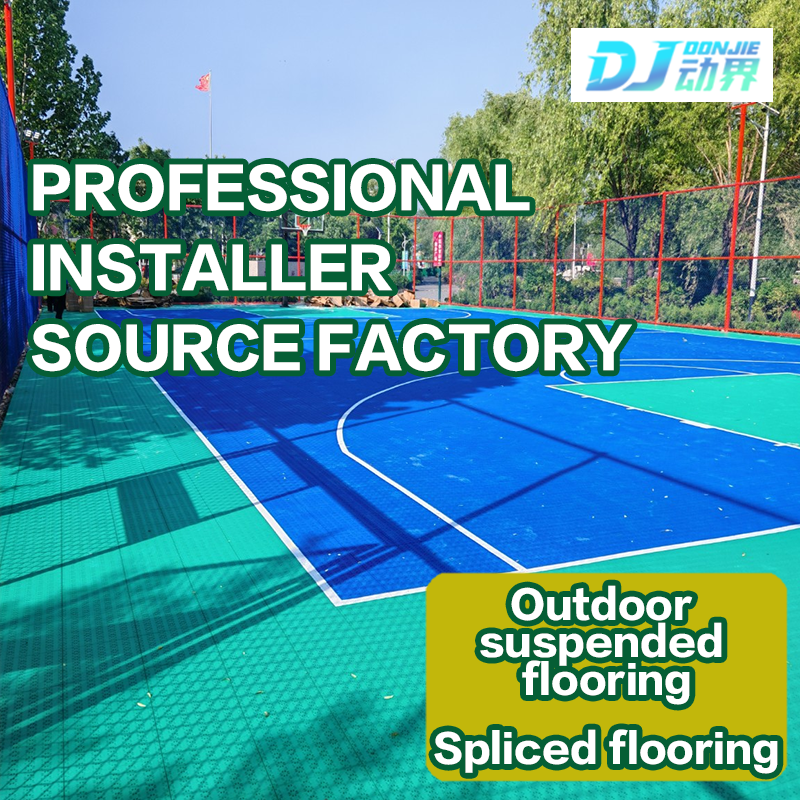
For facilities that need quick installation or occasional floor replacement, modular interlocking tiles are a practical choice. These tiles snap together, allowing damaged sections to be replaced individually without disrupting the entire court. This type of synthetic flooring for badminton courts is especially popular in multi-purpose sports halls.
Comparison of Different Synthetic Materials
Each synthetic flooring type offers unique benefits. PVC is cost-effective, PU prioritizes comfort and professional performance, and modular tiles maximize flexibility. Choosing the right material depends on budget, usage frequency, and performance expectations.
Performance Benefits of Synthetic Flooring for Badminton Courts
Impact on Speed, Agility, and Movement
Synthetic flooring enhances players’ speed and agility by providing consistent traction and minimal slippage. Athletes can pivot, lunge, and jump confidently, resulting in faster gameplay and improved match performance.
Reducing Fatigue During Long Matches
The cushioning properties of high-quality synthetic surfaces absorb impact, reducing strain on muscles and joints. Players experience less fatigue, allowing longer and more intense practice sessions or competitive matches.
Enhancing Professional-Level Play and Training
Many professional tournaments and training facilities prefer synthetic flooring for badminton courts because it provides predictable conditions that replicate competitive environments. This makes training more effective and ensures players can perform at their peak during actual games.
Maintenance Tips for Synthetic Flooring
Regular Cleaning and Dust Prevention
Routine sweeping or dust mopping prevents debris from scratching the surface. Occasional wet mopping with a mild detergent keeps the floor clean without damaging its material.
Avoiding Damage from Heavy Equipment or Shoes
Placing protective pads under heavy equipment and ensuring players use appropriate badminton shoes can extend the lifespan of synthetic flooring. Avoid dragging heavy objects across the surface to prevent scratches.
Periodic Inspections for Wear and Tear
Facility managers should conduct regular inspections to identify worn-out areas or minor damages early. Prompt repairs prevent larger issues that could affect gameplay or safety.
Recommended Maintenance Products for Longevity
Using manufacturer-approved cleaning solutions and conditioners helps preserve surface integrity and keeps traction levels consistent. Avoid harsh chemicals or abrasive tools that could degrade the synthetic material.
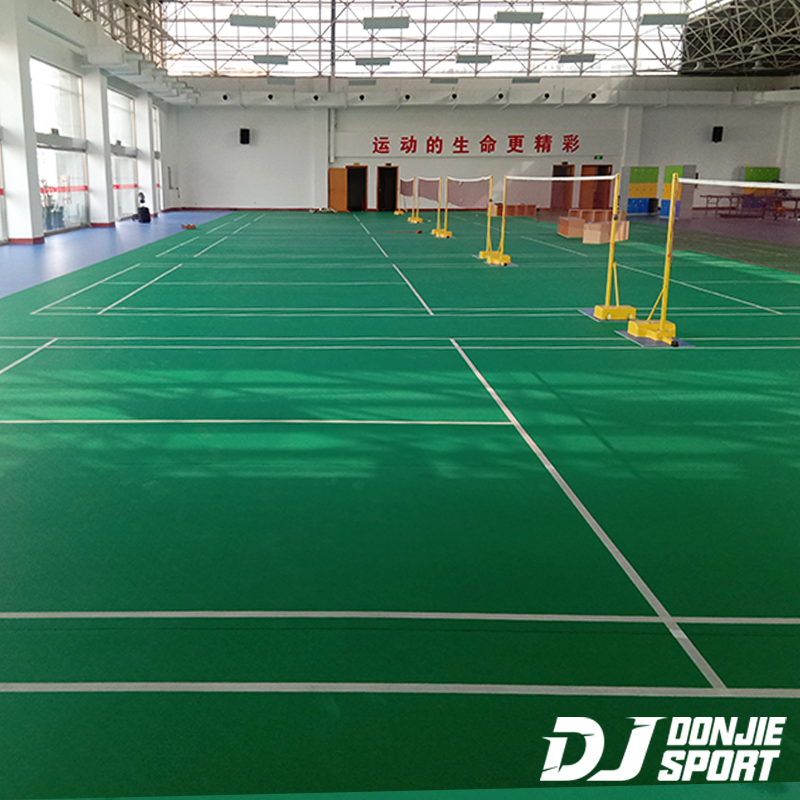
Cost Considerations for Synthetic Flooring for Badminton Courts
Installation Costs Compared to Wooden and Other Alternatives
While synthetic flooring may require a higher upfront investment than some wooden or vinyl options, its long-term durability and low maintenance needs often result in better cost-effectiveness over time.
Long-Term Value and ROI for Sports Facilities
Synthetic floors reduce replacement frequency, minimize downtime, and lower labor costs, delivering a higher return on investment. Facility owners benefit from consistent performance, reduced maintenance expenses, and increased player satisfaction.
Factors Influencing Price
The total cost depends on material type (PVC, PU, or modular), thickness, brand quality, and installation method. Facilities should weigh initial investment against expected lifespan and performance benefits to make the best decision.
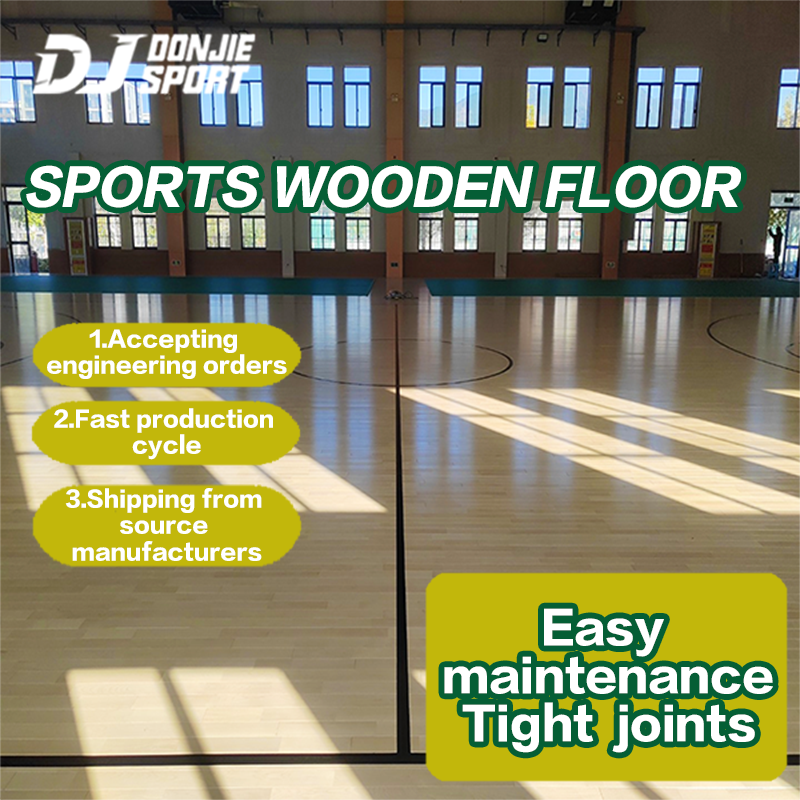
Synthetic Flooring vs. Wooden Flooring: Why Synthetic Wins
Comparing Shock Absorption and Safety
Synthetic surfaces offer superior shock absorption, reducing injury risk compared to wooden floors, which can become slippery or uneven over time.
Ease of Installation and Replacement
Unlike wooden flooring, which may require professional sanding and refinishing, synthetic floors can often be installed faster, and modular tiles allow for partial replacement when necessary.
Longevity in High-Traffic Areas
Synthetic flooring withstands heavy use better than wood, making it ideal for schools, community centers, and professional training facilities.
Ideal Use Cases for Synthetic Over Wood
For high-traffic courts, multi-purpose halls, or facilities seeking long-term durability with minimal maintenance, synthetic flooring for badminton courts is the clear choice.
Frequently Asked Questions About Synthetic Flooring for Badminton Courts
Can Synthetic Flooring Be Used Outdoors?
Some synthetic materials, like specific PVC and modular tiles, are suitable for outdoor use, offering UV and weather resistance. However, most professional-grade indoor badminton courts prefer controlled environments for optimal performance.
How Long Does Synthetic Flooring Last?
With proper care, high-quality synthetic flooring can last 10–20 years, depending on usage and maintenance.
Is Synthetic Flooring Suitable for Professional Tournaments?
Yes, professional facilities often select PU or high-grade PVC surfaces because they provide consistent play conditions and meet international tournament standards.
How Do I Choose the Right Thickness and Type?
Consider usage frequency, player level, and budget. PU flooring is ideal for professional use, PVC is cost-effective for recreational play, and modular tiles are excellent for flexible installations.
Conclusion
Choosing the right flooring is critical for any badminton facility, and synthetic flooring for badminton courts has proven to be the preferred option for both performance and longevity. Its combination of safety, consistent play quality, durability, and low maintenance makes it ideal for recreational centers, schools, and professional arenas alike. By understanding the advantages, material types, maintenance requirements, and cost factors, facility managers can make informed decisions that enhance player experience while maximizing long-term value. Investing in quality synthetic flooring is not just a practical choice—it’s a strategic one for any venue aiming to support high-quality badminton play.