Selecting the right table tennis court flooring is a critical decision for players, coaches, and facility managers. The flooring directly impacts player performance, safety, and overall comfort during play. A high-quality floor enhances ball bounce consistency, reduces the risk of injuries, and ensures long-lasting durability, creating an optimal environment for competitive and recreational table tennis. Understanding the different flooring materials and their characteristics is essential for making an informed choice that meets both performance and budget requirements.
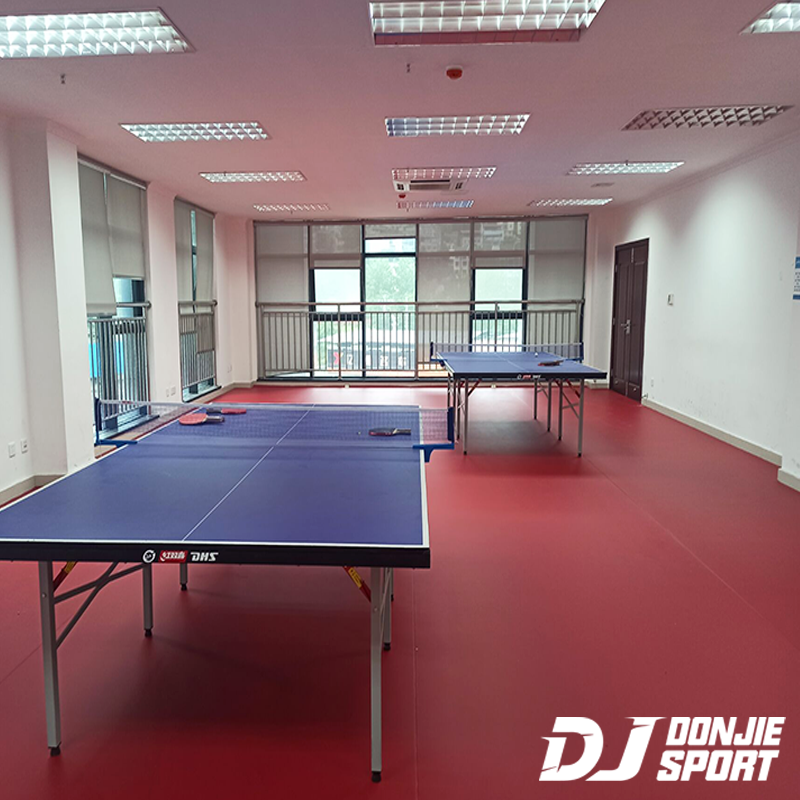
Understanding the Types of Table Tennis Court Flooring
Wooden Flooring
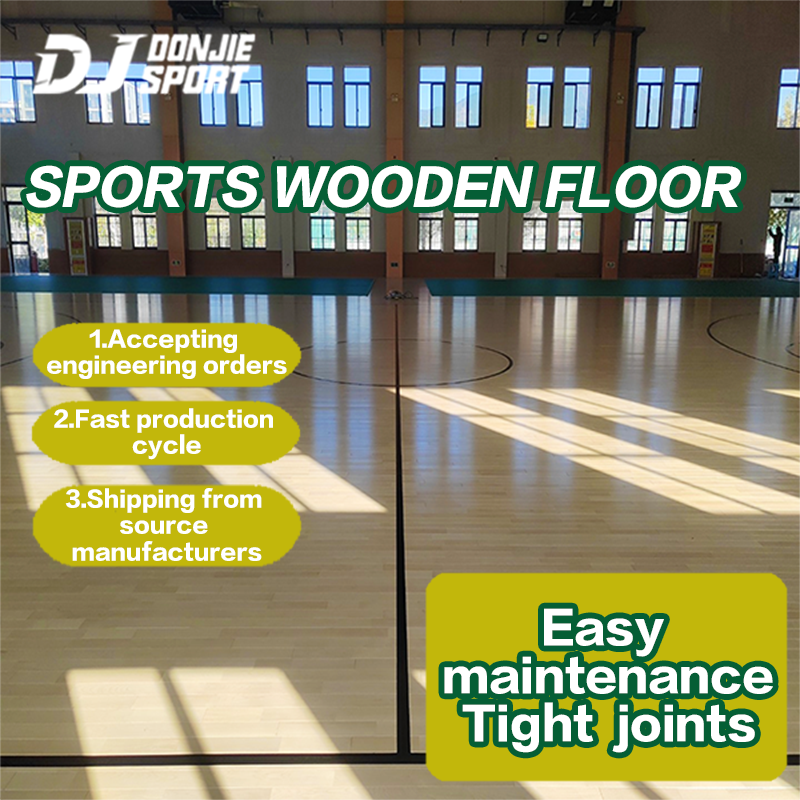
Wooden floors, particularly hardwood such as maple or beech, are widely used in professional table tennis venues. These floors provide excellent ball bounce and surface uniformity, enhancing player control and reaction time. Hardwood is known for its resilience and ability to absorb impact, which reduces stress on joints during extended practice or matches. While installation costs can be higher, wooden flooring offers a premium feel and performance that is preferred in high-level competitions.
PVC Flooring
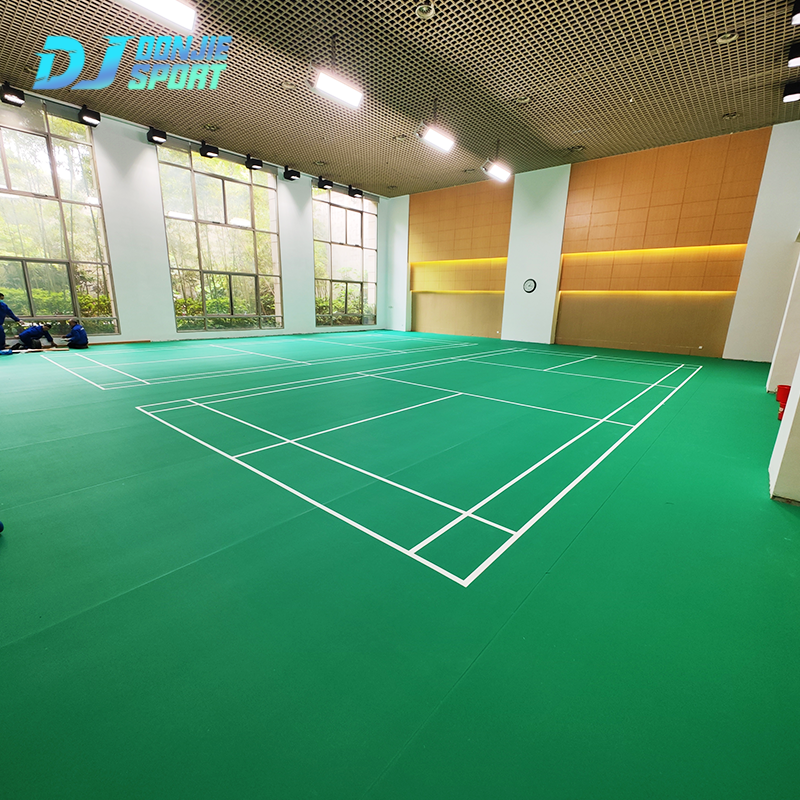
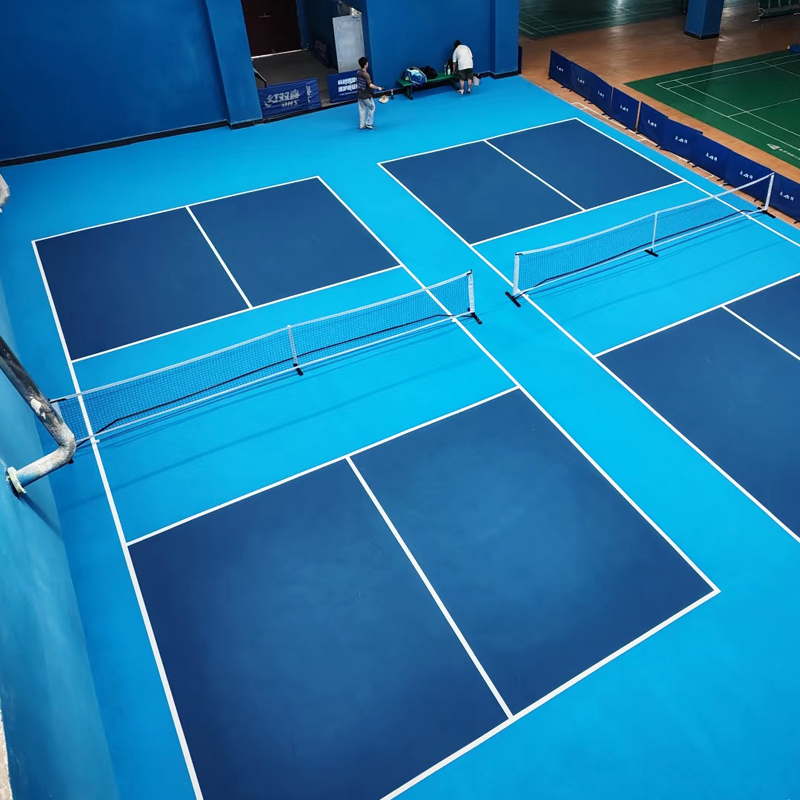
PVC sports flooring has gained popularity in recent years for table tennis courts due to its durability, ease of maintenance, and cost-effectiveness. PVC surfaces are engineered to offer consistent ball bounce, anti-slip properties, and shock absorption, making them suitable for both professional and recreational facilities. They are also lightweight and easy to install, often available in interlocking or roll formats, which simplifies installation and replacement.
Rubber Flooring
Rubber flooring provides excellent shock absorption and reduces the risk of joint injuries, particularly in environments where players spend long hours on the court. Rubber surfaces are soft yet resilient, offering a slightly lower ball bounce compared to wooden or PVC options, which can be advantageous for beginners and casual play. This flooring is highly durable, low-maintenance, and resistant to wear, making it ideal for multipurpose facilities where safety and comfort are priorities.
Hybrid Flooring Solutions
Hybrid floors combine materials, such as wood with a PVC overlay, to offer the advantages of multiple surfaces in one solution. These floors can optimize ball bounce, player comfort, and longevity while providing enhanced shock absorption. Hybrid solutions are increasingly popular in modern table tennis venues, offering the flexibility to cater to both competitive players and community sports centers.
Key Factors to Consider When Choosing Flooring Material
Player Performance and Ball Bounce
The choice of flooring material affects the speed and spin of the ball. Hardwood provides a faster, more responsive bounce, preferred in competitive settings. PVC and hybrid floors maintain consistent bounce while offering added safety. Facility managers should consider the skill level of players when selecting the appropriate material to ensure optimal performance.
Safety and Comfort
A proper table tennis court floor must minimize injuries and fatigue. Floors with shock-absorbing properties reduce stress on knees, ankles, and back, allowing players to perform at their best during long sessions. Anti-slip surfaces are essential for maintaining balance and preventing accidents, especially in high-intensity matches.
Durability and Maintenance
Different flooring materials vary in lifespan and upkeep requirements. Hardwood may require periodic polishing and protective coatings to maintain performance, while PVC and rubber floors are easier to clean and maintain. Evaluating maintenance needs alongside durability ensures that the floor remains safe and visually appealing over time.
Cost and Budget Considerations
Budget plays a significant role in flooring selection. While hardwood offers premium performance, PVC and rubber provide cost-effective alternatives without compromising safety or comfort. Long-term value should be weighed against initial investment, considering installation, maintenance, and lifespan.
Installation Considerations
Subfloor Requirements
Proper subfloor preparation is crucial for performance and longevity. The subfloor should be level, dry, and structurally sound to prevent uneven bounce and reduce wear. Moisture barriers and proper insulation are important to avoid damage and ensure floor stability over time.
Installation Methods
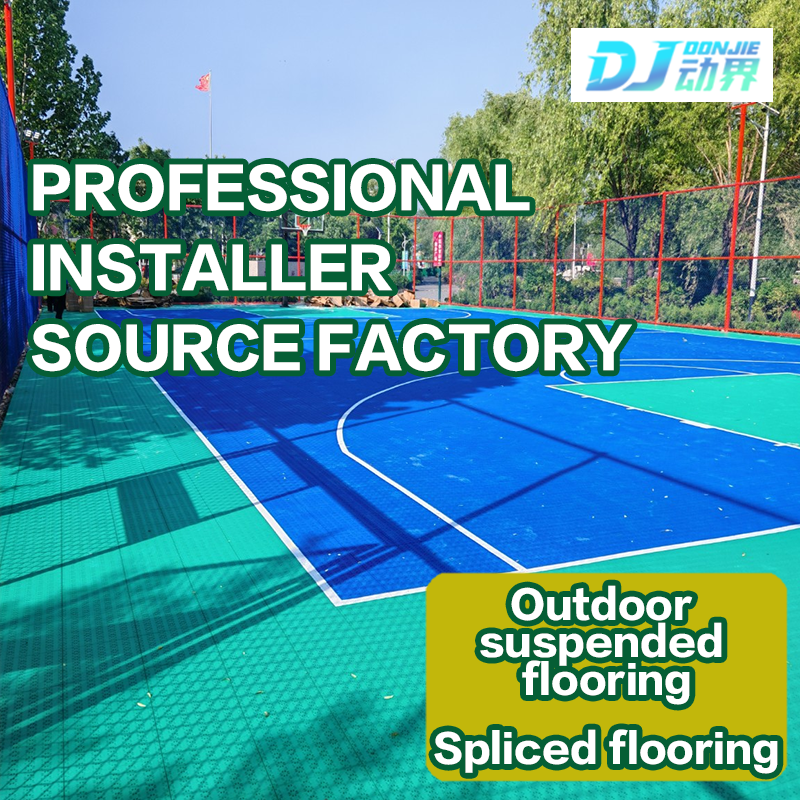
Table tennis court flooring can be installed using interlocking systems, glue-down methods, or professionally mounted solutions. Interlocking floors are convenient for temporary or multi-use setups, while glued or nailed installations provide a more permanent, stable surface. Choosing the right installation method depends on facility type, usage frequency, and long-term goals.
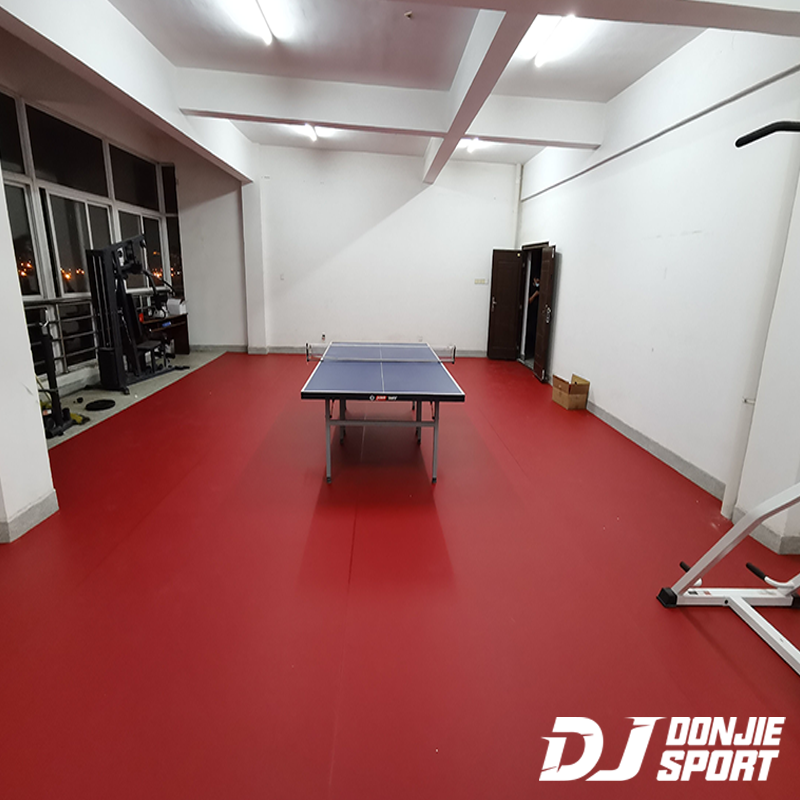
Enhancing the Table Tennis Experience with Flooring
Aesthetics and Court Design
Flooring also contributes to the visual appeal of a table tennis facility. Color selection, surface finish, and pattern design can enhance the environment, motivate players, and create a professional atmosphere. Facility branding can be incorporated into flooring design for commercial or competitive venues.
Acoustic and Environmental Factors
Quality flooring can help reduce noise levels, creating a more comfortable playing environment. Eco-friendly options are increasingly popular, combining performance with sustainable material sourcing and reduced environmental impact.
Maintenance Tips for Longevity
Maintaining the floor ensures consistent performance and safety. Regular cleaning using recommended products prevents dirt buildup and surface wear. Periodic inspections identify issues such as surface scratches, loose panels, or uneven areas, allowing for timely repairs. Adhering to maintenance routines extends the lifespan of the flooring and preserves optimal playing conditions.
Conclusion
Choosing the right table tennis court flooring is more than a matter of aesthetics; it directly influences player performance, safety, and long-term value. Wooden, PVC, rubber, and hybrid materials each offer unique benefits that cater to different facility types and player needs. By considering factors such as ball bounce, shock absorption, durability, and budget, facility managers and players can create an environment that supports both competitive play and recreational enjoyment. Prioritizing quality flooring ensures a superior table tennis experience for years to come.