In any sports venue, the flooring is much more than just a surface to walk or play on. It directly impacts the performance, safety, and comfort of athletes, making it one of the most crucial elements to consider when designing or upgrading a sports facility. This is especially true for table tennis courts, where the right flooring is essential to achieving optimal gameplay and reducing the risk of injury. In this article, we will explore why table tennis flooring is a game-changer for any sports venue and how it can significantly enhance the experience for players.
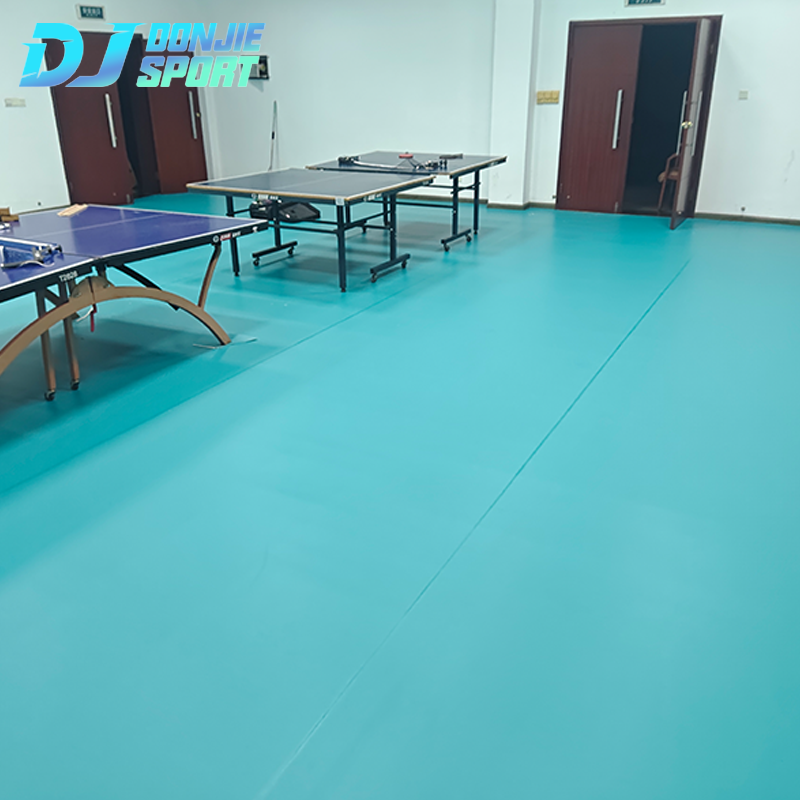
Understanding Table Tennis Flooring
What is Table Tennis Flooring?
Table tennis flooring is specifically designed to meet the unique demands of table tennis games. Unlike general-purpose sports floors, table tennis flooring needs to offer a combination of features that support fast movements, ball bounce consistency, and player safety. This type of flooring is typically made from materials like PVC, rubber, or high-quality wood, all of which are tailored to create the ideal conditions for high-level play.
Key Features of Table Tennis Flooring
-
Durability – Table tennis flooring must withstand the constant impact of fast-moving players, sharp turns, and repeated ball bounces without showing signs of wear. The durability of the flooring ensures that the surface remains reliable throughout many matches and training sessions.
-
Traction – High-quality table tennis flooring provides a balanced amount of friction to prevent slips while still allowing for smooth, fast movements. Proper traction is essential for players who need to pivot quickly or perform sudden stops.
-
Cushioning and Shock Absorption – The right flooring provides an ideal balance of cushioning to protect players’ joints from impact. This is particularly important for maintaining player health during long training sessions or competitive matches.
-
Sound Absorption – The material chosen for table tennis flooring helps to absorb sound, creating a quieter playing environment that allows players to focus more on their game and less on distracting noises.
Types of Table Tennis Flooring
PVC Sports Flooring
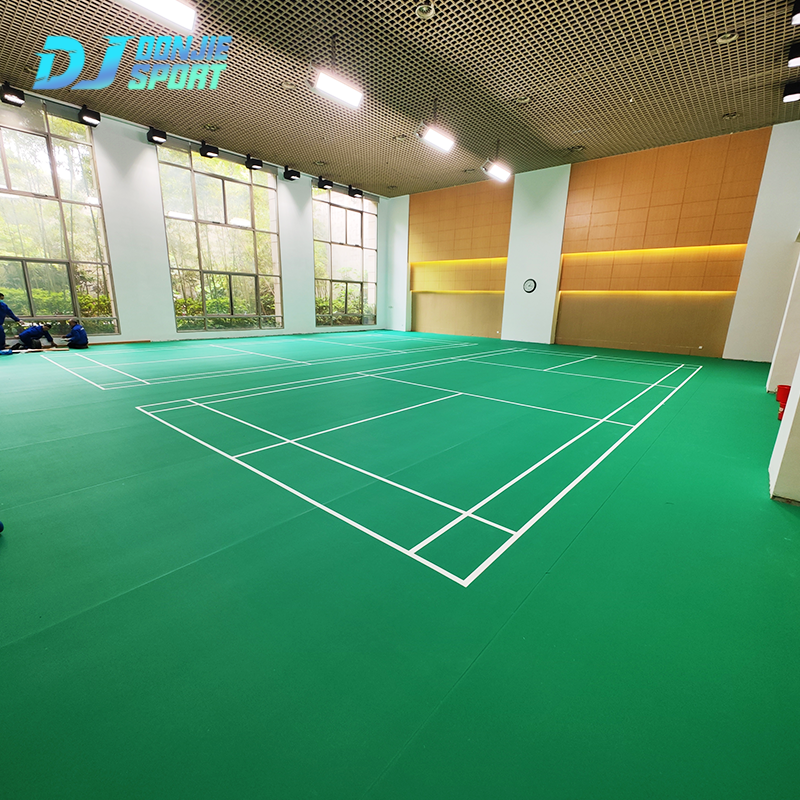
PVC flooring is one of the most popular options for table tennis courts, particularly in professional venues and high-traffic areas. PVC offers durability, resilience, and ease of maintenance, making it a cost-effective choice for many sports venues. Its slip-resistant properties ensure players can maintain control during intense rallies. Additionally, PVC flooring can be engineered with cushioning layers to enhance comfort.
Wooden Sports Flooring
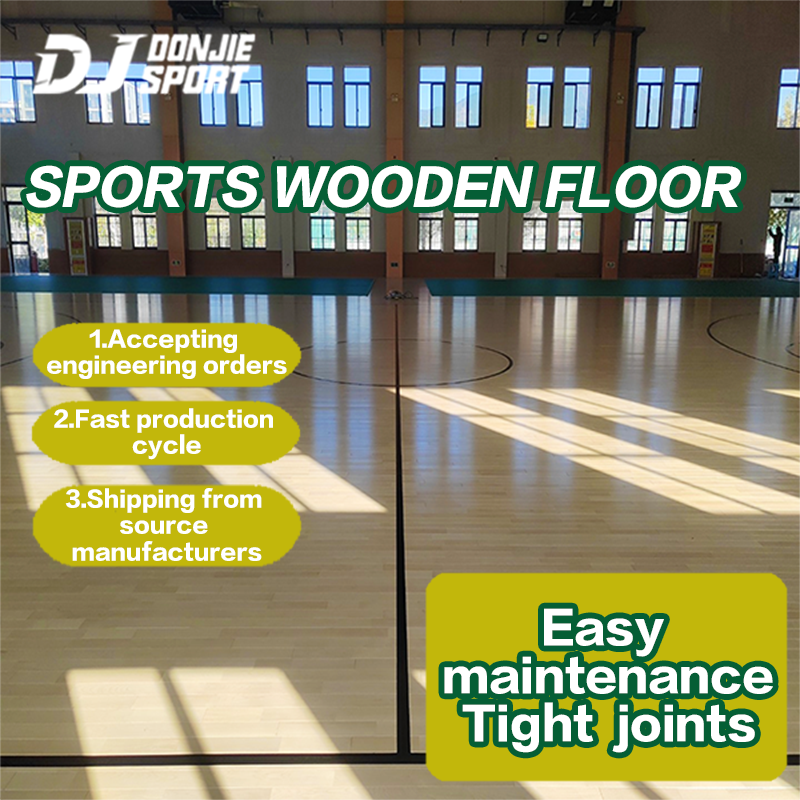
Wooden flooring has long been the traditional choice for indoor sports courts, including table tennis. It offers a classic, aesthetically pleasing look and provides excellent performance characteristics for many indoor sports. While wooden floors are highly durable, they do require regular maintenance to keep them in top condition. They are also typically more expensive to install compared to synthetic options.
Rubber Flooring
Rubber flooring is another excellent choice for table tennis courts, particularly in venues that require superior grip and shock absorption. It is a highly resilient material that can absorb heavy impacts, reducing the risk of injury. Rubber is also known for its sound-dampening properties, making it an ideal flooring material for a noise-sensitive environment. The downside is that it may not provide the same level of smoothness as PVC or wooden floors, which can affect the bounce consistency of the ball.
The Impact of Table Tennis Flooring on Performance
Influence on Player Comfort and Injury Prevention
One of the most important roles of table tennis flooring is injury prevention. The sport requires rapid lateral movements, quick pivots, and constant jumping, all of which can put stress on the knees, ankles, and joints. High-quality table tennis flooring with proper cushioning and shock absorption helps to reduce this impact, lowering the risk of strain or injury. This makes it easier for players to maintain peak performance during matches and practice sessions.
How Flooring Affects Ball Bounce and Speed
The consistency of ball bounce is another critical aspect of table tennis. The floor plays a significant role in this, as it directly influences how the ball behaves when it hits the surface. Flooring that is too hard or too soft can lead to erratic bounces, which disrupt the flow of the game. Proper table tennis flooring, such as PVC or wood, helps ensure that the ball bounces in a consistent manner, allowing for a fair and predictable playing experience.
Choosing the Right Table Tennis Flooring for Your Venue
Factors to Consider When Selecting Flooring
When selecting the best flooring for your table tennis venue, several factors must be taken into account:
-
Budget: PVC flooring tends to be more affordable, while wooden floors are more expensive.
-
Venue Size: Larger venues may benefit from durable, low-maintenance options like PVC, while smaller venues could opt for wooden flooring for its aesthetic appeal.
-
Level of Play: For professional-level venues, high-performance flooring like wood or advanced PVC is preferred, while recreational venues may be able to use more cost-effective options.
-
Foot Traffic: High-traffic areas require flooring that is durable and easy to maintain, such as PVC.
Indoor vs Outdoor Table Tennis Flooring
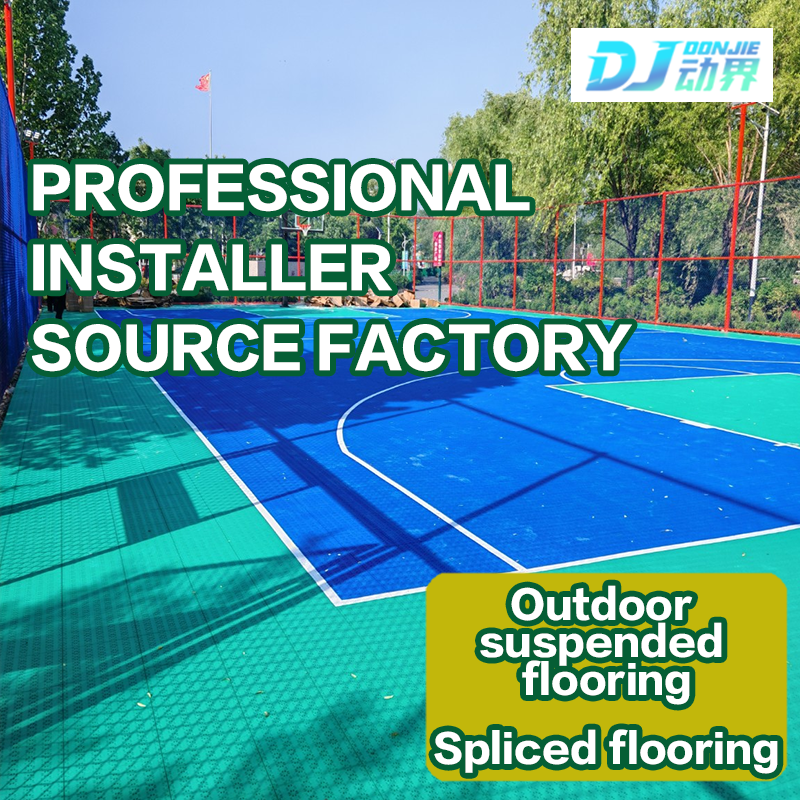
While most table tennis courts are indoors, outdoor courts are also becoming increasingly popular. Outdoor table tennis flooring needs to withstand exposure to the elements, such as UV rays, moisture, and temperature fluctuations. Materials like weather-resistant PVC and rubber are commonly used in outdoor courts due to their ability to endure harsh weather conditions. For indoor courts, a wide range of materials, including wood and advanced PVC, are suitable for creating the ideal playing surface.
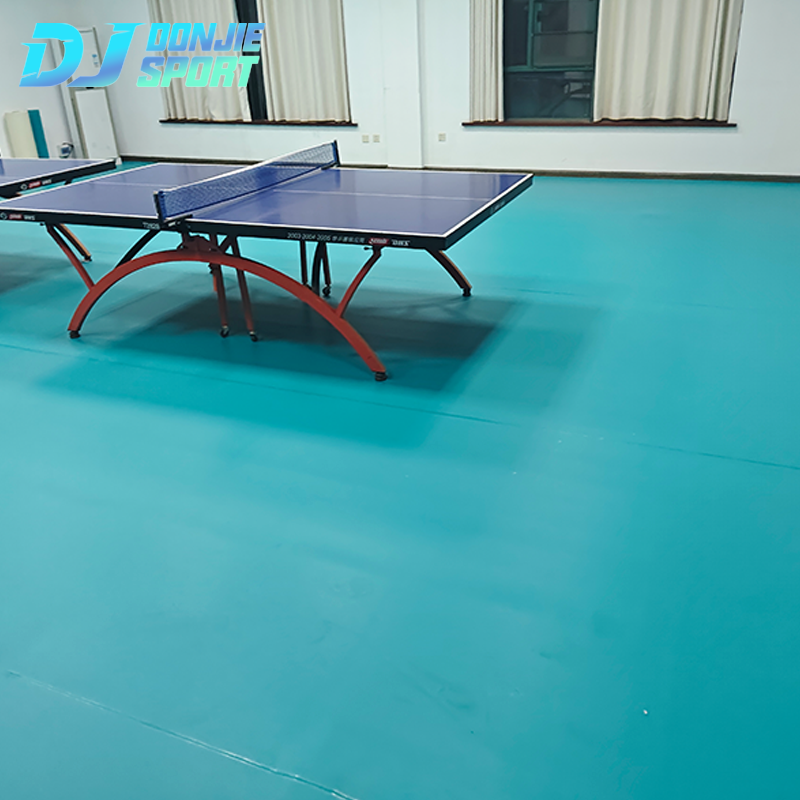
Installation and Maintenance of Table Tennis Flooring
Installation Tips for Optimal Results
To get the best results from your table tennis flooring, proper installation is crucial. For PVC and rubber flooring, it’s often recommended to hire a professional to ensure that the surface is laid down smoothly and securely. Proper subfloor preparation is also essential for minimizing any future issues such as warping or cracking. Wooden flooring, particularly, requires careful acclimatization to the venue’s climate to prevent expansion or contraction.
Maintenance Best Practices
Maintaining your table tennis flooring ensures that it stays in top condition for years to come. Regular cleaning, sealing (for wooden floors), and checking for signs of wear will help extend the lifespan of the flooring. For PVC and rubber floors, cleaning can typically be done with a damp mop and non-abrasive cleaning solutions. Wooden floors may require occasional refinishing to maintain their aesthetic appeal and performance characteristics.
Why Table Tennis Flooring Is Essential for Any Sports Venue
Selecting the right table tennis flooring is essential to ensuring the success of any sports venue. Not only does it impact player performance and comfort, but it also contributes to the overall safety of the venue. By choosing high-quality flooring that suits the specific needs of your venue, you are making an investment in both the experience of the players and the longevity of your sports facility. Whether you choose PVC, rubber, or wood, proper flooring will enhance the game and make your venue a standout choice for both amateurs and professionals alike.