When it comes to setting up a table tennis facility in schools or sports halls, the choice of flooring plays a crucial role in the overall quality of the game. Table tennis is a fast-paced sport that demands precision, quick reflexes, and excellent footing. The flooring you select not only influences the playing experience but also affects player safety, injury prevention, and long-term maintenance costs. Choosing the right flooring ensures that players have the right balance of comfort, durability, and performance. In this article, we’ll explore the various flooring options available for table tennis courts in schools and sports halls, as well as the factors to consider when making your decision.
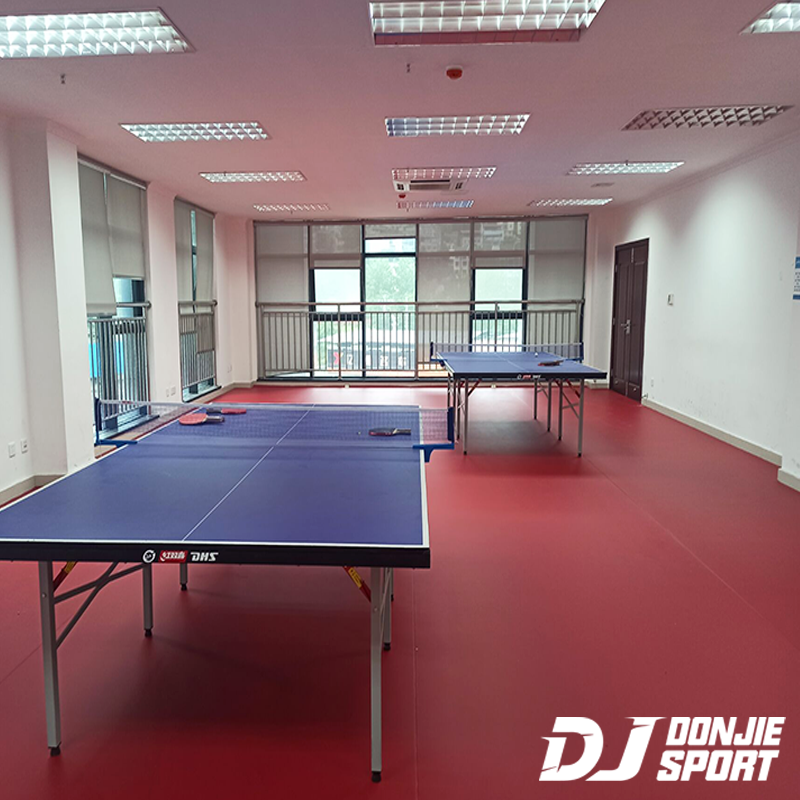
The Different Types of Table Tennis Flooring
When selecting the right flooring for table tennis courts in schools and sports halls, it’s essential to understand the various flooring options available. Each type of flooring offers distinct advantages depending on the needs of the facility, the level of play, and the budget.
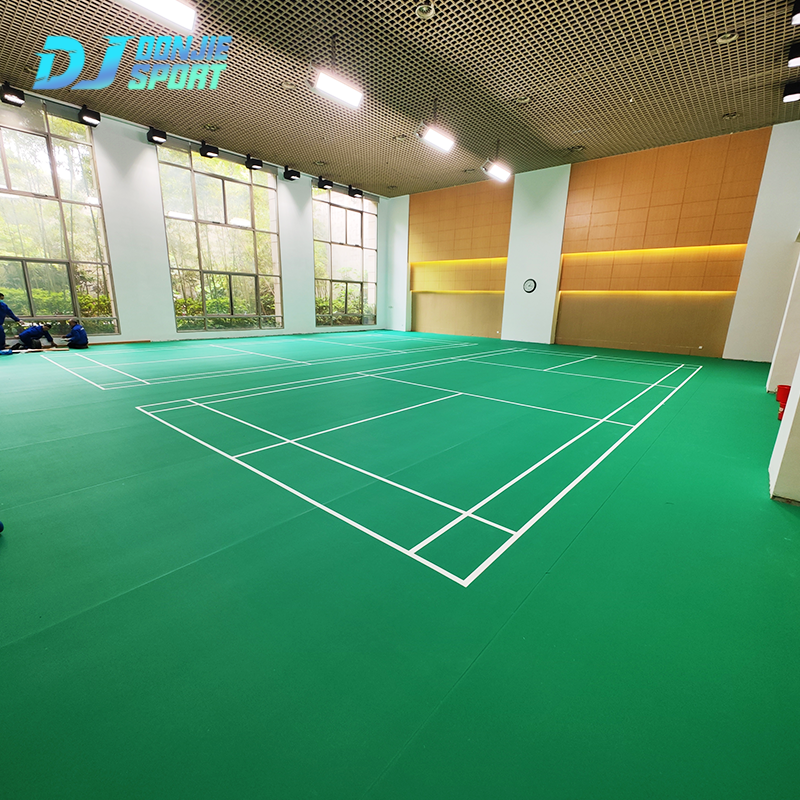
PVC Flooring for Table Tennis Courts
PVC flooring is one of the most popular choices for table tennis courts in both schools and sports halls. It is a synthetic material designed for sports applications, offering exceptional durability and resilience.
Benefits of PVC Flooring
-
Durability: PVC flooring is highly durable, able to withstand heavy foot traffic, making it ideal for environments like sports halls where the court is in use constantly.
-
Shock Absorption: It provides excellent shock absorption, reducing the strain on players’ joints and minimizing the risk of injury.
-
Easy Maintenance: PVC is easy to clean and maintain, requiring only occasional mopping to keep it in top condition.
-
Cost-Effective: Compared to other flooring options, PVC tends to be more affordable while still providing high performance.
PVC flooring is an excellent choice for schools and sports halls due to its balance of durability, safety, and cost-effectiveness.
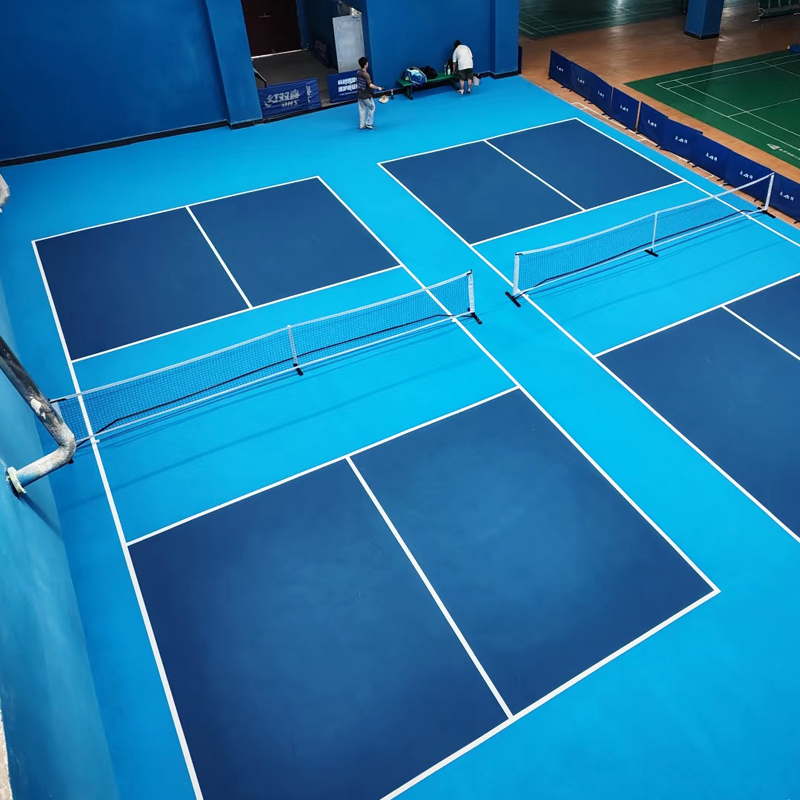
Rubber Flooring
Rubber flooring is another solid option for table tennis courts, particularly when shock absorption and comfort are a priority.
Advantages of Rubber Flooring
-
Impact Resistance: Rubber floors excel at absorbing impact, which is essential for preventing injuries, particularly in facilities that cater to younger players or those training for intense competitions.
-
Non-Slip Surface: The rubber texture provides enhanced grip, which is crucial for maintaining stability during fast-paced table tennis matches.
-
Noise Reduction: Rubber flooring helps reduce noise levels, which can be beneficial in large sports halls or schools where multiple activities may occur simultaneously.
While rubber flooring may be more expensive than PVC, its superior shock absorption and noise-dampening qualities make it an excellent choice for training facilities or places with high-intensity use.
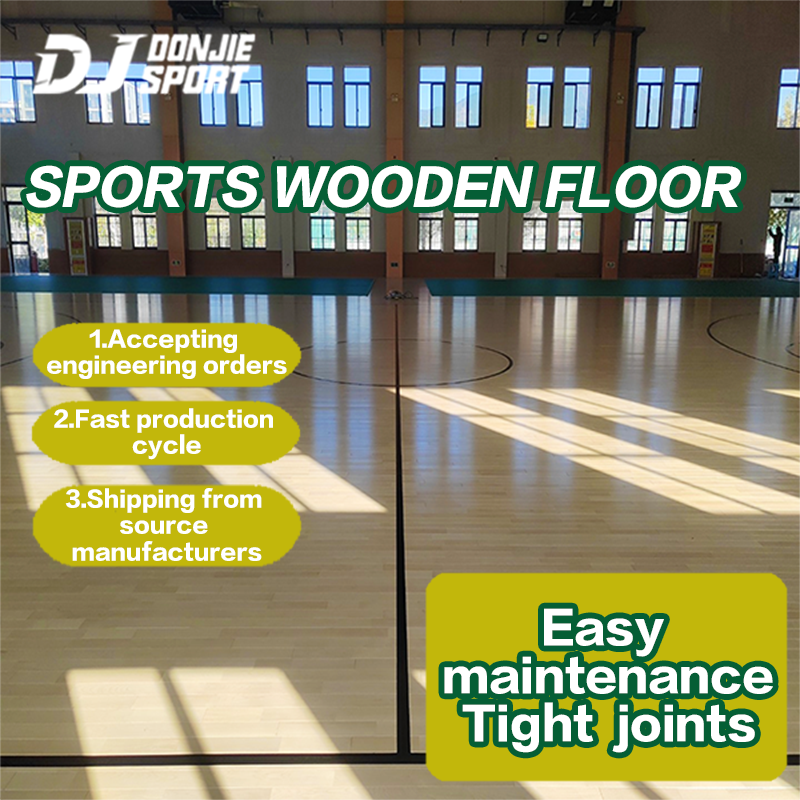
Wooden Flooring
Wooden flooring is typically associated with professional-level table tennis courts, such as those found in competition arenas or high-end sports complexes. It offers a unique aesthetic appeal and can enhance the playing experience.
Pros and Cons of Wooden Flooring
-
Professional Feel: Wooden floors offer the traditional feel of a high-performance sports surface, making them ideal for competitive play.
-
Enhanced Bounce: The natural properties of wood can provide consistent bounce for the ball, allowing players to experience the true dynamics of the game.
-
Maintenance: While aesthetically pleasing, wooden floors require more maintenance than PVC or rubber. They can warp or scratch over time, and they require occasional refinishing to maintain their appearance and performance.
Wooden flooring is best suited for high-performance environments but may not be as practical in schools or sports halls that require low maintenance and long-term durability.
Key Factors to Consider When Choosing Table Tennis Flooring
Choosing the right table tennis flooring involves balancing several key factors. While aesthetic and performance considerations are important, it’s also essential to evaluate the flooring based on its durability, maintenance, and impact on player safety.
Durability and Maintenance
Durability is a top priority when selecting flooring for high-traffic areas like sports halls or school gyms. Flooring materials such as PVC and rubber are incredibly durable and built to withstand the wear and tear of constant use. In comparison, wooden flooring may require more maintenance and can be susceptible to damage from moisture or high-impact activities. Easy maintenance is another important factor—PVC and rubber floors can be cleaned with minimal effort, while wooden floors need regular care to avoid surface wear.
Shock Absorption and Player Safety
When it comes to player safety, shock absorption is crucial. PVC and rubber flooring both provide excellent cushioning, reducing the risk of injuries related to repetitive jumping or fast movement. Wooden floors, while offering some level of shock absorption, cannot match the comfort and injury prevention provided by synthetic options. If your sports hall or school aims to reduce the risk of strain on players’ joints, PVC or rubber would be the better choice.
Cost-Effectiveness
Budget is always a consideration when choosing flooring. PVC flooring is the most affordable option, making it suitable for schools or sports halls with limited budgets. Rubber flooring offers excellent value for money but comes at a higher initial cost. Wooden floors, while offering the highest performance for elite athletes, are the most expensive and may not be the best investment for schools or community sports halls unless funding allows.
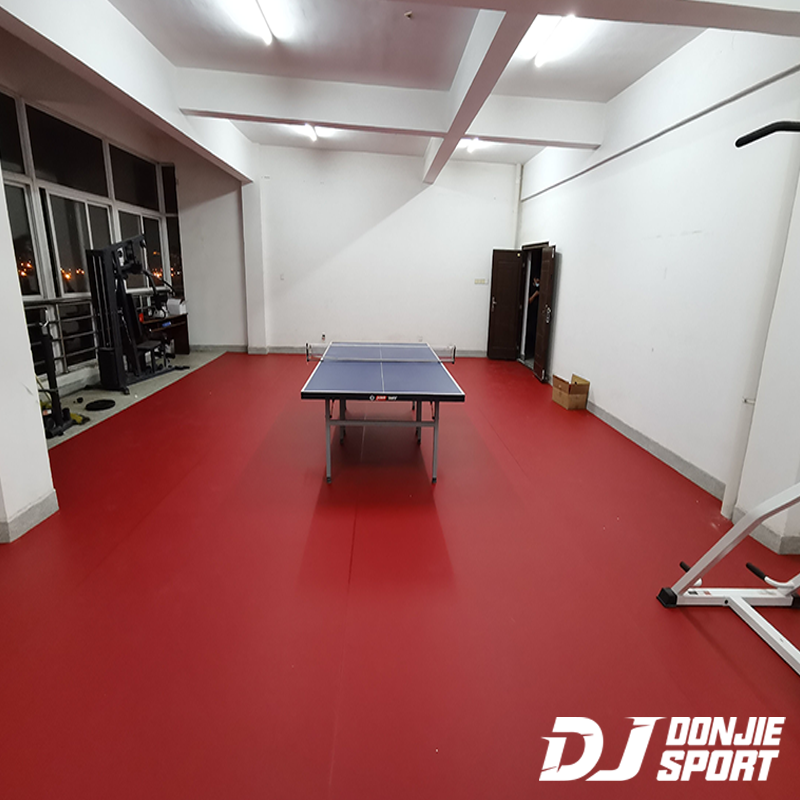
Advantages of Specialized Table Tennis Flooring for Schools and Sports Halls
Specialized table tennis flooring offers several advantages that can improve the overall experience for both players and facility managers. Flooring specifically designed for table tennis helps enhance player performance, reduce injuries, and increase the longevity of the court. It also ensures that the facility meets safety standards, making it a responsible choice for schools and sports halls.
Improved Player Performance
When players feel secure on a floor that provides good grip and proper bounce, their overall performance improves. Specialized flooring ensures consistent ball bounce and reduces fatigue by providing the necessary support for long hours of play.
Compliance with Safety Standards
Many flooring materials meet national or international safety standards for sports surfaces, which is particularly important in school settings where student safety is a top priority.
Long-Term Investment
Investing in high-quality, durable flooring saves money in the long term by reducing the need for frequent repairs or replacements. Properly maintained flooring can last for many years, offering a reliable and safe environment for training and competitive play.
How to Choose the Right Table Tennis Flooring for Your Facility
Selecting the right table tennis flooring depends on a variety of factors. Consider your facility’s specific needs: Is it a high-traffic sports hall, a professional training center, or a school gym? The level of play, budget, and frequency of use will all affect your choice of flooring.
-
High-Traffic Areas: For schools or public sports halls with heavy foot traffic, durable PVC or rubber flooring may be the best option.
-
Professional-Level Play: For competition-level venues, wooden flooring may be preferred for its performance and traditional aesthetic.
-
Budget-Friendly Options: PVC flooring provides excellent value for money, making it an ideal choice for budget-conscious facilities.
Work with flooring professionals to assess your facility’s needs and choose the best option based on the type of play, desired maintenance level, and long-term durability.
The Right Flooring for Optimal Table Tennis Performance
In conclusion, selecting the right flooring for table tennis courts in schools and sports halls is essential to ensuring safety, enhancing player performance, and keeping maintenance costs under control. PVC, rubber, and wooden floors each offer unique benefits, and the choice depends on the specific needs of your facility. By considering factors such as durability, shock absorption, maintenance, and budget, you can select a flooring solution that will provide long-term value while optimizing the playing experience.