When it comes to building a table tennis court, one of the most crucial decisions you’ll make is choosing the right flooring. Not only does the flooring impact the aesthetics and overall ambiance of the space, but it also plays a significant role in the performance and safety of the players. A well-chosen floor can help enhance player movement, prevent injuries, and improve the quality of the game.
In this guide, we’ll dive into the different table tennis flooring specifications you should consider to ensure your court meets both functional and aesthetic needs. Whether you’re setting up a professional-level arena or a recreational space, the type of flooring you select can make all the difference in the long run.
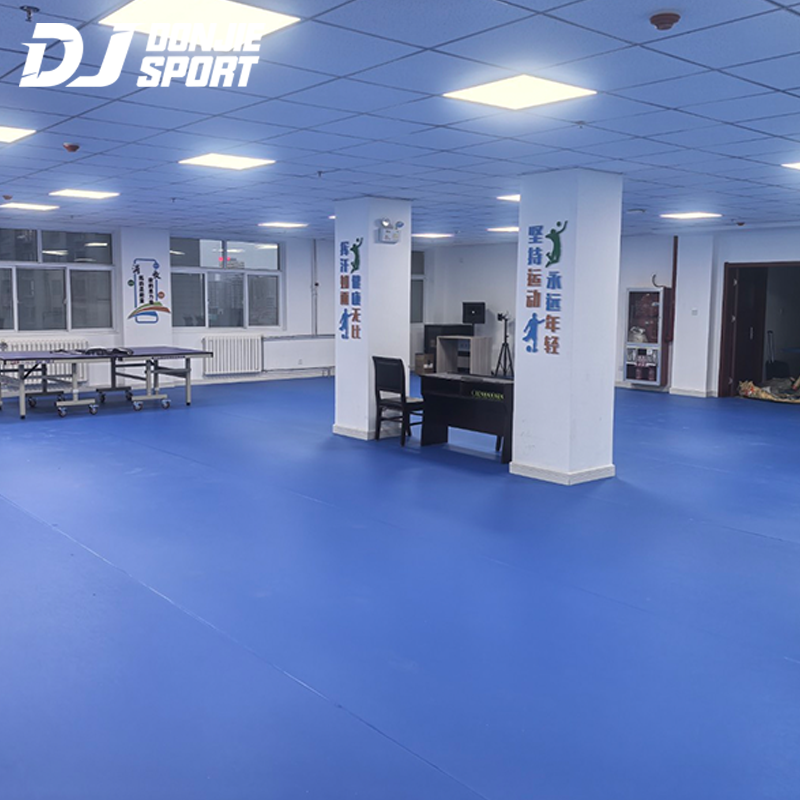
Key Specifications to Consider for Table Tennis Flooring
When selecting the right flooring for your table tennis court, there are several key specifications to keep in mind. These elements will influence the court’s overall performance, durability, and player comfort. Let’s break down these specifications to help you make an informed decision.
Material Options
The material of the flooring will impact its performance and suitability for different types of courts.
-
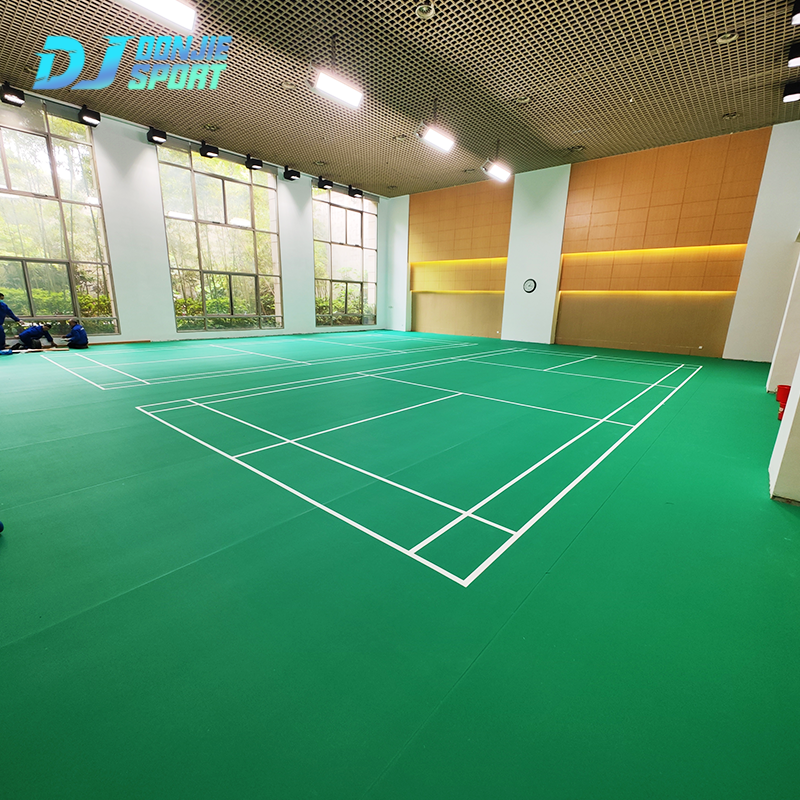
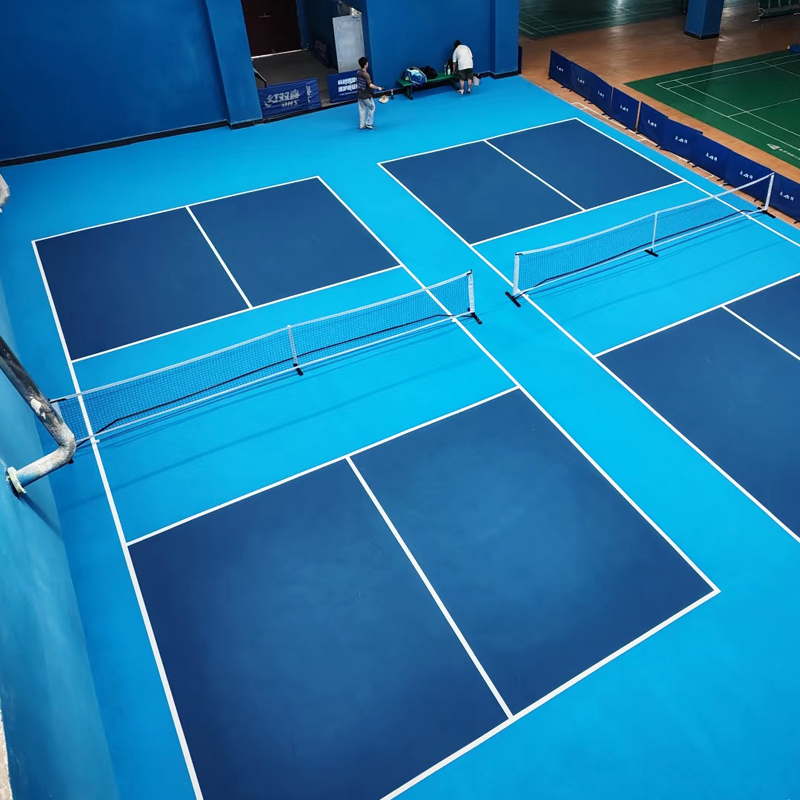
PVC Sports Flooring
PVC (Polyvinyl Chloride) flooring is a popular choice for table tennis courts due to its durability, ease of maintenance, and excellent shock absorption. It’s often used in professional settings, offering consistent performance over time. PVC flooring is also available in various colors and designs, making it a versatile option for courts of all sizes. -
Rubber Sports Flooring
Rubber flooring is known for its superior shock-absorbing qualities, which makes it ideal for both recreational and competitive play. It provides a high level of comfort while reducing strain on players’ joints. Rubber is also slip-resistant, offering good traction, which is important for preventing accidents during fast-paced games. -
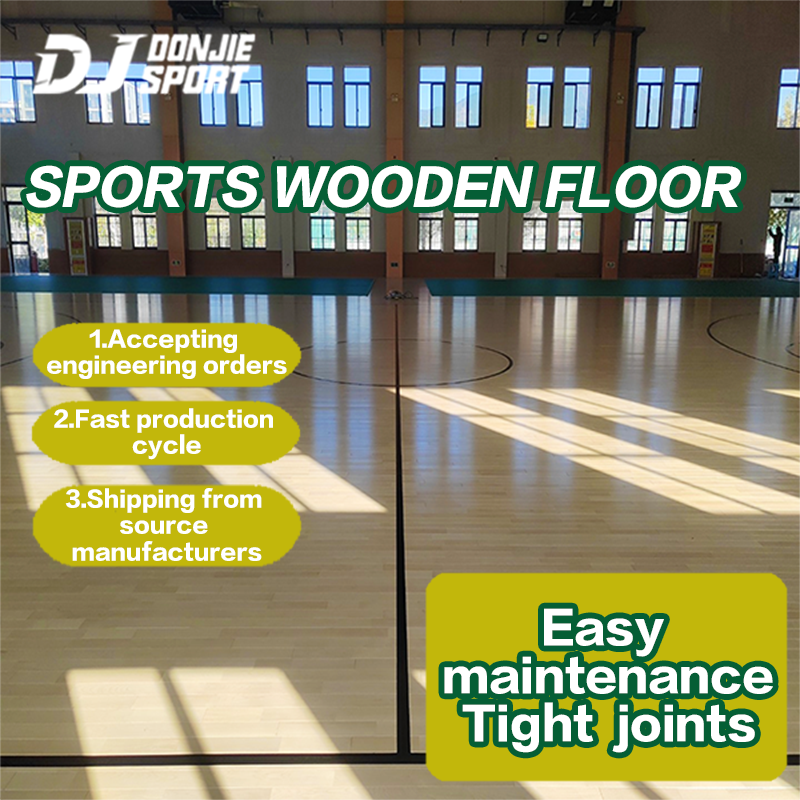
Wooden Flooring
Wooden flooring, typically made from maple or oak, is a classic option for table tennis courts. It provides a traditional look and feels underfoot, while offering excellent ball bounce and a stable playing surface. However, wooden floors may require more maintenance and are prone to wear and tear in high-traffic areas. -
Synthetic Options
Synthetic materials like vinyl or composite flooring offer many benefits, including durability, cost-effectiveness, and ease of installation. They can mimic the appearance of wood or other natural materials while offering superior resistance to moisture and humidity, making them a solid choice for both indoor and outdoor courts.
Durability and Wear Resistance
Durability is a critical factor when selecting flooring, especially for high-traffic areas. The flooring material should be able to withstand constant use without showing signs of wear.
-
Factors Influencing Durability
The durability of table tennis flooring is largely influenced by the type of material and its wear layer. PVC and rubber flooring, for example, are often engineered to be resistant to scratches, dents, and fading. On the other hand, wooden floors, while aesthetically appealing, may require periodic sanding and refinishing to maintain their smooth surface. -
Heavy Traffic Resistance
Consider how much foot traffic the court will experience. If your court will be used frequently, choose flooring materials that can withstand constant pressure. High-density PVC or rubber flooring is a good option for frequent use because they resist indentation from heavy equipment or players’ movements.
Shock Absorption and Comfort
A key consideration for table tennis flooring is its ability to absorb shock, which directly affects player comfort and injury prevention.
-
Importance for Player Safety and Performance
Shock-absorbing flooring can reduce the impact on players’ knees, ankles, and joints, which is especially important for competitive athletes who will be spending long hours on the court. Flooring that provides sufficient cushioning helps prevent fatigue and minimizes the risk of injury during high-intensity games. -
Comparison of Shock Absorption
Rubber and PVC sports flooring typically offer superior shock absorption compared to wood and other traditional flooring options. The flexibility and cushioning of these materials help to create a more comfortable playing surface, which can enhance performance by allowing players to move more freely and with less strain.
Traction and Grip
Traction is another important specification to consider for table tennis flooring, as it can influence the speed and accuracy of the game.
-
Why Surface Grip Matters
The surface of the flooring should provide enough grip to allow players to pivot and slide without slipping. This is particularly crucial in table tennis, where fast footwork and sudden movements are common. -
Surface Texture and Finish
The texture and finish of the flooring determine how much grip it provides. A smooth, polished surface may look sleek but can be slippery, especially when players make quick lateral movements. A slightly textured or matte surface provides better traction while still maintaining an aesthetic appeal.
Thickness and Cushioning
The thickness of your flooring is important for both player comfort and the longevity of the court.
-
Recommended Thickness for Different Environments
Flooring thickness varies based on the type of play and court use. For recreational play, thinner flooring options (around 4mm) may suffice, while competitive courts may require thicker flooring (up to 8mm) for added shock absorption and durability. -
Cushioning Effects
Adequate cushioning helps improve comfort by reducing the stress on players’ joints during prolonged play. A well-cushioned floor can also help minimize the impact on the ball’s bounce, making the game more predictable and enjoyable.
Installation Requirements
Consider how much time and effort you’re willing to invest in installing the flooring.
-
Easy-to-Install vs. Complex Flooring Solutions
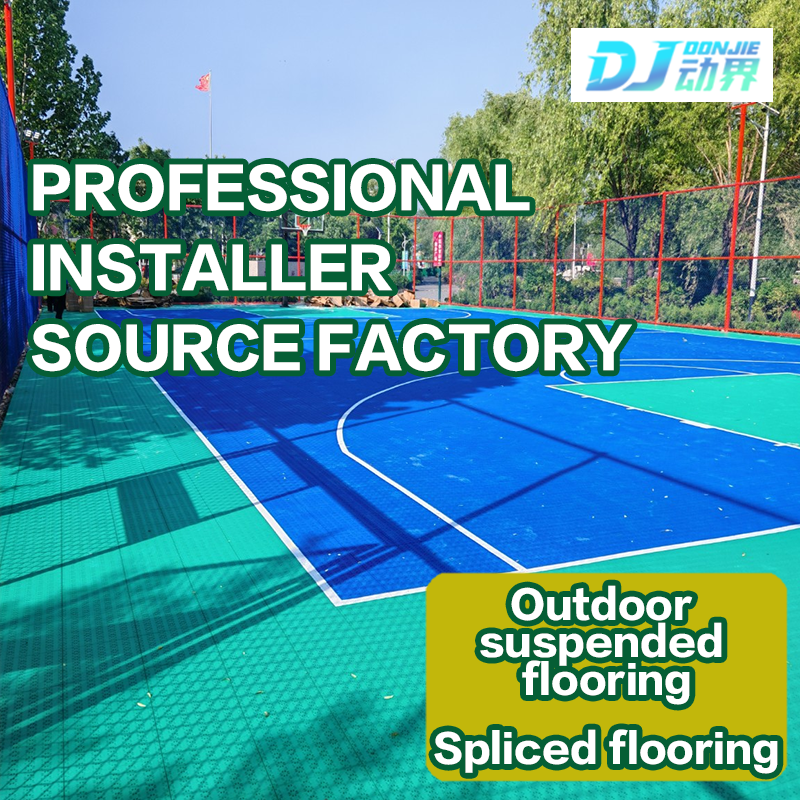
Some table tennis flooring solutions, like interlocking PVC tiles, are designed for easy installation and can be set up without professional help. Others, like glued-down sheets of vinyl or rubber, may require professional installation to ensure a seamless and long-lasting finish. -
DIY vs. Professional Installation
If you’re considering a DIY approach, make sure the flooring you choose is easy to handle and install. If you’re looking for a high-end professional finish, it’s best to consult with an expert for the installation process to ensure everything is aligned and secure.
Maintenance and Cleaning
Proper maintenance is key to extending the life of your flooring and ensuring it continues to perform well.
-
How to Maintain the Longevity of Your Flooring
Regular cleaning is necessary to keep your table tennis court flooring in top condition. For PVC or rubber floors, simply sweeping and mopping regularly will suffice. Wooden floors may require more specialized care, such as refinishing or sealing to protect them from wear and moisture. -
Cleaning Tips
Always follow the manufacturer’s cleaning instructions for your specific flooring type. Avoid harsh chemicals that could damage the surface, and make sure to clean up spills quickly to prevent staining, particularly on porous surfaces like wood.
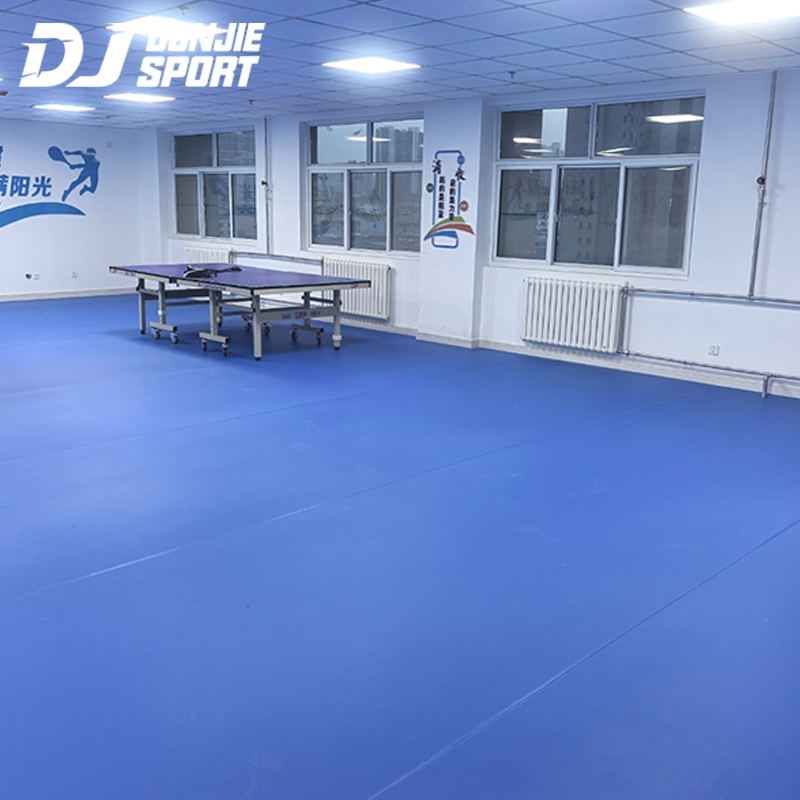
Choosing the Right Flooring for Your Table Tennis Court
Now that we’ve discussed the important specifications, let’s look at how to match the right flooring to your specific needs.
Factors to Consider
When choosing flooring for your table tennis court, think about your budget, usage, and the type of play you expect. For competitive arenas, high-performance materials like rubber or high-density PVC are ideal, while recreational courts can benefit from more affordable synthetic or wooden options.
How to Match Flooring to Court Size
The size of your table tennis court will also influence the type of flooring you choose. For smaller courts, lightweight interlocking tiles may work best, while larger courts may require continuous sheet flooring for a smooth, seamless surface.
Conclusion
Choosing the right table tennis flooring is a critical step in creating a safe, functional, and high-performing court. Whether you’re outfitting a professional arena or a recreational space, the specifications of your flooring will have a direct impact on the players’ experience. By considering factors like material, durability, shock absorption, and maintenance, you can find the perfect fit for your court and ensure that it stands up to the rigors of frequent play.