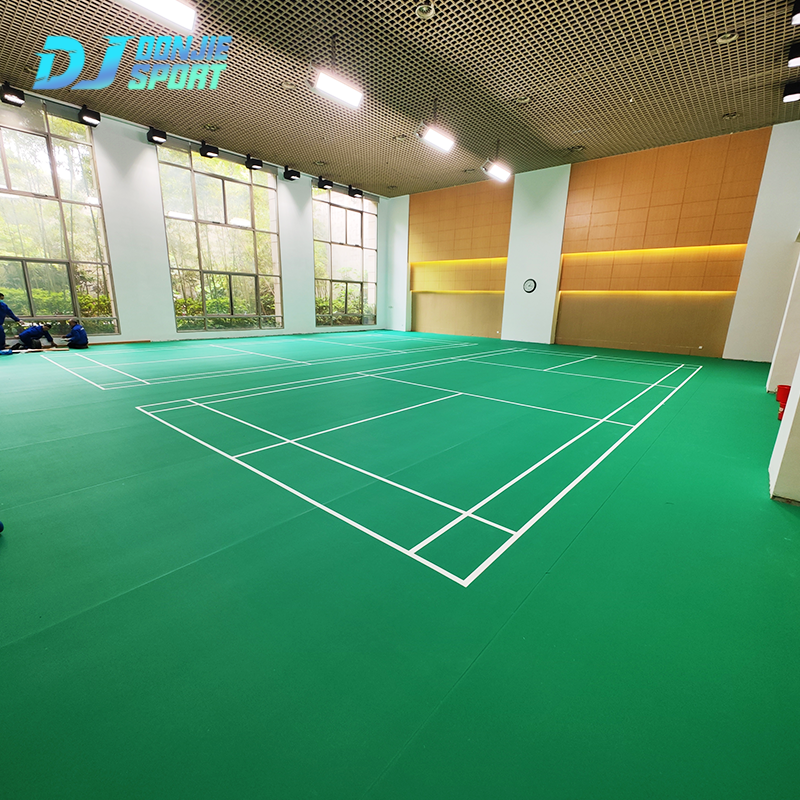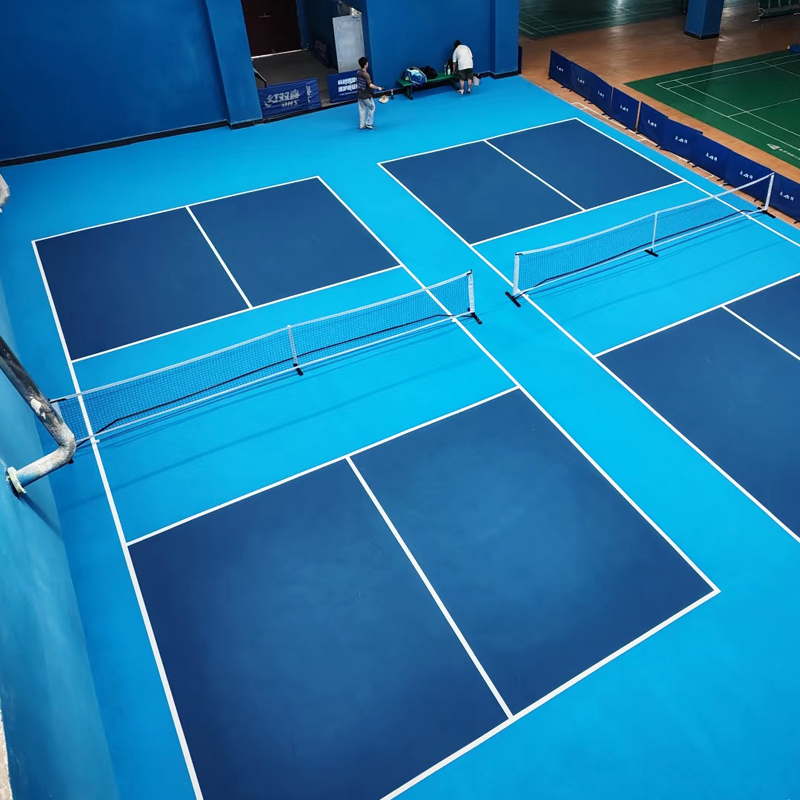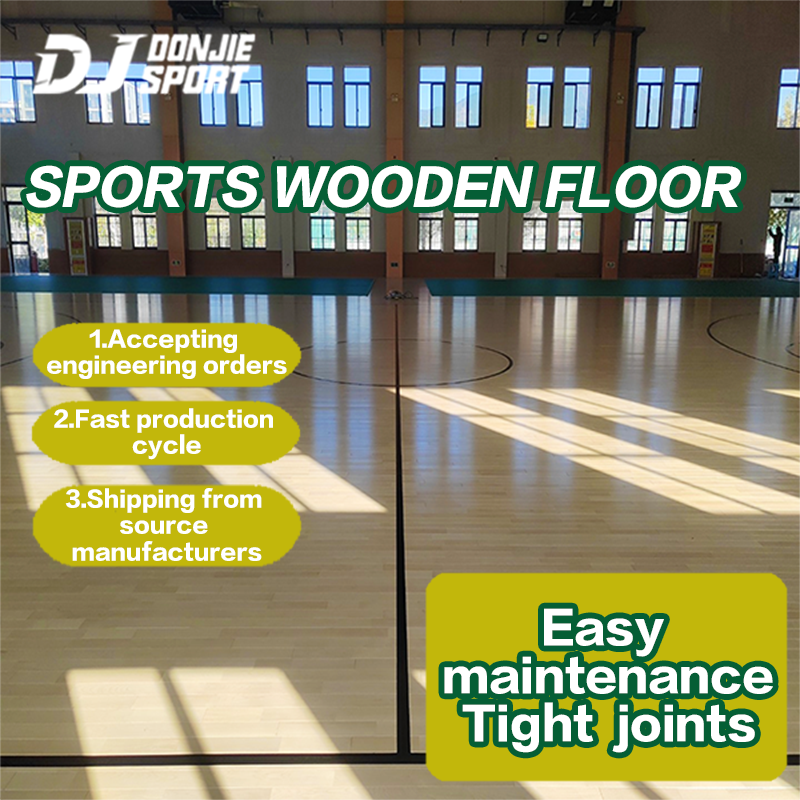
In the world of competitive table tennis, the quality of flooring is often overlooked, yet it plays a crucial role in performance. Choosing the right table tennis flooring ensures consistent ball bounce, reduces the risk of injury, and enhances player comfort. Whether you’re upgrading a local club or designing a professional venue, understanding the specifications of table tennis flooring is essential to creating the ideal playing environment.
Key Specifications for Table Tennis Flooring
When it comes to table tennis flooring, certain specifications must be met to provide the optimal conditions for competitive play. These include surface type, material choices, thickness, durability, and performance features like shock absorption. Here are the essential factors to consider when selecting the best flooring for your venue:
Surface Type and Material Choices
The material chosen for the flooring significantly affects the playing experience. The most common materials for table tennis floors are high-quality PVC, wood, and synthetic composites. PVC floors offer excellent durability, shock absorption, and resistance to moisture, making them a top choice for indoor facilities. Wood floors, while traditional, provide a natural feel and are favored for their consistent bounce. Synthetic alternatives offer a good balance between cost, durability, and performance, often used in budget-conscious or multi-purpose venues.
Thickness and Durability Standards
The thickness of the flooring is crucial for shock absorption and durability. For competitive play, flooring should be at least 6mm thick to ensure the right bounce and comfort for players. Thicker floors provide more cushioning, which helps reduce the strain on joints during long matches. Additionally, durability is a top priority; high-quality materials that resist wear and tear from constant foot traffic and intense gameplay are essential for long-lasting performance.
Shock Absorption and Bounce Control
One of the primary functions of table tennis flooring is to control the ball’s bounce. Too much bounce can make the game difficult to predict, while too little can hinder gameplay. Flooring should have adequate shock absorption properties to maintain consistent ball bounce, providing a predictable and reliable playing surface. This is particularly important for high-level tournaments where consistency is key to performance.
Moisture Resistance and Maintenance
Since table tennis courts are often indoors and subject to varying humidity levels, moisture resistance is an important factor. Moisture can warp certain materials, affect the surface’s grip, and lead to deterioration over time. Therefore, choosing flooring that is resistant to moisture and easy to maintain ensures the longevity of the court and minimizes potential damage. Regular cleaning and maintenance will also help maintain the flooring’s performance.
Performance Impact on Competitive Play
The flooring of a table tennis court significantly impacts how the game is played. From the ball’s bounce to the comfort of the players, the right floor can enhance the overall experience. Below are the key aspects in which the floor influences competitive play.
How Flooring Affects Ball Bounce and Trajectory
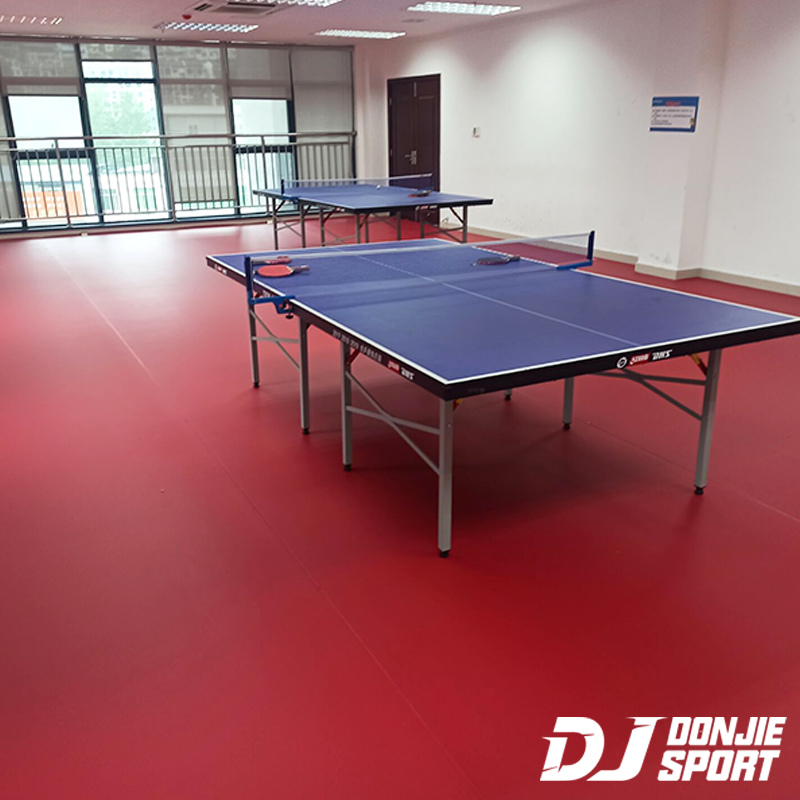
A consistent and well-designed floor directly affects the trajectory of the ball. High-quality flooring materials, such as premium PVC or synthetic composites, ensure that the ball bounces predictably, allowing players to react and plan their next move with precision. An inconsistent bounce can lead to mistakes, frustration, and unpredictable outcomes. This is particularly crucial in competitive settings, where every point counts. The flooring’s surface should be smooth and even to support the ball’s natural bounce while maintaining control.
The Role of Flooring in Player Comfort and Injury Prevention
The physical demands of table tennis require players to move quickly, often making sudden stops, starts, and lateral movements. Flooring that provides the right level of cushioning helps to absorb some of the shock, reducing the strain on joints and muscles. Proper cushioning minimizes fatigue and the risk of injuries, particularly to the knees, ankles, and lower back. Flooring with a good shock absorption rate will also enhance player comfort, allowing them to focus fully on their game without worrying about discomfort or injury.
Consistency and Performance During Long Matches
As matches go on, the demands on both players and the flooring increase. A high-quality flooring solution will maintain its performance, preventing any changes in ball bounce or player comfort throughout long and intense matches. Flooring that is prone to wear can affect performance, leading to uneven bounces or discomfort. A consistent floor ensures that competitive players perform at their best, regardless of how long the match lasts.
Safety and Injury Prevention Features
In any sport, safety is a top priority, and table tennis is no exception. The right flooring not only improves performance but also ensures the safety of the players.
Anti-slip and Grip Features
A high-quality table tennis floor should provide a certain level of grip to prevent players from slipping. Floors with too little friction can cause dangerous falls, while floors with too much grip can hinder quick movement. A balance is needed to ensure that players can move swiftly while maintaining enough traction for control. Anti-slip coatings or materials with the right texture ensure that the players’ footing remains secure, preventing injuries during fast-paced rallies.
Cushioning to Reduce Strain and Fatigue
Proper cushioning helps absorb the impact of the player’s movements. Flooring that provides adequate support can reduce strain on the knees, hips, and feet. As players often perform high-impact actions during the game, such as quick side-to-side movements, the flooring should prevent excessive force from being transferred to the body. By reducing this strain, players can maintain their performance over longer periods without feeling fatigued or injured.
Edge and Corner Safety for Competitive Venues
Corners and edges of the table tennis court flooring should be carefully considered to avoid tripping hazards. Flooring solutions with beveled or rounded edges are preferable, ensuring smooth transitions between different sections of the court. Additionally, proper edge trimming and seamless installations can prevent accidents caused by exposed or sharp edges. For tournament venues, these safety features are especially crucial to maintaining the integrity of the environment and preventing injuries.
International Standards for Table Tennis Flooring
When selecting table tennis flooring, it’s important to ensure it meets international standards to guarantee fair and consistent gameplay during tournaments.
Specifications Set by ITTF (International Table Tennis Federation)
The International Table Tennis Federation (ITTF) has specific guidelines for flooring used in official table tennis tournaments. These standards ensure that the flooring meets the necessary criteria for performance, safety, and durability. ITTF-approved flooring materials are known to maintain consistent bounce, provide proper shock absorption, and meet all necessary safety and wear resistance standards.
Compliance with Global Tournament Requirements
For venues that host competitive events or international tournaments, it is crucial that the flooring complies with global tournament standards. ITTF-approved floors are guaranteed to meet these requirements, ensuring that they provide the best possible playing conditions for athletes. These floors are tested for durability, consistency in ball bounce, and safety features such as anti-slip and cushioning.
Case Studies of Flooring Used in Major Events
Many world-renowned events, including the World Table Tennis Championships and the Olympics, have used ITTF-approved flooring. This flooring has proven its ability to provide consistent performance, from regional tournaments to world-class competitions. Choosing the right flooring solution that is certified by the ITTF ensures your venue is tournament-ready, attracting top-level events and providing a professional environment for players.
Material Options for Professional Table Tennis Flooring
The material of your table tennis flooring is one of the most important factors in determining its overall performance and durability. Here are some of the most common materials used in professional-grade table tennis flooring.
PVC Flooring vs. Wood vs. Synthetic Alternatives
PVC flooring is the most widely used material for table tennis courts. It is durable, easy to maintain, and provides the right level of shock absorption and bounce control. On the other hand, wood flooring, while traditional and aesthetically appealing, requires more maintenance and may not provide as much cushioning as PVC or synthetic floors. Synthetic flooring options, such as rubber or cushioned composites, combine the benefits of both wood and PVC, offering flexibility, durability, and excellent bounce control.
Pros and Cons of Each Material Type
Each material comes with its pros and cons. PVC floors, for example, are cost-effective and resistant to wear, but they may lack the natural feel of wood. Wooden floors, while offering superior aesthetics and traditional appeal, are more susceptible to moisture and wear over time. Synthetic options often provide a good balance but may come at a higher cost. When choosing the material, it is important to consider the long-term maintenance and performance requirements of your venue.
Cost-Effectiveness and Durability of Different Materials
For budget-conscious venues, PVC is often the preferred choice due to its affordability and long lifespan. However, professional venues hosting tournaments may want to invest in higher-end materials like wood or advanced synthetic composites, ensuring their flooring lasts for many years without compromising on performance. Cost should be weighed against performance and expected usage to find the best solution for your needs.
Installation and Maintenance Considerations
Once you’ve selected the ideal flooring for your table tennis venue, the installation and ongoing maintenance are crucial steps in preserving its performance.
Installation Process for Professional-Level Floors
Installation should be carried out by professional contractors with experience in sports flooring. The process typically involves preparing the subfloor, ensuring proper moisture levels, and laying down the flooring material to create a seamless surface. Precision during installation ensures that the flooring remains level, smooth, and consistent, which is key to maintaining the desired performance.
Regular Maintenance for Longevity and Performance
Table tennis flooring requires regular maintenance to stay in top condition. Sweeping and cleaning the surface, along with periodic deep cleaning, will help remove dirt and moisture that can wear down the floor. Regular checks for damage or wear are also important to ensure the floor continues to provide the best performance. Proactive maintenance will help avoid costly repairs and ensure a long lifespan for the flooring.
How to Ensure Consistent Quality Over Time
Ensuring consistent quality over time requires proper care. This includes controlling the humidity and temperature within the venue, as extreme conditions can affect the flooring. Additionally, it’s important to periodically inspect the floor for any signs of damage or wear, and address any issues immediately to prevent further deterioration.
Choosing the Right Flooring for Your Venue
When selecting table tennis flooring for your venue, it’s important to consider several factors to ensure it meets your specific needs.
Factors to Consider for Schools, Clubs, and Professional Venues
For schools and clubs, budget is often a significant consideration, while professional venues may prioritize performance, durability, and aesthetic appeal. Additionally, the size and frequency of usage should factor into the decision, as high-traffic areas may require more durable materials.
Recommendations Based on Venue Size and Usage
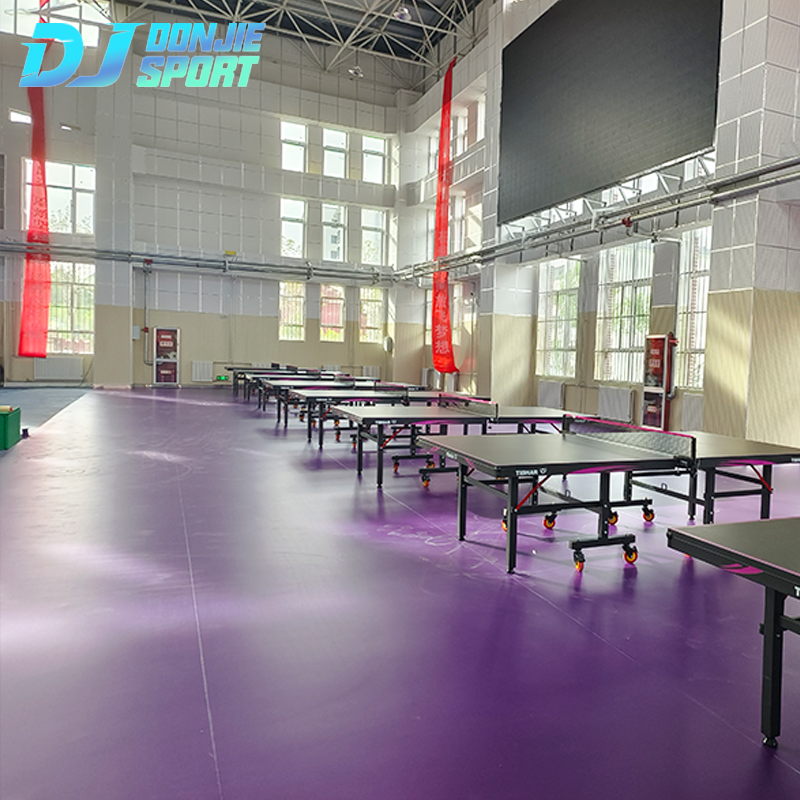
For smaller venues, a high-quality PVC floor may be sufficient, while larger, high-traffic venues may benefit from a more durable synthetic composite or wood flooring solution. Flooring for multi-purpose venues should be versatile enough to support other sports, while dedicated table tennis venues should focus on optimizing performance features.
How to Align Flooring Choice with Budget and Goals
Balancing cost with performance needs is key. While it’s tempting to go for the least expensive option, investing in a durable, high-performing floor will ultimately save money on maintenance and repairs in the long run.
Conclusion
Choosing the right table tennis flooring is an essential step in ensuring the success of competitive play. From material specifications to performance impact, each decision plays a role in how the game is experienced by players. High-quality flooring not only enhances performance but also ensures safety and comfort, supporting players in their pursuit of excellence. By following the key specifications outlined in this guide, you can select flooring that meets international standards, fits your venue’s needs, and elevates the overall experience for everyone involved.