When it comes to table tennis, the flooring of your court plays a crucial role in not just the aesthetics but also the overall performance of the players. Whether you are setting up a recreational venue or a professional tournament hall, choosing the right table tennis flooring can significantly impact the speed, bounce, and safety of the game. In this article, we will walk through the essential specifications of table tennis flooring that you need to consider to make an informed decision.
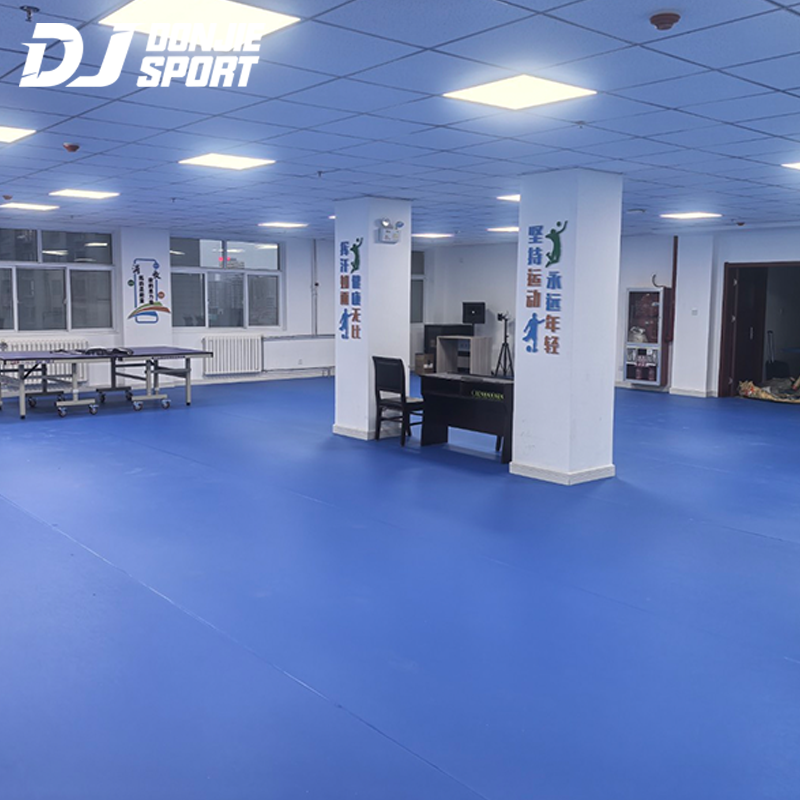
What Makes Good Table Tennis Flooring?
When selecting flooring for a table tennis court, it’s essential to consider several factors that directly affect the game. A high-quality table tennis flooring must meet specific performance requirements to ensure both safety and a consistent gaming experience. Here are some of the key characteristics to look for:
Durability
Table tennis floors are subjected to high levels of wear and tear due to constant movement, rapid footwork, and repetitive impacts from the ball. Durable flooring materials are a must to withstand long-term use. PVC and rubber are often preferred due to their resistance to wear, while wooden floors can also provide a durable surface if maintained properly.
Shock Absorption
Shock absorption is critical for reducing the strain on players’ joints. Floors with higher shock absorption qualities help minimize fatigue and prevent injuries. The ideal table tennis flooring should provide sufficient cushioning without compromising on ball bounce consistency.
Non-Slip Surface
Safety is a top priority, and a non-slip surface is vital to prevent injuries caused by sudden movements. Flooring materials should have a textured finish or anti-slip treatment to ensure that players can maintain their grip, even during fast-paced games. A non-slip surface enhances player performance and adds to the overall comfort of the game.
Consistency in Bounce
The flooring material should ensure that the ball bounces consistently across the entire surface. This is essential for a fair and professional game. A quality table tennis floor provides a stable, even surface that doesn’t alter the ball’s trajectory, offering predictable bounce and enhancing the overall playing experience.
Different Types of Table Tennis Flooring Materials
When choosing the flooring for your table tennis court, it’s essential to understand the different types of materials available. Each has its advantages and drawbacks depending on the setting and requirements.
PVC Flooring: The Most Common Choice
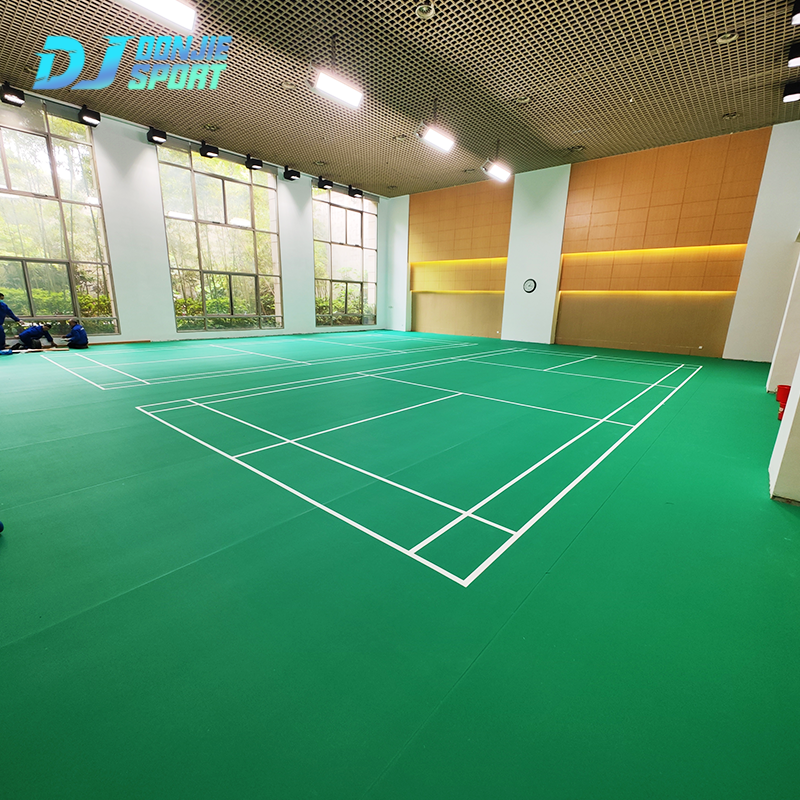
PVC flooring is one of the most popular choices for table tennis courts, thanks to its affordability, durability, and performance characteristics. PVC offers a balance between comfort and performance, with excellent shock absorption and a non-slip surface. It’s an ideal choice for both recreational and professional courts.
Rubber Flooring: Advantages and Disadvantages
Rubber flooring is known for its excellent durability and impact resistance. It provides superb shock absorption, making it a great option for indoor sports halls. However, rubber flooring can be more expensive and requires more maintenance to keep it in good condition. It’s more commonly used in multi-purpose sports facilities.
Wooden Flooring: When to Consider It
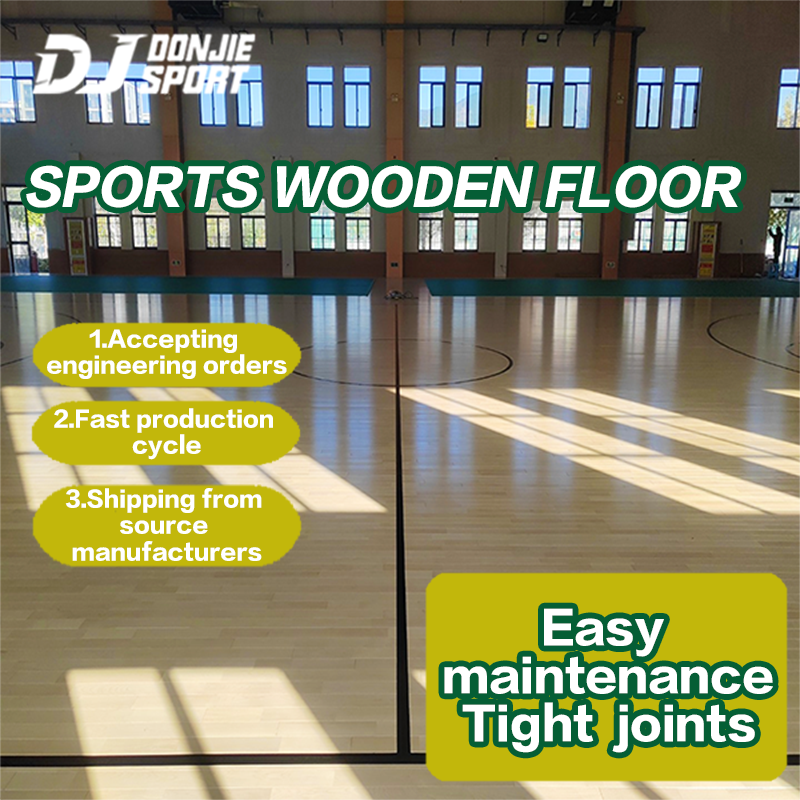
Wooden floors, particularly those made of maple, are a classic choice for table tennis courts. They offer an excellent bounce and aesthetic appeal, which makes them popular for professional venues and tournament play. However, wooden floors are often more expensive and can be prone to wear over time, especially if exposed to high levels of moisture.
Multi-Use Flooring: Pros and Cons for Table Tennis
Multi-use flooring is designed for sports venues where different activities, like basketball and badminton, are played. While these floors may not provide the ideal characteristics for table tennis, they can be a cost-effective solution for venues with limited space. However, multi-use flooring may lack the specialized features needed for optimal table tennis performance.
The Importance of Floor Thickness and Density
The thickness and density of your table tennis flooring play a significant role in its performance.
How Thickness Affects Ball Bounce
The thickness of the flooring directly influences how the ball bounces. Thicker floors tend to absorb more shock, which can reduce the bounce height of the ball. For table tennis, the ideal floor thickness allows for a balance between shock absorption and sufficient bounce for the ball. The flooring should be thick enough to protect the players but not so thick that it dampens the ball’s movement.
The Role of Density in Shock Absorption and Safety
Flooring density determines how much shock the surface can absorb. Higher-density materials, such as PVC or rubber, provide better shock absorption, which is beneficial for player comfort and injury prevention. A denser floor can also help the ball bounce consistently, making the gameplay smoother and more predictable.
Installation and Maintenance Considerations for Table Tennis Flooring
When it comes to both installation and maintenance, table tennis flooring requires special attention to detail. Proper installation ensures that the floor provides the necessary performance attributes, while regular maintenance helps keep it in top shape.
Installing Different Types of Flooring
For PVC and rubber flooring, the installation process is relatively simple and involves either gluing or interlocking tiles. Wooden floors, on the other hand, may require a more complex installation process, including subflooring and proper sealing to prevent moisture damage.
Maintenance Tips for Long-Lasting Floors
Maintaining your table tennis floor is key to ensuring its longevity. PVC and rubber floors are relatively easy to clean with mild soap and water. Wooden floors may require periodic refinishing and sealing to maintain their appearance and performance. It’s also important to regularly inspect the floor for signs of wear or damage to prevent accidents during play.
Factors That Affect Table Tennis Flooring Performance
Several external factors can influence the performance of your table tennis floor.
Temperature and Humidity Considerations
Temperature and humidity levels can cause certain flooring materials, especially wood, to expand or contract. PVC and rubber floors are less affected by environmental changes, making them ideal for climate-controlled venues. However, maintaining a stable environment is important for all flooring types to ensure consistent play.
How Wear and Tear Impacts Gameplay
Over time, flooring can show signs of wear due to constant foot traffic and ball impacts. This can affect the consistency of the ball bounce, potentially disrupting gameplay. Regular cleaning and maintenance can reduce wear, but floors that are excessively worn may need to be replaced to maintain optimal performance.
Cleaning Methods to Maintain Surface Integrity
To prolong the life of your table tennis flooring, proper cleaning methods are essential. Use gentle cleaning solutions and avoid harsh chemicals that may degrade the surface. For PVC and rubber floors, a soft mop and water are sufficient for regular cleaning. Wooden floors may require special cleaners that are safe for wood surfaces.
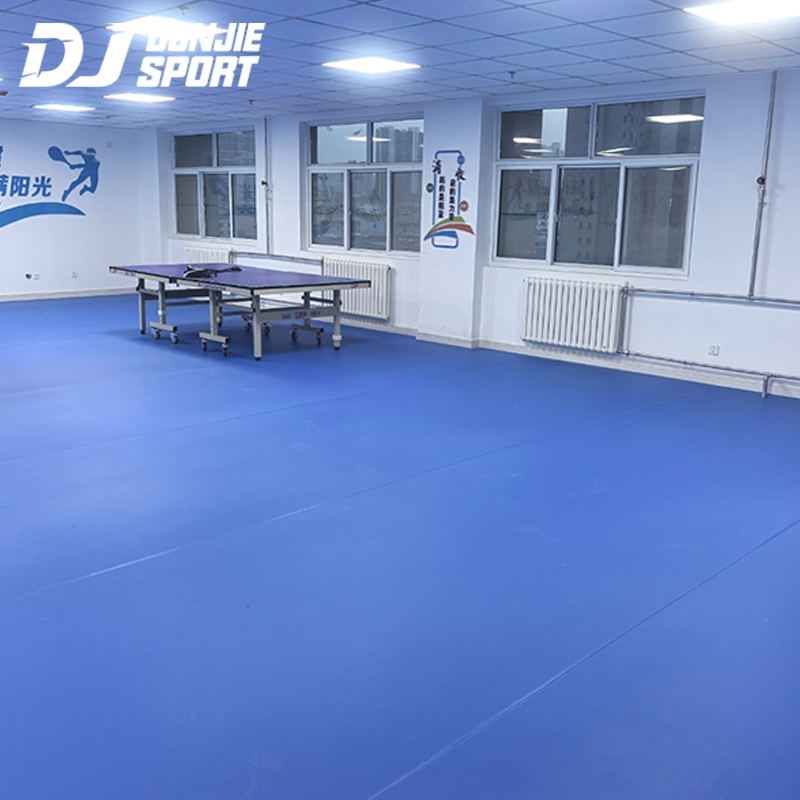
Choosing the Right Flooring for Different Venues
Depending on the intended use and location of your table tennis court, the right flooring choice can vary. Here’s how to make your decision based on the venue:
School and Recreational Facilities
In schools or recreational centers, durability and cost-effectiveness are paramount. PVC flooring offers an excellent balance of performance and price, making it ideal for these environments.
Professional Tournament Venues
For professional venues, the flooring choice should prioritize performance. Wooden floors or high-quality PVC with superior bounce consistency are ideal for tournaments, as they offer both comfort and a professional aesthetic.
Home Use Considerations
For home use, budget is a major consideration. Multi-use flooring or PVC options are great for smaller spaces and lower budgets while still providing a good playing experience.
Conclusion
Choosing the right table tennis flooring involves considering several important specifications, including durability, shock absorption, and consistency in bounce. By selecting a flooring material that aligns with the specific needs of your venue and maintenance requirements, you can ensure an optimal playing experience for players of all levels. Whether you’re outfitting a recreational facility or a professional venue, understanding the key specifications of table tennis flooring will help you make an informed decision that enhances performance and safety.