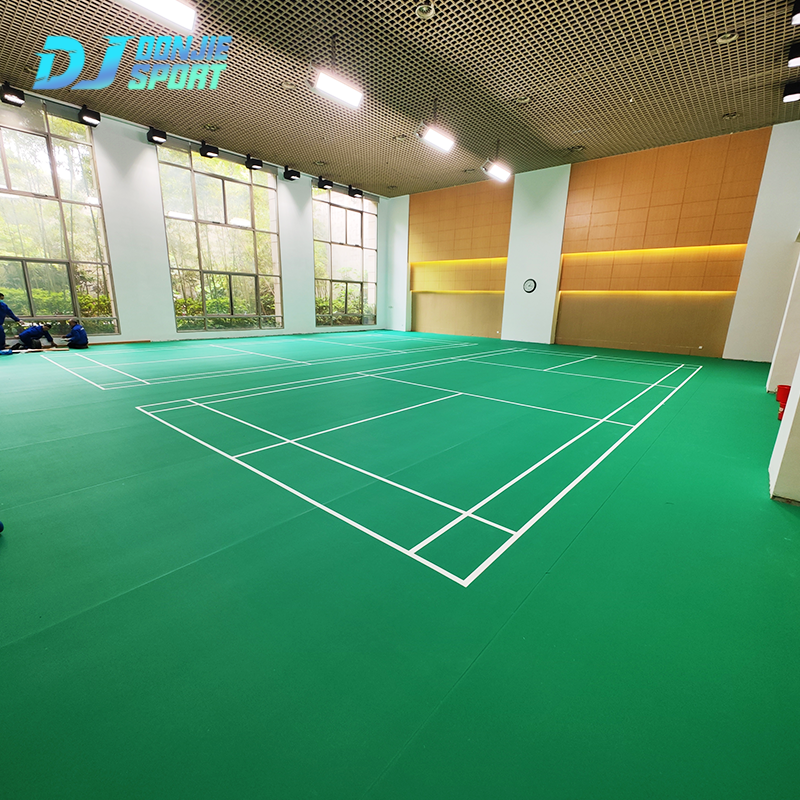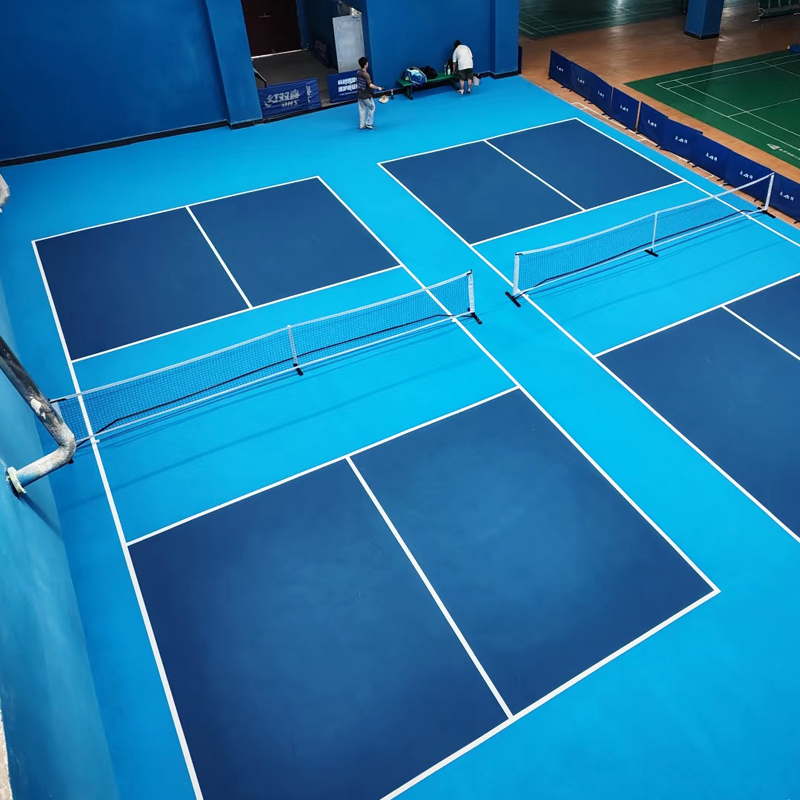
As sustainability becomes a central focus in modern construction and facility management, sports halls are no exception. The decision to choose sustainable sports hall flooring is no longer just a trend but a crucial step towards creating environmentally responsible, cost-effective, and athlete-friendly spaces. Sustainable flooring options—made from renewable, recyclable, or non-toxic materials—offer a multitude of benefits for both the facility owners and the athletes who use them. This article delves into the advantages of opting for sustainable sports hall flooring, exploring how it helps reduce environmental impact, improves durability, ensures health and safety, and aligns with modern design principles.
Environmental Impact Reduction
One of the most compelling reasons to choose sustainable sports hall flooring is the significant reduction in environmental impact. Traditional flooring materials, such as those made from petroleum-based products, contribute to high levels of carbon emissions throughout their lifecycle. Sustainable options, however, are typically crafted from recycled materials or renewable resources, significantly lowering their carbon footprint.
For instance, PVC sports flooring made from recycled content or rubber floors made from reclaimed tires are both eco-friendly alternatives to conventional options. By using materials that are either recycled or sourced responsibly, facilities can greatly reduce waste and promote resource conservation. Additionally, some sustainable flooring materials, like cork or bamboo, are biodegradable, ensuring that they leave minimal environmental footprints once they reach the end of their useful life.
The impact of switching to sustainable flooring extends beyond just the materials. Manufacturing processes for eco-friendly flooring often consume less energy and generate fewer emissions, making the entire lifecycle of the product more environmentally responsible. By choosing sustainable sports hall flooring, facility managers contribute to the fight against climate change and set an example of environmental stewardship for the community.
Long-Term Durability and Cost Efficiency
Sustainable sports hall flooring doesn’t just benefit the environment—it also offers significant long-term cost savings. While the initial investment may be higher than traditional flooring, the durability of eco-friendly materials means that these floors require fewer repairs, less maintenance, and longer replacement cycles, making them cost-effective in the long run.
For example, sustainable floors like polyurethane or rubber flooring are resistant to wear and tear, impact damage, and moisture, meaning they maintain their functionality and appearance over many years. The reduced frequency of repairs and replacements translates to lower long-term maintenance costs, which is especially important for sports facilities with high foot traffic and heavy usage.
Moreover, the quality and durability of sustainable flooring options can lead to fewer disruptions to sports activities. Facilities won’t need to shut down for repairs as often, ensuring athletes have uninterrupted access to their courts or gymnasiums. This reliability further enhances the value of sustainable flooring, turning it into an investment that pays off in terms of both finances and convenience.
Health and Safety Benefits for Athletes
Beyond environmental and financial benefits, sustainable sports hall flooring offers direct health and safety advantages for athletes. Many traditional flooring materials contain harmful chemicals such as volatile organic compounds (VOCs) and phthalates, which can adversely affect indoor air quality and athlete health. These chemicals can cause respiratory issues, skin irritation, and other long-term health problems for those who spend extended periods of time in the space.
Sustainable flooring materials, such as cork, rubber, and certain types of PVC, are often manufactured without these toxic substances, creating a healthier environment for athletes and staff. Additionally, the natural properties of some sustainable materials help improve indoor air quality by reducing the presence of allergens and pollutants.
In terms of safety, sustainable flooring is often designed with enhanced cushioning and shock absorption, reducing the risk of injuries from falls or impacts. This is particularly important for sports that involve high-impact activities like basketball, volleyball, and gymnastics. The added comfort and protection offered by sustainable flooring ensure that athletes perform at their best while minimizing the risk of injury.
Enhanced Aesthetic Appeal and Modern Design
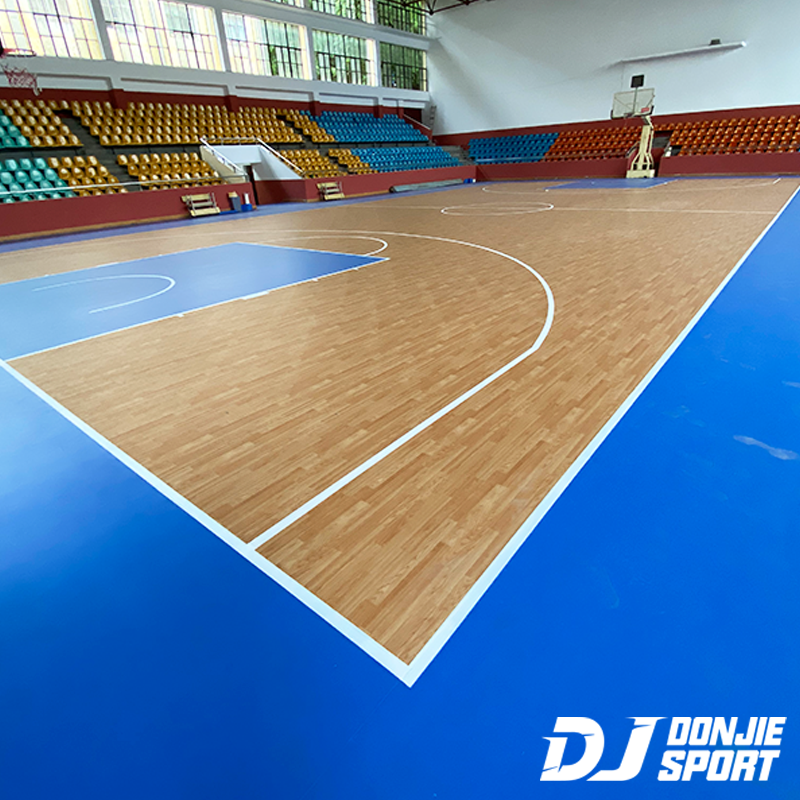
In addition to functional benefits, sustainable sports hall flooring offers aesthetic advantages that can elevate the visual appeal of the facility. Modern sustainable materials often come in a range of stylish designs, colors, and textures, allowing facility managers to choose flooring that complements their space’s overall design.
For example, rubber floors can be customized with various patterns and colors, while cork floors provide a natural, warm aesthetic that fits well in contemporary sports halls. Bamboo, another popular sustainable flooring option, offers a sleek and modern look with its natural grain, while still being eco-friendly.
By incorporating sustainable flooring into their sports halls, facilities can enhance the overall design while aligning with modern eco-conscious trends. Many athletes and visitors are drawn to facilities that reflect a commitment to sustainability, making the space feel not only functional but also forward-thinking and environmentally responsible.
Compliance with Green Building Standards
As the demand for sustainable buildings continues to rise, sports halls and other public venues are increasingly being required to meet green building standards. Choosing sustainable sports hall flooring helps facility managers meet the criteria set by organizations like LEED (Leadership in Energy and Environmental Design) or other green certification programs.
These certifications often require the use of eco-friendly materials that have minimal environmental impact, including flooring. Sustainable sports hall flooring contributes to earning points for certifications, making it a wise choice for those aiming to improve the environmental performance of their building.
By incorporating sustainable flooring solutions, facility managers can demonstrate their commitment to sustainability and environmental responsibility. Achieving green certifications can also enhance the facility’s reputation, attracting athletes, teams, and visitors who value eco-conscious practices.
Contributing to the Circular Economy
Choosing sustainable sports hall flooring is also a step towards supporting the circular economy. This economic model focuses on minimizing waste, reusing materials, and recycling products to keep resources in use for as long as possible. Many sustainable flooring options are designed with this principle in mind, with manufacturers ensuring that materials can be repurposed or recycled at the end of their lifecycle.
For example, recycled rubber flooring can often be remade into new products, preventing it from ending up in landfills. Similarly, some manufacturers offer take-back programs, where old flooring is collected and repurposed, reducing the environmental impact of disposal. By opting for flooring that supports the circular economy, sports facilities contribute to a more sustainable and responsible approach to construction and maintenance.
Conclusion
Sustainable sports hall flooring offers a wealth of benefits that go beyond environmental considerations. By choosing eco-friendly materials, facilities can reduce their carbon footprint, save on long-term maintenance costs, provide a healthier environment for athletes, and enhance the aesthetic appeal of their space. Additionally, sustainable flooring options can help sports halls meet green building standards and contribute to the circular economy, making them a smart choice for any facility looking to combine functionality, sustainability, and modern design.
As the demand for greener facilities continues to grow, sustainable sports hall flooring will only become more important in shaping the future of sports venues. Facility managers who make the switch today will not only be making an environmentally responsible decision but also investing in the longevity, safety, and aesthetic appeal of their sports halls.