When building or upgrading an outdoor basketball court, choosing the right flooring is crucial to ensuring both performance and safety. The flooring you select can make a significant difference in the playability of the court, the safety of the players, and the long-term durability of your investment. With so many options available, it’s important to understand the pros and cons of each type of flooring. This guide will help you explore the best basketball court flooring options for outdoor courts, so you can make an informed decision.

Factors to Consider When Choosing the Best Basketball Court Flooring for Outdoors
Before diving into the different types of outdoor basketball court flooring, it’s important to consider several key factors that will help you choose the most suitable option:
-
Durability and Weather Resistance: Since outdoor basketball courts are exposed to the elements, the flooring needs to withstand various weather conditions, such as rain, sun, and temperature fluctuations. A durable flooring option ensures that your court will stand the test of time.
-
Traction and Player Safety: The flooring should provide adequate traction to prevent injuries during intense games. Slippery surfaces can lead to falls and accidents. Look for materials that offer a balance of grip and smoothness, ensuring player safety without compromising on performance.
-
Maintenance and Cleaning: Some flooring options require more frequent maintenance than others. Consider how much time and effort you’re willing to put into upkeep. Certain materials, like interlocking tiles, are easier to repair if damaged, while others, like acrylic coatings, may require periodic resurfacing.
-
Aesthetic and Customization: Basketball courts are often located in community spaces or schools, so the visual appeal of the flooring can be an important factor. Many flooring types allow for customization with colors and markings to match your team’s identity or facility branding.
-
Budget Considerations: The initial cost of installation can vary greatly depending on the type of flooring chosen. While some flooring options may be more expensive upfront, they may offer better long-term value. Consider both the initial and ongoing costs when making your decision.
Types of Basketball Court Flooring for Outdoor Use
There are several flooring types commonly used for outdoor basketball courts. Each comes with its own set of advantages and disadvantages, depending on your specific needs.
Rubber Flooring
Rubber flooring is one of the most popular options for outdoor basketball courts. It’s known for its shock absorption, reducing the impact on players’ joints. It’s also highly durable and weather-resistant, making it ideal for outdoor environments.
-
Pros:
-
Offers great shock absorption and comfort
-
Non-slip surface provides excellent traction
-
Durable and resistant to wear and tear
-
Easy to clean and maintain
-
-
Cons:
-
Can be more expensive than other options
-
May require periodic maintenance or resurfacing
-
Acrylic Coating
Acrylic coatings are often used to cover existing concrete or asphalt courts. They create a smooth, durable surface that is resistant to weather and UV damage. Acrylic is commonly used in both professional and recreational outdoor courts.
-
Pros:
-
Smooth and fast-playing surface ideal for basketball
-
Resistant to weathering and fading from the sun
-
Low maintenance compared to other flooring types
-
-
Cons:
-
Can crack or wear over time, especially with heavy use
-
Requires resurfacing every few years
-
Polyurethane Flooring
Polyurethane is a resilient material known for its excellent performance in outdoor conditions. It offers superior durability and resistance to abrasion, making it suitable for high-traffic areas like basketball courts.
-
Pros:
-
Provides excellent grip and traction
-
Highly resistant to UV rays and water damage
-
Long-lasting and low maintenance
-
-
Cons:
-
Can be more expensive than other options
-
Installation can be time-consuming and require professional help
-
Interlocking Tiles
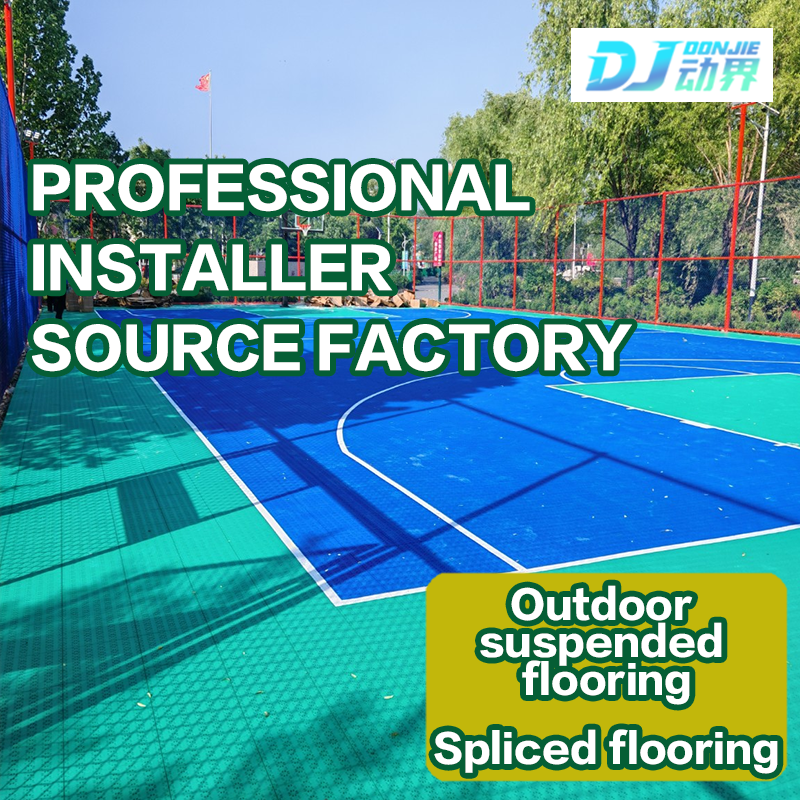
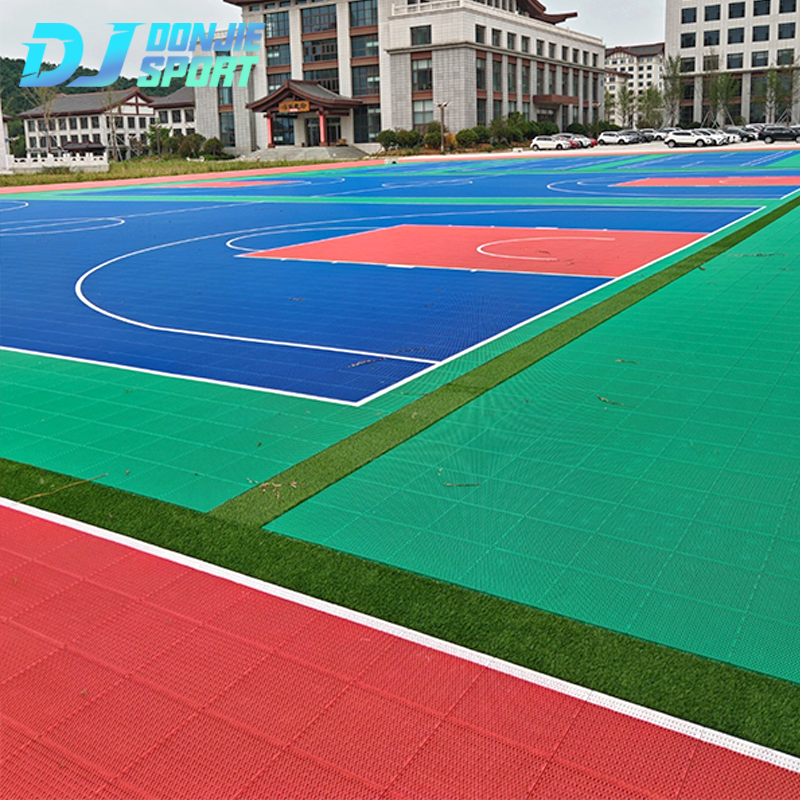
Interlocking tiles are a versatile option that allows for easy installation and replacement. These tiles snap together, creating a stable surface for outdoor basketball courts. They’re often made from durable materials like rubber or plastic.
-
Pros:
-
Easy to install and repair
-
Portable and can be reconfigured
-
Provides excellent traction and comfort
-
-
Cons:
-
Can be noisy under heavy use
-
Some low-quality options may wear down quicker
-
Turf Flooring
Turf flooring offers a unique alternative to traditional court surfaces. While it’s not as common for basketball courts, it can be a great option for multi-purpose facilities that host a variety of sports.
-
Pros:
-
Soft surface for comfort during play
-
Can be used for other sports like soccer or tennis
-
Provides a natural look
-
-
Cons:
-
Not ideal for basketball-specific play
-
Requires regular maintenance to keep it looking good
-
Benefits of Each Flooring Option
When comparing the benefits of each flooring type, consider how it impacts the game itself:
-
Rubber Flooring: Best for injury prevention with its shock-absorbing properties, rubber flooring also offers excellent player traction and long-lasting durability.
-
Acrylic Coating: Offers a smooth, professional-quality surface that enhances ball bounce and player speed, making it ideal for fast-paced games.
-
Polyurethane Flooring: Offers superior performance in terms of both traction and durability, ensuring consistent playability under all conditions.
-
Interlocking Tiles: These tiles are a great choice for easy installation and flexibility, especially in areas where court layout changes are needed.
-
Turf Flooring: While not ideal for basketball, turf flooring is a great option for facilities that also host soccer, tennis, or other field sports.
How to Maintain Outdoor Basketball Flooring
Proper maintenance is key to extending the life of your outdoor basketball court flooring:
-
Cleaning and Upkeep: Regular cleaning with a broom or power washer can help remove debris and dirt. For certain surfaces like rubber or interlocking tiles, routine maintenance may be needed to ensure that the tiles remain securely locked in place.
-
Seasonal Considerations: During colder months, be cautious of ice and snow buildup on the court. Use non-abrasive ice melt products to avoid damage to the surface.
-
Repairs: When cracks or damage occur, prompt repairs are important to prevent further deterioration. Acrylic coatings and rubber flooring may require touch-ups or full resurfacing over time.
Comparing Prices and Installation Costs
-
Rubber Flooring: Generally more expensive than other materials but offers great value in the long term due to its durability and low maintenance.
-
Acrylic Coating: Usually costs less upfront but may require resurfacing every few years.
-
Polyurethane Flooring: Higher initial cost, but its long-lasting durability makes it a good investment for high-traffic areas.
-
Interlocking Tiles: Relatively low upfront cost, and easy DIY installation, but may not last as long as other flooring options.
-
Turf Flooring: Pricing varies widely depending on the quality of the turf, but installation costs can be high for large areas.
How to Choose the Right Basketball Court Flooring for Your Needs
Consider the following when selecting your flooring:
-
Climate and Location: If you’re in a region with extreme weather, look for flooring that can withstand UV rays, rain, and temperature changes.
-
Player Needs: Think about the level of play—professional or recreational—and select a flooring that matches the intensity of use.
-
Budget and Maintenance: Understand your budget constraints and how much maintenance you’re willing to commit to long-term.
Conclusion
Selecting the best basketball court flooring for your outdoor court is essential for ensuring a safe, durable, and high-performing playing surface. By considering factors such as durability, traction, maintenance, and cost, you can choose the right flooring that will provide a great experience for players while withstanding the test of time and the elements. No matter which option you choose, ensuring that the flooring matches your specific needs will guarantee a court that performs at its best for years to come.