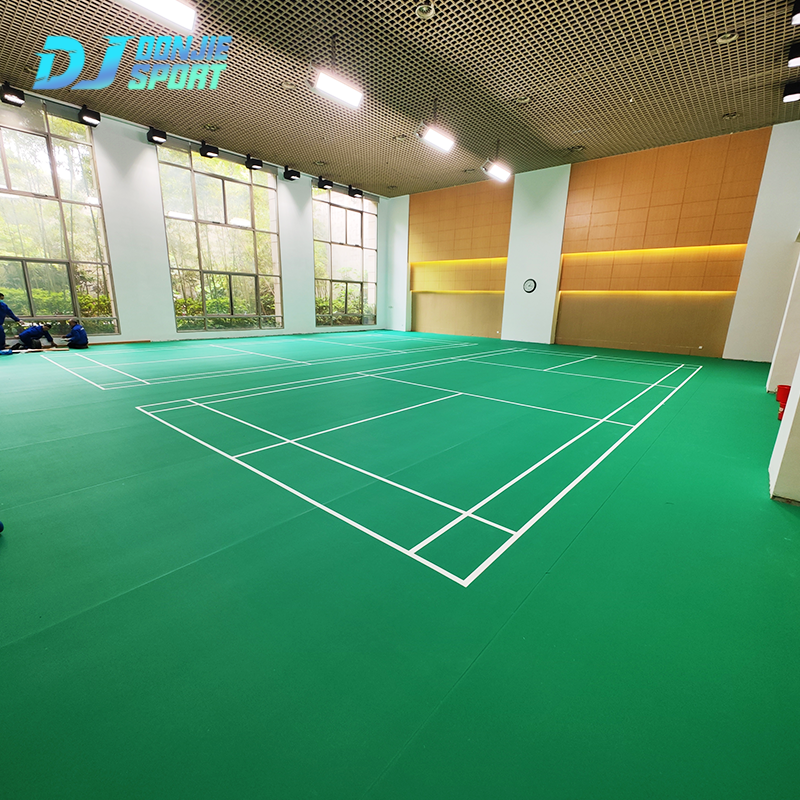
When it comes to competitive volleyball, the quality of the court’s flooring plays a pivotal role in both player performance and safety. As the sport evolves, choosing the right volleyball flooring has become increasingly important—not only for ensuring optimal play conditions but also for minimizing the risk of injury. The right surface can enhance speed, traction, and control, while a poor choice can lead to slips, falls, and even long-term joint problems for players.
In this complete guide, we’ll dive into the best types of flooring for volleyball courts, analyzing the advantages and drawbacks of each. Whether you’re designing a professional venue or upgrading an existing facility, understanding the key characteristics of each flooring type will help you make an informed decision. From hardwood to synthetic options, we’ll cover all aspects of volleyball court flooring, ensuring you have the knowledge needed to choose the best surface for competitive play.
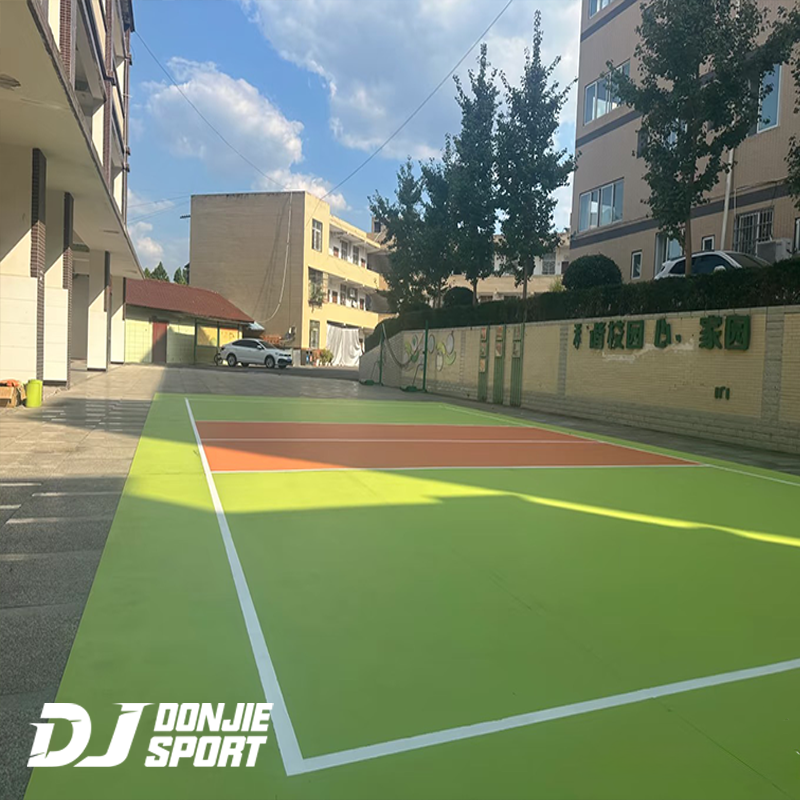
Understanding Volleyball Court Flooring Requirements
Choosing the best volleyball court flooring is not just about aesthetics or cost—it’s about ensuring that the surface meets the specific needs of competitive play. Whether you’re designing a new facility or upgrading an existing court, understanding the essential requirements of volleyball court flooring is the first step.
Essential Features of Competitive Volleyball Flooring
Volleyball courts require a flooring system that delivers both high performance and safety. Key features include:
-
Bounce consistency: A court with appropriate bounce enhances the game by providing players with predictable reactions from the ball. Flooring that is too soft or too hard can disrupt gameplay.
-
Traction and grip: The right amount of traction is necessary for players to make quick lateral movements without the risk of slipping. Flooring needs to provide enough grip to prevent falls while still allowing for swift movement.
-
Durability: High-performance courts endure heavy use, so durability is crucial. Flooring must withstand constant jumping, running, and impact without deteriorating quickly.
-
Shock absorption: The court must absorb the shock of impacts, protecting players from joint and muscle injuries over time.
Performance Characteristics: Bounce, Grip, and Durability
For competitive volleyball, flooring must support both the physical demands of the game and the well-being of the athletes. When considering different materials, three main performance characteristics stand out:
-
Bounce: Volleyball relies on precise ball control, and a consistent bounce helps players anticipate ball behavior. Hardwood floors, for instance, offer a well-balanced bounce that supports competitive play.
-
Grip: Flooring must provide a strong grip to prevent slipping, but not so much that it hinders movement. Synthetic materials often strike the right balance between grip and fluidity.
-
Durability: The wear-and-tear of a volleyball court can quickly degrade flooring. Durable surfaces are designed to resist scratches, dents, and staining, ensuring that the court remains in top condition for long-term use.
Safety Considerations: Cushioning, Shock Absorption, and Injury Prevention
Safety is paramount in competitive volleyball. The flooring system should absorb impacts during jumps and landings to prevent injuries such as sprains, strains, and joint issues. Courts with inadequate shock absorption can lead to chronic problems for players, especially when they are repeatedly jumping and landing. Flooring with optimal cushioning provides a safe and comfortable environment that promotes player performance and reduces injury risk.
Types of Volleyball Court Flooring
There are several types of flooring commonly used in competitive volleyball courts. The choice depends on factors such as the type of competition, budget, and maintenance preferences. Let’s explore the three most popular flooring options.
Hardwood Flooring
Hardwood flooring is the traditional choice for professional volleyball courts. It’s the standard for many major venues due to its aesthetic appeal and superior performance.
Benefits of Hardwood Flooring for Professional Courts:
-
Classic Look and Feel: Hardwood provides a timeless and professional look that many sports venues prefer.
-
Performance: The bounce and grip are ideal for competitive play, offering consistency during high-level matches.
-
Durability: When properly maintained, hardwood can last for decades.
Maintenance Considerations for Hardwood:
-
Hardwood flooring requires regular maintenance, including sanding and refinishing to ensure the surface remains in top condition. It is also prone to warping from humidity, which can be an issue in regions with extreme climate fluctuations.
Synthetic Flooring
Synthetic volleyball flooring options such as vinyl, rubber, and PVC are becoming increasingly popular due to their durability and versatility. These materials offer excellent value for money while providing top-tier performance.
Advantages of Synthetic Flooring:
-
Durability and Resistance: Synthetic materials are designed to withstand heavy use and harsh conditions. Unlike hardwood, they are less prone to damage from moisture and temperature fluctuations.
-
Shock Absorption: Many synthetic flooring options are designed with built-in shock-absorbing properties, reducing the risk of injury.
-
Maintenance-Friendly: Synthetic surfaces are easy to clean and maintain. Regular sweeping and occasional mopping are typically sufficient to keep them in good condition.
Cost-Effectiveness and Versatility:
Synthetic flooring options are often more cost-effective than hardwood and offer greater versatility. They can be used for various types of sports and are ideal for multi-purpose facilities.
Modular Flooring
Modular flooring, typically made from interlocking tiles, offers flexibility and ease of installation. This type of flooring is often chosen for venues that require a portable solution.
How Modular Flooring Provides Flexibility:
-
Portability: Modular tiles can be easily assembled and disassembled, making them ideal for venues that host events on temporary surfaces.
-
Customizability: These tiles are available in different colors and designs, allowing for custom branding and layouts.
-
Installation and Maintenance: Modular flooring is simple to install and maintain. The individual tiles can be replaced if damaged, reducing the need for costly repairs.
Key Factors to Consider When Choosing Volleyball Court Flooring
When choosing volleyball flooring, it’s essential to weigh various factors that can impact gameplay, safety, and the overall longevity of the court.
Traction and Grip
For competitive volleyball, the level of grip provided by the flooring is critical. It must offer sufficient traction to prevent players from slipping while still allowing for quick directional changes. The best flooring materials will provide optimal grip without restricting movement.
-
Hardwood floors tend to offer a natural level of grip but may be more prone to wear over time.
-
Synthetic options, such as rubber and vinyl, often provide enhanced grip and are less likely to degrade from repeated use.
Cushioning and Shock Absorption
Cushioning and shock absorption are vital for protecting players during the intense physical movements of the game. Volleyball players frequently jump, land, and pivot, which places significant stress on their knees, ankles, and joints.
-
Hardwood floors may require additional shock-absorbing layers to provide optimal protection.
-
Synthetic and modular floors often come with built-in cushioning, offering superior impact protection.
Durability and Maintenance
Durability is a key factor in ensuring your flooring investment lasts. While hardwood floors can be long-lasting, they require significant maintenance, including sanding and refinishing. Synthetic and modular options tend to be lower-maintenance, making them a cost-effective option for venues that require minimal upkeep.

How to Choose the Best Flooring for Your Volleyball Court
Choosing the right flooring for your volleyball court involves evaluating your specific needs, budget, and facility requirements. Consider the following:
-
Budget: Hardwood floors can be more expensive upfront, but synthetic and modular options are often more cost-effective in the long run.
-
Level of Play: For professional courts, hardwood flooring is often preferred. However, for recreational and multi-purpose courts, synthetic or modular flooring may be a better choice.
-
Facility Usage: Consider how often the court will be used and whether it needs to accommodate other sports or activities. Modular floors offer flexibility, while synthetic floors are better for high-traffic areas.
Trends in Volleyball Court Flooring: What’s New?
In recent years, several innovations have emerged in volleyball flooring technology, enhancing both performance and player safety.
Innovations in Flooring Technology:
-
Smart Flooring: New flooring options come with integrated sensors that can track player movements and performance metrics.
-
Eco-Friendly Materials: Sustainability is becoming a priority, and manufacturers are now offering eco-friendly flooring options made from recycled materials without sacrificing performance.
Eco-Friendly Flooring Options:
Recycled rubber and bio-based polymers are gaining popularity, offering excellent durability while reducing the environmental impact of traditional materials.
Future Trends in Design and Materials:
-
Customizable Flooring Designs: As personalization becomes more important, courts are incorporating custom branding and logos into the flooring design.
-
Advanced Shock Absorption: The next generation of flooring will offer even more advanced shock-absorbing properties, enhancing player comfort and reducing injury rates.
Conclusion
In conclusion, the best flooring for competitive volleyball courts balances performance, safety, and durability. Whether you choose hardwood for its traditional appeal, synthetic materials for their cost-effectiveness and flexibility, or modular tiles for their portability, each option offers unique benefits. By understanding the specific requirements of your facility and the demands of the game, you can select the flooring that will enhance both player performance and safety for years to come.