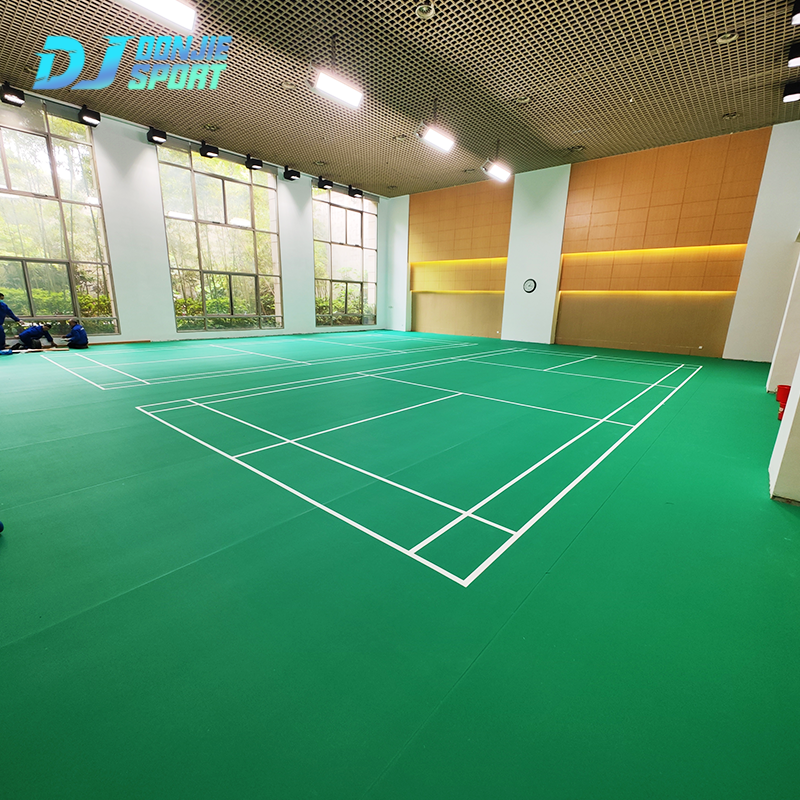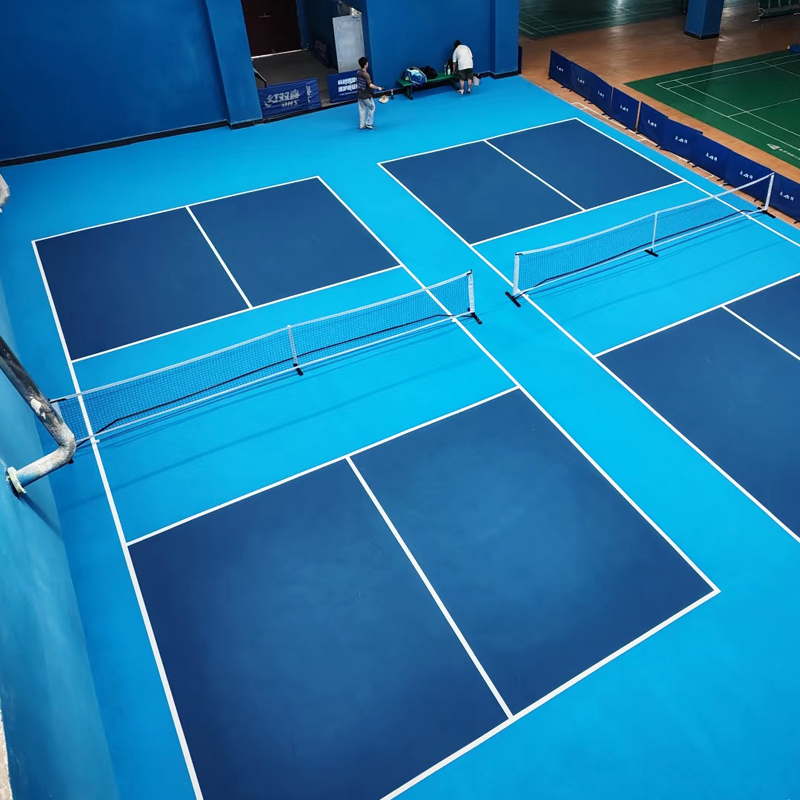
Choosing the right flooring for indoor pickleball courts is crucial for both player performance and the longevity of the court. Indoor pickleball has grown rapidly in popularity, attracting players of all ages and skill levels. The flooring you select not only affects how the ball bounces and moves but also influences player safety, comfort, and the overall playing experience. High-quality flooring reduces the risk of injuries, improves traction for quick lateral movements, and ensures that the court maintains its professional look over time. From traditional hardwood to modern PVC and rubber surfaces, the variety of options can be overwhelming. Understanding the key features of each material and how they impact gameplay is essential for making an informed decision.
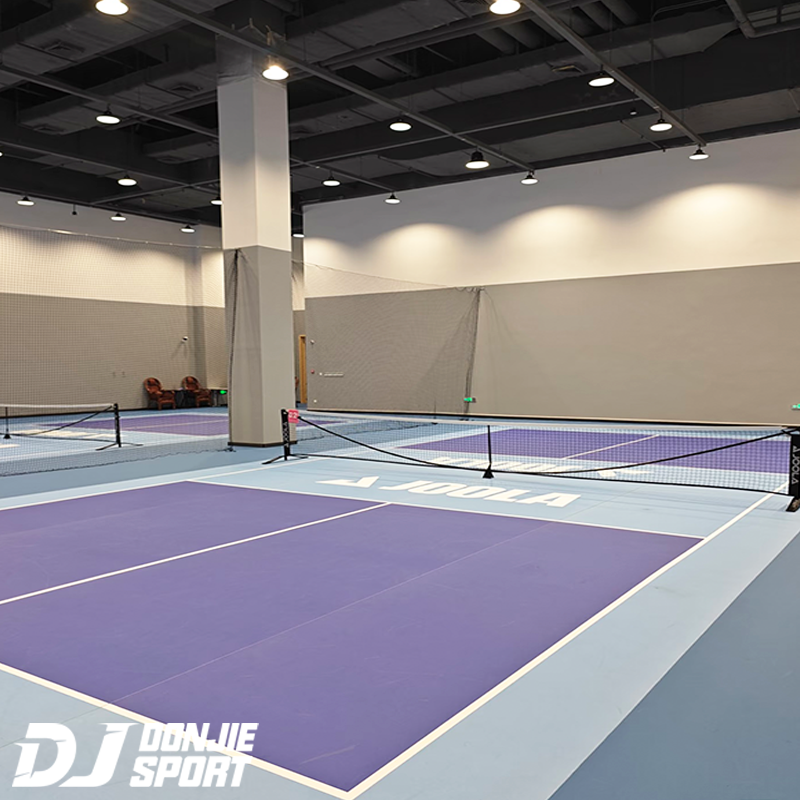
Understanding Different Types of Flooring for Indoor Pickleball Courts
Hardwood Flooring: Traditional Choice with Classic Performance
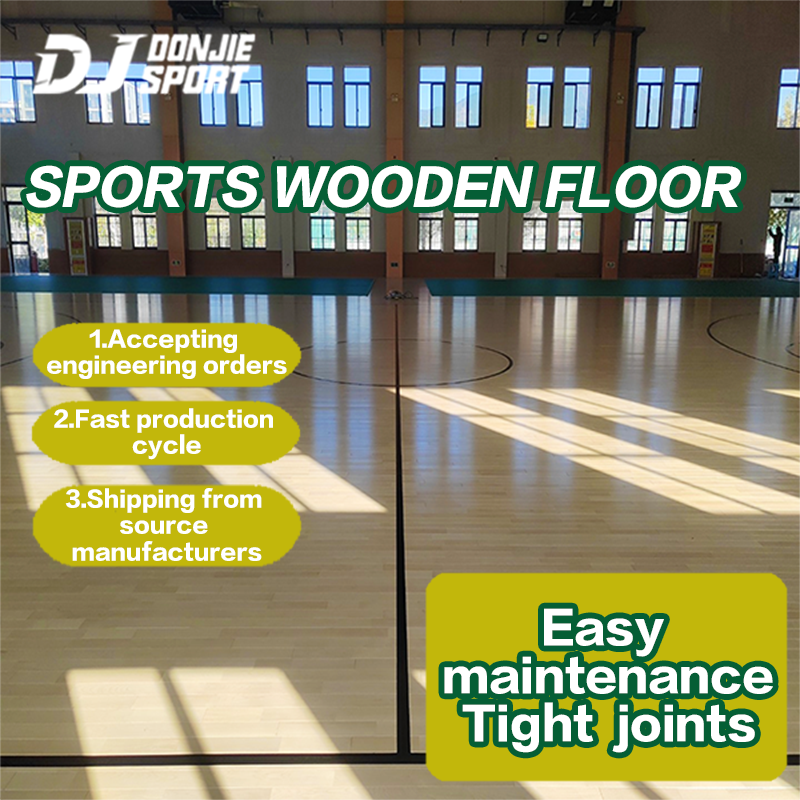
Hardwood floors are often associated with professional indoor sports venues and provide a classic playing experience. They offer consistent ball bounce, smooth surface transitions, and excellent traction when properly maintained. However, hardwood requires regular upkeep, including sanding, refinishing, and protection against moisture. While the initial cost may be higher, the lifespan of a well-maintained hardwood pickleball court can be impressive, making it suitable for clubs or facilities seeking a premium feel.
PVC Sports Flooring: Modern, Durable, and Low Maintenance
PVC sports flooring has become a popular choice for indoor pickleball courts due to its durability, flexibility, and low maintenance requirements. It provides superior shock absorption, reducing strain on players’ joints during long sessions. PVC surfaces are resistant to moisture, wear, and scuffs, making them ideal for high-traffic community centers or recreational facilities. Additionally, these floors can be customized with various colors and textures to enhance court aesthetics while maintaining optimal playability.
Rubber Flooring: Safety-Oriented Solution
Rubber flooring is designed with safety in mind. Its cushioned surface helps prevent injuries from falls or sudden movements, making it ideal for beginners or youth programs. Rubber also provides excellent noise reduction, which is beneficial in indoor venues where echo can affect gameplay. While slightly softer than hardwood or PVC, rubber flooring supports efficient ball bounce and offers long-lasting durability when properly maintained.
Key Features to Look for in Flooring for Indoor Pickleball Courts
Surface Traction and Grip
Proper traction is essential for quick lateral movements, pivots, and sprints during a match. A surface that is too slippery can lead to slips, falls, and injuries. The best flooring for indoor pickleball courts balances grip with smooth ball movement, allowing players to move confidently without compromising gameplay.
Shock Absorption and Player Comfort
Indoor pickleball involves repetitive movements that can strain knees, ankles, and lower back. Flooring with good shock absorption reduces impact on joints, supporting longer playing sessions and improving overall player comfort. Materials like PVC and rubber are particularly effective at providing this cushioning while maintaining a responsive surface.
Durability and Resistance to Wear
High-quality indoor pickleball flooring must withstand heavy foot traffic, frequent ball impact, and equipment use. Durable surfaces resist scratches, scuffs, and indentations, ensuring the court remains safe and visually appealing over time. PVC and hardwood are known for their longevity when maintained properly, while rubber flooring excels in high-use community or school settings.
Easy Maintenance and Cleaning
Indoor pickleball courts require regular cleaning to maintain performance and safety. Floors that are easy to sweep, mop, and disinfect help facilities minimize downtime and extend the lifespan of the court. Moisture-resistant materials like PVC reduce the risk of damage caused by spills, sweat, or cleaning solutions.
Noise Control and Acoustics
Excessive noise in indoor venues can affect player focus and overall enjoyment. Flooring that absorbs sound, such as rubber or cushioned PVC, creates a more pleasant environment for both players and spectators. Proper acoustics are especially important in multi-use facilities where pickleball courts share space with other activities.
Aesthetics and Court Markings
Clear court markings and visually appealing surfaces enhance the professional look of indoor pickleball courts. Flooring options that allow for vibrant colors, precise line painting, and pattern customization contribute to better gameplay by ensuring lines are visible from all angles and distances. Customizable flooring can also reinforce facility branding or color themes.
Installation Considerations for Flooring for Indoor Pickleball Courts
Professional vs. DIY Installation
Professional installation ensures the flooring is properly laid, leveled, and secured, which is critical for consistent ball bounce and player safety. Incorrect installation can lead to uneven surfaces, gaps, or premature wear. While DIY installation may reduce upfront costs, it carries risks that can compromise court performance and longevity.
Subfloor Requirements and Preparation
The subfloor is the foundation of any indoor pickleball court. Smooth, level surfaces are essential for consistent play. Subfloor preparation may include moisture barriers, leveling compounds, and appropriate materials to prevent warping or shifting over time. Proper subfloor preparation supports the selected flooring material and enhances durability.
Cost vs. Value: Choosing the Right Flooring for Indoor Pickleball Courts
Initial Investment vs. Long-Term Benefits
While premium flooring may require a higher upfront investment, its durability, low maintenance needs, and enhanced player experience often justify the cost. Evaluating lifecycle costs, including maintenance, repairs, and replacement, helps facilities make financially sound decisions.
Selecting Flooring Based on Venue Type
Different venues have unique requirements. Schools and community centers may prioritize durability and safety, making PVC or rubber ideal. Professional arenas might opt for hardwood or high-end PVC to provide optimal performance and aesthetics. Matching the flooring choice to the venue ensures both players and facility managers benefit over time.

Maintenance Tips to Extend the Life of Indoor Pickleball Flooring
Routine Cleaning Practices
Sweeping or vacuuming debris, mopping with suitable cleaners, and avoiding harsh chemicals preserve the surface quality and reduce wear. Daily or weekly routines depend on usage frequency and player volume.
Preventive Measures
Placing protective mats at entry points, limiting shoes with hard soles, and ensuring furniture or equipment does not scratch the floor help extend its lifespan. These precautions minimize surface damage and reduce maintenance costs.
Periodic Inspection and Repairs
Regular inspection for scratches, dents, or loose panels ensures timely repairs. Recoating or resurfacing when necessary restores performance and aesthetics, keeping indoor pickleball courts in top condition for players.
Conclusion
Selecting the best flooring for indoor pickleball courts requires careful consideration of traction, shock absorption, durability, maintenance, and aesthetics. Hardwood, PVC, and rubber flooring each offer unique advantages depending on player needs and venue requirements. By prioritizing performance, safety, and long-term value, facility managers can create an optimal environment for players to enjoy the sport while ensuring the court remains functional and visually appealing for years to come.