When it comes to table tennis, the quality of the flooring plays a significant role in the overall performance and safety of the game. Not only does the right flooring contribute to the bounce and consistency of the ball, but it also affects the players’ comfort, safety, and injury prevention. This comprehensive guide will help you understand what makes the best flooring for table tennis, the factors you need to consider, and the top materials to choose from for both professional and recreational settings.
Importance of Flooring in Table Tennis
In table tennis, the floor is not just a surface to stand on—it’s an integral part of the game. A poorly chosen floor can make the game harder to play and even increase the risk of injuries. Here’s why flooring matters:
-
Ball Bounce and Control: The way the ball bounces on the floor can significantly impact gameplay. A flooring that offers consistent bounce is crucial for maintaining the flow of the game, allowing players to predict ball movements accurately and adjust accordingly.
-
Safety Considerations: Flooring also contributes to safety. A floor with the right amount of grip prevents players from slipping, while cushioned floors can absorb some of the shock from jumping or sudden stops, helping prevent injuries like ankle sprains or joint strains.
-
Durability: Since table tennis courts are used regularly, the flooring needs to be durable. Choosing a flooring option that resists wear and tear ensures a long lifespan for your court, making it a sound investment over time.
Key Features to Look for in Table Tennis Flooring
When selecting flooring for table tennis, it’s essential to focus on the following features to ensure maximum performance:
-
Bounce Consistency: A floor that provides even, consistent bounce allows players to anticipate the ball’s trajectory better. Surfaces that are too hard or soft may cause erratic bounces, disrupting the flow of the game.
-
Comfort and Shock Absorption: Playing on a hard surface for extended periods can be hard on the joints. Flooring that provides adequate shock absorption reduces strain on players’ knees and ankles, promoting long-term comfort and injury prevention.
-
Traction and Grip: Quick footwork is essential in table tennis. A floor with the right level of traction prevents slipping and provides players with the stability they need for fast pivots and directional changes.
-
Durability: The flooring should withstand high-impact movements and resist scuffing, scratches, and wear caused by repeated use. This is especially important for high-traffic areas like professional training centers or competitive arenas.
The Best Materials for Table Tennis Flooring
There are several materials to choose from, each with its pros and cons. Here’s a breakdown of the best flooring options for table tennis courts:
-
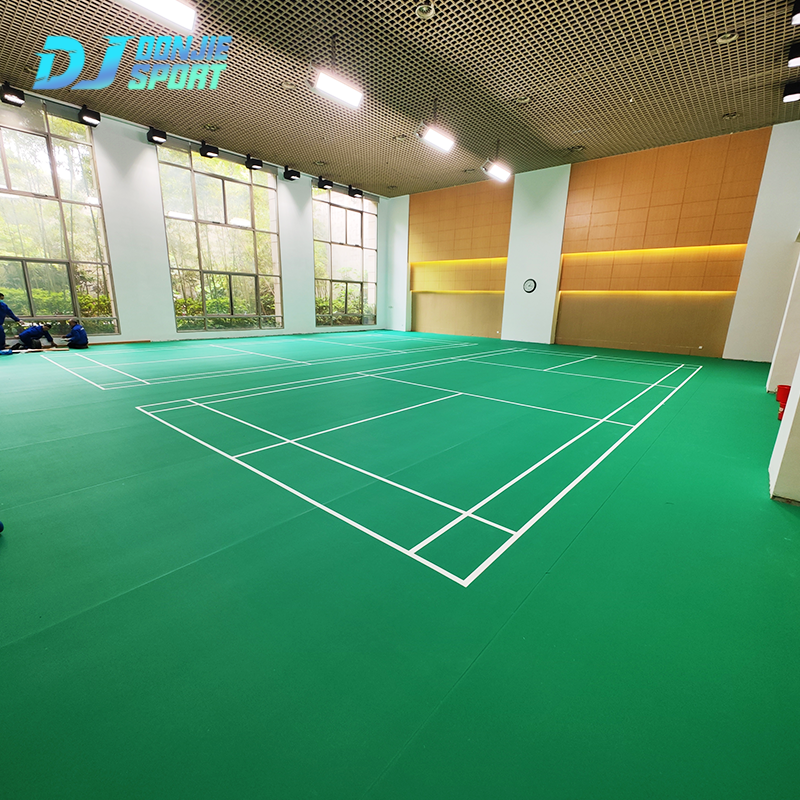
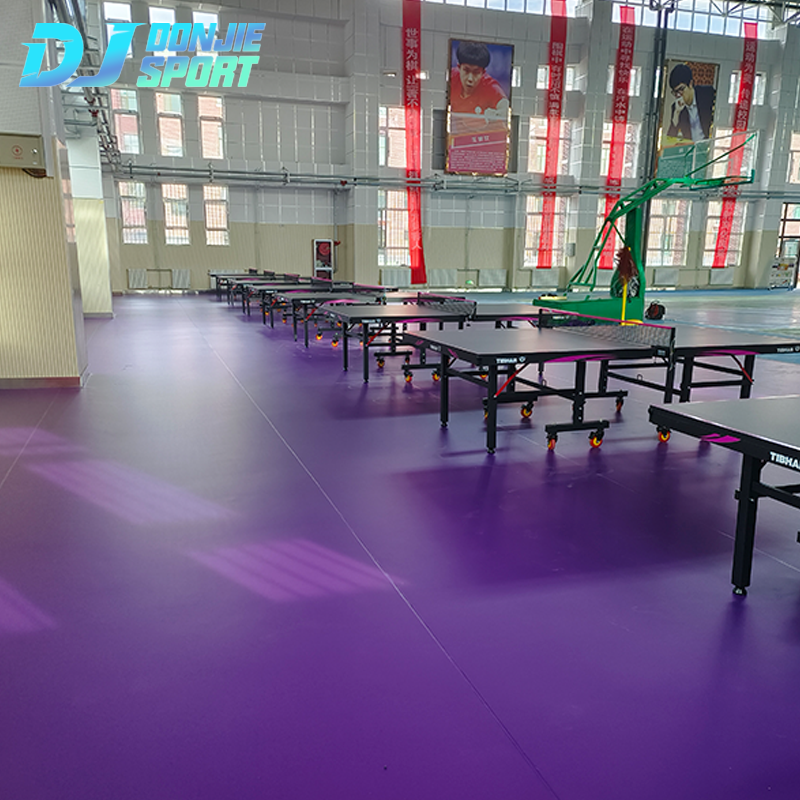
PVC Flooring: PVC flooring is one of the most popular choices for table tennis courts, especially in indoor settings. It offers excellent shock absorption, is easy to maintain, and provides a consistent bounce. PVC flooring is durable and resistant to wear, making it an ideal choice for high-traffic sports environments. It also has a smooth surface that enhances ball control.
-
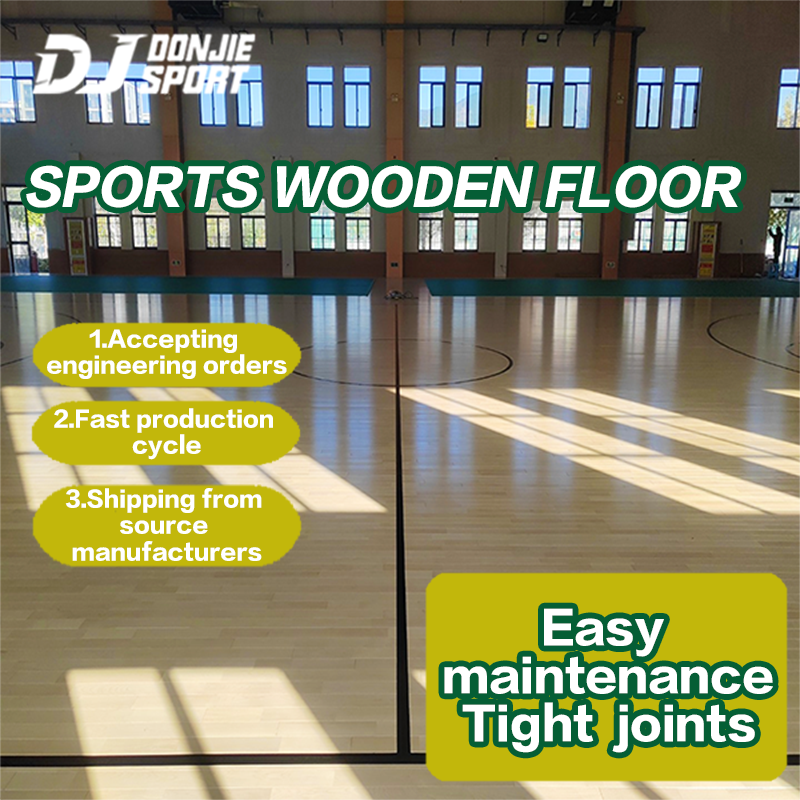
Wooden Flooring: Traditional wooden flooring offers a classic, professional aesthetic and great ball bounce. Hardwood floors, such as maple or oak, are commonly used in professional tournaments. They are known for their durability and the premium feel they provide, though they can be more expensive and require more maintenance to preserve their appearance and performance.
-
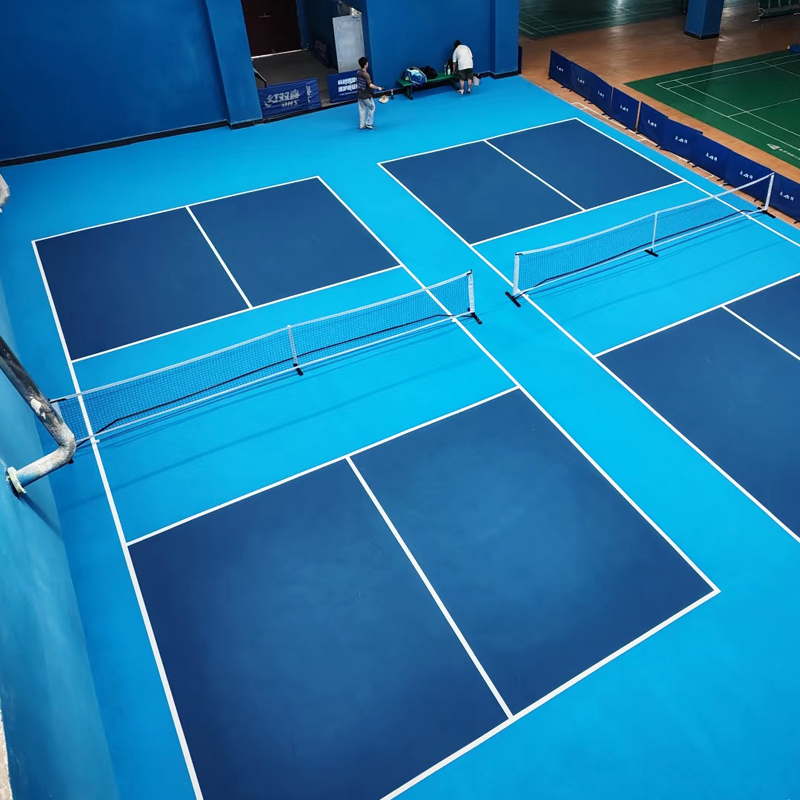
Rubber Flooring: Rubber flooring is another great option for table tennis, providing excellent shock absorption and reducing the risk of injury. It’s particularly suitable for multi-use sports halls or gyms. However, it may not offer the same bounce consistency as PVC or wooden floors, though it still provides good performance.
-
Hybrid Flooring: Some facilities opt for hybrid flooring, which combines different materials to offer a balance of durability, shock absorption, and bounce consistency. For example, a hybrid floor may have a PVC base with a rubber top layer to ensure both comfort and performance.
Comparing Different Flooring Options for Table Tennis
When choosing the right flooring, consider the following factors:
-
Cost Considerations: PVC flooring is typically more affordable than wooden flooring. Rubber and hybrid options tend to fall somewhere in between, with some rubber floors being more budget-friendly than others.
-
Suitability for Different Environments: Wooden floors are most suitable for professional table tennis arenas, where the highest performance is required. For recreational or community centers, PVC or rubber flooring may be a more cost-effective and practical option. Hybrid floors are ideal for multi-use facilities where different sports are played, not just table tennis.
-
Maintenance and Durability: Wooden flooring requires more maintenance, including sanding and refinishing. PVC and rubber floors are easier to maintain, requiring only routine cleaning and occasional repairs to keep them in top condition.
Installation Tips for Table Tennis Flooring
The installation of your flooring is critical to ensure its longevity and performance. Here are some key tips:
-
Preparation: Before installation, make sure the surface is level, clean, and dry. Any unevenness or moisture can affect the floor’s performance.
-
Professional vs. DIY Installation: While it may be tempting to handle installation yourself, hiring professionals ensures that the flooring is installed correctly, maximizing its performance and lifespan.
-
Floor Layout: Ensure the flooring is installed with seamless connections, especially if you choose modular or interlocking tiles. This avoids uneven surfaces and maintains the overall integrity of the court.
Maintenance and Care of Table Tennis Flooring
Proper care is essential to keep your flooring in top condition and preserve its performance:
-
Cleaning: Regular cleaning prevents dust, dirt, and debris from damaging the flooring and impacting ball bounce. Use a mild cleaner designed for the material of your floor (PVC, rubber, or wood).
-
Wear and Tear: Inspect your flooring regularly for signs of wear, such as scratches or dents. If needed, replace damaged tiles or sections to maintain a smooth and consistent playing surface.
-
Protecting the Surface: Avoid dragging heavy equipment or furniture across the floor, as this can cause scratches or gouges. Use mats or pads in high-traffic areas.
Conclusion
Choosing the right flooring for your table tennis court is crucial for ensuring an optimal playing experience. Whether you choose PVC, wood, rubber, or hybrid flooring, each material has its strengths. PVC flooring is the most popular option for its durability, bounce consistency, and easy maintenance, while wooden flooring provides a professional touch for serious players. Rubber and hybrid options offer additional comfort and versatility for multi-use spaces.