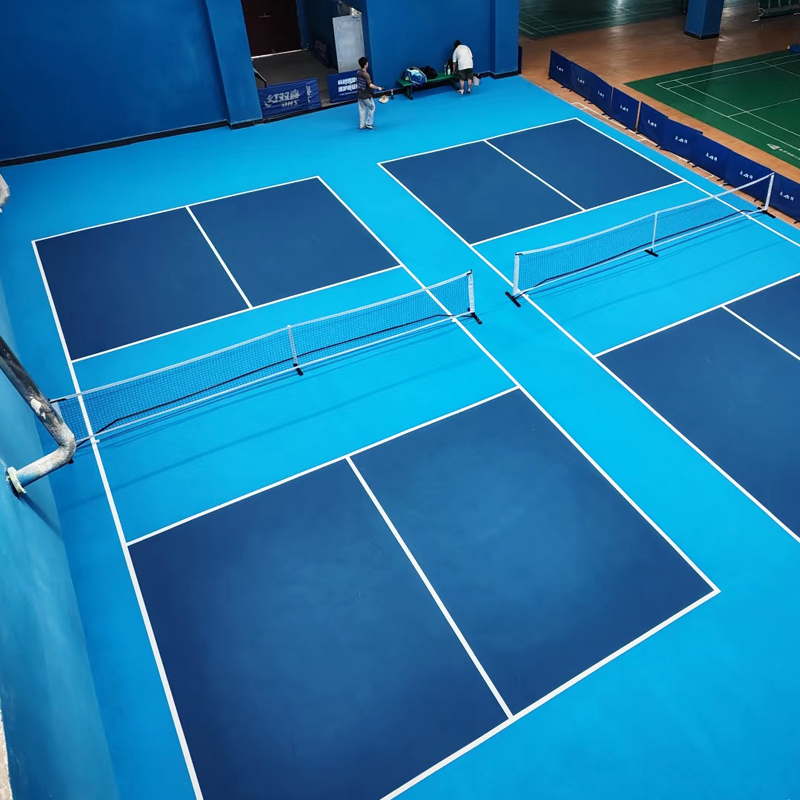
When planning a gymnasium or sports hall, one of the most critical decisions you’ll make is choosing the right flooring. The flooring in your facility plays a significant role in both performance and safety, impacting athletes’ ability to perform at their best while minimizing the risk of injury. With so many options available, including wood, PVC, and rubber, it’s essential to understand the unique benefits and drawbacks of each to make an informed decision. Whether you’re outfitting a school gym, a professional sports arena, or a community center, this guide will help you navigate the pros and cons of the three most popular sports hall flooring materials.
Factors to Consider When Choosing Sports Hall Flooring
Choosing the right flooring for your sports hall is not a one-size-fits-all decision. There are several key factors to consider when evaluating your options:
-
Durability: The flooring must withstand frequent use, high-impact activities, and potential heavy traffic. Durability is a major factor that will influence the long-term investment and maintenance needs.
-
Safety: Floor surfaces must offer a combination of grip and cushion to prevent injuries during intense physical activities. Ensuring the safety of athletes is the number one priority in sports flooring.
-
Maintenance Requirements: Some materials require more upkeep than others. Consider how easy it is to maintain the floor and the costs associated with ongoing care.
-
Cost-Effectiveness: Budget is always a concern. While some flooring materials might have a higher initial cost, they could offer greater longevity or less maintenance, which might make them more cost-effective in the long run.
By evaluating these factors, you can determine which flooring will be the best fit for your facility, helping to ensure long-term satisfaction and safety for everyone who uses the space.
Wood Flooring: Timeless Elegance and Performance
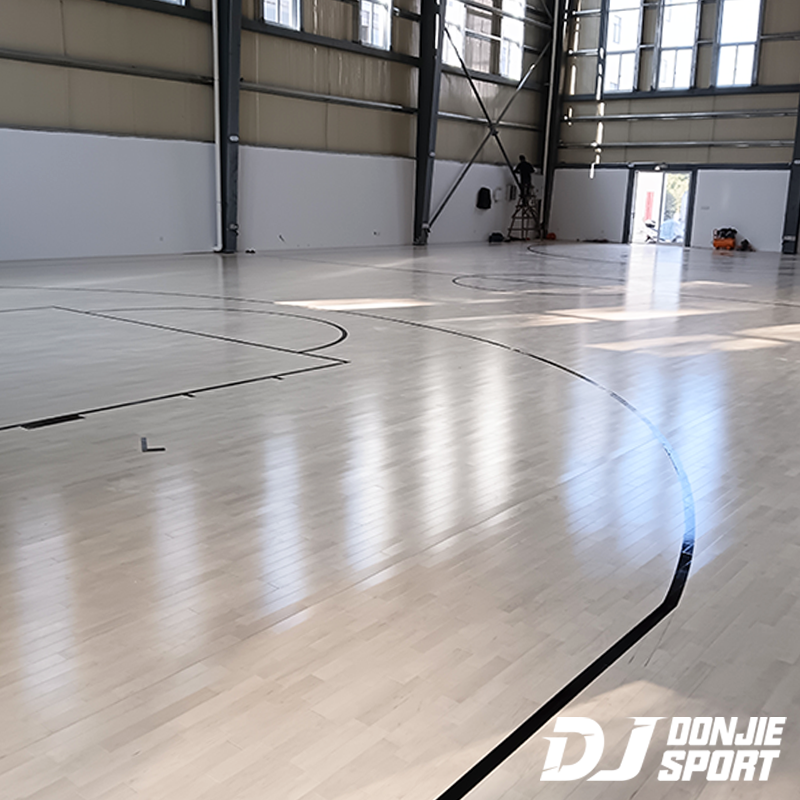
Wood flooring has long been the traditional choice for sports halls, especially in high-end gyms and professional arenas. It offers a combination of aesthetic appeal and performance that few other materials can match.
-
Aesthetic Appeal: Wood floors bring a classic, timeless look to any sports facility. The natural grain patterns and rich tones elevate the visual appeal of gymnasiums, making them ideal for professional sports arenas and multipurpose venues.
-
Performance Features: Wood provides excellent performance for high-impact sports, such as basketball, volleyball, and indoor tennis. The natural shock absorption of wood helps to reduce the impact on joints, making it a comfortable and safe surface for athletes.
-
Pros: Wood flooring is known for its durability, stability, and the comfort it provides to athletes. It’s also a highly versatile material that can withstand heavy use when properly maintained.
-
Cons: The main downside of wood flooring is the high maintenance required. It’s susceptible to moisture, which can lead to warping or damage. Additionally, it’s one of the more expensive options when it comes to both installation and upkeep.
PVC Flooring: Modern and Versatile
In recent years, PVC (polyvinyl chloride) flooring has become a popular alternative to traditional wood. PVC floors offer modern advantages in terms of customization, durability, and cost.
-
Design Flexibility: One of the biggest benefits of PVC flooring is the wide range of designs available. PVC floors can be customized in various colors, patterns, and finishes, allowing you to match the aesthetic of your sports facility.
-
Safety and Comfort: PVC flooring offers excellent slip resistance, which is crucial for safety during activities like basketball, gymnastics, and other sports that involve quick movements. It also provides a cushioned surface, reducing the impact on joints.
-
Pros: PVC flooring is affordable, low-maintenance, and easy to install, making it an attractive option for budget-conscious facilities. It’s resistant to water, stains, and most chemicals, which helps prolong its lifespan.
-
Cons: While PVC flooring is highly durable, it may not have the same traditional appeal as wood flooring. Over time, PVC flooring may show signs of wear, especially in high-traffic areas.
Rubber Flooring: The Durable and Resilient Option
Rubber flooring is a popular choice for facilities focused on durability and resilience. It’s especially favored in areas where impact absorption and noise reduction are essential.
-
Impact Absorption: Rubber floors are known for their superior shock absorption properties. This makes them ideal for sports that involve a lot of jumping, running, or quick movements, such as basketball and weightlifting.
-
Noise Reduction: Another advantage of rubber flooring is its ability to reduce noise. This is particularly beneficial in busy gyms or multipurpose sports halls where noise levels can become disruptive.
-
Pros: Rubber is incredibly durable, slip-resistant, and relatively low-maintenance. It’s also cost-effective in the long term, as it typically requires less frequent repair or replacement.
-
Cons: Rubber floors, while durable, may lack the aesthetic appeal of wood or PVC. Additionally, they can retain odors if not properly maintained and may be more difficult to clean due to the texture of the material.
Comparing the Three Options
When deciding between wood, PVC, and rubber flooring, it’s important to compare them based on the specific needs of your facility:
-
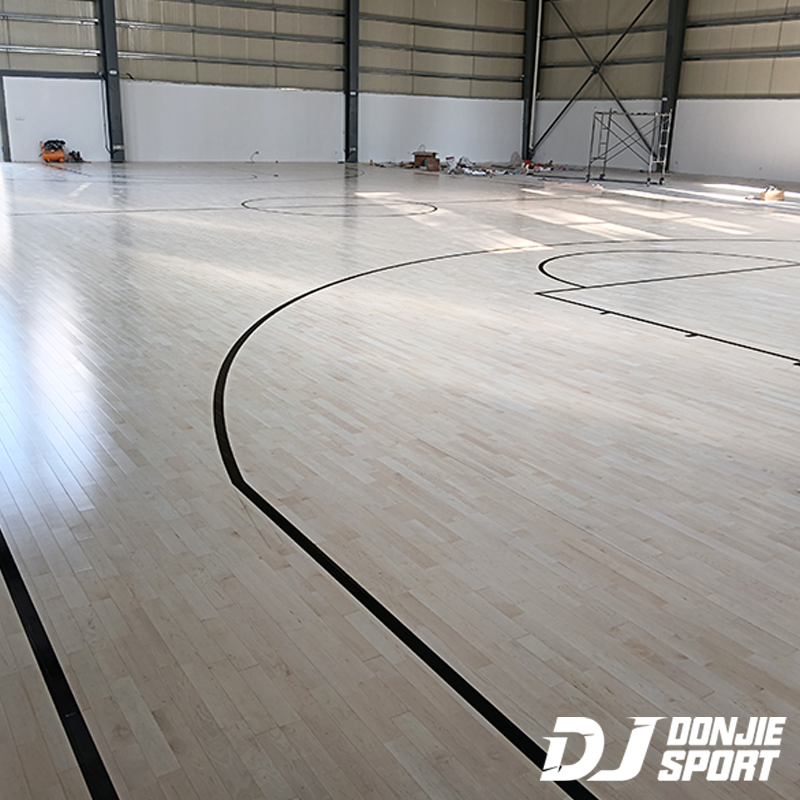
Performance Comparison: For high-impact sports like basketball or volleyball, wood flooring remains the preferred choice due to its natural shock absorption. However, PVC and rubber are also excellent options for these sports, with rubber offering the best injury prevention.
-
Maintenance and Care: Wood flooring requires regular refinishing and is sensitive to moisture. PVC floors are easy to maintain but may need to be replaced sooner if damaged. Rubber floors are the least maintenance-intensive and can endure for many years with minimal care.
-
Cost Breakdown: Wood flooring is the most expensive to install and maintain, while PVC and rubber are more affordable upfront. However, the long-term costs of wood flooring may be justified by its durability and aesthetic appeal, whereas PVC and rubber floors may be more cost-effective for facilities on a tight budget.
Conclusion
Choosing the right flooring for your gymnasium comes down to a balance of performance, safety, cost, and maintenance. For those looking for a timeless, professional look and excellent performance, wood flooring is the ideal choice. However, if you’re seeking a more budget-friendly and low-maintenance option, PVC flooring offers versatility and durability. Rubber flooring excels in durability and impact absorption, making it a fantastic choice for high-intensity sports.
Ultimately, the best flooring material for your sports hall will depend on your specific needs and the activities that will take place there. By considering all the factors discussed in this guide, you can make an informed decision that provides both long-term value and safety for athletes.