Choosing the right sports hall flooring is crucial for any sports facility. Not only does it influence the aesthetic appeal of the space, but it also directly affects the performance, safety, and maintenance of the area. Whether you’re designing a gymnasium, basketball court, or multi-purpose sports hall, selecting the best flooring material requires finding the right balance between durability and affordability. In this article, we will explore the best materials for sports hall flooring that offer both longevity and cost-effectiveness, helping you make an informed decision for your facility.
Why Choosing the Right Sports Hall Flooring Matters
Sports hall flooring plays a pivotal role in the overall experience of athletes, coaches, and spectators. Flooring material affects the playing conditions, safety, and maintenance requirements of the space. The right flooring can improve performance, reduce injuries, and provide a comfortable environment for training and competition. Moreover, flooring is one of the largest investments in sports facility construction, making it essential to choose a material that not only meets performance standards but also aligns with the budget and long-term sustainability.
Many sports facilities struggle with high maintenance costs or flooring that deteriorates too quickly under constant use. This is why it’s important to choose flooring that strikes the right balance between durability and affordability, so your investment lasts over time without breaking the bank.
Key Characteristics of Ideal Sports Hall Flooring
Before diving into specific materials, let’s explore the essential characteristics that make for the best sports hall flooring:
-
Durability: The flooring must be able to withstand heavy foot traffic, equipment use, and high-impact activities like jumping, running, and sliding.
-
Affordability: While quality is important, staying within budget is crucial. The material must provide good value for money.
-
Safety Features: The floor should offer sufficient grip to prevent slips and falls while also providing a level of shock absorption to reduce the risk of injury.
-
Maintenance: Low-maintenance flooring will save you both time and money in the long run. Flooring that is easy to clean and resistant to wear and tear is ideal.
-
Noise Absorption: In sports halls, minimizing noise is essential, especially for activities that involve heavy impacts.
Top Flooring Materials for Sports Halls
Here are the most popular flooring materials for sports halls, each offering a unique combination of durability and affordability.
-
PVC Sports Flooring
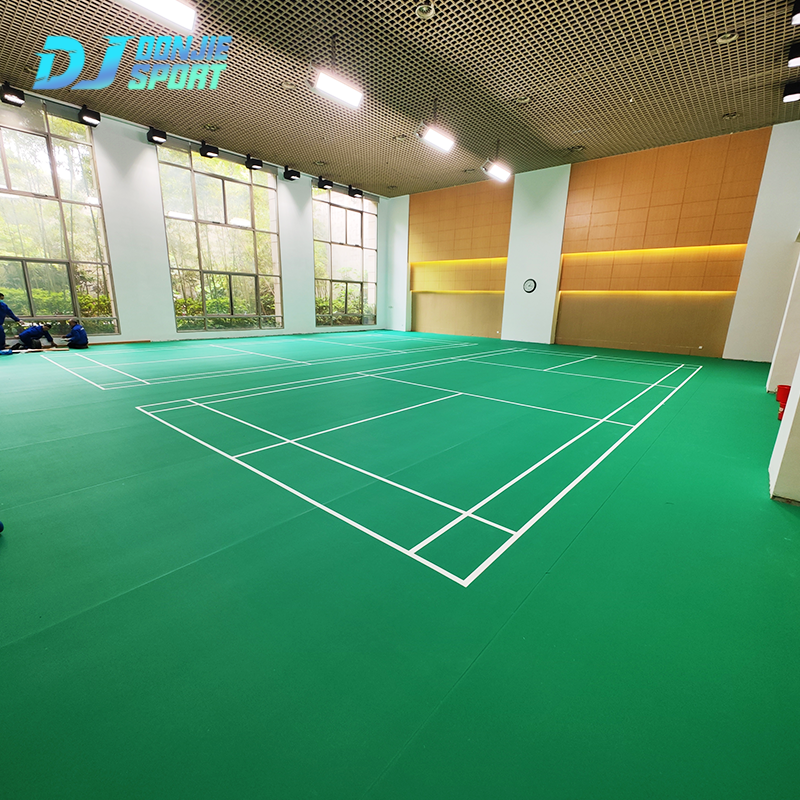
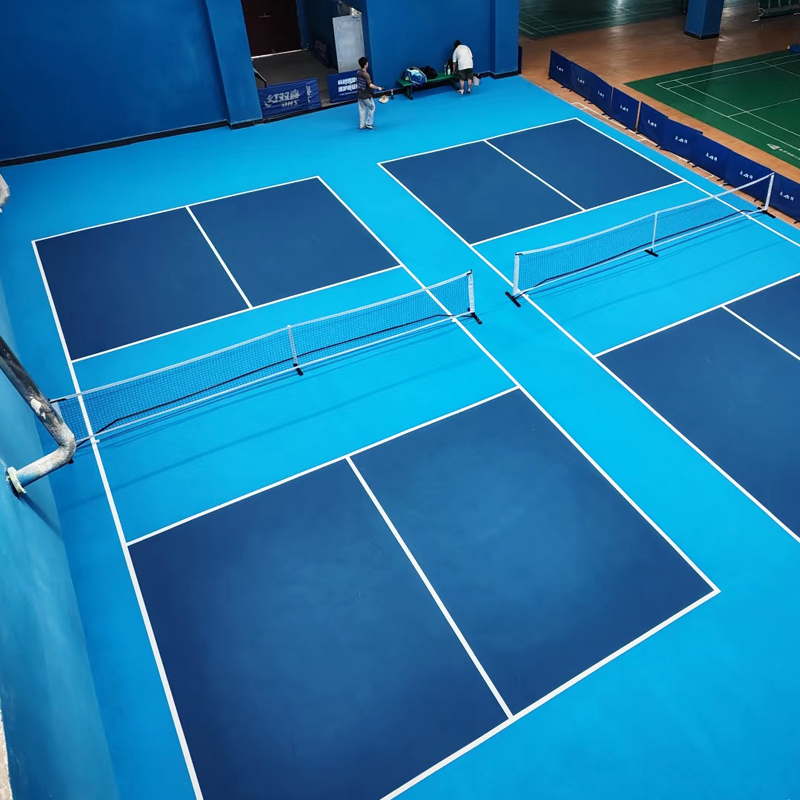
PVC sports flooring is one of the most commonly used materials for sports halls due to its affordability and durability. PVC offers excellent resistance to wear, tear, and moisture, making it ideal for areas that experience high traffic. This material is also easy to maintain and clean, which is a significant advantage for sports facilities. PVC flooring comes in various designs and finishes, making it versatile enough to suit various sports, from basketball and volleyball to gymnastics.
-
Ideal Use: Multi-purpose courts, gymnasiums, fitness centers.
-
Maintenance: Regular sweeping and occasional mopping with mild detergent.
-
Benefits: Cost-effective, durable, easy to clean, versatile.
-
-
Rubber Sports Flooring
Rubber flooring is renowned for its shock absorption and soundproofing qualities, making it a favorite in high-traffic areas and fitness centers. It is highly durable and offers excellent protection against impact, which is important for activities that involve jumping or dropping heavy equipment. Rubber flooring is also sustainable and can be made from recycled materials, making it an eco-friendly option.
-
Ideal Use: High-traffic areas, weight rooms, fitness centers, and aerobic areas.
-
Maintenance: Periodic cleaning with a neutral cleaner to remove dust and dirt.
-
Benefits: Impact-resistant, noise-reducing, eco-friendly, durable.
-
-
Wooden Sports Flooring
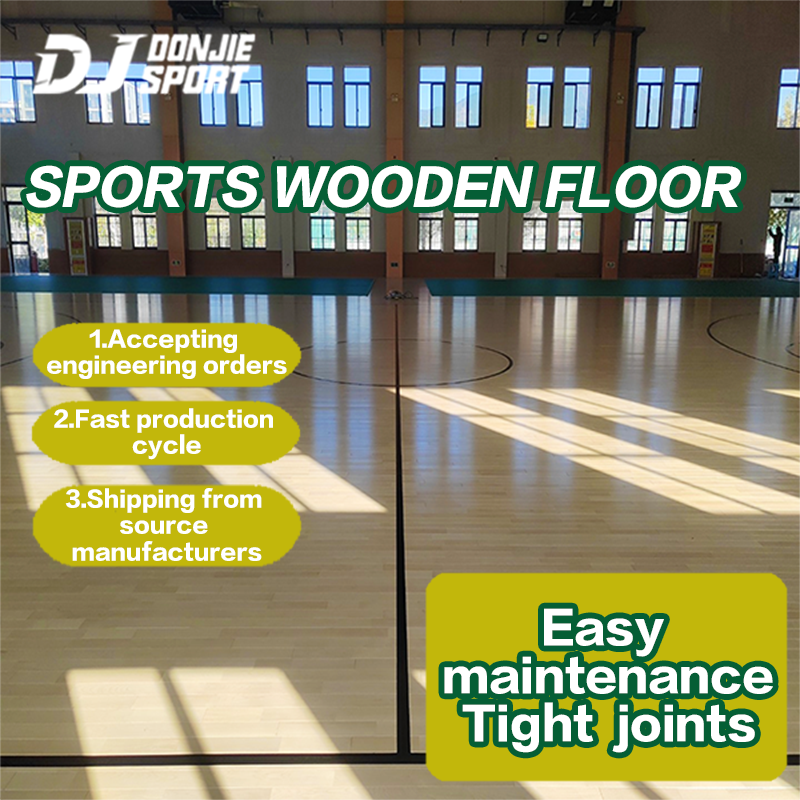
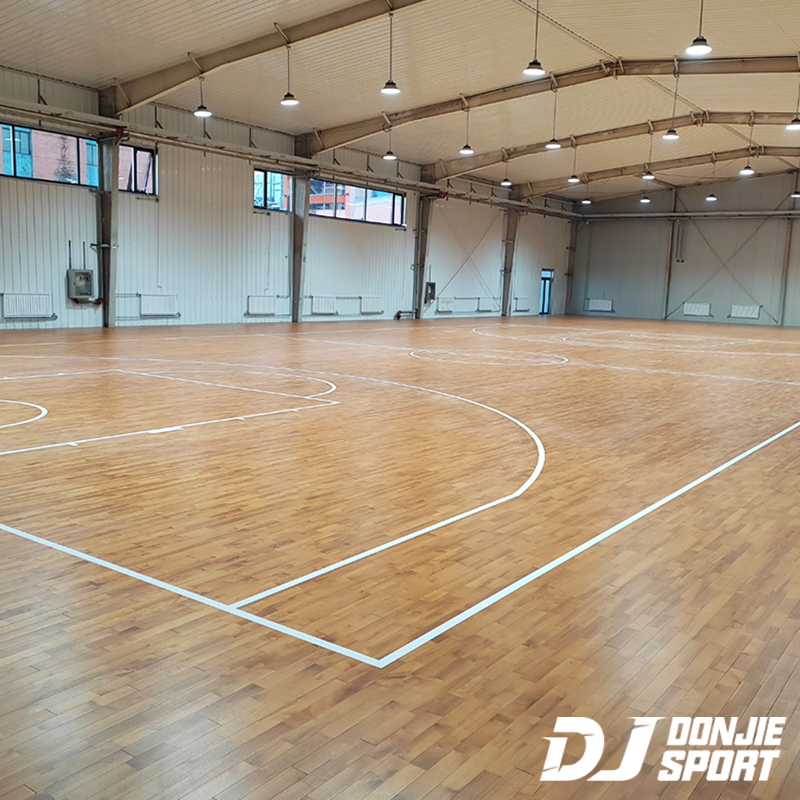
Wooden sports flooring is often considered the premium option for sports halls, offering a classic aesthetic and superior performance. It’s especially popular in basketball, volleyball, and badminton courts. Wooden floors provide excellent shock absorption, reducing the impact on joints and muscles during high-intensity activities. While they are more expensive upfront, their longevity and the professional appeal they add to a sports facility often justify the investment.
-
Ideal Use: Professional venues, indoor sports like basketball, volleyball, and gymnastics.
-
Maintenance: Regularly sweeping and occasional refinishing to maintain the finish.
-
Benefits: Aesthetic appeal, professional-grade performance, long-lasting.
-
-
Polyurethane Sports Flooring
Polyurethane flooring is another durable option for sports halls. Known for its shock absorption, smooth finish, and resistance to wear, polyurethane offers excellent durability and performance in multi-sport environments. It is particularly beneficial for environments that require seamless flooring, such as indoor courts and fitness centers. Though it can be a bit more costly than PVC or rubber, its performance and longevity make it a wise choice for long-term investments.
-
Ideal Use: Multi-sport courts, fitness centers, high-traffic sports halls.
-
Maintenance: Easy to clean and maintain with minimal upkeep required.
-
Benefits: Long lifespan, smooth surface, excellent shock absorption.
-
Factors to Consider When Choosing Your Sports Hall Flooring
Choosing the right sports hall flooring goes beyond just material selection. Here are some other important factors to consider:
-
Budget Considerations: The initial cost of the flooring material is an important factor, but don’t forget to factor in long-term maintenance and installation costs. Choosing a more affordable material with higher maintenance needs may end up costing more over time.
-
Type of Sports and Activities: The type of sports and activities that will be performed in your sports hall should influence your choice of flooring. For example, a high-impact sport like basketball requires flooring with excellent shock absorption, while a fitness center may benefit from noise-reducing rubber flooring.
-
Long-Term Maintenance: Some flooring materials require more frequent maintenance than others. Rubber and PVC flooring tend to be low-maintenance, while wood flooring may need more attention over the years.
-
Environmental Sustainability: Consider opting for sustainable flooring options, such as recycled rubber or eco-friendly PVC options, to reduce the environmental impact of your facility.
-
Installation Time and Complexity: Some flooring materials are quicker and easier to install than others. PVC and rubber flooring, for example, can be installed relatively quickly, while wood and polyurethane floors may take longer.

Combining Durability with Affordability: Finding the Sweet Spot
Finding flooring that offers both durability and affordability is crucial for most sports facilities. By carefully considering your specific needs, such as the types of sports you’ll host, the level of traffic, and your long-term goals, you can find a flooring solution that offers both value and performance. For example, if you’re on a tight budget, PVC flooring might be a good choice, but for those looking for a premium aesthetic and performance, wood flooring may be worth the extra investment.
A smart approach is to balance the initial cost with the flooring’s expected lifespan. For example, while wooden floors may have a higher upfront cost, their longevity and appeal may make them a more economical option in the long run.
Conclusion
Choosing the best sports hall flooring material involves a combination of performance, budget, and maintenance considerations. Whether you opt for affordable PVC flooring, durable rubber flooring, or premium wooden flooring, it’s essential to choose a material that will stand the test of time and meet the needs of your facility. By considering all the factors outlined in this article, you can select flooring that ensures both safety and functionality while remaining cost-effective.