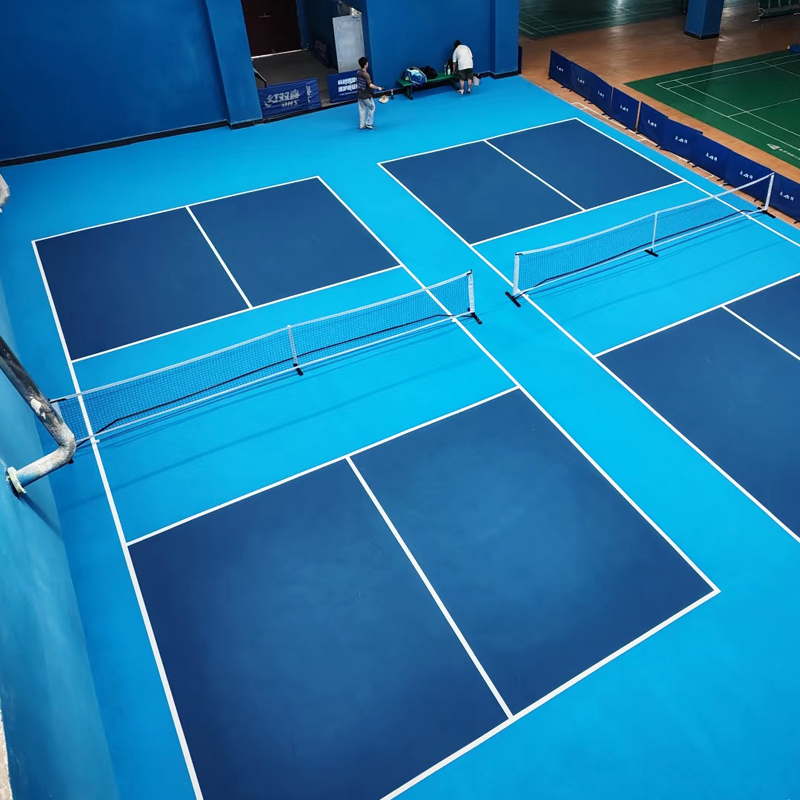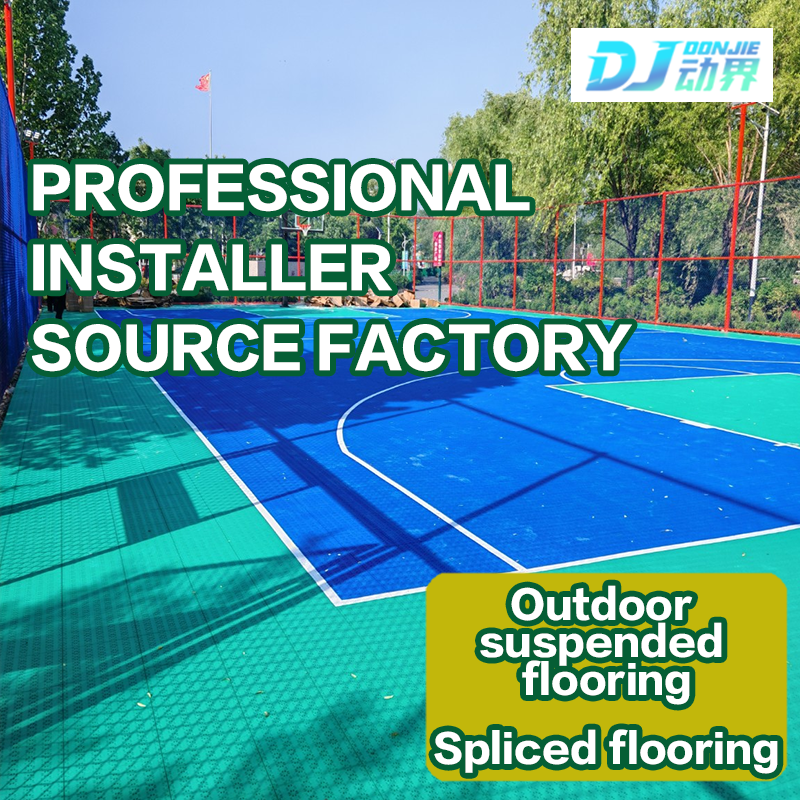
Outdoor basketball courts require the right flooring to ensure safety, enhance performance, and provide a long-lasting surface. Unlike indoor courts, outdoor flooring must withstand harsh weather conditions, heavy foot traffic, and the wear and tear of the elements. Whether you’re building a court for a public park, school, or residential backyard, choosing the right material is crucial. The best outdoor basketball flooring combines durability, traction, comfort, and ease of maintenance to support both recreational and competitive play.
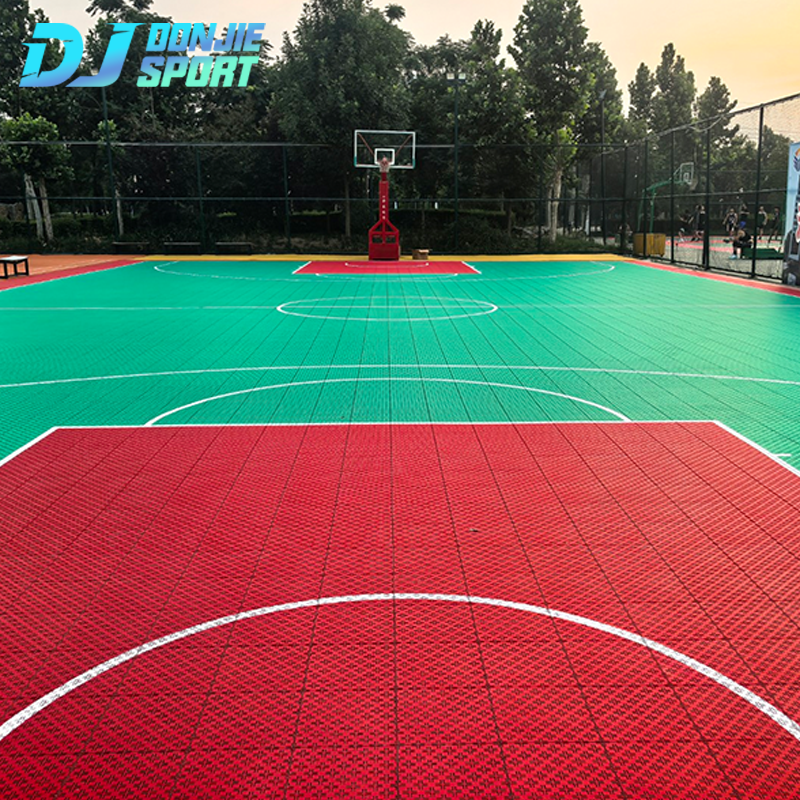
Key Features of the Best Outdoor Flooring for Basketball
1. Durability
One of the most important aspects to consider when choosing outdoor basketball flooring is durability. Outdoor courts are exposed to a wide range of weather conditions, including rain, UV rays, temperature fluctuations, and heavy foot traffic. A flooring material that can withstand these elements will not only last longer but also continue to perform effectively.
Materials like rubber and polyurethane are popular because they resist wear from UV rays and are tough enough to handle the elements. Moreover, weather-resistant coatings prevent water from penetrating and causing cracks or surface damage. When selecting the best outdoor flooring for basketball, ensure the material offers high resilience and can maintain its integrity for years, even in the harshest climates.
2. Traction and Grip
For player safety and performance, the traction and grip of outdoor basketball flooring are essential. A court surface that is too slick can increase the risk of slips, while a floor that is too rough can cause injuries. The best outdoor flooring options strike a balance by providing optimal grip without being too abrasive.
Interlocking tiles often feature textured surfaces or grooves designed to provide maximum traction, even in wet conditions. Rubber flooring typically offers excellent grip, while acrylic coatings on concrete can be treated with special textured finishes to enhance traction. Look for flooring materials that provide consistent grip in both dry and rainy weather for the best playing experience.
3. Shock Absorption and Comfort
The best outdoor basketball flooring also considers player comfort. Over time, constant jumping, pivoting, and running on hard surfaces can lead to joint pain and fatigue. Flooring that absorbs shock can reduce the impact on players’ knees, ankles, and hips, leading to a more comfortable game and less wear on the body.
Rubber flooring and some advanced polyurethane surfaces are particularly good at absorbing shock and providing cushion. This feature not only increases player comfort but can also help prevent injuries. When designing your court, it’s important to prioritize flooring that promotes long-term physical health for athletes of all levels.
4. Maintenance and Cleanliness
Maintaining outdoor basketball flooring is critical for ensuring the court remains in top condition throughout its lifespan. Some flooring materials, such as interlocking tiles, require minimal maintenance—simply sweeping and occasional rinsing will keep the surface clean. Other materials like acrylic coatings or polyurethane may need periodic re-coating to maintain their appearance and performance.
Rubber surfaces may require a bit more upkeep, as dirt and debris can accumulate in the grooves. Choose flooring that aligns with the level of maintenance you’re willing to perform. For those who prefer a low-maintenance solution, interlocking tiles or rubber flooring may be the best options.
5. Aesthetic Appeal
While performance and durability are paramount, the look of your basketball court also plays a significant role. A well-designed court can inspire players and enhance the overall atmosphere of the space. Flooring options come in a variety of colors, patterns, and designs, allowing you to create a visually appealing playing area that aligns with your vision.
Interlocking tiles are particularly versatile when it comes to design customization. You can choose from a variety of colors and even add logos or team names to personalize the court. Acrylic coatings offer a professional, smooth finish, while rubber floors can be color-customized to fit the style you want.
6. Weather Resistance
Outdoor basketball courts are, by nature, exposed to the elements, making weather resistance a key factor in the flooring decision. Flooring materials like rubber and certain polyurethane options are built to endure various weather conditions such as extreme heat, humidity, freezing temperatures, and direct sunlight.
Materials that aren’t weather-resistant may crack or degrade over time, especially when subjected to constant rain or intense sunlight. High-quality outdoor flooring materials will resist fading, warping, and cracking, ensuring that the court remains safe and functional for many years. When selecting flooring, make sure it is designed to withstand the specific climate of your location.
7. Cost-Effectiveness
The cost of outdoor basketball flooring can vary significantly based on the material chosen. While it’s tempting to go for cheaper options, the long-term value of your investment should be taken into account. Some materials might have a higher initial cost but offer greater durability and lower maintenance costs over time.
For example, interlocking tiles can have a higher upfront cost but are relatively low-maintenance and highly durable. Rubber flooring may come with a slightly higher installation cost but offers great shock absorption and weather resistance. It’s important to strike a balance between cost and performance, keeping in mind the long-term benefits and the lifespan of the material.
Types of Flooring for Outdoor Basketball Courts
Interlocking Tiles
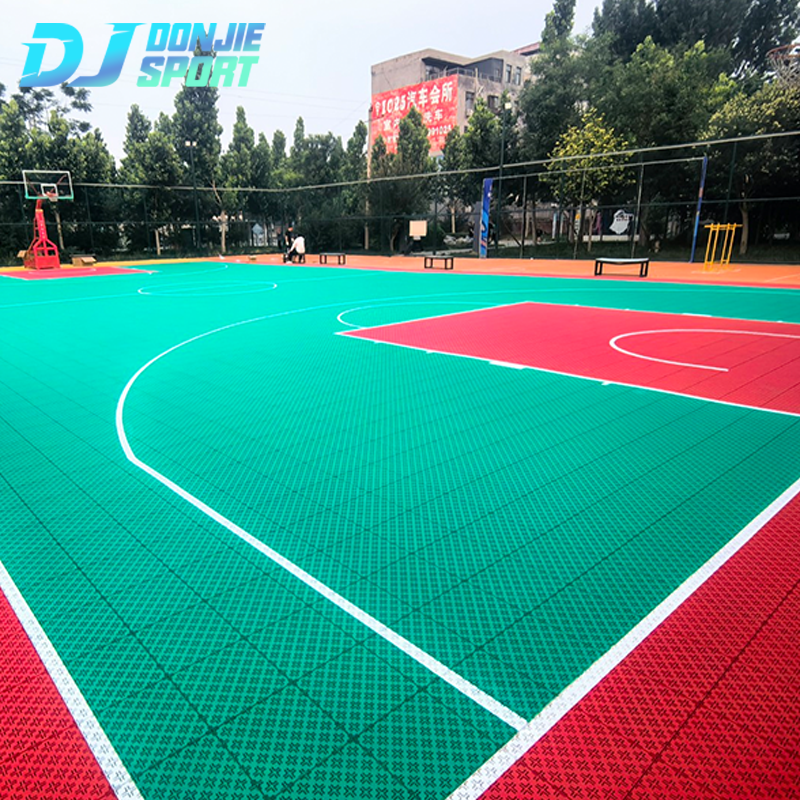
Interlocking tiles are an increasingly popular choice for outdoor basketball courts. These tiles are easy to install, customizable, and offer a high level of durability. They come in a variety of colors and designs, and many feature textured surfaces that provide excellent traction. One of the biggest advantages of interlocking tiles is their ease of maintenance—damaged tiles can be replaced individually, without the need for a complete overhaul of the surface.
Rubber Flooring
Rubber flooring is another excellent option for outdoor basketball courts. Known for its shock-absorbing properties, rubber provides a comfortable playing surface that helps reduce joint stress. It also performs well in outdoor conditions, resisting fading and weathering over time. While it can be more expensive than some other options, the long-term durability and safety it provides make it a solid choice for serious athletes.
Acrylic Coatings on Concrete
Acrylic coatings on concrete provide a smooth, professional surface that is common in many high-end basketball courts. These coatings are durable, weather-resistant, and can be applied in various colors and patterns. However, they may crack over time, especially in areas with extreme temperature fluctuations. While they are a solid choice for long-lasting courts, they require more maintenance compared to other options like rubber or interlocking tiles.
Polyurethane Flooring
Polyurethane flooring is ideal for creating a high-performance basketball court that offers exceptional durability, grip, and comfort. Though it comes with a higher price tag and professional installation costs, it’s one of the best options for competitive-level courts that require superior traction and shock absorption. Polyurethane is also resistant to UV damage and extreme weather conditions, ensuring the longevity of the court.
How to Choose the Best Outdoor Basketball Flooring for Your Court
When selecting the best outdoor basketball flooring, consider factors such as the frequency of use, environmental conditions, and the level of play. For recreational courts, cost-effective options like interlocking tiles or rubber flooring may be ideal. For professional or high-traffic courts, investing in polyurethane or acrylic coatings may offer the durability and performance needed for long-term use.
Think about the specific needs of your location—if you live in a humid climate, you may want to prioritize flooring that resists mold and mildew. If your court will be in a sunny region, UV-resistant materials are crucial to prevent fading and damage.
Conclusion
Choosing the best outdoor flooring for basketball is a decision that should consider both performance and durability. The ideal flooring should offer long-lasting resistance to weather, provide optimal traction for safety, and support player comfort with shock-absorbing properties. Whether you opt for interlocking tiles, rubber flooring, acrylic coatings, or polyurethane, it’s essential to choose a material that suits your budget, maintenance preference, and the specific needs of your court.