When it comes to designing or upgrading your sports hall, choosing the right flooring is a decision that will significantly impact both the performance of athletes and the longevity of your facility. The right flooring can enhance safety, prevent injuries, and ensure comfort for users, while the wrong choice may lead to excessive maintenance costs or uncomfortable playing conditions. In this guide, we’ll explore how to choose the best flooring for your sports hall by considering factors like sports type, durability, safety, maintenance, and sustainability.
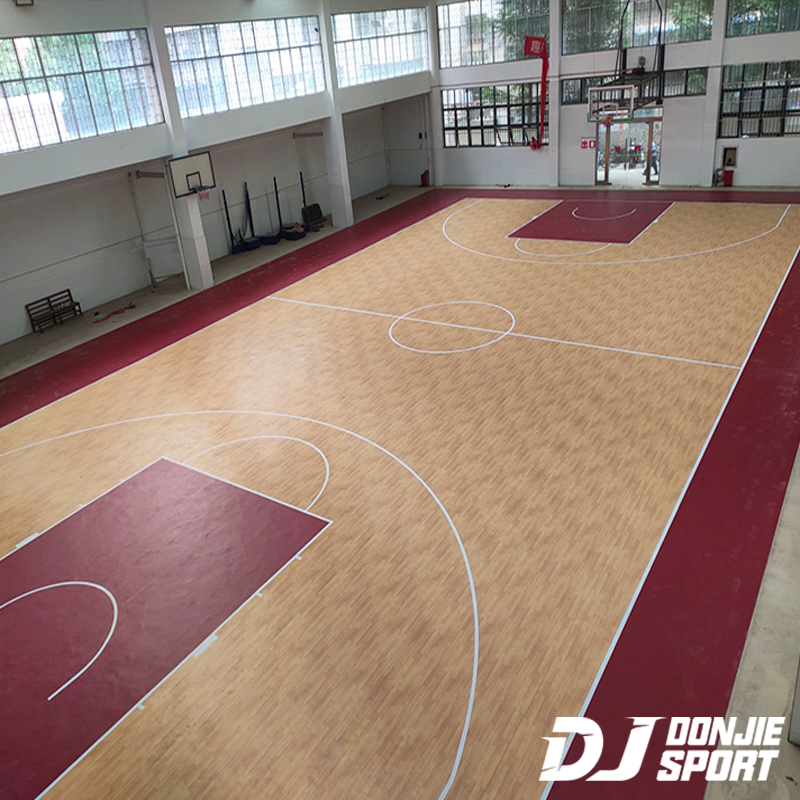
Factors to Consider When Choosing Sports Hall Flooring
Type of Sports Played
One of the first things to consider is the type of sports that will be played in your facility. Different sports have specific flooring needs that can affect player performance and safety.
-
Basketball and volleyball require floors that offer excellent traction and cushion to absorb the impact of jumps. A hard, non-slip surface is crucial to prevent slipping and reduce the risk of injury.
-
Badminton, table tennis, and indoor soccer demand smooth surfaces with less shock absorption. These sports require flooring that is not too soft, ensuring optimal speed and ball bounce.
The performance of athletes will be influenced by the flooring type, so make sure to choose a floor that aligns with the needs of your sports hall’s activities.
Durability and Longevity
Durability is a key consideration when choosing sports hall flooring. Sports venues experience high foot traffic, and the flooring must withstand constant wear and tear without losing its performance characteristics.
-
Wooden floors, while highly durable, can be susceptible to scratches and dents, especially if not maintained properly. However, high-quality wood sports flooring can last for decades with proper care.
-
PVC flooring is known for its superior durability and resistance to scuffs and scratches. It’s an excellent choice for high-traffic areas and requires minimal upkeep compared to traditional wooden floors.
-
Rubber flooring also provides long-lasting durability, ideal for high-impact sports and heavy use, offering excellent shock absorption.
Choose a material that matches the expected traffic and the intensity of the sports played to ensure a long-lasting investment.
Safety and Comfort
Safety should be your top priority when selecting sports hall flooring. Improper flooring can lead to slips, trips, and falls, which are significant concerns in athletic environments.
-
Anti-slip properties are essential for preventing injuries during fast-paced games. Flooring with good grip will reduce the likelihood of players slipping and potentially injuring themselves.
-
Cushioning is important for high-impact sports such as basketball and volleyball. Floors that offer adequate shock absorption can help reduce joint stress and injuries, providing a safer environment for athletes.
-
Comfort also plays a role, especially in facilities used for extended periods of time. Flooring that supports the body and reduces strain is crucial for player well-being.
Choosing a surface that balances comfort and safety will ensure a positive experience for everyone using the sports hall.
Maintenance and Care
Flooring that’s easy to maintain will save you time and money in the long run. Different materials have different maintenance needs, so it’s essential to choose one that aligns with your maintenance capabilities and budget.
-
Wood floors require regular sanding, polishing, and sealing to maintain their appearance and performance. They are also vulnerable to water damage, so it’s important to keep them dry and clean.
-
PVC sports flooring is relatively low-maintenance and easy to clean. It’s resistant to stains and dirt, and a simple mop and wipe will usually suffice.
-
Rubber flooring is also easy to maintain and can be cleaned with minimal effort. It is resistant to moisture and stains, making it ideal for gymnasiums or multipurpose sports halls.
Consider the level of effort you’re willing to invest in maintenance before selecting your flooring material.
Environmental and Sustainability Considerations
Sustainability is becoming an increasingly important factor in sports facility design. Many facilities now prefer flooring that has been manufactured using eco-friendly materials and processes.
-
PVC flooring is often produced with recyclable materials and can be recycled itself at the end of its life cycle. Many brands are now offering PVC flooring made from recycled content, reducing the environmental impact.
-
Wood flooring sourced from sustainable forests can also be an environmentally friendly option. Look for certifications such as FSC (Forest Stewardship Council) to ensure responsible sourcing.
-
Rubber flooring made from recycled rubber is a highly sustainable option, using materials that would otherwise end up in landfills.
Opting for environmentally conscious flooring not only helps preserve the planet but also reflects positively on your facility’s commitment to sustainability.
Types of Flooring for Sports Halls
Wood Sports Flooring
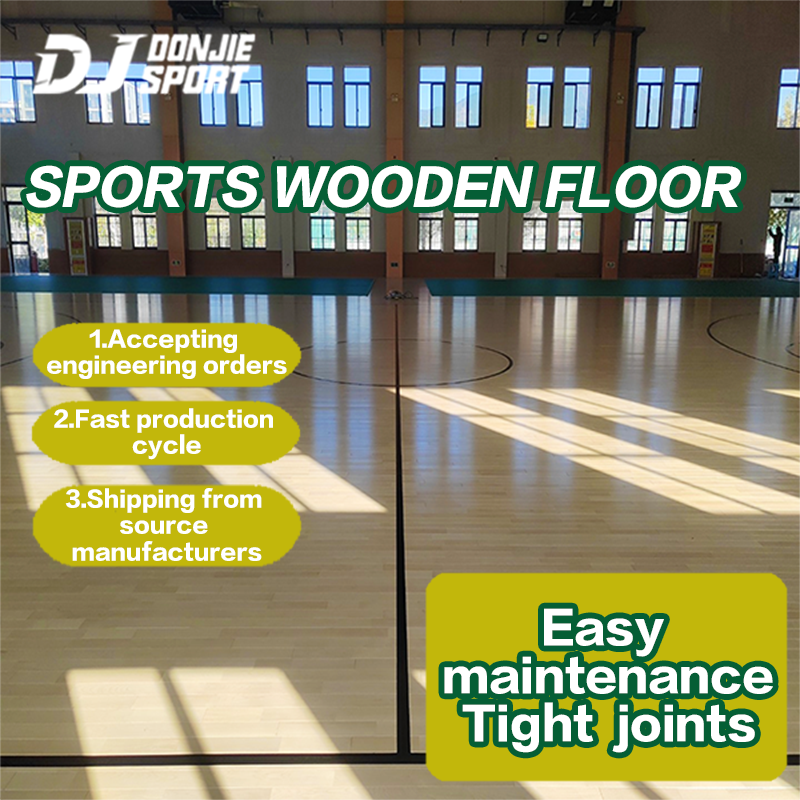
Wooden floors have been the traditional choice for sports halls for decades. They offer a classic, professional appearance that is suitable for high-performance sports like basketball, volleyball, and indoor tennis.
-
Advantages: Wood floors provide excellent shock absorption, making them ideal for high-impact sports. They also offer superb traction, helping athletes move quickly and safely.
-
Best For: Basketball, volleyball, badminton, and multi-purpose courts where performance and aesthetics are important.
However, wood floors require regular maintenance and are susceptible to scratches, dents, and moisture damage. They are also one of the more expensive options upfront.
PVC Sports Flooring
PVC sports flooring has gained popularity due to its durability, variety of colors, and ease of maintenance. It’s made from polyvinyl chloride, a synthetic material known for its resilience.
-
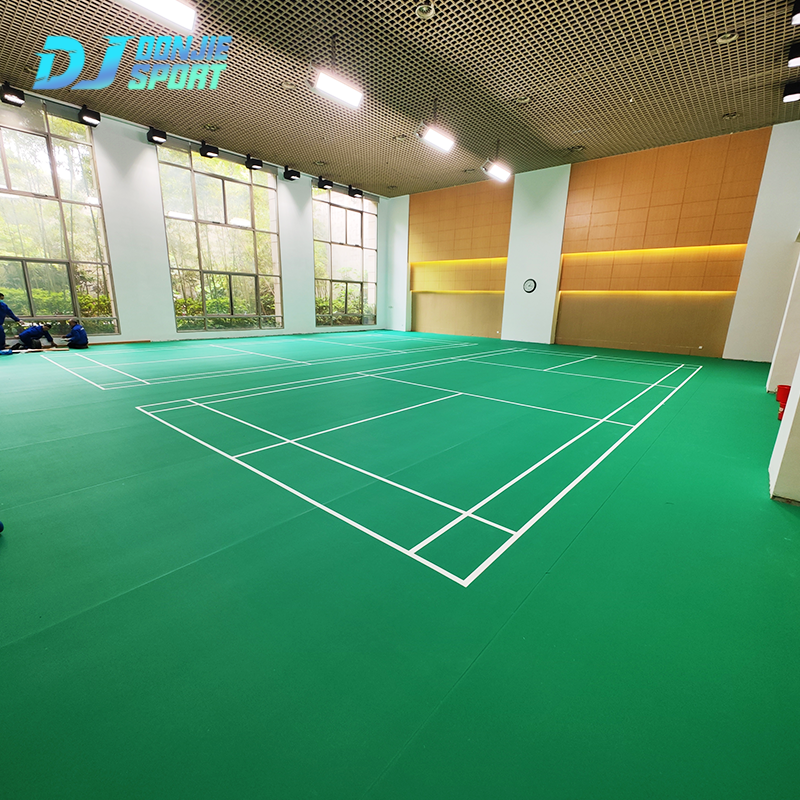
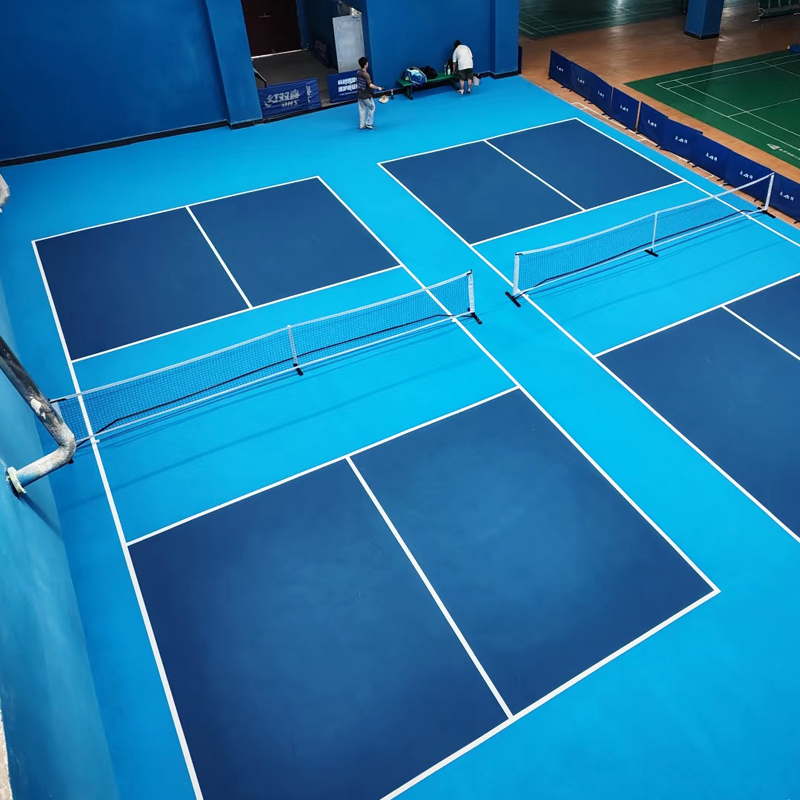
Advantages: PVC flooring is cost-effective, durable, and resistant to stains and scratches. It’s also available in a variety of designs and colors, which can enhance the aesthetic appeal of your facility.
-
Best For: Badminton, table tennis, and multi-purpose gyms.
This material offers a great balance of performance and ease of maintenance, making it ideal for busy sports halls.
Rubber Sports Flooring
Rubber floors are often used in high-impact sports and gymnasiums. They are made from natural or synthetic rubber and are known for their shock-absorbing properties.
-
Advantages: Rubber floors are extremely durable and provide excellent cushioning. They also have noise-dampening properties, making them ideal for gyms or fitness centers.
-
Best For: Weight rooms, gymnastics, and high-traffic areas where shock absorption is key.
Rubber flooring is low-maintenance and offers long-lasting durability but may not be the best choice for sports requiring high-speed movements.
Hybrid Flooring Options
Hybrid flooring combines multiple materials to provide the benefits of each. For example, some hybrid systems combine PVC with rubber or wood to create a flooring system that offers superior performance, durability, and comfort.
-
Advantages: Offers a customizable solution for sports halls that require a variety of performance features, such as traction, shock absorption, and durability.
-
Best For: Multi-purpose sports halls or venues that host a wide range of sports and events.

The Importance of Choosing the Right Flooring Material for Your Budget
Budget is always a consideration when selecting sports hall flooring. While some materials may come with a higher initial cost, they may save money in the long run through reduced maintenance and longer lifespan.
-
Wood floors tend to be the most expensive option, but their aesthetic appeal and performance make them an investment worth considering if your budget allows.
-
PVC and rubber floors offer a more affordable option and are often more cost-effective in terms of maintenance and longevity.
By balancing upfront costs with long-term maintenance expenses, you can choose flooring that aligns with your budget without sacrificing quality or performance.
How to Install Sports Hall Flooring
Proper installation is crucial to the performance and longevity of sports hall flooring. Whether you choose to install the flooring yourself or hire professionals, make sure to follow all installation guidelines carefully.
-
DIY vs. Professional Installation: While some flooring options like PVC may be suitable for DIY installation, wood and rubber flooring often require professional installation to ensure proper performance.
-
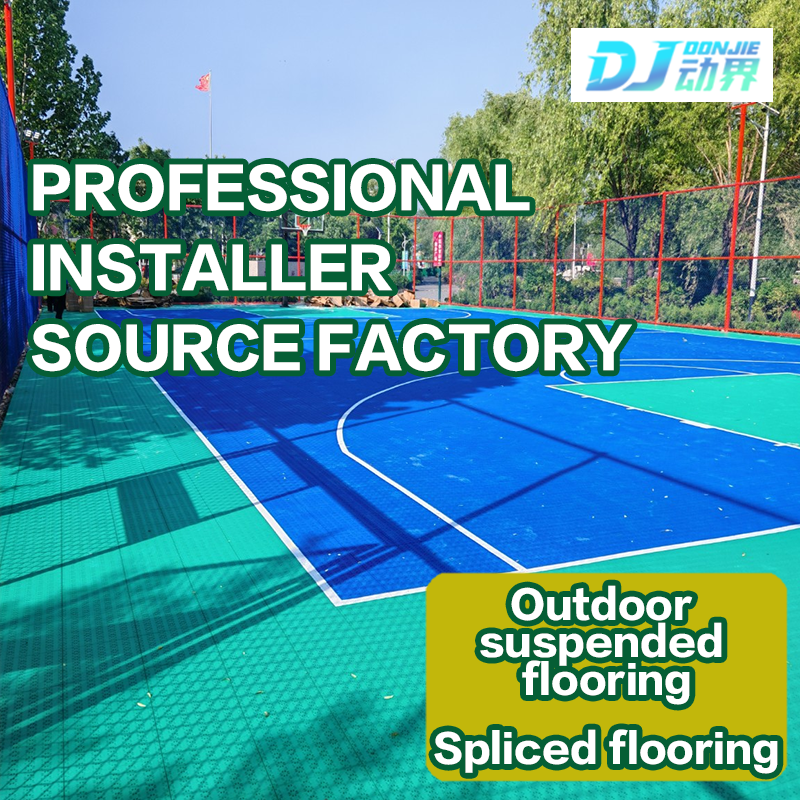
Installation Process: For wood floors, proper subfloor preparation and sealing are essential to prevent damage. PVC and rubber floors are usually easier to install, with interlocking tiles offering a quicker, more flexible solution.
Ensuring proper installation will help your flooring last longer and maintain its performance over time.
Conclusion
Choosing the best flooring for your sports hall is a critical decision that will impact your facility’s safety, aesthetics, and overall performance. Whether you opt for wood, PVC, rubber, or a hybrid option, make sure to consider the types of sports played, durability, safety, maintenance, and environmental factors. With the right flooring, your sports hall will provide a safe and comfortable environment for athletes for years to come.