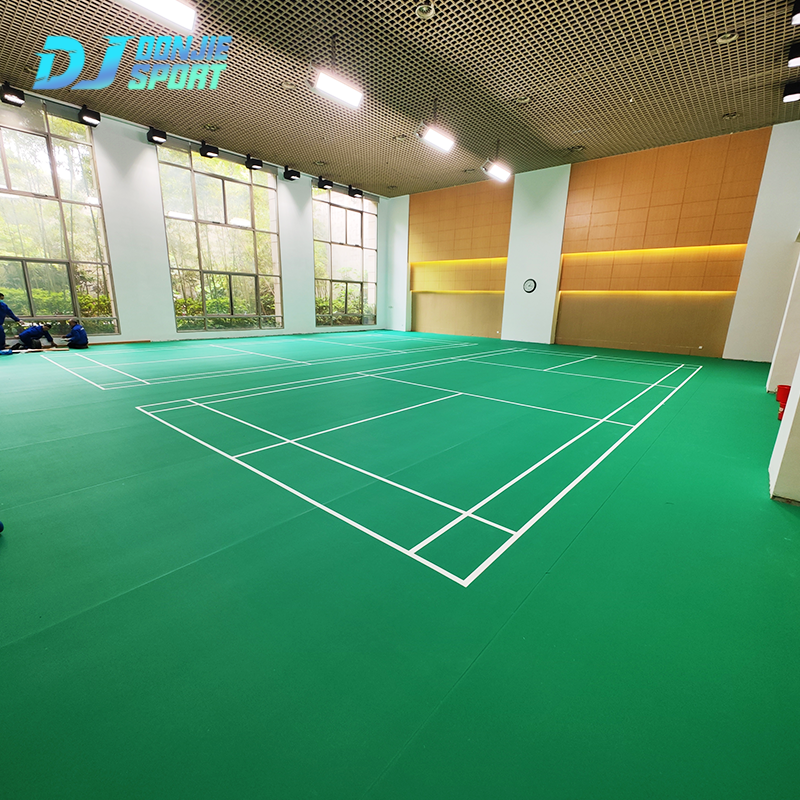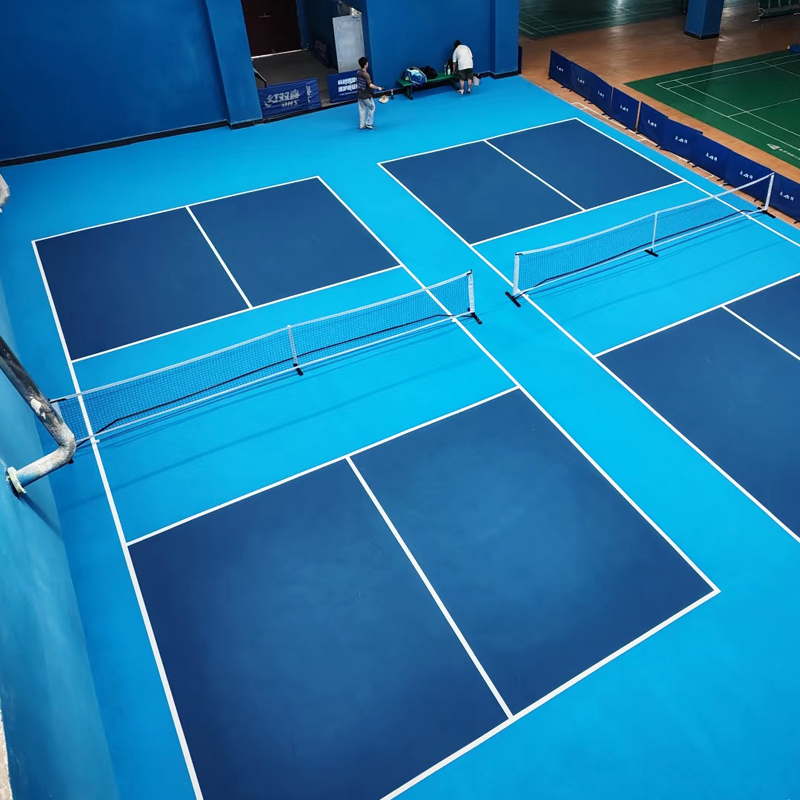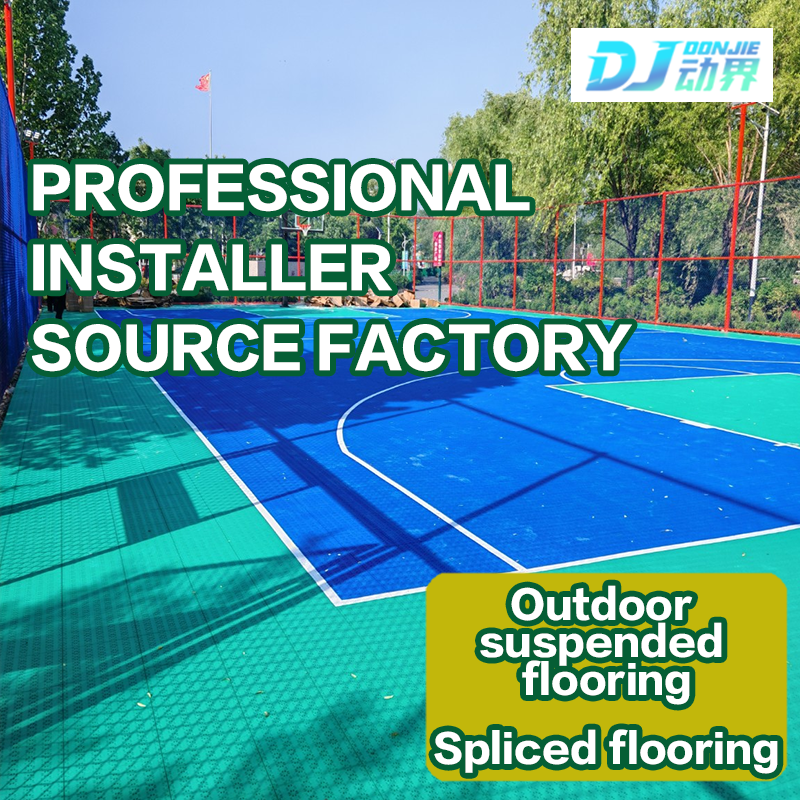
As sustainability continues to take center stage across various industries, the demand for eco-friendly products has also permeated the world of sports. Sports arenas, whether for basketball, volleyball, or badminton, require durable, high-performance flooring that can withstand heavy use. However, the impact of these materials on the environment has sparked growing concern. This is where PVC sport flooring enters the scene, offering an eco-friendly solution that doesn’t sacrifice performance for sustainability.
PVC sport flooring has become a game-changer in sports arenas, meeting the growing need for sustainable practices without compromising on the functionality that athletes and facility owners depend on. In this article, we’ll explore the eco-friendly revolution of PVC sport flooring and its role in making sports venues more sustainable.
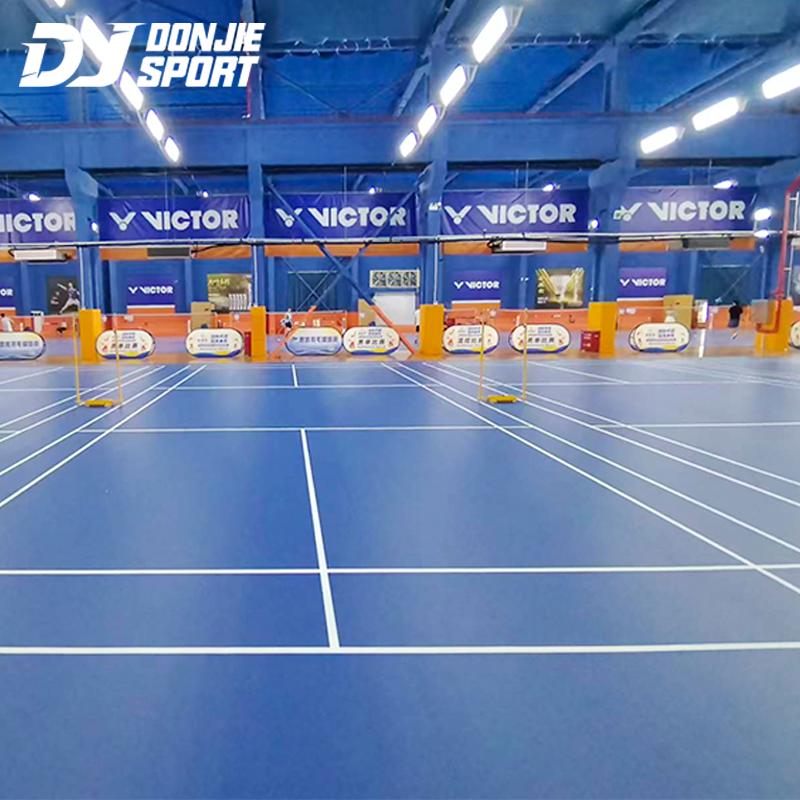
The Sustainability of PVC Sport Flooring
Materials and Manufacturing Process
PVC (Polyvinyl Chloride) is one of the most versatile and widely used plastics, and when it comes to sport flooring, it brings a host of eco-friendly benefits. The production of PVC flooring today involves advanced technology that minimizes harmful emissions and reduces the use of toxic chemicals. Many manufacturers use recycled materials in their PVC flooring products, which further lowers their environmental impact.
The durability and long lifespan of PVC flooring mean fewer replacements and repairs over time, contributing to a reduction in the demand for new raw materials and decreasing the overall environmental footprint of sports arenas.
Durability and Longevity
One of the standout features of PVC sport flooring is its exceptional durability. PVC is highly resistant to wear and tear, making it an ideal choice for sports arenas that experience high foot traffic and intense physical activity. The material’s ability to withstand constant use without showing significant signs of damage reduces the need for frequent replacement, a common issue with less durable flooring options.
This longevity ensures that PVC flooring lasts for many years, reducing the frequency of manufacturing new flooring materials and contributing to less waste. The longer lifespan of PVC flooring means that fewer resources are consumed in the long run, helping sports venues become more sustainable and reducing their environmental footprint.
PVC Sport Flooring and Waste Reduction
Recycling Initiatives
One of the most significant advantages of PVC sport flooring is its recyclability. At the end of its life cycle, PVC flooring can be repurposed and recycled into new products, preventing it from ending up in landfills. Several manufacturers now offer take-back programs to help ensure that PVC flooring is properly recycled and reused in new construction projects.
The ability to recycle PVC flooring not only reduces waste but also minimizes the need for new raw materials, further contributing to the circular economy. This makes PVC sport flooring a key player in the move toward a more sustainable, closed-loop manufacturing process.
Reducing Carbon Footprint
By opting for PVC sport flooring, sports facilities can significantly reduce their carbon footprint. The manufacturing process of PVC has improved dramatically over the years, with advancements in energy efficiency and emissions reduction. Additionally, since PVC flooring lasts much longer than alternatives like hardwood or rubber, it means fewer replacements and less frequent transportation, both of which contribute to a reduction in carbon emissions.
Furthermore, because PVC sport flooring is often made from recycled materials, the overall energy consumption during production is lower, helping sports venues lower their carbon impact and become more eco-conscious.
Health and Safety Benefits
Non-toxic Materials
In addition to its environmental benefits, PVC sport flooring is also safer for athletes and the surrounding environment. High-quality PVC flooring is manufactured with non-toxic, low-VOC (volatile organic compound) materials, ensuring that it does not release harmful chemicals into the air. This is particularly important in indoor sports arenas, where air quality is crucial for the health and well-being of athletes, coaches, and spectators.
With PVC flooring, facility owners can provide a safer environment for athletes to train and compete, without worrying about harmful substances that could affect performance or health.
Improved Air Quality
By using PVC flooring that is low in emissions and made from non-toxic materials, sports arenas can contribute to better air quality in enclosed spaces. This is a critical factor, as poor indoor air quality can lead to respiratory issues and negatively impact the performance of athletes. PVC sport flooring, being an inert and stable material, does not release harmful fumes or chemicals, creating a cleaner and healthier environment for all who use the space.
PVC Sport Flooring in Green Building Certifications
LEED Certification
Many sports arenas and venues are now seeking LEED (Leadership in Energy and Environmental Design) certification, a prestigious rating system for sustainable building practices. PVC sport flooring plays a key role in helping sports facilities achieve LEED certification by contributing to various sustainability points, such as indoor air quality, waste reduction, and the use of sustainable materials.
PVC flooring’s durability, recyclability, and low environmental impact make it an ideal choice for sports venues aiming to meet green building standards and achieve LEED certification. As more sports arenas embrace eco-friendly flooring, PVC is quickly becoming a preferred choice for venues looking to enhance their sustainability credentials.
Global Standards
As the world moves toward greater environmental responsibility, global standards for green building practices continue to evolve. PVC sport flooring is gaining recognition not only in the U.S. but also across Europe, Asia, and beyond. In countries like China, the demand for sustainable building materials, including PVC flooring, is growing rapidly as part of a broader push toward eco-conscious infrastructure.
By adopting PVC sport flooring, sports arenas can contribute to global sustainability efforts, helping reduce the environmental impact of large-scale sports venues worldwide.
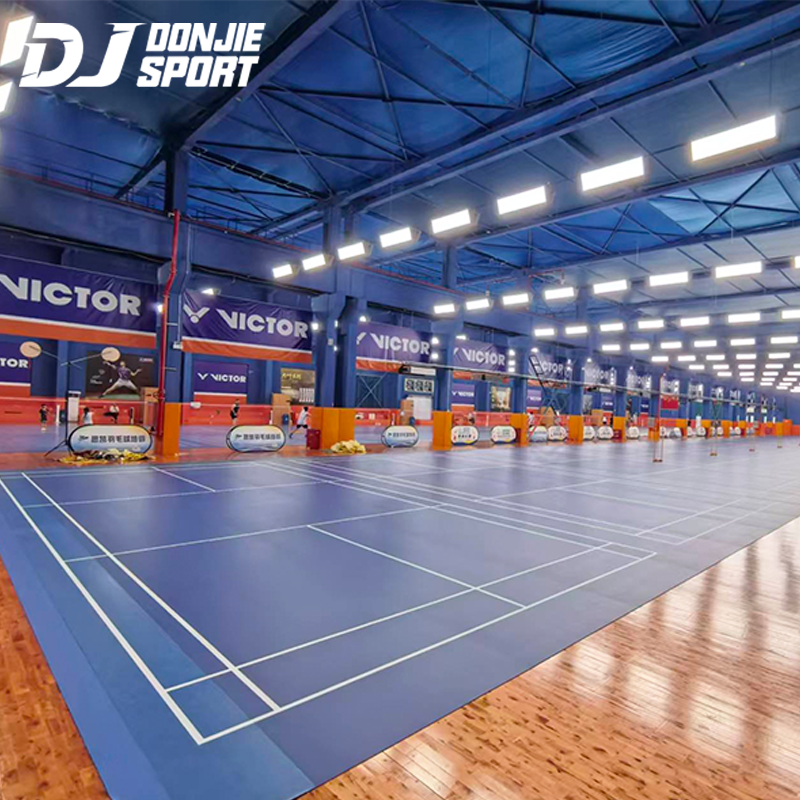
Cost-Effectiveness and Environmental Impact
Affordable Sustainability
One of the common misconceptions about eco-friendly products is that they come at a premium price. However, PVC sport flooring is a cost-effective option for sports arenas looking to go green without breaking the bank. Compared to other materials like hardwood or rubber, PVC flooring is often more affordable to install and maintain, making it an attractive option for facility owners on a budget.
In the long run, the cost-effectiveness of PVC flooring extends beyond the initial installation. Its durability means that sports venues will save money on repairs and replacements, while its low maintenance needs ensure that ongoing costs are kept to a minimum. All of this makes PVC sport flooring a financially viable option for eco-conscious sports arenas.
Long-Term Investment
Investing in PVC sport flooring is a long-term commitment to sustainability. While the upfront cost may be slightly higher than traditional flooring options, the longevity and durability of PVC flooring make it a smart investment over time. Fewer replacements, reduced maintenance costs, and improved energy efficiency all contribute to the long-term value of PVC flooring.
By choosing PVC sport flooring, sports venues can make a significant environmental impact without compromising on performance or aesthetics. Over the years, the savings on maintenance and replacements will far outweigh the initial cost, making PVC a wise choice for sustainable flooring.
The Future of Eco-Friendly Flooring in Sports Arenas
The shift toward eco-friendly materials in sports arenas is not just a passing trend—it’s a necessary evolution for the future of sports infrastructure. PVC sport flooring is at the forefront of this revolution, offering a sustainable, durable, and cost-effective solution for sports facilities looking to reduce their environmental impact.
As more sports arenas and venues adopt PVC sport flooring, we are likely to see a continued transformation in how sports facilities are designed, built, and maintained. By choosing PVC flooring, sports venues not only contribute to a healthier planet but also create a safer, more sustainable environment for athletes and spectators alike.
By embracing the eco-friendly revolution of PVC sport flooring, sports arenas can play an important role in the global effort to reduce waste, improve sustainability, and promote healthier, more efficient sports infrastructure.