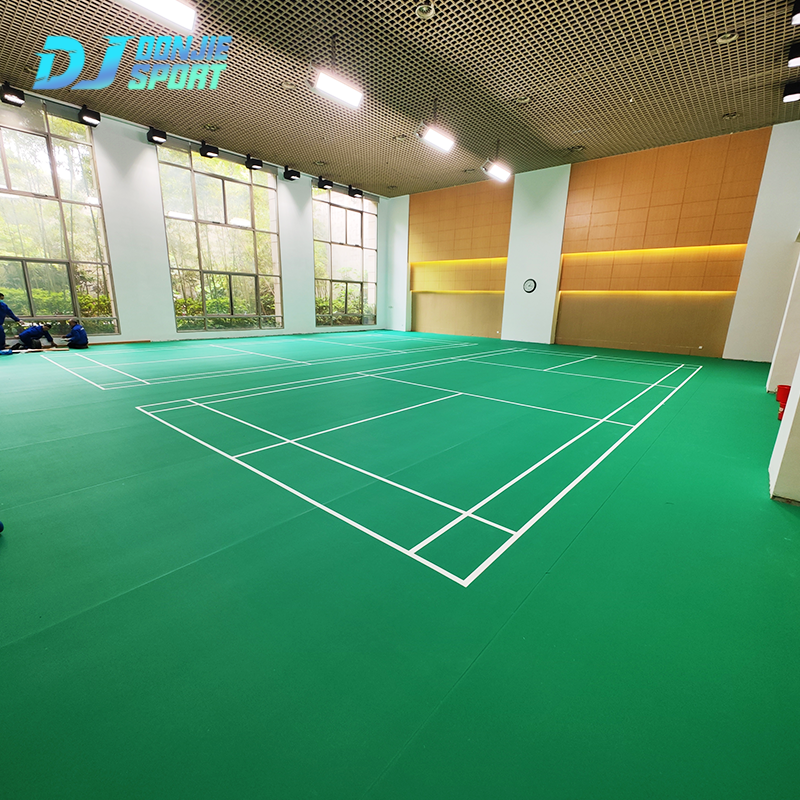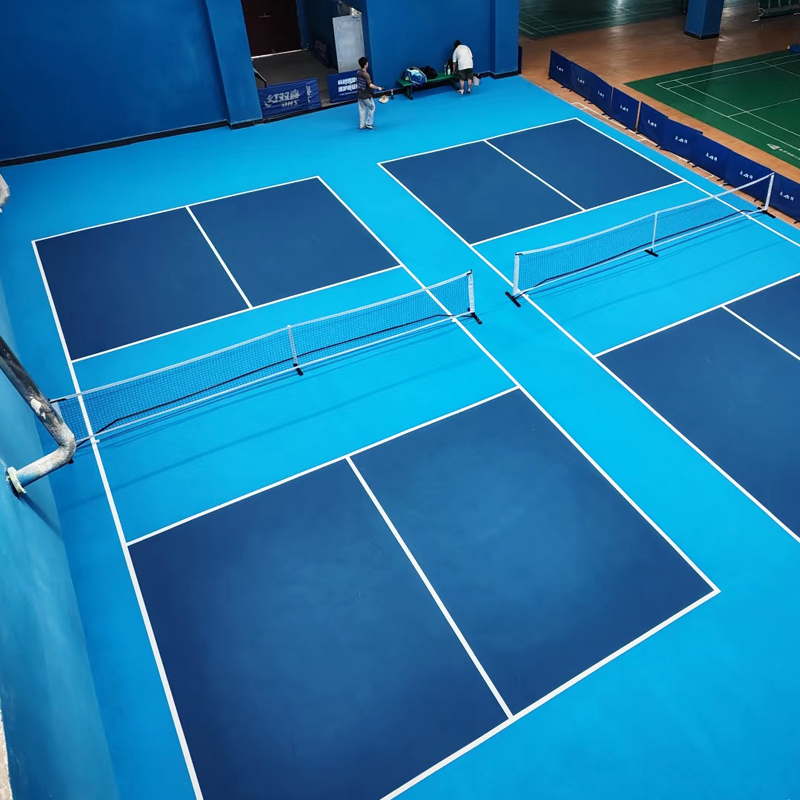
Badminton courts require flooring that not only provides a great playing experience but also meets sustainability goals in today’s environmentally conscious world. While many flooring options exist, synthetic flooring for badminton courts has emerged as a top choice for both performance and eco-friendliness. With growing awareness about the environmental impact of construction and maintenance materials, synthetic flooring offers a more sustainable alternative compared to traditional materials.
In this blog, we’ll explore the environmental benefits of synthetic flooring for badminton courts, focusing on how these materials help reduce waste, conserve resources, and contribute to healthier indoor environments. Let’s dive deeper into how these flooring systems are changing the game for sports venues worldwide.
The Eco-Friendly Nature of Synthetic Flooring Materials
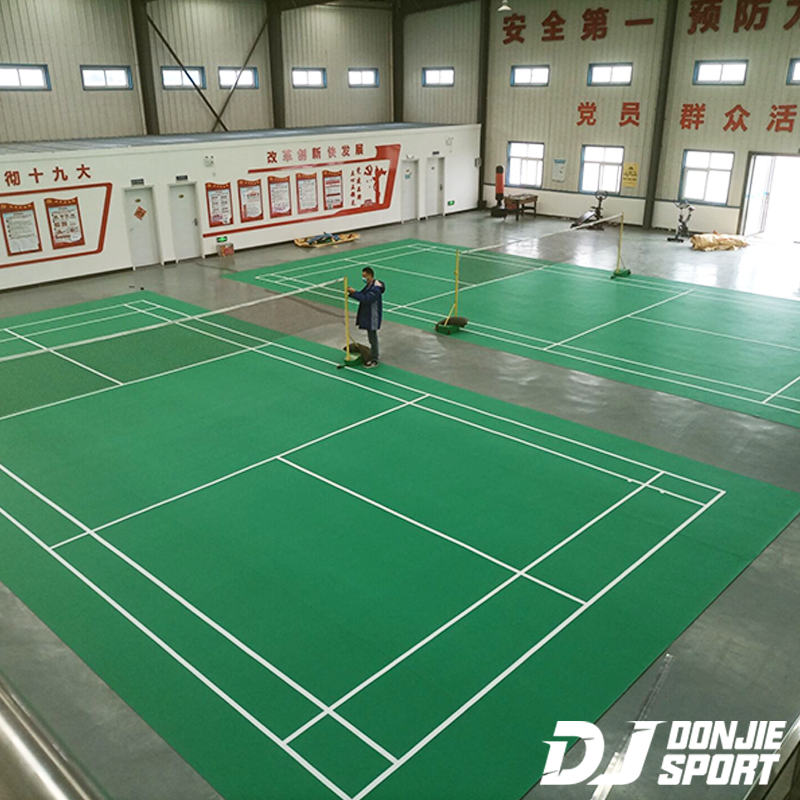
When choosing flooring for badminton courts, the material used plays a significant role in the overall environmental impact. Synthetic flooring, made from materials like PVC, rubber, and modular interlocking tiles, stands out for its eco-friendly properties. Unlike traditional wood or concrete flooring, synthetic materials are designed with sustainability in mind, offering numerous environmental advantages.
PVC flooring, for example, is widely used due to its durability and low environmental footprint. Modern PVC manufacturing processes have become more energy-efficient, reducing greenhouse gas emissions during production. Similarly, rubber flooring, often sourced from recycled rubber tires, ensures that valuable materials are reused, contributing to a circular economy.
Moreover, the interlocking tile system offers flexibility, reducing the need for adhesives and chemicals during installation. This system also minimizes waste, as individual tiles can be replaced as needed, instead of requiring a full-floor replacement, which is common with other materials.
Durability and Longevity: Reducing Waste
One of the most significant environmental benefits of synthetic flooring is its durability. Synthetic materials are designed to withstand heavy use, which makes them an ideal choice for badminton courts. Unlike wood or other traditional flooring types that may degrade over time, synthetic flooring can last for many years without requiring replacement.
This extended lifespan means that synthetic flooring helps reduce waste and minimizes the environmental burden associated with frequent flooring replacements. The long-lasting nature of synthetic materials means fewer resources are consumed, fewer products are disposed of, and fewer chemicals are used in the production of replacement materials. This directly contributes to a reduction in landfill waste, an important aspect of sustainability.
For facilities that prioritize sustainability, synthetic flooring is a smart investment that balances both performance and environmental goals.
Low Maintenance Requirements
Maintaining a badminton court’s flooring is another important aspect of its environmental impact. Synthetic flooring systems require far less maintenance compared to traditional wood or concrete courts. For example, wood courts often require frequent sanding, refinishing, and the use of chemical-based cleaners to keep them in top condition. In contrast, synthetic flooring typically requires simple sweeping or occasional mopping.
This low-maintenance nature not only saves time and money but also reduces the overall environmental footprint. There’s less need for harsh cleaning chemicals, which often contain harmful volatile organic compounds (VOCs) that can contribute to poor indoor air quality. Additionally, water consumption is significantly reduced since synthetic flooring does not need to be periodically refinished with water-based solutions.
By reducing the need for chemical cleaners and water, synthetic flooring helps facilities conserve resources and promote a cleaner, healthier environment for players and spectators alike.
Recycling and Reusability of Synthetic Flooring
Another significant environmental benefit of synthetic flooring for badminton courts is the potential for recycling and reuse. Many synthetic flooring options are made from recyclable materials, such as PVC and rubber, which can be repurposed once their useful life has ended. For example, worn-out synthetic tiles can often be recycled into new flooring products or used for other applications, keeping valuable resources out of landfills.
Additionally, modular interlocking tile systems make it easy to replace damaged sections of flooring without replacing the entire court. This reusability further reduces waste and supports a more sustainable approach to sports facility management. The ability to reuse and recycle flooring materials aligns perfectly with the principles of a circular economy, where products are designed to be used, repurposed, and recycled.
Manufacturers are also increasingly implementing take-back programs, where used flooring can be returned and recycled into new products, further closing the loop in the product lifecycle.
Healthier Indoor Air Quality
Synthetic flooring doesn’t just benefit the environment; it also supports healthier indoor environments, which is crucial for both athletes and spectators. Traditional flooring materials, such as wood and certain adhesives, can emit harmful fumes or VOCs that affect air quality. In contrast, many synthetic flooring options are designed to be low-emitting, ensuring that the indoor air remains clean and safe.
This is especially important in indoor sports environments, where ventilation may not always be ideal. By opting for synthetic flooring with low emissions, sports facility owners can help reduce the risk of respiratory issues among players and visitors. Moreover, the lack of harsh chemical treatments needed for maintenance further contributes to a healthier indoor environment.
Contribution to Sustainable Sports Venues
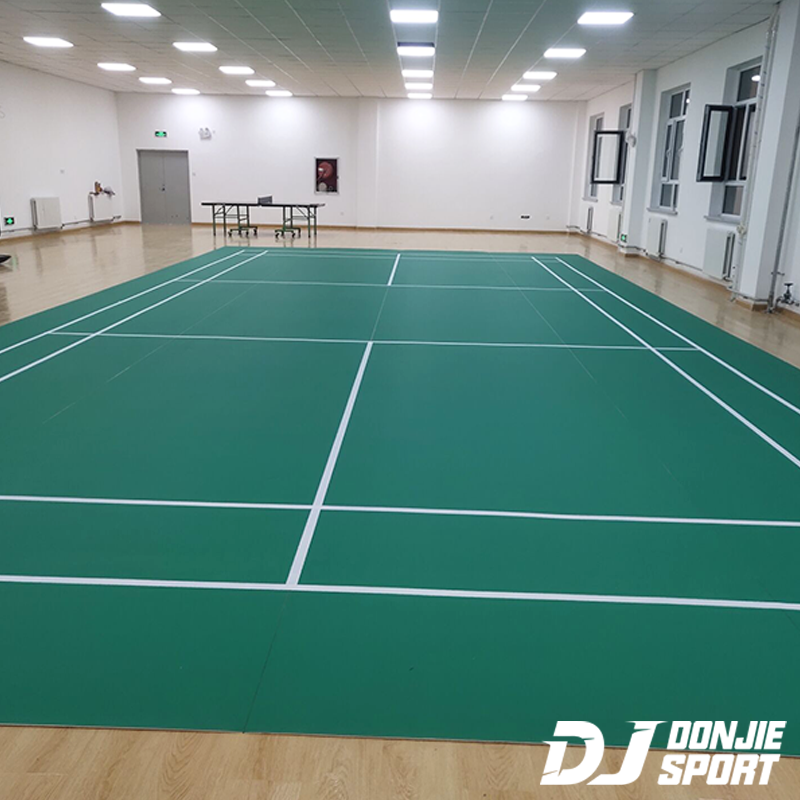
Incorporating synthetic flooring into badminton courts is not only about individual court performance; it also contributes to the overall sustainability of sports venues. Many sports facilities are now aiming to achieve green certifications such as LEED (Leadership in Energy and Environmental Design). Synthetic flooring plays a key role in meeting the sustainability criteria for these certifications, helping venues reduce their carbon footprint and environmental impact.
Using eco-friendly flooring materials is an excellent step toward creating a more sustainable sports venue. Whether it’s a local gym or a professional badminton arena, the benefits of synthetic flooring extend far beyond the court itself. By integrating green materials into the design and construction of sports venues, we can help create facilities that prioritize environmental responsibility while enhancing the sports experience.
Conclusion
Synthetic flooring for badminton courts offers numerous environmental benefits, making it a smart choice for sports facilities looking to reduce their environmental impact. From its eco-friendly materials to its durability, low maintenance, recyclability, and ability to improve indoor air quality, synthetic flooring is an essential component in the design of sustainable sports venues. By choosing synthetic flooring, facility managers can help promote sustainability while providing athletes with high-performance, safe, and comfortable courts.