When it comes to building or renovating a basketball court, choosing the right flooring is critical for ensuring both safety and performance. Among the most popular choices today are basketball court tiles, which have grown in popularity for their combination of durability, affordability, and ease of maintenance. But why exactly should basketball court tiles matter to you, whether you’re building a recreational facility or a professional-grade arena?
In this guide, we’ll explore everything you need to know about basketball court tiles—from what they are, to how to choose the best ones for your facility, to maintaining them for years of top-notch play. By the end of this article, you’ll have the knowledge to make an informed decision, ensuring your court not only looks good but also provides the best surface for the players.
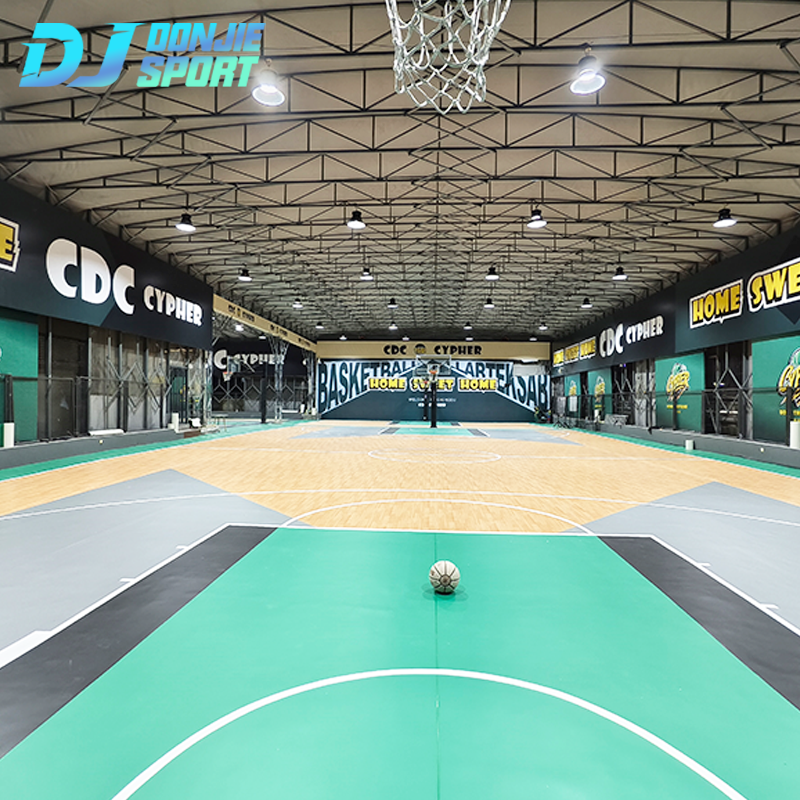
What Are Basketball Court Tiles?
Basketball court tiles are specialized flooring options designed specifically for basketball courts. These tiles are made from various materials, including PVC, rubber, and other composite materials, ensuring they meet the specific requirements of a sports surface. They are designed to withstand the heavy foot traffic and high-impact movements associated with basketball games.
Composition and Materials Used
Most basketball court tiles are made from interlocking PVC or polypropylene, which are durable and resistant to wear. Some options even include rubberized surfaces, offering enhanced grip and cushioning. Each material comes with its own set of benefits:
-
PVC Tiles: These tiles are lightweight, easy to install, and provide a smooth playing surface. They are often used for indoor courts and offer a comfortable bounce for the ball.
-
Rubber Tiles: Known for their shock absorption qualities, rubber tiles are ideal for reducing the risk of injury and providing a softer feel during intense games.
-
Composite Tiles: A combination of materials that offers enhanced durability, traction, and flexibility, making them suitable for both indoor and outdoor courts.
Popular Tile Options
When selecting basketball court tiles, you may come across a few notable types that are widely used in sports facilities:
-
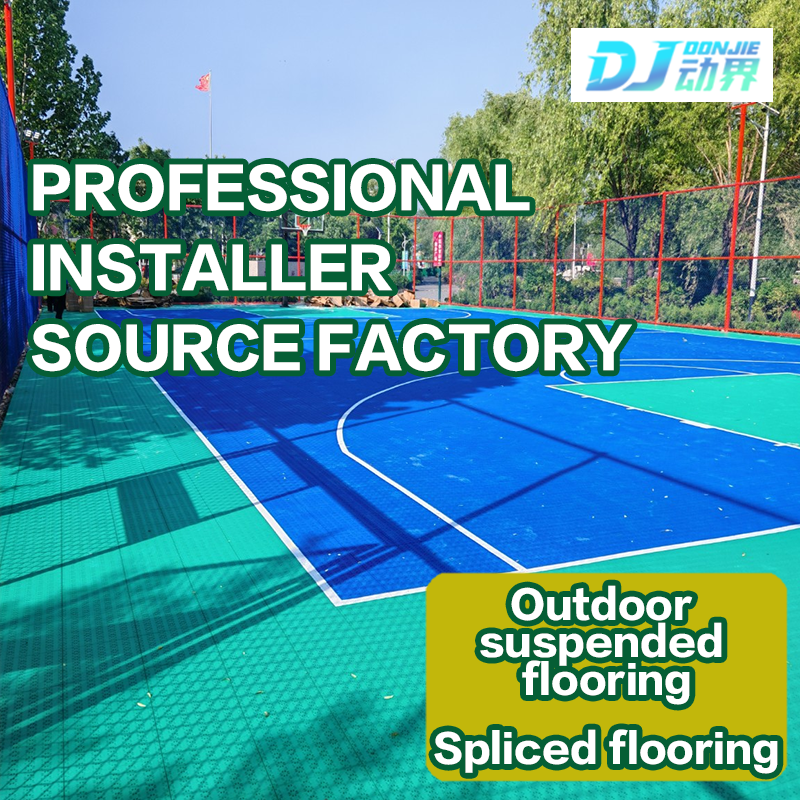
Interlocking Tiles: These tiles fit together like puzzle pieces, making installation straightforward and quick.
-
Modular Tiles: These offer more customization in design, allowing facilities to choose from different colors and patterns.
-
Solid Tiles: These are single, large tiles that need to be installed together but offer a seamless surface ideal for high-performance play.
Key Advantages of Basketball Court Tiles
Basketball court tiles offer several significant advantages over traditional hardwood or concrete floors, making them an attractive choice for a wide range of facilities.
Durability and Longevity
One of the primary benefits of basketball court tiles is their durability. Unlike hardwood, which can wear down over time and require refinishing, tiles are incredibly resistant to the stress and impact of constant foot traffic and heavy sports activity. They are also more resistant to moisture, which is especially important in outdoor courts.
Safety and Player Performance
Basketball tiles are engineered to provide optimal traction, reducing the likelihood of slips and falls during play. They also offer cushioned support, which helps minimize injuries caused by repetitive jumping and quick lateral movements. This is particularly crucial for high-impact sports like basketball, where player safety is a top priority.
Easy Maintenance and Cleaning
Maintaining basketball court tiles is simpler than caring for traditional hardwood floors. The tiles can be easily cleaned with a mop or pressure washer, and since they’re typically resistant to stains, they won’t require frequent reconditioning. Additionally, individual tiles can be replaced if damaged, saving you the cost and effort of refinishing an entire court.
Cost-Effectiveness
When considering the long-term costs, basketball court tiles can be more cost-effective than other flooring options. While the initial investment might be higher, the low maintenance requirements and long lifespan make them a smart financial choice over time.
How to Choose the Best Basketball Court Tiles for Your Facility
Selecting the right basketball court tiles for your facility involves several considerations. Here’s a breakdown of the most important factors to keep in mind when making your choice:
1. Court Size, Location, and Usage Frequency
The first thing to consider is the size and location of your court. Larger courts or those exposed to extreme weather conditions might require more durable and weather-resistant tiles. If your court is located outdoors, ensure the tiles you choose are designed to handle the elements.
2. Material Selection: Indoor vs. Outdoor
For indoor courts, PVC or rubber tiles are often the best options, providing the necessary grip and bounce for basketball games. Outdoor courts, however, need tiles that can withstand sun, rain, and temperature fluctuations. Polypropylene tiles or rubberized options are ideal for these conditions.
3. Surface Texture and Grip
A tile’s surface texture plays a significant role in player performance and safety. Tiles with a smooth finish are better for indoor courts, where less friction is needed. For outdoor courts, a slightly textured surface is ideal for providing more grip.
4. Cost and Installation
Prices can vary depending on the material and quality of the tiles. While higher-end options may offer more durability, it’s essential to balance your budget with your specific needs. Consider both the initial cost of the tiles and the potential installation cost, which can differ depending on whether you hire professionals or go the DIY route.
Installation of Basketball Court Tiles: A Step-by-Step Guide
Step 1: Preparing the Surface
Before laying down the tiles, the surface must be level and clean. This is essential for ensuring that the tiles fit correctly and stay in place over time. If you’re installing tiles outdoors, you may need to prepare the ground with a base layer of gravel or sand to help with drainage and stability.
Step 2: Laying Out the Tiles
Start by laying the tiles at the center of the court and work outward. This ensures a uniform pattern and minimizes the risk of misalignment. For interlocking tiles, simply snap them into place; for modular tiles, align them carefully to ensure an even layout.
Step 3: Professional vs. DIY Installation
If you’re not comfortable with installation, it’s always best to hire a professional. While DIY installation can be cost-effective, improper installation could lead to misalignment or tiles that shift over time.
Step 4: Finalizing the Installation
Once all the tiles are laid, check the court for any gaps or unevenness. It’s important to make sure that the tiles are tightly locked together to prevent movement during play.
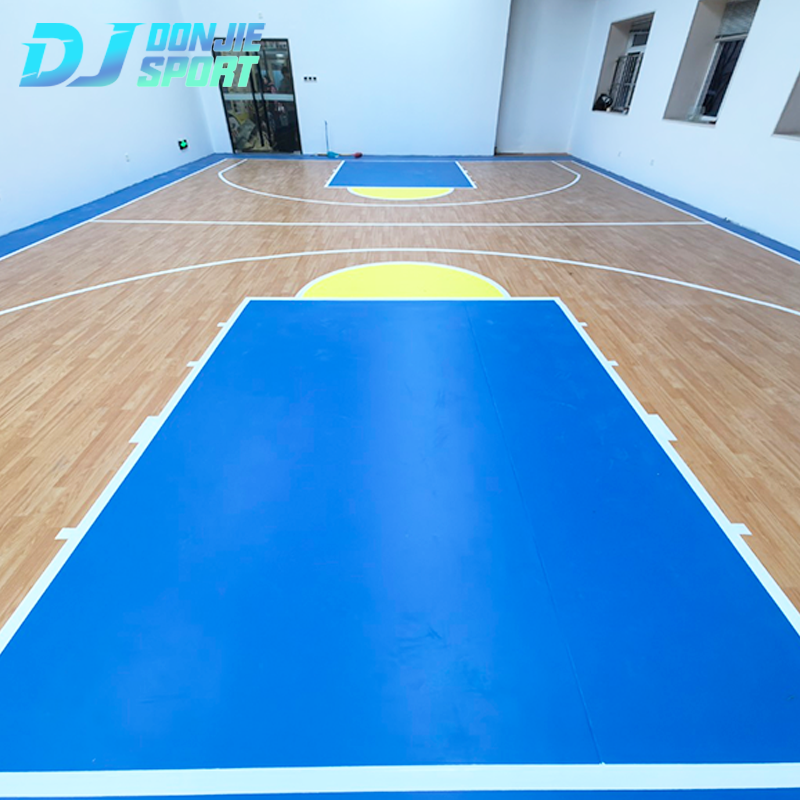
Maintenance and Care for Basketball Court Tiles
Cleaning Practices
To keep your basketball court tiles in top condition, it’s essential to regularly clean them. Sweep or vacuum debris off the surface to prevent dirt from accumulating. For a deeper clean, use a mop and a mild floor cleaner, or pressure wash the tiles for an outdoor court.
Handling Wear and Tear
Over time, your tiles may experience some wear, particularly in high-traffic areas. Inspect the surface regularly and replace any damaged tiles promptly to maintain the court’s integrity.
Protecting Tiles from Damage
Consider using protective mats or covers during times when the court is not in use. This will shield the tiles from unnecessary wear, especially if you have an outdoor court exposed to the elements.
The Future of Basketball Court Tiles: Trends and Innovations
As technology continues to advance, so do the materials and design options for basketball court tiles. New innovations focus on making tiles more durable, eco-friendly, and performance-enhancing.
Eco-Friendly Options
More manufacturers are producing sustainable tiles made from recycled materials. These options are not only better for the environment but can also provide excellent performance.
Smart Court Technologies
Some companies are exploring the integration of smart technology into basketball court tiles. These tiles could have sensors embedded in them to track performance metrics like player movements or even the ball’s bounce, offering new insights into gameplay.
Is Basketball Court Tile Flooring Right for You?
Choosing the right basketball court tiles depends on your specific needs and the type of facility you’re working with. Whether you’re installing a court for professional use or a community center, basketball court tiles offer a durable, safe, and cost-effective flooring solution. By considering the factors outlined in this guide—such as material choice, installation options, and maintenance requirements—you can ensure that your facility has the best possible flooring for both player safety and performance.