Basketball is a dynamic sport that demands high performance, and a significant factor in ensuring this is the quality of the basketball court flooring. Over the decades, basketball court flooring has evolved dramatically, moving from traditional hardwood to innovative modern materials. This transformation reflects the growth of the sport itself, as advancements in flooring technology have played a pivotal role in improving player safety, enhancing game performance, and reducing maintenance costs. In this article, we’ll take a journey through the history of basketball court flooring, explore the rise of synthetic materials, and look at how modern innovations are reshaping the future of basketball courts.
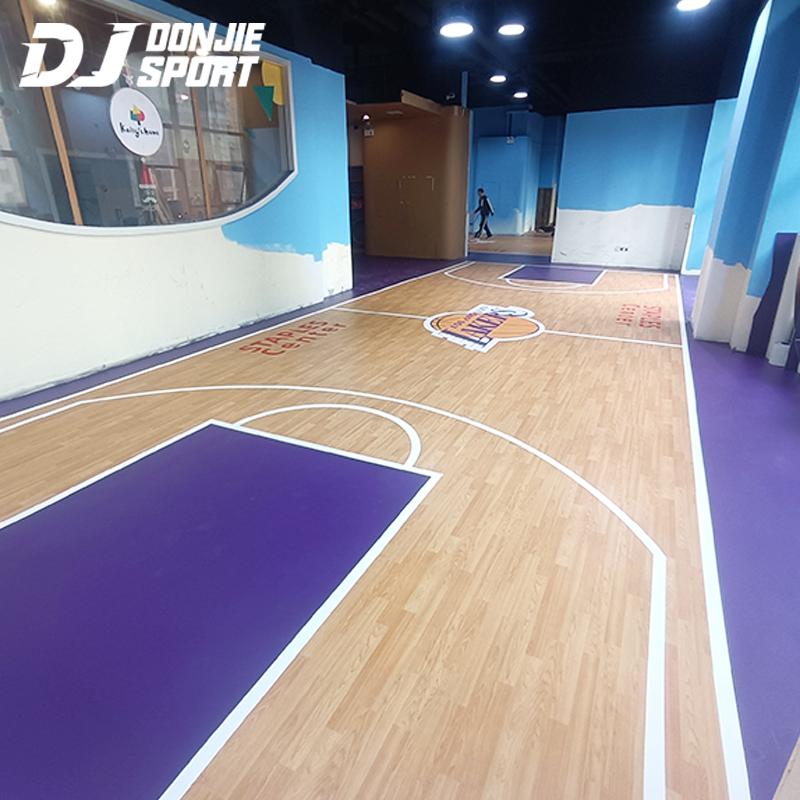
The Origins of Basketball Court Flooring
The origins of basketball court flooring trace back to the early days of the sport in the late 19th century. Initially, gyms were often equipped with whatever materials were available, ranging from dirt and grass to basic wooden floors. The invention of basketball in 1891 by Dr. James Naismith took place in a small gymnasium at a YMCA in Springfield, Massachusetts, with a simple wooden floor.
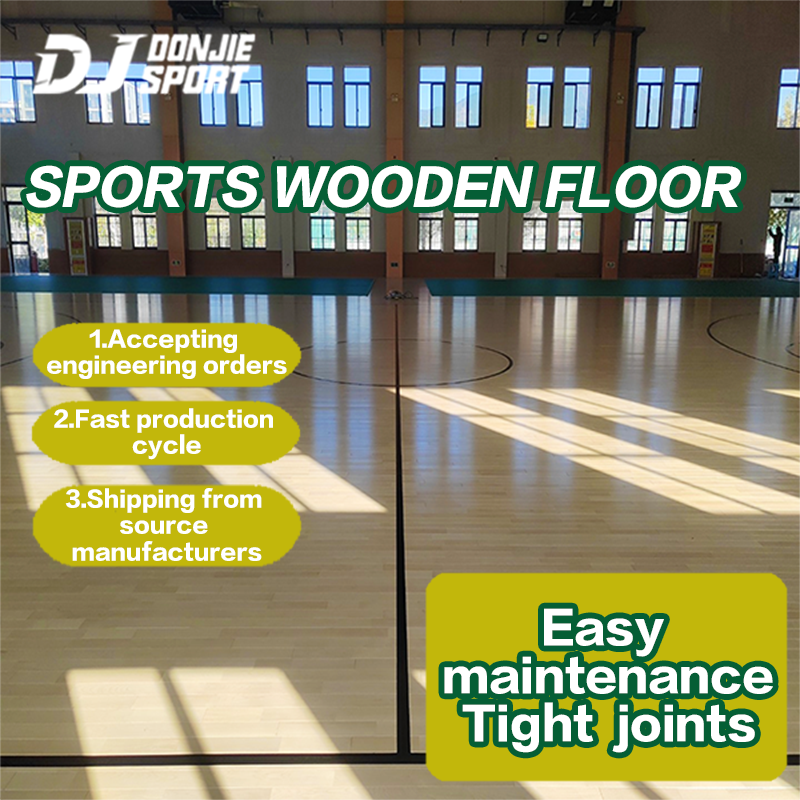
However, as the sport began to grow in popularity and leagues like the NBA started taking shape, the need for more specialized flooring became evident. By the 1930s, wooden courts became the standard, due to their superior qualities over the alternatives. Hardwood flooring offered a smooth, durable surface that was ideal for the fast-paced action of basketball. The initial popularity of hardwood was based on its aesthetic appeal and the natural “bounce” it provided, which contributed to better ball control and player movement.
The Golden Era of Hardwood Basketball Court Flooring
As basketball became more mainstream, hardwood floors were solidified as the gold standard for professional and collegiate courts alike. By the mid-20th century, hardwood was synonymous with high-level basketball, and iconic venues such as the Boston Garden and Madison Square Garden featured beautiful hardwood courts.
Wooden floors, particularly those made from maple, became the preferred choice for several reasons:
-
Durability: Hardwood could withstand the heavy use typical of professional basketball games, maintaining its integrity through countless hours of play.
-
Bounce and Performance: Hardwood flooring is known for providing a consistent bounce, which is crucial for both dribbling and shooting. The ideal level of “give” in the surface ensures a comfortable playing experience.
-
Aesthetic Appeal: The natural shine and smooth finish of hardwood added a level of prestige to any basketball arena, making it a focal point of the venue.
Maple wood, specifically, became a dominant choice due to its strength and resistance to wear, making it a perfect fit for basketball courts. It was easy to maintain, could be refinished multiple times, and had an ideal surface for player movement.
Transition to Synthetic Basketball Court Flooring
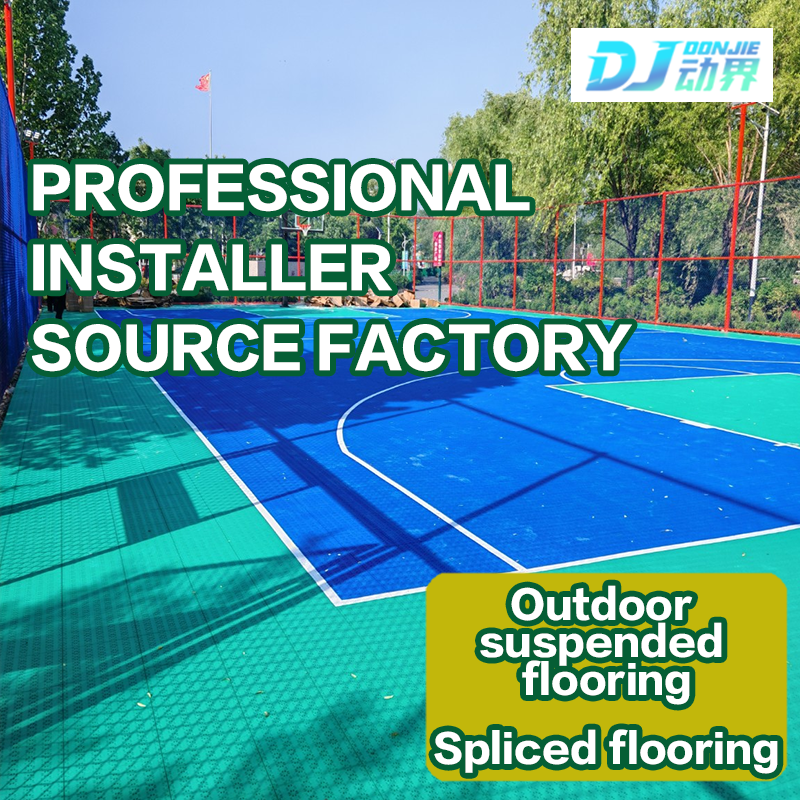
While hardwood remained the dominant material for basketball courts, the late 20th century saw the rise of synthetic flooring alternatives. With the growing demands of the sport and the high costs associated with maintaining hardwood courts, synthetic materials such as rubber, vinyl, and polyurethane started gaining popularity.
One of the main driving forces behind this shift was cost-effectiveness. Synthetic floors were cheaper to install and required less maintenance compared to hardwood. They were also designed to withstand the elements, making them a popular option for outdoor courts or multi-purpose arenas. Furthermore, synthetic floors offered better resistance to moisture, which was a common issue for hardwood courts, particularly in areas with fluctuating weather conditions.
Benefits of Synthetic Flooring:
-
Lower Maintenance: Unlike hardwood, which needs periodic sanding, sealing, and refinishing, synthetic floors only require basic cleaning and occasional repairs.
-
Cost-Effective: The upfront cost of synthetic flooring is typically lower than hardwood, making it an attractive option for schools, recreational centers, and even some professional leagues.
-
Weather Resistance: Synthetic materials, such as polyurethane and rubber, are more resistant to moisture and temperature changes, which is ideal for outdoor or poorly insulated venues.
Despite these advantages, synthetic flooring could not replicate the performance qualities of hardwood. The bounce was often inconsistent, and players noticed the difference, leading to a hybrid approach that would emerge in the following decades.
Innovations in Basketball Court Flooring
In the 21st century, basketball court flooring experienced a wave of technological innovations. These new materials and design elements not only sought to enhance the aesthetics of basketball courts but also to improve player safety and performance.
Technological Innovations:
-
Multi-Layered Systems: Modern synthetic basketball courts are often designed with multiple layers to provide cushioning and shock absorption. This innovation helps reduce the impact on players’ joints, reducing the risk of injuries during high-impact activities.
-
Eco-Friendly Materials: Sustainability became a major trend in the development of flooring materials. Recycled rubber, cork, and other sustainable materials are now being used in court designs, reflecting a global push toward eco-conscious products.
-
Smart Floors: The next big leap in basketball court flooring is the integration of smart technology. These floors could feature sensors that track player movement, monitor fatigue, and even adjust their surface based on the specific needs of the players. This innovation is still in its early stages but holds incredible promise for the future of basketball.
Eco-Friendly Options: As the sports industry embraces sustainability, eco-friendly flooring solutions made from recycled materials or sustainable wood sources have started making their mark. These courts not only reduce environmental impact but also enhance player comfort through their natural, energy-absorbing properties.
The Modern Era: Combining Tradition with Technology
The modern era of basketball court flooring seeks to balance the time-tested benefits of hardwood with the innovations of synthetic materials. Hybrid systems that combine hardwood aesthetics with the performance of synthetic materials are gaining popularity. For example, some courts now feature hardwood top layers with high-tech synthetic layers underneath, offering the best of both worlds—durability, performance, and ease of maintenance.
Hybrid Flooring Solutions:
-
Durability and Bounce: The top layer of hardwood retains the classic look and feel, while the underlying synthetic material adds shock absorption and impact resistance.
-
Maintenance and Safety: These hybrid systems are designed to withstand heavy use without the need for constant refinishing, and they can be maintained with a simple cleaning routine.
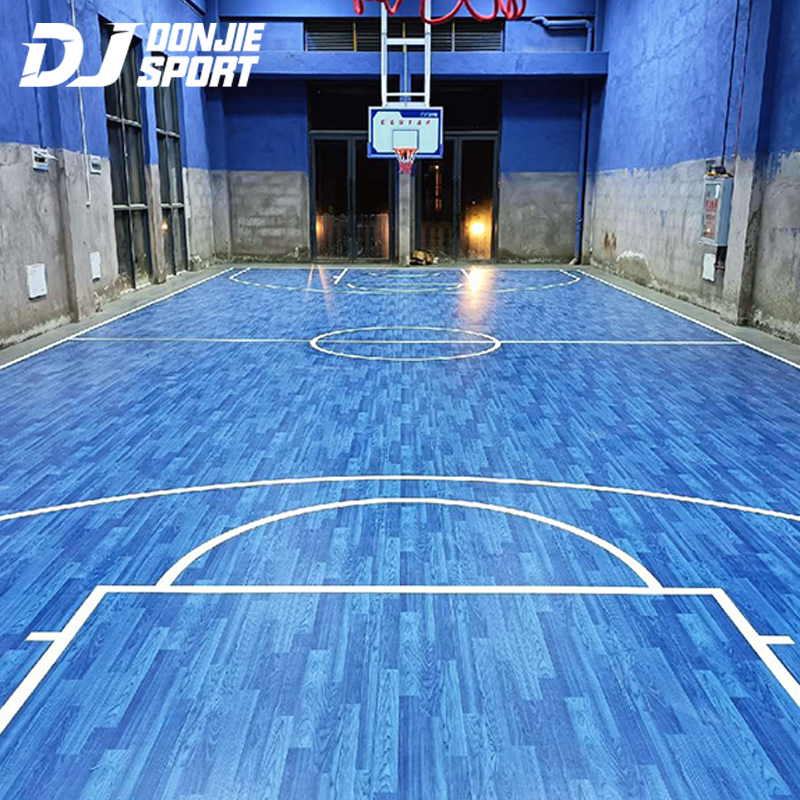
In addition to hybrid floors, modern courts are designed to cater to both professional and recreational needs. Whether it’s a professional NBA arena or a local community gym, flooring solutions are customizable to suit the budget, environment, and specific needs of the players.
Future Trends in Basketball Court Flooring
Looking ahead, the future of basketball court flooring will likely be shaped by advancements in technology, sustainability, and customization. As the demand for personalized and high-performance courts grows, we can expect even more exciting innovations in the next decade.
Emerging Trends:
-
Smart Technology Integration: Future courts may be equipped with smart technology that adapts to the player’s needs, enhancing both safety and performance. Features like motion tracking, fatigue monitoring, and dynamic floor adjustments could become commonplace.
-
Advanced Sustainability: As environmental consciousness continues to rise, the development of fully sustainable, eco-friendly courts will likely dominate the market. Recycled materials, energy-efficient production methods, and recyclable flooring systems will be essential in the coming years.
-
Customization for Aesthetics and Performance: Players and teams may have more control over the design and performance of their courts. Customizable floor patterns, color schemes, and materials tailored to specific player needs could become a new norm.
Conclusion
The evolution of basketball court flooring has been a fascinating journey—from humble wooden beginnings to the technological marvels of today. As the sport continues to grow and demand more from its playing surfaces, the future of basketball court flooring promises even greater innovations in both performance and sustainability. Whether it’s a hardwood court with modern synthetic elements or a fully customizable smart court, the evolution of basketball flooring has no bounds.