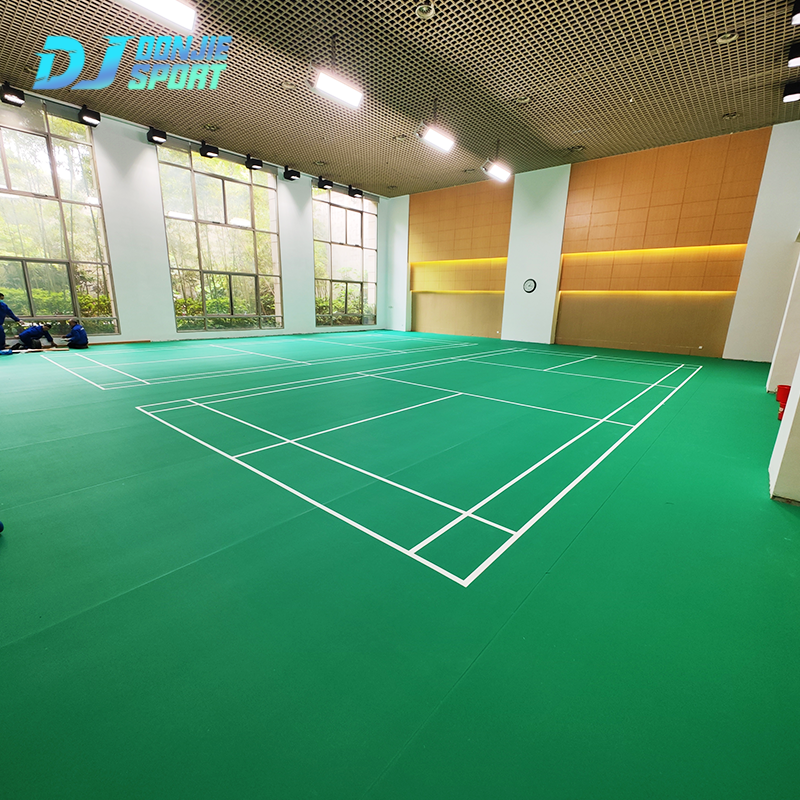
Hardwood sports flooring has long been the preferred choice for athletes and sports facilities due to its durability, performance, and timeless appeal. Whether it’s for basketball courts, volleyball courts, or indoor arenas, hardwood has a unique ability to provide a balance of comfort and performance. However, as sports venues continue to evolve, so does the technology and design behind these floors. In recent years, hardwood flooring has seen significant advancements, transforming it from a traditional surface into a high-tech, sustainable solution. Today, the future of hardwood sports flooring is shaped by new innovations in manufacturing, a rising demand for eco-friendly options, and a focus on enhancing the performance and safety of athletes.
As we look ahead, it’s important to understand the key trends driving these changes and how they are impacting the flooring industry. From technological breakthroughs to a stronger emphasis on sustainability and aesthetics, the next generation of hardwood sports flooring is poised to redefine sports venues worldwide. Let’s explore the trends that are setting the stage for the future of this essential flooring material.
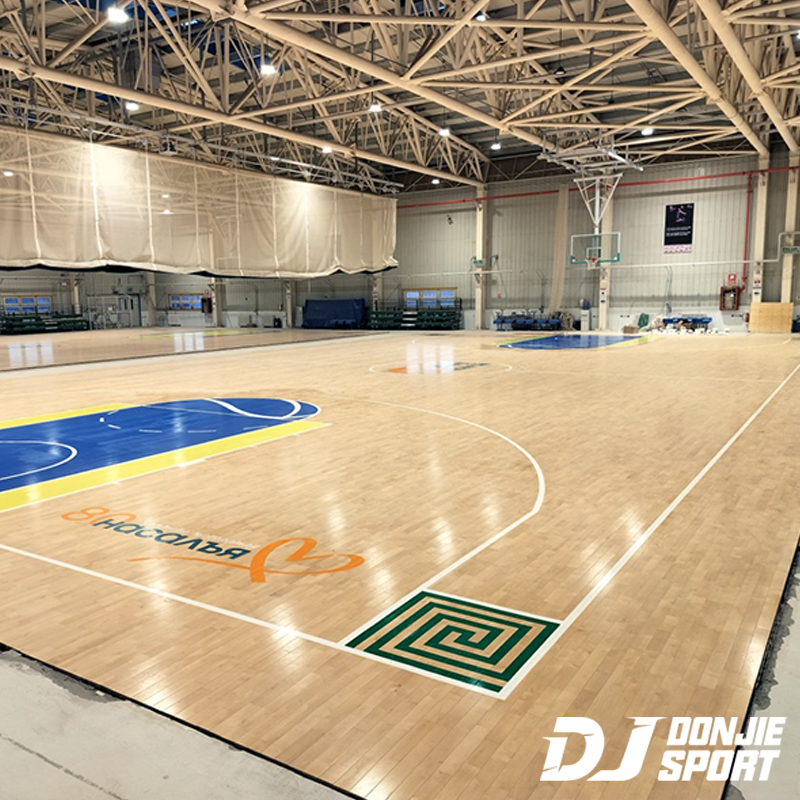
Technological Advancements in Hardwood Sports Flooring
The evolution of hardwood sports flooring is largely driven by technological advancements, which have enhanced its durability, performance, and overall functionality. One of the most significant innovations is in wood treatment and finish technologies. Manufacturers now utilize advanced processes such as UV-cured coatings and advanced sealing techniques, which increase the lifespan of hardwood flooring while providing a more resistant surface to scratches, stains, and wear. These finishes not only improve the aesthetic appeal of the flooring but also significantly reduce the need for frequent refinishing, making maintenance simpler and more cost-effective for sports facilities.
Furthermore, new manufacturing methods are improving the structural integrity of hardwood floors, ensuring that they can withstand the high-impact, heavy foot traffic typical in sports arenas. With the development of high-performance adhesives and compression molding, modern hardwood flooring is stronger, more stable, and less prone to warping over time. These advancements also contribute to a more consistent surface, which is critical for maintaining the quality and safety of the game.
Another breakthrough is the integration of smart technology into hardwood flooring systems. For example, sensors embedded in the flooring can track an athlete’s movements, providing valuable data on performance, injury prevention, and overall court conditions. This data is becoming increasingly important as facilities look to optimize the environment for player development and safety.
Sustainability: The Growing Demand for Eco-Friendly Hardwood Flooring
As environmental concerns continue to grow, the demand for sustainable hardwood sports flooring has surged. Eco-conscious sports venues are increasingly choosing flooring solutions that are both durable and environmentally friendly. This includes the use of sustainably sourced wood, such as certified timber from responsibly managed forests, ensuring that the flooring contributes to the preservation of natural ecosystems.
The finishing processes have also evolved to align with sustainability goals. Traditional chemical-based finishes are being replaced with water-based and low-VOC (volatile organic compounds) alternatives, reducing the environmental footprint of hardwood sports flooring. Manufacturers are now able to create floors that not only meet performance and safety standards but also comply with stringent environmental regulations, ensuring that facilities are creating green, healthy spaces for athletes.
Additionally, the longevity of hardwood sports flooring contributes to sustainability. Since hardwood floors can last for decades when properly maintained, they reduce the need for frequent replacements, leading to less waste and lower overall environmental impact. The growing trend of repurposing wood and utilizing reclaimed materials also plays a key role in reducing the demand for new resources, making hardwood a more sustainable option for sports flooring.
Improved Performance Features of Modern Hardwood Flooring
In addition to its aesthetic and durability benefits, modern hardwood flooring is designed with performance in mind. Athletic performance, comfort, and injury prevention are the main priorities for hardwood sports flooring today. One significant improvement is the increased shock absorption properties, which help reduce the impact on joints during high-intensity activities. Advances in the construction of subfloor systems have led to better energy return and cushioning, minimizing the risk of stress injuries such as knee and ankle strains.
Customizable surface textures are another performance-driven trend. The introduction of micro-textured finishes allows for different traction levels tailored to specific sports. For example, hardwood flooring designed for basketball might have a different surface texture compared to flooring used for volleyball or indoor tennis. This customization ensures that the flooring supports the optimal performance of athletes, offering the right balance between grip and slide depending on the sport played.
Furthermore, advanced slip-resistance technologies are being incorporated into hardwood sports floors, enhancing safety and reducing the likelihood of falls and injuries. The combination of these performance features makes modern hardwood floors not only visually appealing but also functional in ways that support athlete well-being.
Design Trends: Aesthetic Appeal and Versatility
Aesthetic appeal and design versatility are becoming more important as sports facilities evolve into multi-use spaces that cater to a wide range of activities and events. Modern hardwood sports flooring is now available in a variety of finishes, colors, and patterns that can be customized to suit the specific needs of any sports venue. Whether it’s a basketball court, dance studio, or multi-purpose gymnasium, hardwood floors can be tailored to complement the branding and design of the facility.
Logo customization is another growing trend, with many facilities choosing to incorporate team logos, sponsorship branding, or other designs directly into the flooring. This level of personalization enhances the visual appeal of the space while also reinforcing the identity of the sports team or organization.
Moreover, hardwood flooring’s timeless appeal is maintained, with its classic look still dominating many professional arenas and gyms. Its warm, natural beauty remains unmatched by synthetic alternatives, offering both style and performance. As sports facilities seek to elevate their aesthetics while maintaining functionality, hardwood sports flooring is more adaptable than ever before.
Maintenance and Durability: Low-Cost Solutions for High-Traffic Areas
One of the most significant challenges for sports facilities is maintaining their floors in high-traffic areas. Hardwood sports flooring is known for its longevity, but keeping it in top condition requires proper maintenance. Fortunately, modern advancements in finishes and coatings have greatly reduced the maintenance demands of hardwood floors. New technologies, such as self-healing finishes and scratch-resistant surfaces, are helping to preserve the look and integrity of the floor for years with minimal intervention.
For facilities that require extensive cleaning or face high wear-and-tear from various sports, there are now low-maintenance options that don’t sacrifice quality. For example, some hardwood flooring products now come with pre-finished surfaces that only require routine cleaning and periodic polishing, reducing the time and costs spent on upkeep.
Regular inspections and maintenance routines, combined with these advanced finishes, make hardwood floors more cost-effective in the long run, especially in venues that host numerous sporting events throughout the year.
The Impact of Hardwood Sports Flooring on Athlete Performance
Athletes are increasingly recognizing the impact of high-quality flooring on their performance. Hardwood sports flooring offers superior comfort compared to other materials, providing a balanced surface that promotes natural movement and minimizes the risk of injury. The consistency of the hardwood surface ensures that athletes can focus on their game without worrying about unevenness or discomfort.
Additionally, the responsiveness of hardwood floors plays a significant role in improving athlete performance. The flooring’s ability to absorb shock while also providing an energy return enhances overall agility and speed, giving athletes the support they need during high-impact movements. This is why top-tier sports facilities continue to rely on hardwood flooring in professional arenas and training venues.
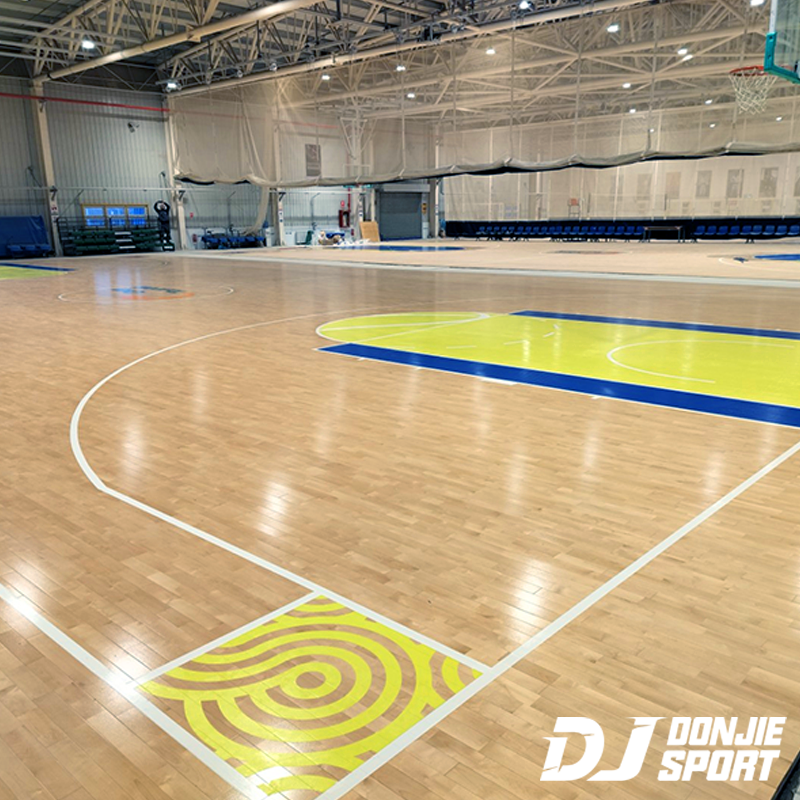
The Future Outlook: What’s Next for Hardwood Sports Flooring?
Looking ahead, the future of hardwood sports flooring is bright. Innovations in both material science and design are poised to redefine what athletes and sports facilities can expect from their floors. The integration of smart technology, coupled with sustainable manufacturing practices, will shape the next generation of hardwood sports floors, offering unparalleled performance, safety, and environmental responsibility.
In addition, as the global market for sports flooring continues to grow, there will likely be a wider adoption of hardwood floors in facilities across the world. From professional arenas to community centers and schools, hardwood flooring is expected to remain the gold standard for high-performance sports surfaces.
Staying Ahead of the Curve with Hardwood Sports Flooring
The future of hardwood sports flooring is exciting, with numerous trends and innovations transforming the industry. From cutting-edge technology to sustainable manufacturing practices, these changes are improving the durability, safety, and performance of hardwood floors. As the demand for high-quality sports flooring continues to grow, investing in advanced hardwood flooring solutions will ensure that sports venues can meet the needs of athletes while providing a visually appealing and durable surface for years to come.