As outdoor basketball continues to grow in popularity, the surfaces on which these games are played are evolving rapidly. The choice of court surface has a profound impact on both the performance of athletes and the longevity of the court itself. In recent years, significant innovations and trends have emerged that promise to reshape the future of outdoor basketball courts. From sustainability to advanced materials and design features, understanding these changes is key for facility managers, sports enthusiasts, and manufacturers alike.
Emerging Trends in Outdoor Basketball Court Surfaces
Sustainability in Surface Materials
The growing demand for sustainable products has significantly influenced the outdoor basketball court industry. Manufacturers are increasingly turning to eco-friendly materials that not only reduce environmental impact but also improve performance and durability. Recycled rubber, for example, has become a popular option for constructing basketball courts, offering exceptional durability while reducing the demand for virgin materials. Similarly, courts made from recycled plastics and other repurposed materials are gaining popularity due to their ability to withstand outdoor elements without compromising quality.
The adoption of these sustainable materials is also driving innovation in surface designs. Eco-friendly outdoor basketball court surfaces are often designed to be highly resistant to wear and tear, UV radiation, and weathering, ensuring longevity while maintaining low environmental footprints.
Smart Technology Integration
As technology continues to advance, it’s making its way into the world of outdoor basketball courts. Smart technology integration is one of the most exciting trends, offering new ways to enhance the performance of both the surface and the players. Some courts now feature sensor-based systems embedded within the surface to track player movements, monitor court conditions, and provide real-time data for analysis.
This technology can help athletes optimize their performance by offering insights into metrics such as speed, agility, and footwork. Additionally, these smart systems can provide important data to facility managers, helping them maintain the court by monitoring its condition, such as surface wear and tear, moisture levels, or temperature variations. Such advancements allow for better decision-making and predictive maintenance.
Customization and Aesthetics
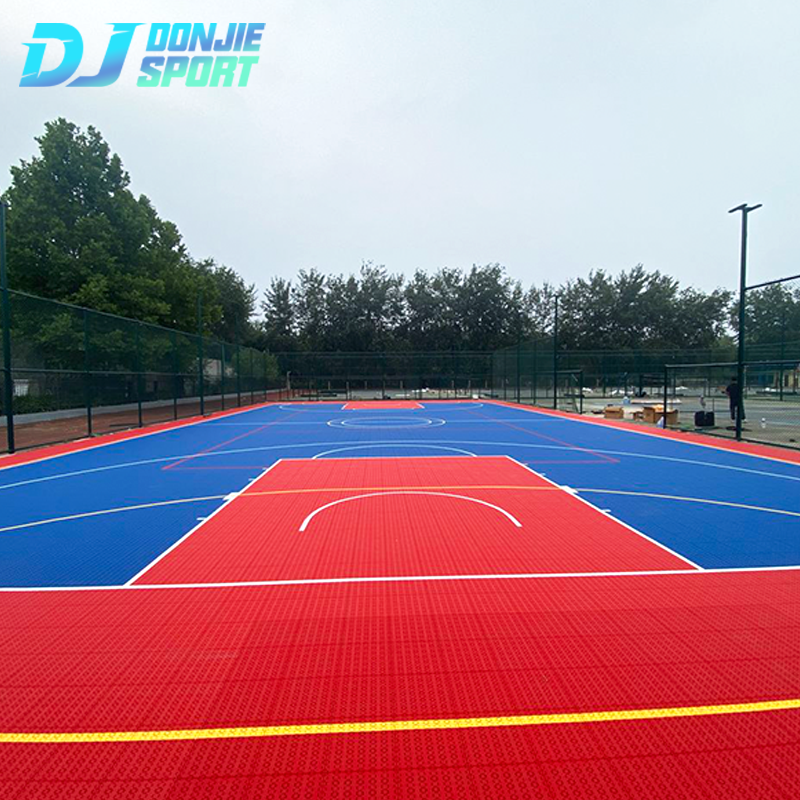
In addition to performance and durability, aesthetic appeal is becoming a major consideration in outdoor basketball court design. Customization is a growing trend as teams, schools, and recreational facilities seek to reflect their identity through their court surfaces. From vibrant colors to logos and team branding, personalized designs are becoming more accessible.
Modern technologies now allow for easy customization of court surfaces with intricate patterns and vibrant colors, making courts not just functional but visually striking. This aesthetic appeal is not only for professional courts but is also being embraced by community sports facilities, where courts can be designed to fit the personality of local teams or communities.
Innovations in Material Technology
High-Performance Synthetic Materials
One of the most exciting advancements in outdoor basketball court surfaces is the development of high-performance synthetic materials. Traditional asphalt and concrete courts have been slowly replaced by advanced synthetic materials like polyurethane and modified rubber compounds, which offer superior durability and shock absorption. These materials can handle extreme temperatures, weather conditions, and heavy use, ensuring long-lasting performance.
The increased resilience of synthetic materials also contributes to player safety by providing better shock absorption and reducing the risk of injuries. These surfaces are designed to maintain their integrity over time, even with regular exposure to UV rays and moisture, which would typically degrade older materials.
Polyurethane and Rubber Combinations
A notable trend in material innovation is the combination of polyurethane with rubber compounds. This hybrid approach combines the best properties of both materials: the resilience of rubber and the smooth, wear-resistant surface of polyurethane. Such combinations offer a court surface that is durable, resistant to scratches, and comfortable to play on. These hybrid surfaces are also low-maintenance and easier to repair, further adding to their appeal for outdoor basketball courts.
Permeable Surfaces
Water drainage is a crucial factor when it comes to maintaining outdoor basketball courts. Permeable surfaces, which allow water to drain through rather than pooling on the surface, have become an essential innovation. This feature helps prevent surface degradation caused by standing water, reduces the risk of accidents due to slippery conditions, and minimizes the need for costly maintenance.
These surfaces are especially useful in regions with heavy rainfall or fluctuating climates. The permeability of the material also helps reduce the environmental impact, as it minimizes water runoff and helps restore groundwater levels in urban areas.
Durability and Weather Resistance: Key Features
UV and Heat Resistance
The harsh effects of UV rays and high temperatures can quickly degrade traditional outdoor court surfaces, causing them to fade, crack, or become unsafe for play. New materials, such as UV-resistant polymers and heat-resistant coatings, are designed to withstand extreme sun exposure and maintain their integrity. These surfaces offer consistent color retention and improved performance in varying weather conditions.
UV and heat-resistant surfaces also help reduce maintenance costs, as the materials are less likely to crack or break down under sun exposure. As more courts are built in areas with harsh climates, the demand for these innovative, weather-resistant surfaces continues to grow.
Anti-Slip and Traction Enhancements
Player safety is always a top priority, and traction is a critical element in any basketball court surface. Advanced materials are now being developed with anti-slip properties to ensure a secure playing environment. Surface texture enhancements, such as micro-texturing or specific coatings, can improve grip, reducing the chances of slips and falls, even in wet or humid conditions.
These innovations are particularly useful for outdoor courts, where rain and moisture can affect the traction of the surface. With improved anti-slip features, athletes can enjoy a safer and more consistent playing experience, even in challenging weather conditions.
Sustainability and Environmental Impact
Recycled and Recyclable Materials
Sustainability is a critical aspect of the future of outdoor basketball court surfaces. The use of recycled materials, such as rubber from tires or plastic bottles, is increasingly common in the production of outdoor court surfaces. This not only helps reduce waste but also promotes a circular economy, where materials are reused rather than disposed of.
Recyclable materials are also gaining attention, as manufacturers develop court surfaces that can be easily disassembled and reused at the end of their life cycle. This reduces the environmental footprint of court construction and demolition, contributing to a more sustainable approach to building and maintaining sports facilities.
Reducing the Carbon Footprint of Outdoor Courts
Manufacturers are focusing on reducing the carbon footprint of outdoor basketball courts by utilizing environmentally friendly production processes. Innovations in manufacturing techniques, such as using renewable energy sources or reducing the use of toxic chemicals, are helping create more sustainable surfaces. These practices are in response to growing demand for eco-conscious products from both facility owners and athletes who want to contribute to a greener planet.

Global Adoption and Market Demand
Trends in Global Outdoor Basketball Court Surface Usage
Across the globe, there is a growing interest in upgrading basketball courts to more advanced surfaces. In regions with hot climates, such as parts of the Middle East and Africa, UV-resistant and heat-durable surfaces are in high demand. Meanwhile, colder regions are focusing on materials that can withstand freezing temperatures without cracking. The increasing global adoption of these innovative court surfaces reflects a growing recognition of their long-term benefits.
Cost vs. Long-Term Value
While high-tech outdoor basketball court surfaces may come with a higher initial cost, their long-term value is undeniable. These surfaces are designed to require less frequent maintenance and have longer lifespans than traditional asphalt or concrete courts. In the long run, they offer better value due to lower repair and replacement costs, making them a wise investment for sports facilities.
The Future Outlook: What’s Next?
Next-Generation Surfaces
Looking ahead, the future of outdoor basketball court surfaces is filled with possibilities. We can expect even more advanced materials to emerge, such as self-healing surfaces or integrated systems that adapt to changing environmental conditions. These innovations will continue to enhance the performance, safety, and sustainability of outdoor basketball courts.
Collaborations with Professional Athletes and Sports Organizations
As the demand for high-performance surfaces grows, professional athletes and sports organizations will play an increasingly important role in shaping the future of outdoor court surfaces. Their feedback on performance and safety will drive further innovations, ensuring that future surfaces meet the needs of elite players while being accessible to recreational users as well.
Conclusion
The future of outdoor basketball court surfaces is an exciting one, with a focus on innovation, sustainability, and performance. From eco-friendly materials to smart technology and enhanced durability, the next generation of surfaces promises to provide a better experience for players while reducing the environmental impact of construction and maintenance. As the industry continues to evolve, these trends and innovations will shape the future of basketball courts around the world.