When designing or renovating a sports hall, one of the most overlooked yet crucial decisions is choosing the right flooring. Athletes depend on a surface that not only supports their performance but also ensures their safety. The flooring in a sports hall significantly influences both of these factors. Whether it’s a basketball court, a badminton hall, or a multipurpose facility, the quality of the floor determines how athletes move, react, and perform during intense physical activity. In this article, we’ll explore the profound impact that flooring has on both athlete safety and performance, highlighting why it’s essential for sports venues to select the appropriate material that aligns with the specific needs of their athletes. From injury prevention to enhancing movement, the right flooring is more than just a surface—it’s a critical component of sports performance.
Understanding the Relationship Between Flooring and Athlete Safety
One of the most important aspects of sports hall flooring is its ability to prevent injuries. When athletes engage in high-impact activities, the type of flooring they interact with directly affects their risk of injury. Flooring that lacks adequate shock absorption can result in more strain on the joints, muscles, and bones, leading to overuse injuries, sprains, or fractures.
Shock absorption is crucial in reducing the impact on an athlete’s body, especially during high-intensity sports like basketball or volleyball. Floors that provide a soft landing, such as rubber or cushioned PVC, help in absorbing the energy from jumps and sudden movements, minimizing stress on the knees, ankles, and lower back.
Another critical factor is slip resistance. Floors that are too slick or don’t offer enough grip can increase the likelihood of falls, leading to sprained ankles or worse. In contrast, floors with proper traction can provide athletes with the necessary grip to make quick, explosive movements while maintaining balance.
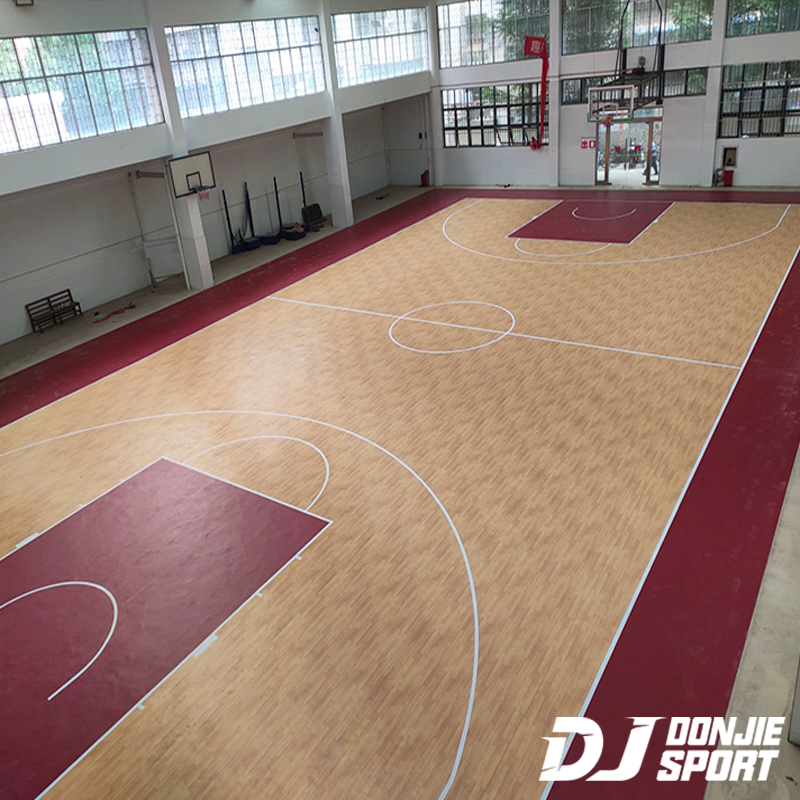
In sports like basketball, where quick directional changes are common, flooring that provides consistent traction allows athletes to move without worrying about slipping. Without this, not only would performance suffer, but the risk of injury would increase significantly.
How Flooring Affects Athletic Performance
Beyond safety, flooring plays a vital role in the overall performance of athletes. The right flooring can enhance mobility, agility, and reaction times, which are crucial for high-level performance in many sports.
For instance, wooden floors, commonly found in indoor basketball and volleyball courts, are prized for their ability to provide just the right amount of bounce, which supports athletic movements such as jumping, running, and pivoting. A floor that is too hard can limit an athlete’s performance, making it difficult to move swiftly or change direction. On the other hand, floors that are too soft may result in unstable footing, hindering an athlete’s ability to make quick cuts or jumps.
Performance is also influenced by the consistency and stability of the flooring. A floor that is uneven, cracked, or improperly installed can create unpredictable conditions, making it harder for athletes to perform consistently. In contrast, a well-maintained floor provides a stable, uniform surface that ensures every movement is precise, contributing to better overall performance.
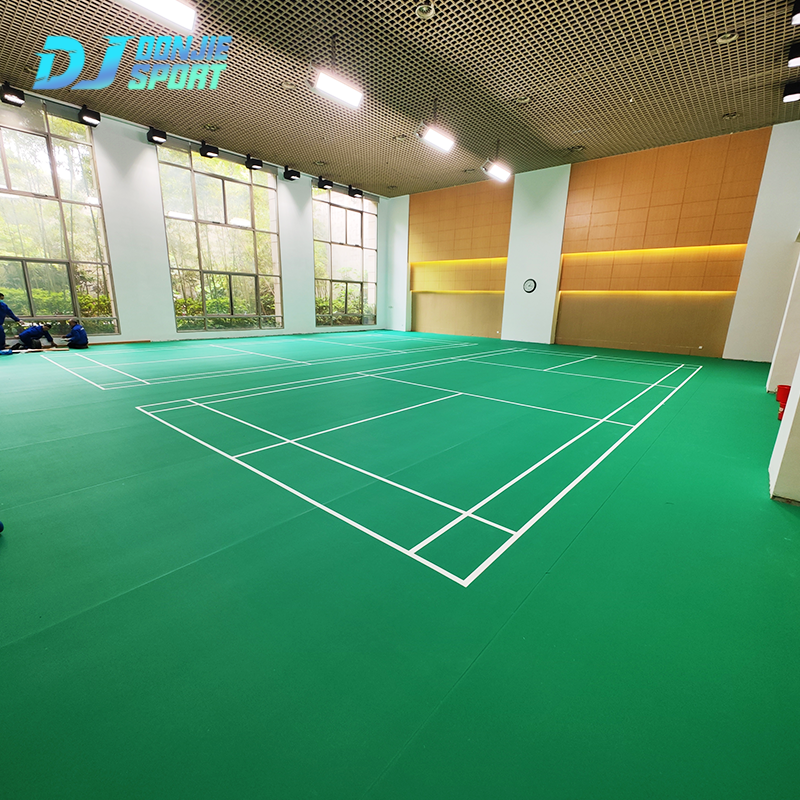
The choice of flooring material also influences specific sport performance. For example, PVC sports flooring is highly popular for badminton courts, as it provides excellent grip and comfort without being too rigid. Similarly, rubber flooring, often found in weight rooms and gymnasiums, helps absorb impact from dropped weights while maintaining a non-slip surface.
The Role of Flooring in Meeting Safety Standards and Regulations
Sports flooring must adhere to various national and international safety standards, ensuring that athletes are competing or training on surfaces that meet the required performance criteria. These standards are set to ensure that the flooring provides sufficient support and safety during physical activity. Many organizations, such as the International Basketball Federation (FIBA) and the International Volleyball Federation (FIVB), provide guidelines for floor types that are acceptable for use in competitive sports.
When selecting flooring for a sports hall, it is vital to choose a material that meets these stringent guidelines. High-quality flooring materials come with certifications such as the EN 14904 (a European standard for sports flooring) or ISO certification, which ensure that the material has passed rigorous tests for slip resistance, shock absorption, and durability.
Choosing flooring that meets these standards not only ensures safety but also provides peace of mind for facility managers, athletes, and coaches. Non-compliant flooring, on the other hand, could lead to injuries and even liability issues for facility owners.
Choosing the Right Flooring Material for Sports Halls
Selecting the ideal flooring for a sports hall involves understanding the unique demands of each sport and the specific needs of athletes. Various materials offer distinct advantages based on the sport being played and the desired performance characteristics.
Wooden floors are often the material of choice for basketball, volleyball, and indoor tennis courts due to their ability to provide a smooth, springy surface that enhances performance while reducing the impact on joints. These floors are also aesthetically pleasing and are known for their durability.
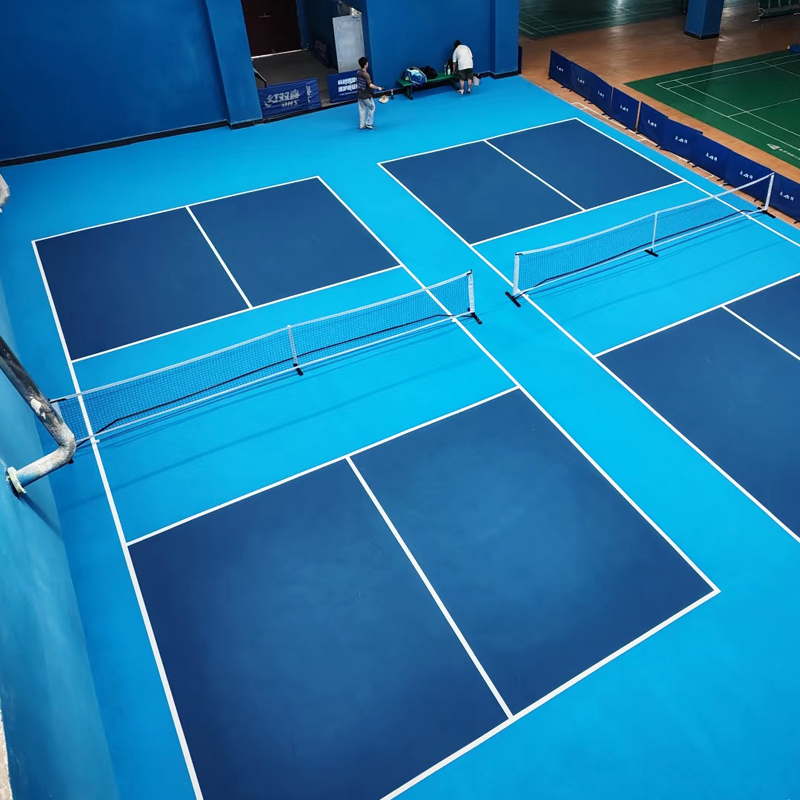
PVC and vinyl sports flooring, on the other hand, are popular for multi-purpose sports halls. They offer excellent shock absorption, resistance to wear, and slip resistance, making them suitable for a wide range of sports, from badminton to table tennis. PVC floors are easy to maintain and clean, making them a practical choice for busy facilities.
Rubber flooring is often found in gyms, weight rooms, and fitness centers due to its shock-absorbing qualities and non-slip surface. It is highly durable and offers protection against dropped weights, providing a safer environment for athletes training in high-impact settings.
When selecting flooring for a sports hall, factors like maintenance requirements, durability, cost, and installation ease should also be taken into consideration. The best flooring option will align with the specific needs of the athletes and the type of sports being played while ensuring long-term value and safety.
The Long-Term Benefits of Investing in Quality Flooring for Athlete Safety
Investing in high-quality flooring for sports halls offers long-term benefits that go beyond initial performance improvements. Proper flooring not only enhances safety but also reduces the risk of injuries over time, leading to fewer medical costs and fewer missed games or practices for athletes.
Quality flooring materials like wood or high-grade PVC are designed to last for years, offering a consistent surface that continues to provide optimal safety and performance. By choosing durable flooring, sports facilities can avoid frequent repairs or replacements, ultimately saving money in the long run.
Furthermore, athletes will benefit from improved performance, as quality flooring enhances mobility, stability, and overall comfort. A surface that supports performance can help athletes develop their skills and stay competitive in their respective sports.

Maintenance and Upkeep: How Flooring Affects Longevity and Continued Safety
To ensure that the flooring continues to provide a safe and high-performance environment, regular maintenance is essential. Keeping the floor clean, free from debris, and properly sealed will help preserve its shock absorption and slip resistance qualities.
Wooden floors require periodic refinishing and resealing to maintain their smoothness and prevent wear. PVC and rubber floors also need regular cleaning and occasional inspections for wear and tear to ensure they continue meeting safety standards.
Neglecting floor maintenance can result in uneven surfaces, increased risk of slips and falls, and deterioration of shock-absorbing properties. Regular maintenance ensures that the flooring remains in top condition, providing long-lasting safety and performance benefits.
Conclusion
In conclusion, the type of flooring chosen for a sports hall plays a pivotal role in both the safety and performance of athletes. Flooring materials that provide adequate shock absorption, slip resistance, and durability can prevent injuries and enhance performance, making them an essential investment for any sports facility. By understanding the various flooring options and their specific benefits, facility managers can create environments that support athlete well-being while improving overall performance.
When investing in sports hall flooring, it is crucial to choose materials that meet safety standards, are built to last, and are suited to the specific sports being played. Proper maintenance further ensures that the flooring continues to provide a safe and high-performance surface for years to come.